
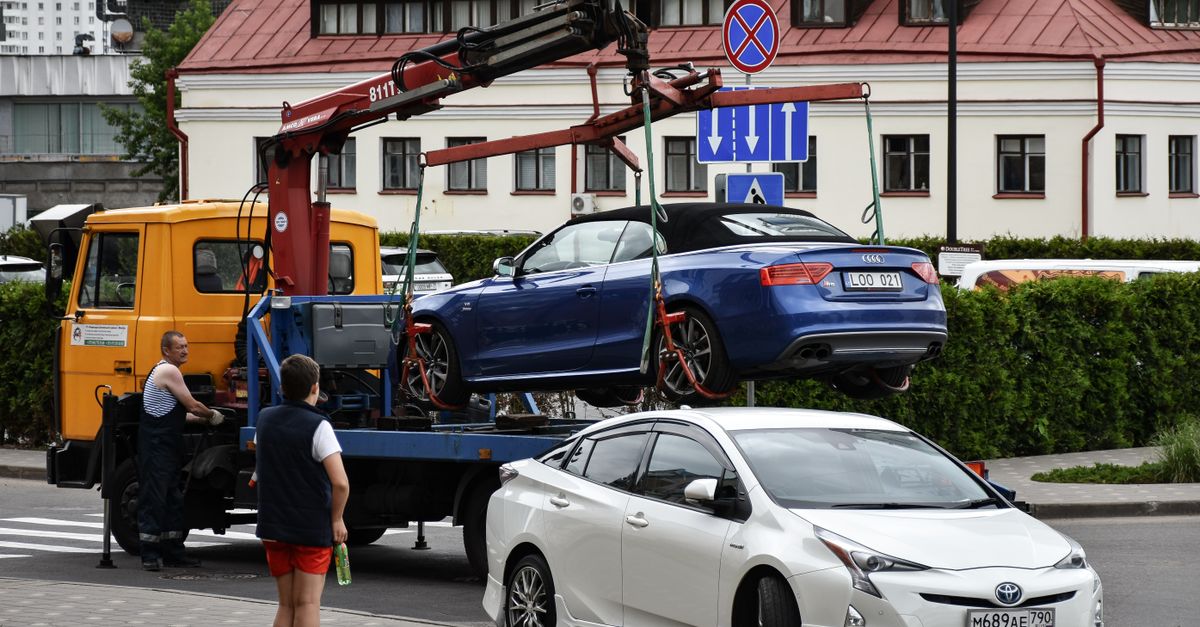
Living in an apartment means dealing with parking rules. But your landlord can't just tow your car whenever they want. You have real apartment towing rights that protect you. Let's break down what's legal and what isn't.
What Are Apartment Towing Rights for Tenants?
Apartment towing rights are legal protections that prevent landlords from removing your vehicle unfairly. These rules exist in most states. They require landlords to follow specific procedures before towing.
Your rights include receiving notice before towing happens. You also have the right to dispute a tow. And you can recover your car without paying excessive fees.
The key here: landlords can't tow on a whim. They need a legitimate reason and must follow the law.
When Can a Landlord Legally Tow Your Vehicle?
Landlords can tow your car in specific situations only. The most common reason is parking in an unauthorized space. This includes parking outside your assigned spot or in a no-parking zone.
Other legal reasons include:
- Blocking another tenant's driveway or space
- Parking in a handicapped space without proper permits
- Abandoning the vehicle on the property
- Violating lease parking restrictions
- Parking in a fire lane or emergency zone
But here's the catch: even with these reasons, landlords must follow notice rules. They can't just tow without warning.
What Notice Must Landlords Provide Before Towing?
Most states require written notice before towing. The notice period varies by state, typically ranging from 24 to 72 hours.
The notice must include:
- Your vehicle's description and license plate number
- The violation reason
- The tow date and time
- How to avoid the tow (like moving your car)
- Tow company contact information
- Storage location and retrieval costs
Some states allow verbal notice in emergencies, like blocking a fire lane. But written notice is the standard. Check your state's towing laws for exact requirements.
Can Landlords Tow Without Notice in Emergencies?
Yes, but only in true emergencies. Blocking a fire lane qualifies. So does blocking another tenant's driveway when they need access.
Warning: Landlords abuse the "emergency" claim. They'll tow without notice and claim it was an emergency. If this happens to you, document everything. Take photos of where your car was parked. Get witness statements from other tenants.
You can fight these tows. Many states let you sue landlords for damages if the emergency claim was fake.
State-by-State Apartment Towing Rights Rules
Towing laws vary significantly by state. Some protect tenants heavily. Others give landlords more power.
California: Requires 72 hours written notice. Landlords must use licensed tow companies. Storage fees are capped at $75 per day.
Texas: Requires 24 hours notice for most violations. Emergency tows (fire lanes) need no notice. Private property towing laws are stricter here than many states.
New York: Requires notice before towing unless it's blocking an entrance. Tenants can dispute tows in court.
Florida: Requires 24 hours notice. Tow companies must post signs about their rates and contact info. Storage fees are regulated by state law.
Illinois: Very tenant-friendly. Requires 48 hours written notice. Landlords must prove the violation in court if disputed.
Check your state's specific towing laws to know your exact protections. Laws change often, so verify current rules before relying on this information.
What Fees Can Tow Companies Charge?
Tow companies work with landlords, but they're regulated too. Most states cap what they can charge.
Typical fees in 2026:
- Towing: $150-$300 depending on distance and vehicle type
- Storage: $25-$75 per day (varies by state)
- Administrative fees: $25-$100
- Gate fees: $10-$25
Some states set maximum rates by law. Others let the market decide. Check your state's maximum towing rates to know if you're being overcharged.
Get a written itemization before paying. Don't accept verbal quotes. Legitimate tow companies always provide detailed breakdowns.
How to Protect Your Vehicle From Wrongful Towing
Prevention is your best defense. Here's how to stay safe:
- Read your lease carefully. Know exactly where you can park and what violations trigger towing.
- Park in your assigned space. Never use visitor spots or unauthorized areas, even briefly.
- Keep your lease and parking rules handy. You'll need them if you dispute a tow.
- Document your parking spot. Take photos showing your space number and any signage.
- Get notice in writing. If your landlord warns you about towing, ask for it in writing.
- Know your state's notice requirements. This is critical for fighting illegal tows.
- Register your vehicle with the landlord. Make sure they have your correct plate number and contact info.
- Don't ignore violation notices. Act immediately if you get one.
The goal: give landlords no legitimate reason to tow. Even then, they must follow the law.
What to Do If Your Car Is Towed Illegally
Your car was towed without proper notice. Or the notice was fake. Here's your action plan:
- Stay calm and gather information. Get the tow company's name, address, phone number, and the tow receipt number.
- Photograph everything. Document where your car was parked. Take pictures of any signage about parking rules.
- Get witness statements. Ask neighbors if they saw the tow. Get their names and contact info.
- Request a written explanation from your landlord. They must explain why they towed your car and prove notice was given.
- Demand your car back immediately. Don't pay storage fees yet. Tell the tow company you're disputing the tow.
- File a complaint with your state's attorney general. Most states have towing complaint processes.
- Send a demand letter to the landlord. Include copies of lease, parking rules, and proof you weren't in violation.
- Consider small claims court. You can sue for towing fees, storage charges, and other damages.
Many illegal tows get reversed when landlords face legal pressure. Don't just accept it.
How to Dispute a Tow and Get Your Car Back
Disputing a tow requires documentation and persistence. Here's the process:
- Contact the tow company immediately. Explain that the tow was illegal. Ask about their dispute process.
- Request a hearing or review. Most tow companies have formal dispute procedures. Ask for written details.
- Prepare your evidence. Gather lease, parking permit, photos, witness statements, and notice records.
- File a complaint with your city or county. Many jurisdictions regulate towing companies locally.
- Send certified mail to the landlord. State your dispute clearly. Reference specific lease violations they claim you made.
- Keep copies of everything. You'll need these for court if it comes to that.
- Follow up in writing. No phone calls only. Everything must be documented.
Many disputes settle quickly once landlords see you're serious. They know illegal tows cost them money in court.
Common Landlord Towing Violations
Landlords break towing laws all the time. Here are the most common violations:
- Towing without notice: The #1 violation. No warning, no chance to move your car.
- Insufficient notice period: Giving 12 hours when state law requires 48 hours.
- Improper notice method: Leaving a note instead of certified mail when law requires certified.
- Towing for non-violations: Towing cars parked legally in assigned spaces.
- Using unlicensed tow companies: Many states require licensed, bonded operators only.
- Excessive storage fees: Charging $150 per day when state cap is $50.
- Fake emergency claims: Claiming fire lane blockage when the car wasn't blocking anything.
- Not providing vehicle location: Towing without telling the tenant where the car went.
If your landlord did any of these, you have a strong case.
Your Rights to Financial Compensation
Illegal tows cost you money. You deserve compensation.
You can recover:
- Towing fees: The full amount you paid to retrieve your car
- Storage fees: Daily charges while your car was impounded
- Late fees and interest: Any additional charges due to the tow
- Rental car costs: If you had to rent a car while yours was towed
- Lost wages: Time off work dealing with the tow
- Emotional distress damages: Some states allow this in cases of gross negligence
- Attorney fees: If you win in court, landlord may pay your legal costs
- Punitive damages: Extra damages if the landlord acted maliciously
Small claims court typically handles amounts under $5,000-$10,000 (varies by state). You don't need a lawyer. Many tenants win these cases.
When to Get Legal Help for Towing Disputes
Most apartment towing disputes don't need lawyers. But some situations require professional help:
- Your car was damaged during towing
- The tow company won't return your vehicle
- You're owed more than $5,000
- Your landlord is retaliating for disputing the tow
- Multiple tenants were towed illegally
- The tow company is unlicensed or uninsured
Free consultations are common with tenant rights lawyers. Many work on contingency (you pay only if you win). Contact your local legal aid society if cost is a barrier.
Find trusted towing services and legal resources on USA Tow Finder to understand your options.
Understanding Your Lease Parking Provisions
Your lease is the foundation of apartment towing rights. It defines what parking rules apply to you.
Review these lease clauses:
- Assigned parking space: Is your space numbered? Is it guaranteed?
- Guest parking: Can visitors park anywhere or only in designated areas?
- Visitor duration limits: Can guests park overnight? For how long?
- Towing triggers: What specific violations allow towing?
- Notice requirements: Does your lease specify notice periods before towing?
- Fee responsibility: Who pays towing and storage fees?
- Dispute process: Does your lease include a towing dispute procedure?
If your lease is vague or contradicts state law, state law wins. Leases can't reduce your legal rights.
Get a copy of the parking rules in writing. Verbal rules don't hold up in disputes.
Insurance and Towing Protection
Your car insurance might cover some towing costs. Check your policy.
Coverage options include:
- Roadside assistance: Covers towing from breakdowns, not illegal landlord tows
- Comprehensive coverage: May cover storage fees in some situations
- Uninsured motorist protection: Might apply if an unlicensed tow company damaged your car
Most insurance doesn't cover illegal apartment tows. That's why fighting the tow directly matters. Learn more about what towing insurance actually covers to understand your full protection.
Roadside assistance services like AAA sometimes help with illegal tow disputes. Check your membership benefits.
Frequently Asked Questions
Need Emergency Towing Services?
Don't wait when you're stranded. Get professional help now.
Find Trusted Towing Help

Discussion (0)
Be the first to comment!
Share your experience or ask questions about towing services.