
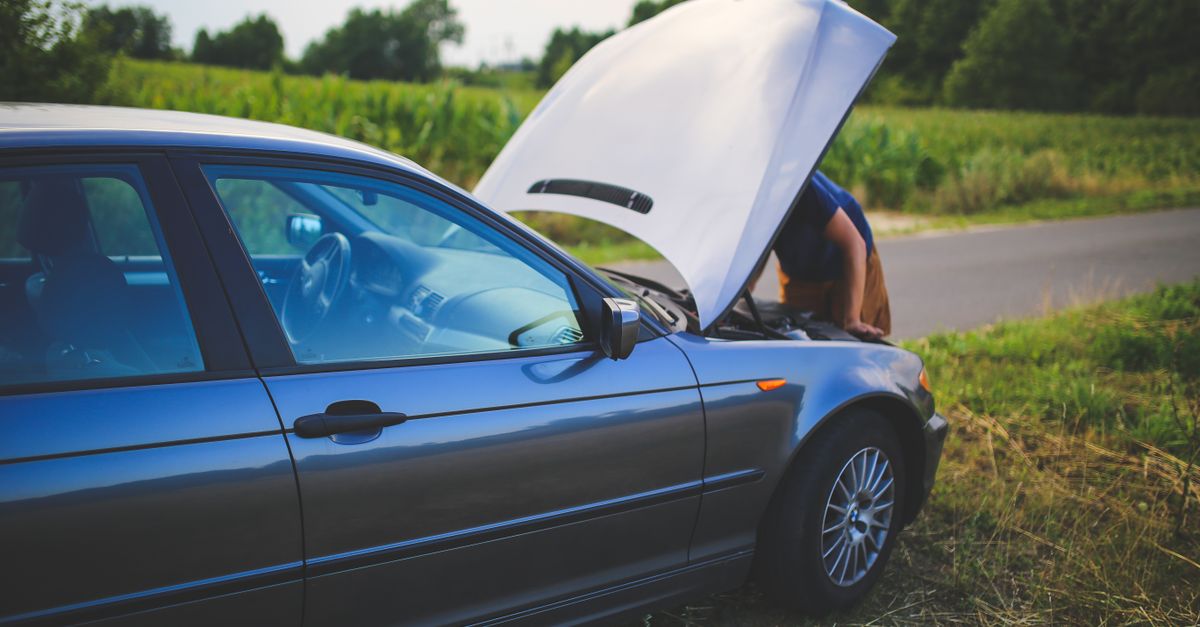
What to Do Immediately When Breaking Down With Kids in the Car
Your engine dies on the highway. Kids are asking questions. Your heart's racing. First, breathe. You've got this.
Turn on your hazard lights right now. This tells other drivers you're in trouble. Then steer to the shoulder or a safe spot away from traffic. Stop the engine.
Keep everyone inside the vehicle with doors locked. This is critical. Your car is safer than standing on the roadside. Children should stay buckled in their car seats or seatbelts.
Check your phone. Do you have signal? Call 911 if you're on a major highway or unsafe area. Call your roadside assistance provider (AAA, your car insurance company, or find towing services near you) if you're in a safer location.
Have your exact location ready. If you don't know where you are, look for mile markers, street signs, or use your phone's GPS. Tell the dispatcher clearly.
How to Keep Kids Calm During a Vehicle Breakdown
Kids pick up on your stress instantly. If you're panicked, they panic. Your calm voice is your best tool right now.
Explain what's happening in simple words. "The car needs a little rest. A helper is coming to check it out." Don't say "the car is broken" — that scares them.
Keep them entertained while you wait. Play games, sing songs, or tell stories. Bring out snacks if you have them. Make it feel like an unexpected adventure, not a crisis.
Stay in the vehicle with the air conditioning on if the engine can run safely. If the engine won't start, crack windows slightly for fresh air. Never leave kids unattended to stand outside.
Reassure them that help is on the way. Use simple language. "The tow truck driver is coming to help us."
Pet Safety When Your Car Breaks Down
Pets get stressed during breakdowns too. Keep your dog or cat inside the vehicle with you.
Never leave a pet alone in a car, especially on warm days. Even cracked windows aren't enough. Temperature rises fast, and pets overheat quickly.
If you have water in the car, offer it to your pet. Keep them calm and close to you. Pets respond to your energy — stay relaxed.
When the tow truck arrives, let the driver know you have a pet. Some towing companies can accommodate pets during transport. Ask before they load your vehicle.
If your pet seems injured or extremely stressed, mention this to the tow operator. They can help you get to an emergency vet if needed.
Essential Items to Keep in Your Car With Kids
Preparation prevents panic. Stock your vehicle now for emergencies.
Emergency Kit Essentials
- First aid kit with bandages and pain reliever
- Bottled water and non-perishable snacks
- Blanket or emergency heat reflector
- Flashlight with extra batteries
- Phone charger or portable power bank
- Jumper cables and basic tools
- Paper and crayons for kids to draw
- Small toys or travel games
- Pet treats if you travel with animals
- Tissues and hand sanitizer
Keep a printed list of emergency numbers. Your roadside assistance provider. Your insurance company. Your pediatrician. Store these in your glove box.
Should You Call 911 or a Towing Service?
Not every breakdown needs 911. Here's how to decide.
Call 911 if: You're on a busy highway and can't safely pull over. Your car is in an unsafe location. You smell smoke or see flames. You or your kids feel sick or injured. You're stranded in extreme weather.
Call roadside assistance if: You're safely pulled over. Your car won't start but there's no emergency. You need a tow to a repair shop. You have AAA, roadside coverage through insurance, or a roadside membership.
Most breakdowns with kids don't require 911. They require a tow. Check your insurance policy — many include roadside assistance. If not, consider adding it. It's worth the peace of mind when you're traveling with family.
How Long Until a Tow Truck Arrives?
Wait times vary wildly. Urban areas might see a truck in 20 minutes. Rural roads could take 45 minutes to over an hour.
Always ask the dispatcher for an estimated arrival time. It helps you manage expectations and keep kids calm.
In the meantime, stay in the vehicle. Keep the air on if it's safe. Stay off the phone unless necessary. Make sure kids understand help is coming.
If the wait is extremely long and you feel unsafe, ask the dispatcher if you should call back or move to a safer location. They'll guide you.
Preparing Your Kids Before Travel
The best time to prepare is before you hit the road.
Talk to your kids about what happens if the car breaks down. Keep it simple and non-scary. "Sometimes cars need a rest. If that happens, we stay in the car and call for help. It's like calling a friend to pick us up."
Let them know what to expect. "A big truck will come. It hooks to our car and takes us to the repair shop." Show them pictures of tow trucks online if they're curious.
Practice staying calm together. Teach them to take deep breaths. This isn't just for breakdowns — it's a life skill.
Make sure they know your phone number or how to tell someone where they are. Older kids should understand basic emergency info.
Roadside Safety Rules for Families
When a tow truck arrives, follow these safety steps.
During the Towing Process
- Stay inside your vehicle unless the driver tells you it's safe to exit
- Keep kids buckled in at all times
- Don't let kids wander near the tow truck or other traffic
- Ask the driver before your kids ask questions
- Verify the driver's identification and company name
- Take photos of your vehicle before towing begins
- Get a receipt or confirmation number
- Ask about pet transport before your pet gets loaded
Talk to the tow truck driver. Most are happy to explain what they're doing. Kids are less scared when they understand. Let them watch (safely) if possible.
Never let kids exit the vehicle near traffic or the tow truck. Keep them close during the entire process.
Understanding Towing Costs and Coverage
Wondering who pays? It depends on your coverage.
AAA membership includes $75 to $200 in free towing annually. Your auto insurance might include roadside assistance. Check your policy.
If you don't have coverage, towing costs $100 to $300 for the first 5-10 miles, then $2 to $4 per mile after that. Long-distance towing costs more.
When you call for help, ask about costs upfront. Most reputable companies quote prices before they start. For detailed pricing in your area, check out our complete towing cost guide.
Prices from providers like AAA, State Farm, GEICO, and Progressive are current as of 2026. We're not affiliated with these companies.
What If Your Car Overheats With Kids Inside?
Overheating is serious. Your engine temperature warning light comes on. Steam might appear under the hood.
Stop immediately in a safe location. Turn off the air conditioning and turn on the heat — this pulls heat away from the engine. Turn off the engine.
Do not open the hood. The radiator is extremely hot and can cause burns.
Call for roadside assistance right away. Don't try to drive to a repair shop. Overheating can cause engine damage.
Keep kids calm inside the car. Crack windows for air if needed. Turn on the radio to keep them distracted. Wait for the tow truck.
Preventing Breakdowns When Traveling With Kids
An ounce of prevention beats hours of stress on the roadside.
Before any long trip, get your car serviced. Check oil, coolant, tire pressure, and battery condition. Replace worn windshield wipers.
Keep up with regular maintenance. Oil changes, fluid checks, and brake inspections prevent most breakdowns. A well-maintained car rarely leaves you stranded.
Check your tire tread and condition. Worn tires cause blowouts. Underinflated tires cause overheating.
Fill up your gas tank before long drives. Never run below a quarter tank. This prevents fuel pump problems and gives you options if something goes wrong.
Have your battery tested if it's over three years old. Dead batteries are the most common breakdown cause.
Pack your emergency kit before you leave. Don't think you'll grab it "next time."
Finding Reliable Towing Services in Your Area
When breakdown happens, you need a company you can trust with your family.
Look for licensed, insured towing companies. Check reviews on Google and Yelp before you need them. Read what other parents say about their experience.
Ask about their response times. Do they operate 24/7? Can they handle special situations like pets or multiple kids?
Call your insurance company and ask which towing networks they recommend. They've vetted these companies already.
Consider joining AAA or a roadside assistance membership. For $54 to $150 per year, you get peace of mind knowing help is one call away. That's cheaper than one unexpected tow.
When you're ready to find local providers, find towing services near you on USA Tow Finder. We list vetted, professional companies across the country.
Special Considerations for Long Drives With Family
Road trips with kids require extra planning.
Plan your route ahead of time. Know where rest stops and repair shops are located. Program them into your phone's GPS.
Tell someone where you're going and when you expect to arrive. This is especially important on remote routes.
Schedule breaks every 2 hours. Kids need to stretch. You need to check your vehicle. This is also safer — fatigue causes accidents.
Travel during daylight when possible. Breakdowns are scarier at night. You're more visible to other drivers during the day.
Have snacks and water ready. Hungry, thirsty kids get cranky fast. This makes breakdowns feel worse.
Keep your phone charged. A dead phone during a breakdown is a real emergency. Invest in a car charger.
FAQ: Common Questions About Breakdowns With Kids
Parents ask us the same questions over and over. Here are real answers.
Q: Is it safe to stay in the car during a breakdown?
A: Yes. Your car is safer than standing on the roadside near traffic. Keep doors locked and stay inside unless a professional tells you otherwise.
Q: How do I keep my toddler calm during a long wait?
A: Bring activities — coloring books, small toys, audiobooks, or music. Snacks help too. Keep your voice calm and reassuring. Kids mirror your emotions.
Q: What if my car breaks down in extreme heat?
A: Turn on the air conditioning if the engine is running. If the engine is off, crack windows slightly and turn on the radio. Never leave kids unattended. Drink water if you have it. Call for help immediately.
Q: Can I drive to a repair shop instead of calling a tow truck?
A: Only if the car is drivable and you're close to a shop. If you're not sure, don't risk it. A breakdown on the highway with kids is more dangerous than waiting for a tow.
Q: What should I do if my pet gets stressed during the tow?
A: Keep your pet close to you. Speak calmly. Bring their favorite toy or blanket. Tell the tow driver about your pet's condition. They can often accommodate pets in the cab during transport.
Q: How much will the tow cost if I don't have roadside assistance?
A: Most tows cost $100 to $300 for short distances. Long-distance towing can cost much more. Ask for a quote before authorizing the tow. Check our state towing rate guide to understand what's legal in your area.
Q: Should I join AAA or get roadside assistance through my insurance?
A: Yes, absolutely. For $50 to $150 per year, you get professional help and peace of mind. When you're traveling with kids, it's one of the best investments you can make.
Q: What if I'm stranded in an unsafe location?
A: Call 911 first. Tell them you're stranded with children. They can send police for safety while you wait for a tow. Don't try to walk for help or flag down strangers.
Q: Can the tow truck driver help me get to a hospital if my child gets sick?
A: Call 911 if it's a medical emergency. The tow driver can help in minor situations, but medical emergencies need ambulances. The tow driver will wait for you to get help first.
Your Action Plan: Breakdown Preparedness Checklist
Don't wait for a breakdown to get ready. Use this checklist now.
This Week
- Check your auto insurance policy for roadside assistance
- Join AAA or another roadside service if not covered
- Program emergency numbers into your phone
- Schedule a car maintenance appointment
- Pack an emergency kit in your vehicle
This Month
- Get your car serviced (oil, fluids, battery check)
- Test your spare tire and jack
- Take photos of your insurance card and policy
- Talk to your kids about what happens during a breakdown
- Research towing companies in your area on USA Tow Finder
Before Every Long Trip
- Fill your gas tank
- Check tire pressure and condition
- Charge your phone and bring a car charger
- Pack snacks, water, and entertainment for kids
- Tell someone your route and expected arrival time
- Review your emergency kit and replace old items
Preparation takes an hour now. It saves hours of stress later.
Frequently Asked Questions
Need Emergency Towing Services?
Don't wait when you're stranded. Get professional help now.
Find Trusted Towing Services Near You


Discussion (0)
Be the first to comment!
Share your experience or ask questions about towing services.