

Understanding Your Situation When a Car Gets Towed
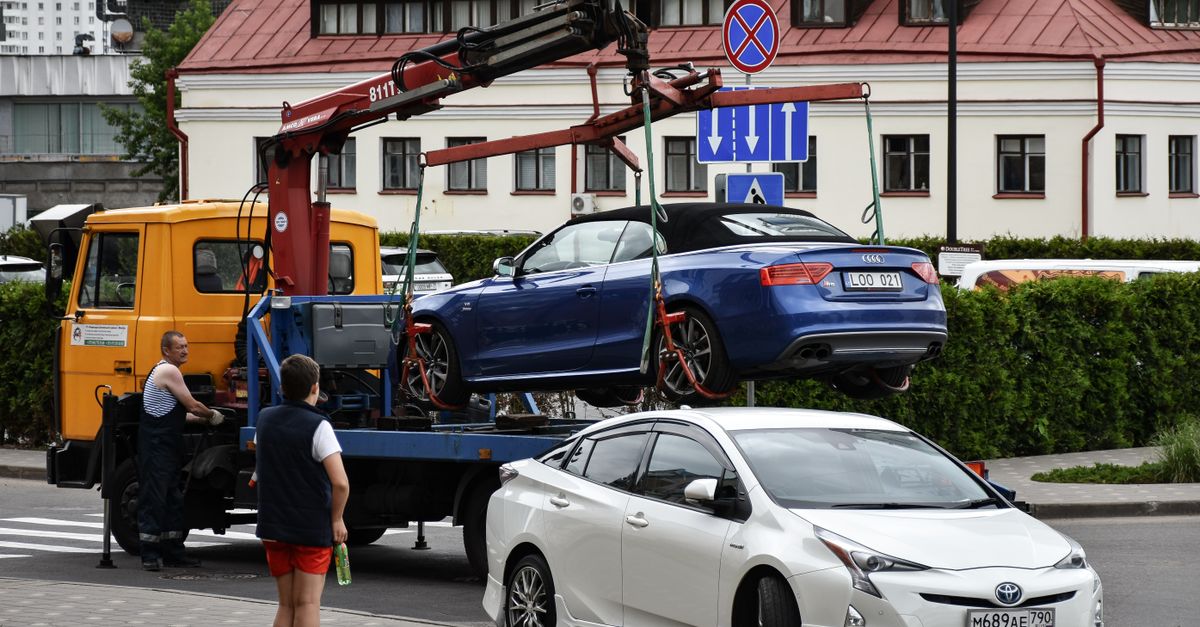
Your car got towed. You don't have the money to pay. This is stressful, but you're not alone—thousands of people face this every year.
The first thing to know: you have time. You have options. And some of those options don't require you to have cash right now.
Storage fees add up fast. Most tow yards charge $25 to $50 per day for storage. After a week, you're looking at $175 to $350 extra. So speed matters, but desperation won't help you negotiate better.
The emotional impact of a tow can be overwhelming. You might feel embarrassed, angry, or trapped. These feelings are valid, but they shouldn't paralyze you. The good news is that tow situations are highly recoverable with the right approach. Thousands of people successfully retrieve their vehicles each year through negotiation, assistance programs, or legal remedies. Your next steps matter more than how you got here.
How Much Will You Actually Owe?
Before you can solve this, you need to know exactly what you're paying for.
Towing costs vary wildly by location and situation. Here's the breakdown:
- Basic tow: $75 to $150
- Long-distance tow: $2 to $4 per mile after first 5-10 miles
- Impound/storage: $25 to $50 per day
- Administrative fees: $25 to $100
- Late fees: Sometimes added after 30 days
- Gate fees: $10 to $25 to enter the impound lot
- Inventory fees: $15 to $35 for documenting your vehicle's condition
Your total could be anywhere from $150 to $500+ depending on how long your car sits.
For specifics on what you owe, check your state's laws. Our Maximum Towing Rates by State 2026 guide shows legal limits in your area. Some states cap what tow companies can charge. California, for example, caps private property tows at $150 for the initial tow plus $35 per day storage. Texas allows up to $300 for the initial tow. Knowing your state's limits is crucial because you can challenge charges that exceed them.
Call the Tow Yard First—Ask About Payment Plans
This is your first move. Most tow yards will work with you if you call within the first few days.
Here's what to do:
- Find which tow yard has your car. Call your local police non-emergency line or check the city's impound lot list.
- Call the tow yard directly. Ask to speak with a manager, not the desk person.
- Be honest: "I want to get my car back, but I need a payment plan."
- Offer what you can afford—even $50 this week, $50 next week.
- Get the agreement in writing via email.
Why this works: Tow yards make money on storage fees. They'd rather get some money now than have your car rot in their lot for months. A vehicle sitting for six months costs them space they could rent to paying customers.
Many yards will release your car for the tow fee alone if you can pay that upfront and set up a payment plan for storage. Some managers have discretion to waive or reduce fees for hardship cases. The worst they can say is no—and many will say yes if you ask respectfully and demonstrate genuine intent to pay.
Check If Your Insurance Covers Towing Costs
You might already have coverage you don't know about.
Check these policies:
- Auto insurance: Many policies include roadside assistance towing (usually $50 to $200 per incident).
- AAA membership: Covers $100 to $500 in towing depending on your membership level.
- Credit card: Some premium cards offer roadside assistance.
- Employer benefits: Ask your HR department—some companies offer roadside assistance.
- Bank account perks: Certain checking accounts include roadside assistance.
- Rental car company membership: Some offer towing benefits.
- Roadside assistance apps: Services like GasBuddy+ and others offer towing coverage.
Call your insurance company today. Ask: "Do I have towing coverage?" Be specific about your situation. Explain that your car was towed and ask if the policy covers impound recovery. Some policies specifically exclude impound situations, while others cover them. You won't know until you ask.
Learn more about what's covered in our Towing Insurance Coverage Guide.
Challenge an Illegal Tow—Get Your Car Back Free
Not all tows are legal. If yours wasn't, you owe nothing.
Your tow was probably illegal if:
- You parked legally but the lot had no visible "No Parking" sign.
- You were parked on your own property or someone gave you permission.
- The tow company didn't post required notices before towing.
- Your car was towed without a police order and you weren't blocking anything.
- The tow yard can't prove they notified you within required timeframe.
- The "No Parking" signs didn't meet your state's size and visibility requirements.
- You were towed from a public street without proper authorization.
To fight an illegal tow:
- File a complaint with your state's attorney general's office.
- Send a formal demand letter to the tow company asking for refund of all fees.
- Contact your local police department and ask if the tow was authorized.
- Keep all documentation—photos, receipts, witness statements.
- Request copies of the tow authorization from the property owner or police.
Check your state's specific laws. Our Towing Laws by State guide explains your rights and what tow companies must do legally.
Many illegal tows get reversed without you paying a dime. In fact, some people recover damages for illegal towing. Document everything about your situation—where you parked, whether signs were visible, the time you parked, and any witnesses.
Ask Family or Friends for a Loan
This is uncomfortable. Do it anyway.
Your car impacts your life—getting to work, doctor appointments, caring for family. A short-term loan from someone you trust might be the fastest solution.
Here's how to ask:
- Be direct: "I need a loan for $300 to get my car back. I'll pay you back by [specific date]."
- Offer a written agreement, even informal.
- Set a realistic repayment timeline.
- Follow through exactly as promised.
- Consider offering small interest (even 1-2%) to show good faith.
This preserves your relationship and your vehicle. Many people who have been in your situation say that asking family was the fastest resolution. Even if someone can only loan you part of the amount, that reduces your burden and buys you time to find the rest.
Explore Nonprofit Assistance Programs
Some nonprofits help people in your exact situation.
Search for these resources:
- Catholic Charities: Offers emergency financial assistance in many areas.
- Salvation Army: Provides emergency aid and sometimes vehicle assistance.
- 211.org: Search your area for local nonprofits that help with emergency expenses.
- Local community action agencies: Many cities have these—they help low-income residents.
- Faith-based organizations: Churches, temples, and mosques often have emergency funds.
- United Way: Connects you to local assistance programs.
- Local government emergency assistance: Some cities have emergency funds for residents in crisis.
Call ahead. Explain your situation. Most will help if you qualify. Many don't require you to be a member of their faith. Emergency assistance programs exist specifically for situations like yours—unexpected financial crises that threaten your ability to function in daily life.
Negotiate Directly With the Tow Company
Tow yards are businesses. They negotiate.
Here's your approach:
- Request a manager. Explain you want to pay but need flexibility.
- Ask for a reduced total. Some yards will drop the storage fee if you pay the tow fee immediately.
- Propose a specific payment plan with dates and amounts.
- Ask if they'll release your car once you pay the tow (not the full storage).
- Request written confirmation of any agreement.
- Ask about hardship discounts or fee reductions.
Pro tip: Offer cash payment for a discount. Many yards prefer immediate payment and will reduce your total by 10-20% for cash. If you're negotiating, be respectful but firm. Tow yard managers deal with upset people all day—being calm and solution-focused makes them more willing to work with you.
You might save 20% to 40% of the total bill through negotiation. Some people have successfully negotiated totals down from $600 to $400 or more.
Look Into Hardship Programs and Payment Options
Some larger tow companies and cities have formal hardship programs.
Ask about:
- Hardship waivers: Complete or partial fee forgiveness based on income.
- Payment plans: Spread payments over weeks or months.
- Fee reductions: Discounts for seniors, disabled people, or low-income drivers.
- Work-off programs: Some impound lots let you work off part of your debt.
Contact your city's transportation or police department. Ask if they offer any assistance programs. Many municipalities have established these programs specifically because they recognize that towing creates genuine hardship. Some cities have even implemented caps on storage fees or mandatory fee reductions after certain periods to prevent predatory practices.
Use a Gig Economy Job to Earn Quick Cash
You need money fast. Gig work can help.
Consider:
- DoorDash, Uber Eats, Instacart: Earn $15 to $25 per hour on your own schedule.
- TaskRabbit: Do odd jobs—earn $20 to $60 per task.
- Fiverr or Upwork: Freelance work if you have skills.
- Plasma donation: Donate plasma, earn $50 to $100 per donation.
- Online surveys: Not fast money, but every bit helps.
- Sell items: Facebook Marketplace, OfferUp, or eBay for things you don't need.
- Pet sitting (Rover): Earn $20-$50+ per day.
- House sitting: Can earn $30-$100+ per day.
You could raise $200 to $300 in one week if you're aggressive about it. The advantage of gig work is that you can start immediately—many apps approve you within 24-48 hours. Even if you only work a few hours, every dollar gets you closer to retrieving your vehicle.
Understand Storage Fees and Time Limits
Every day your car sits, you owe more money. But there are legal limits.
Most states require:
- Tow yards must notify you within 24 to 72 hours.
- You have 30 to 90 days to claim your vehicle before they can sell it.
- Storage fees are capped at $25 to $50 per day in many states.
- Tow yards cannot charge excessive fees to pressure you into abandoning your car.
Check your state's laws. Our Towing Storage Fees guide breaks down limits by state.
Action item: Know your deadline. Act before your car becomes the tow yard's property. Once they sell your car, you lose it permanently and may face additional debt collection for any remaining balance owed.
Know Your Rights as a Vehicle Owner
You have protections even when you can't pay immediately.
Tow companies cannot:
- Charge more than your state's legal limits.
- Refuse to release your car without proper notice and time.
- Add surprise fees not disclosed upfront.
- Sell your car without following state procedures.
- Require you to pay for services you didn't authorize.
If a tow company violates these rules, you may have a legal claim.
Read our full Car Got Towed guide for your complete rights. Also check Your Rights During a Tow for consumer protections.
Step-by-Step Action Plan: What to Do Today
Don't wait. Here's your roadmap:
- Today: Call the tow yard. Confirm your car is there. Get the exact total owed.
- Today: Check your insurance policy for towing coverage.
- Today: Ask friends or family for a loan.
- Tomorrow: Contact nonprofits or community assistance programs.
- Tomorrow: Call the tow yard manager. Propose a payment plan.
- This week: Start gig work if needed. Sign up for DoorDash or TaskRabbit.
- This week: Research your state's towing laws. Verify your tow was legal.
- Within 7 days: Make your first payment or reach an agreement in writing.
Speed is your advantage. The longer you wait, the more you owe.
Common Mistakes to Avoid
Learning from others' mistakes can save you time, money, and stress.
Don't make these errors:
- Waiting too long to act: Every day adds storage fees. Call immediately.
- Ignoring the deadline: You have 30-90 days before they can sell your car. Mark your calendar.
- Paying the full amount without negotiating: Always ask if they'll work with you first.
- Not getting agreements in writing: Verbal promises don't protect you. Get email confirmation.
- Abandoning your vehicle: This damages your credit and may result in debt collection.
- Assuming you owe everything they claim: Verify charges against your state's legal limits.
- Not exploring all funding options: Try insurance, nonprofits, and family before giving up.
Frequently Asked Questions
Can I get my car back without paying the full amount? Yes. Many tow yards will release your car for the tow fee alone if you set up a payment plan for storage. Call and ask.
What if I truly cannot afford any payment? File a complaint with your state's attorney general. Explore nonprofit assistance. Negotiate for a hardship waiver. These take time but can work.
How long do I have before they sell my car? Usually 30 to 90 days depending on your state. Check your state's specific law immediately.
Can I get a refund if the tow was illegal? Yes. If your car was towed without legal authorization, you can demand a full refund and file a complaint with your state.
Will the tow show up on my credit report? No. A tow itself doesn't hurt your credit. But unpaid debts sent to collections will.
Can I negotiate the storage fees? Yes. Ask if they'll reduce or waive storage if you pay the tow fee immediately.
What if I don't claim my car? The tow yard can sell it after the state's waiting period. You lose your vehicle and may face debt collection.
Do payment plans get reported to credit agencies? Not if you stick to your agreement. Only unpaid debts get reported.
Can I dispute the charges? Yes. If they're illegal or excessive, file a complaint with your state's attorney general or consumer protection office.
Where can I find the tow yard's legal notice? It should be on your car's window or in police records. Ask the police department for a copy.
Finding Professional Help and Resources
You don't have to handle this alone. Professional resources exist.
Contact:
- Your state's attorney general: File complaints about illegal towing.
- Local legal aid societies: Free legal help for low-income people.
- Consumer protection agencies: They investigate tow company violations.
- Trusted towing providers: Use USA Tow Finder to locate reputable towing services if you need help moving forward.
Many tow-related disputes get resolved through official complaints without going to court.
Prices from providers like AAA, GEICO, Progressive, and State Farm are current as of 2026. We're not affiliated with these companies.
Your situation is temporary. You have options. Act quickly, stay organized, and don't give up.
Frequently Asked Questions
Need Emergency Towing Services?
Don't wait when you're stranded. Get professional help now.
Find Trusted Towing Services Near You
Discussion (0)
Be the first to comment!
Share your experience or ask questions about towing services.