
What Are Your Basic Rights During an Active Tow?
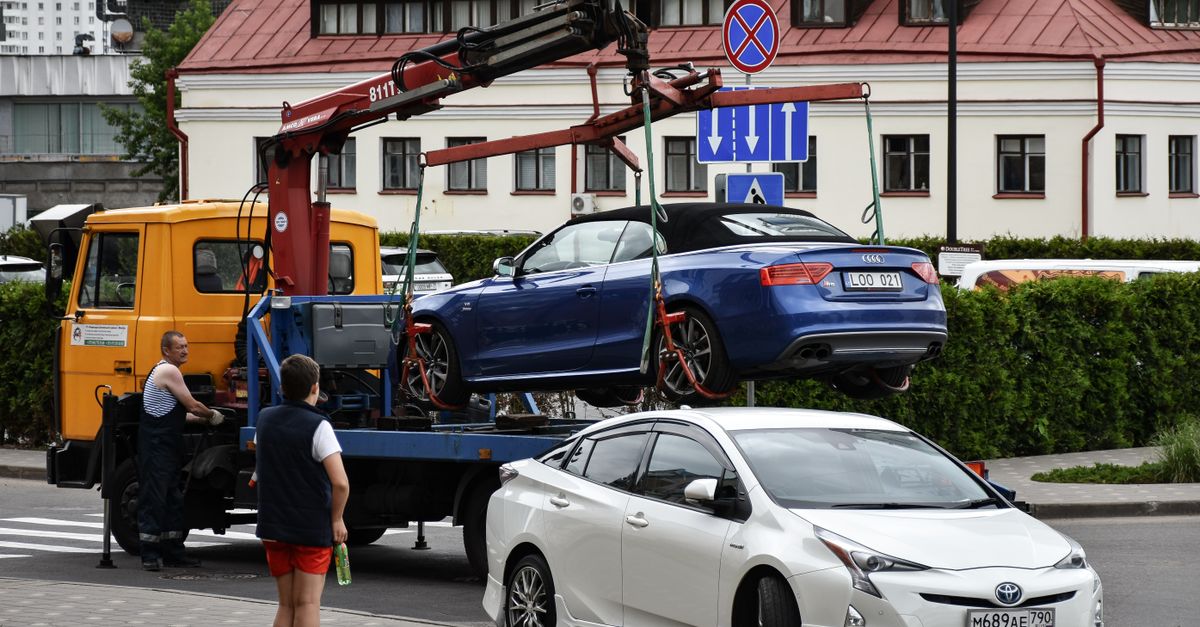
When a tow truck arrives at your vehicle, you have real protections. You're allowed to watch the towing process happen. You can ask the operator for their company name, credentials, and authorization. The tow company must tell you where they're taking your car.
You also have the right to know the cost before it happens. Most states require tow companies to post their rates publicly. Never pay until you understand the full charges. This is your money, and you deserve clarity.
Your vehicle belongs to you, even during the tow. The company must handle it with care. Any damage caused by negligence is their responsibility, not yours. Document everything with photos if possible.
Can You Stop a Tow If You're Present?
This depends on why your car is being towed. If it's an authorized tow (you called them or your insurance did), you can cancel most of the time. Just ask before they hook up your vehicle.
If it's an unauthorized tow, stopping it gets trickier. Police-ordered tows generally can't be stopped once dispatch is made. Same with tows from private property with proper notice posted. But if the tow company can't prove authorization, you may have grounds to stop it.
The key: ask questions immediately. Don't wait until your car is halfway hooked up. Check the tow operator's paperwork. Legitimate companies carry written authorization or court orders.
What Documentation Should You Request?
Always ask for written proof of why your car is being towed. This might be a police report number, a private property parking violation notice, or a repossession order.
Get the tow company's license number and business name. Write it down or take a photo of their truck. Ask for a receipt showing the tow company's contact information, the date, time, and location.
Request the itemized cost breakdown. You should know the base tow fee, any mileage charges, and storage fees. Don't accept verbal estimates. Get everything in writing before or immediately after the tow.
How Much Can Tow Companies Legally Charge?
Tow rates vary wildly by state. Some states cap maximum charges. Others let companies set their own prices. Your state's regulations matter here.
Standard tow fees typically range from $75 to $150 for local tows. Long-distance tows cost more, usually $2 to $4 per mile. Specialty services (flatbed, heavy-duty) add $50 to $200 extra.
Storage fees are where costs explode. Many companies charge $25 to $50 per day. Some charge more. Check your state's limits on storage fees. Many states cap what companies can charge daily. Towing Storage Fees: Legal Limits by State 2026 has state-by-state breakdowns.
What Protections Do You Have Against Illegal Tows?
An illegal tow happens when a company takes your car without proper authorization. This violates your property rights. You have strong legal protections here.
Improper notice is common. Private property tows require visible signage warning about towing. The sign must clearly show the property owner's information and the towing company. If there's no sign, the tow might be illegal.
Police-ordered tows need valid documentation. They can't tow your car just because an officer says so. There must be a legitimate reason: abandoned vehicle, traffic violation enforcement, or court order. If you believe the tow was illegal, contact the police department and file a complaint.
Repossession has strict rules too. The company must have a valid contract. They generally can't breach the peace (enter your garage without permission, damage your property). If they did, you may have a civil claim against them.
What Should You Do If You Witness the Tow?
First, stay calm and safe. Don't interfere with the operator's work. You can observe, but don't touch equipment or block the truck.
Document everything. Take photos of your car before it's hooked up. Get shots of the tow truck, the operator's ID, and any signage at the location. Record the time and date. This evidence helps if you need to dispute charges later.
Ask questions politely. Get the operator's name, company name, and phone number. Ask where they're taking your car. Find out the estimated cost. Request their license number. Take a photo of their business card if they have one.
Don't sign anything you don't understand. Some operators push you to sign releases. Don't do it. You can sign for receipt of your vehicle, but that's it. Never waive your right to dispute charges.
How Do You Recover Your Towed Vehicle?
Time matters here. The sooner you retrieve your car, the less storage fees you'll pay. Most impound lots charge daily, so delay is expensive.
Find your vehicle first. Call the towing company or check with local police if it's a police-ordered tow. Ask about their hours and payment methods. Some only accept cash. Others take cards.
Bring proof of ownership. You'll need your driver's license and vehicle title or registration. Some lots also want proof of insurance. Call ahead to confirm what they need.
Pay only legitimate charges. Review the itemized bill before handing over money. If you see errors, question them. Don't pay for damage you didn't cause. If you disagree with charges, you can file a dispute with your state's consumer protection office.
Get a receipt for everything you pay. Keep copies of all paperwork. This protects you if you need to file a claim with your insurance or pursue legal action.
What If the Tow Company Damaged Your Vehicle?
Document damage immediately. Take clear photos of dents, scratches, broken parts, or anything else wrong with your car. Do this before you leave the lot. The tow company might claim the damage was pre-existing.
Report the damage in writing to the towing company. Send an email or certified letter describing what happened. Include photos. Ask them to cover repair costs. Keep copies of all correspondence.
Get repair estimates from mechanics. Get at least two quotes for the damage. These numbers support your claim. Send them to the tow company as proof of how much repairs cost.
If the company refuses to pay, you can file a small claims court case. You can also report them to your state's consumer protection agency or attorney general. Some states let you file complaints with the towing board or licensing authority.
Your insurance might cover tow-related damage. Check your policy. Some policies include coverage for damage during towing. Towing Insurance Coverage Guide: What's Covered and What's Not explains your coverage options.
How Do State Towing Laws Vary?
Every state has different rules. What's legal in one state might be illegal in another. This matters for your rights.
Some states require tow companies to be licensed and bonded. Others don't. Licensed companies must follow stricter rules. They can be fined or lose their license if they break the law.
Notice requirements differ. Many states demand visible signage on private property. Some require written notice before towing. A few states let companies tow with minimal warning.
Fee caps vary too. States like California have strict limits on what companies can charge. Other states let companies charge whatever they want. Check Towing Laws by State: Your Rights & Protection Guide 2026 for your specific state's rules.
Repossession laws differ significantly. Some states require lenders to give you notice before repossessing. Others don't. Some protect your personal belongings inside the car. Others don't.
What Rights Do You Have With Police-Ordered Tows?
Police tows happen for specific reasons. Your car might be abandoned, involved in a crime, or blocking traffic. Police can't tow your car just because they feel like it.
You have the right to know why your car was towed. Contact the police department and ask. Get the officer's name and badge number. Request a written report. This explains the legal basis for the tow.
You can challenge the tow if it was improper. If police had no legal reason to tow your car, you may have a civil claim. Contact a lawyer to discuss your options.
Police tows usually go to authorized impound lots. These lots must follow state rules. They can't charge unlimited storage fees. They must release your car once you pay legitimate charges and prove ownership.
Can You File a Complaint Against a Towing Company?
Yes, and you should if something went wrong. Start with your state's consumer protection office. They handle complaints about towing companies.
Document everything first. Write down dates, times, names, and what happened. Include photos and receipts. The more details you provide, the stronger your complaint.
File with your state's attorney general. Many have dedicated towing complaint lines. Send copies of all paperwork. Explain how the company violated your rights.
Report to your state's towing board if one exists. Some states regulate towing through a licensing board. They can investigate and fine companies that break rules.
File a complaint with the Better Business Bureau. This creates a public record. It might warn other consumers about bad companies.
Consider small claims court if money is involved. You can sue for damages, overcharges, or towing fees you shouldn't have paid. Small claims is fast and you don't need a lawyer.
What Should Be in Your Towing Rights Checklist?
Keep this checklist handy. If your car gets towed, use it to protect yourself.
- Ask for written proof of authorization before the tow happens
- Document the tow company's name, license number, and phone number
- Take photos of your vehicle, the tow truck, and any signage
- Get the operator's name and company information
- Find out the destination and estimated cost
- Request an itemized bill before paying
- Never sign documents you don't understand
- Inspect your car for damage before leaving the lot
- Get a receipt for all payments
- Keep copies of all paperwork and photos
- Report damage or illegal towing to authorities
- File complaints if your rights were violated
Where Can You Find Help With Towing Disputes?
You're not alone if you have a towing problem. Several resources can help you.
Your state's attorney general handles consumer complaints. Most have websites where you can file online. They investigate complaints and can take action against bad companies.
Consumer protection agencies exist in most states. They specialize in handling disputes. Many offer free mediation services.
Legal aid organizations help low-income people. They might represent you in small claims court if you can't afford a lawyer. Search "legal aid" plus your state name.
The Better Business Bureau mediates disputes. They contact the company on your behalf. Many businesses work with BBB to resolve complaints.
A personal injury or consumer law attorney can help with major cases. They work on contingency (no upfront cost). You only pay if you win. Most offer free consultations.
You can also find trusted towing providers on USA Tow Finder if you need reliable service. We verify companies in our directory.
Frequently Asked Questions About Driver Rights During Towing
Here are answers to questions people ask about towing rights.
Can a tow company keep my car if I can't pay the full bill? No, not indefinitely. Most states have laws against holding vehicles hostage. After a certain period (usually 30-60 days), the company must release your car or sell it at auction. Even then, you're entitled to any money left over.
What if personal items are in my car when it gets towed? The tow company is responsible for your belongings. If items go missing, you can file a claim. Get a police report and document what was inside. Keep receipts for valuable items.
Do I have to use the tow company the property owner chose? Usually yes, if it's a private property tow. But you can request a different company. Some property owners or police will accommodate this. Ask politely. Don't assume you have no choice.
Can I dispute charges on my credit card? Yes. If you believe the charges are fraudulent or excessive, contact your credit card company. File a dispute. They'll investigate and may reverse the charges while they look into it.
What if the tow company has a lien on my car? A lien means they claim the right to keep your car until you pay. This is legal in some situations (unpaid towing bills, storage fees). But they can't hold your car forever. Pay what you legally owe and demand release of the vehicle.
Are tow companies required to have insurance? Requirements vary by state. Some states mandate insurance. Others don't. Licensed companies usually have it. Ask before using any tow company. Their insurance protects you if they damage your vehicle.
Can I record the towing process? Yes, you have the right to record on public property. If you're on private property, ask permission first. Keep your recording for evidence if you need to dispute charges or file a complaint.
What if the tow company won't give me a receipt? Demand one. A receipt is proof of payment. Without it, you have no proof you paid. The company must provide an itemized receipt. If they refuse, that's a red flag. Report them to your state's consumer protection office.
How long can a company store my car? This depends on state law. Most states allow 30-90 days before the company can sell your car. But you're responsible for storage fees during this time. The sooner you retrieve your car, the less you'll pay.
What if I was illegally parked but the tow was still improper? Illegal parking might justify a tow, but improper procedure doesn't. If the company failed to post proper signage or didn't follow state procedures, you might have a claim. Consult a lawyer about your specific situation.
Key Takeaways for Protecting Your Rights
Your rights as a vehicle owner don't end when a tow truck shows up. You have legal protections in every state. Know them and use them.
Always ask for proof of authorization. Watch the towing process if you can. Document everything with photos and notes. Get all charges in writing before you pay.
Understand your state's towing laws. They're your shield against illegal or unfair practices. Private Property Towing Laws by State: Your Rights Guide 2026 breaks down specific rules by location.
Don't pay without understanding the charges. Review itemized bills carefully. Question anything that seems wrong. You can dispute charges later if needed.
Report violations immediately. Contact your state's consumer protection office, attorney general, or towing board. The more complaints a company gets, the more likely authorities will investigate.
If you need a tow, choose wisely. How to Choose a Reliable Tow Truck Company: Expert Guide 2026 helps you pick trustworthy providers. Or find vetted companies on USA Tow Finder.
Remember: your car is your property. Tow companies are service providers, not owners. Treat them with respect, but don't let them push you around. Know your rights and stand up for them.
Disclaimer: Prices from providers like AAA, GEICO, Progressive, and State Farm are current as of 2026. We're not affiliated with these companies. Towing laws change frequently. Always check your specific state's current regulations before assuming what's legal in your area.
Frequently Asked Questions
Need Emergency Towing Services?
Don't wait when you're stranded. Get professional help now.
Find Trusted Towing Services


Discussion (0)
Be the first to comment!
Share your experience or ask questions about towing services.