
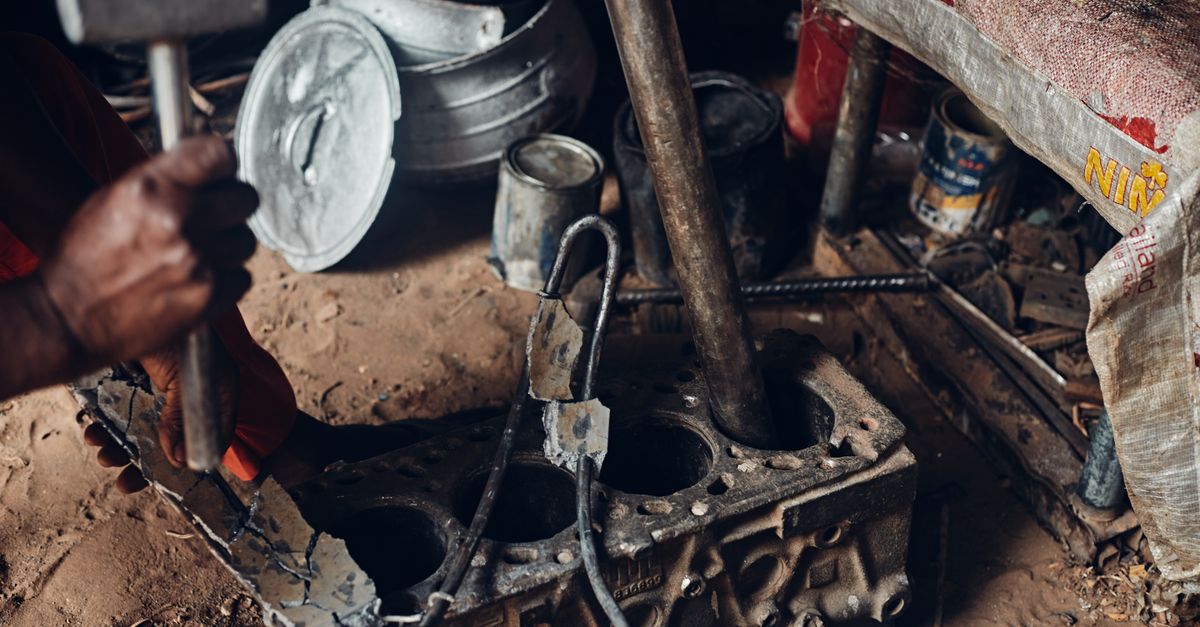
What Does Engine Overheating Mean?
Your engine runs hot by design. But there's a big difference between normal operating temperature and overheating.
Normal engine temps sit between 195°F and 220°F. When your coolant system works right, fans kick in automatically. Temperature stays steady.
Overheating happens when your engine exceeds 220°F. Your temperature gauge climbs into the red zone. Warning lights flash. This is dangerous territory.
Here's the thing: an overheating engine can fail in minutes. Pistons warp. Cylinder heads crack. Gaskets blow. Engine damage gets expensive fast — sometimes $4,000 to $8,000+ in repairs.
That's why knowing what to do matters. Quick action saves your engine and your wallet.
What Are the First Warning Signs of Overheating?
Your car sends signals before total failure. Pay attention to these red flags.
Dashboard Warning Lights
- Temperature gauge climbing toward the red zone
- Engine temperature warning light illuminating
- Check engine light turning on
Physical Signs You Can Feel and See
- Burning smell from under the hood
- Steam rising from the engine bay
- Sweet or acidic odor (coolant leak)
- Hissing sounds from the radiator area
- Loss of power while accelerating
- Rough idle or engine knocking
What About Your AC?
Your air conditioner puts extra load on the engine. When temps spike, your AC is often the first thing to fail. If cold air suddenly stops blowing, overheating might be next.
Don't ignore these signs. Act immediately.
Engine Overheating: What to Do in the Next 60 Seconds
You've spotted the problem. Your engine is overheating. Here's your action plan right now.
Step 1: Turn Off the AC
Your air conditioner compressor adds heat load to your engine. Shut it off immediately. This redirects cooling capacity to your engine.
Step 2: Turn On the Heater to Full Blast
Counterintuitive? Yes. But here's why it works: your heater core pulls heat directly from the coolant system. Running the heater at maximum draws heat away from your overheating engine. Open all windows if you're uncomfortable.
Step 3: Shift to Neutral and Coast
Stop accelerating. Shift to neutral if you're on a safe road. Let engine RPMs drop. Less engine work means less heat generation.
Step 4: Find a Safe Spot to Pull Over
Don't panic-brake in traffic. Gradually slow down. Look for a safe shoulder, parking lot, or side street away from oncoming traffic. Safety first.
Warning: Never stop in the middle of a highway or busy intersection. Keep moving until you find safe space.
Should You Pull Over Immediately or Keep Driving?
This depends on how bad the overheating is. Here's your decision tree.
Pull Over Right Now If:
- You see steam pouring from under the hood
- Your temperature gauge is maxed out in the red
- You smell burning rubber or hot metal
- Your engine is making loud knocking sounds
- Coolant is visibly leaking under your car
You Can Drive a Short Distance If:
- Temperature gauge is slightly elevated but not in the red
- You turned off the AC and it's helping
- You're close to a repair shop or safe location
- No steam or strange smells are present
When in doubt, pull over. Driving a few extra miles on an overheating engine can mean the difference between a $300 repair and a $5,000 engine replacement.
Think of it this way: 10 minutes of waiting is worth avoiding catastrophic damage.
What NOT to Do When Your Engine Overheats
Some instincts will steer you wrong. Avoid these common mistakes.
Never Open the Radiator Cap While Hot
This is critical: An overheating radiator is pressurized. Opening the cap releases that pressure instantly. Boiling coolant sprays out at 200°F+. You'll suffer severe burns to your hands, face, and arms.
Wait at least 15-20 minutes after turning off the engine. Let pressure drop. Then open slowly with a thick cloth.
Don't Pour Cold Water on a Hot Engine
Pouring ice-cold water on a hot engine block causes thermal shock. Metal contracts rapidly. You crack the block or cylinder head. Now your engine is ruined.
If you must add coolant, let the engine cool first. Then add coolant slowly to the overflow reservoir (not the radiator).
Don't Keep Driving to "Limp" Home
Pushing an overheating engine to reach your destination is asking for catastrophic failure. The longer you drive, the hotter it gets. Each mile increases damage risk.
Call a tow truck. Seriously. Find towing services near you that can handle your situation safely.
Don't Ignore the Problem and Hope It Fixes Itself
Overheating doesn't magically resolve. Something caused it. A broken thermostat, coolant leak, failed water pump, or radiator clog won't fix themselves.
Ignoring it just means more damage. Get professional diagnosis.
How to Check Your Coolant Level Safely
Once your engine has cooled (at least 15-20 minutes), you can safely check coolant. Here's how.
Step-by-Step Inspection
- Open your hood and locate the coolant reservoir (translucent plastic tank)
- Look at the minimum and maximum fill lines on the side
- If coolant is below the minimum line, you have a leak or evaporation
- Check the ground under your car for puddles (green, orange, or pink liquid)
- Inspect hoses and connections for visible cracks or wet spots
- If coolant is low, add the correct type (check your owner's manual)
- Never open the radiator cap directly — use the overflow reservoir instead
If your coolant keeps dropping between checks, you have a leak. Get it inspected by a mechanic before driving long distances.
Common Causes of Engine Overheating
Understanding the root cause helps you prevent it happening again. Here are the main culprits.
Low Coolant Levels
This is the #1 cause. Leaks in hoses, the radiator, water pump, or thermostat housing drain your system. Without enough coolant, your engine can't shed heat.
Broken Thermostat
Your thermostat regulates coolant flow. When it gets stuck closed, coolant can't circulate. Heat builds up fast. This usually requires replacement — a $150-$400 fix depending on your car.
Failed Water Pump
The water pump circulates coolant. If it fails, coolant stops moving. Your engine heats up immediately. Water pump replacement runs $400-$800 including labor.
Radiator Problems
Clogs, leaks, or damaged fins reduce cooling efficiency. Rusty coolant or mineral buildup blocks passages. Radiator repair or replacement costs $300-$900.
Broken Cooling Fan
Your cooling fan pulls air through the radiator when you're stopped. If it fails, no air flows. Stuck in traffic? Your engine overheats fast. Fan replacement is $200-$500.
Worn Serpentine Belt
This belt drives your water pump. If it's cracked or slipping, the pump doesn't work properly. Belt replacement costs $150-$300.
Most of these repairs are cheaper than engine damage. Fix them early.
When Should You Call a Tow Truck?
You've pulled over safely. Your engine is cooling. Now what? Here's when professional help is necessary.
Call a Tow Truck If:
- Your engine keeps overheating even after cooling and adding coolant
- You see steam or smoke coming from the engine
- Coolant is visibly leaking under your car
- You hear grinding, knocking, or unusual engine noises
- You're stranded on a highway or in traffic
- You're unsure whether it's safe to drive
- You don't have coolant available and can't reach a store
Towing costs range from $100-$300 depending on distance and your location. That's way cheaper than engine damage. For comprehensive towing information, check out our guide to choosing a reliable tow truck company.
You Might Be Okay to Drive If:
- Temperature gauge returns to normal after cooling
- No steam, smoke, or burning smells
- Coolant level is adequate after refilling
- No visible leaks under the car
- You're driving straight to a nearby mechanic
Even then, drive slowly. Watch your temperature gauge closely. If it climbs again, pull over immediately and call for help.
How to Prevent Engine Overheating in the Future
Prevention is your best defense. These habits save you thousands.
Regular Maintenance Schedule
- Check coolant level monthly (when engine is cold)
- Flush and replace coolant every 30,000-50,000 miles
- Inspect hoses and connections twice yearly
- Have your radiator professionally cleaned every 2-3 years
- Replace your serpentine belt every 60,000-100,000 miles
Summer-Specific Tips
- Keep your radiator clean — remove bugs and debris
- Ensure your cooling fan is working (listen for it when AC is on)
- Park in shade when possible to keep engine cooler
- Avoid heavy traffic or towing on extremely hot days
- Check coolant before long road trips
Watch Your Driving Habits
- Don't tow heavy loads in extreme heat
- Avoid sitting in traffic with the AC running at full blast
- Don't ignore warning lights or temperature gauge changes
- Get coolant leaks fixed immediately
Preventive maintenance costs $200-$500 yearly. Engine replacement costs $4,000-$8,000+. The math is obvious.
Engine Overheating and Your Roadside Assistance Options
If you're frequently worried about breakdowns, roadside assistance coverage helps. Services like AAA, GEICO, and Progressive offer towing and emergency support.
Our complete roadside assistance guide compares coverage options, costs, and what's actually included. Many insurance policies include basic towing — check yours before buying extra coverage.
If you don't have coverage and get stranded, find towing services near you quickly. Most operators accept credit cards and can get to you within 30-60 minutes in urban areas.
Prices from providers like AAA, GEICO, and Progressive are current as of 2026. We're not affiliated with these companies.
What If Your Engine Has Already Been Damaged?
If you drove too long on an overheating engine, damage might be done. Here's what to expect.
Warning Signs of Internal Damage
- White smoke from the exhaust (blown head gasket)
- Milky, foamy oil on the dipstick (coolant in oil)
- Loss of power or rough running after overheating
- Coolant in the combustion chamber (sweet smell in exhaust)
- Engine won't start or cranks but won't turn over
Repair Costs for Common Damage
- Blown head gasket: $1,000-$2,500
- Cracked cylinder head: $1,500-$3,500
- Warped pistons or connecting rods: $2,000-$4,000+
- Complete engine replacement: $4,000-$8,000+
This is why pulling over early matters so much. A 15-minute delay prevents thousands in damage.
If you need help transporting your vehicle to a mechanic after overheating, our complete car recovery guide walks you through the process and your rights.
Engine Overheating: Quick Reference Checklist
Bookmark this for quick reference during an emergency.
During Overheating (Right Now)
- ☐ Turn off air conditioner
- ☐ Turn on heater to full blast
- ☐ Reduce engine load (shift to neutral if safe)
- ☐ Pull over to a safe location away from traffic
- ☐ Turn off the engine
- ☐ Wait 15-20 minutes before checking anything
After Engine Cools
- ☐ Check coolant level in overflow reservoir only
- ☐ Look for leaks under the car
- ☐ Inspect hoses and connections for damage
- ☐ Add coolant if needed (correct type only)
- ☐ Test-drive slowly to a nearby mechanic
If Problem Persists
- ☐ Don't drive further
- ☐ Call a tow truck or roadside assistance
- ☐ Get professional diagnosis and repair
Frequently Asked Questions About Engine Overheating
Here are answers to questions we hear most often about this critical issue.
Can I drive with a slightly elevated temperature?
It depends. If your gauge is just slightly above normal and no warning lights are on, you might reach a nearby shop. But watch it closely. If the gauge keeps climbing, pull over immediately. Don't risk it.
What's the difference between coolant and antifreeze?
Coolant is the mixture of water and antifreeze. Antifreeze is one component that prevents freezing in winter and raises the boiling point in summer. When you buy "coolant," it's already mixed. Never use pure water alone.
How long does it take an engine to cool down?
About 15-20 minutes for most cars to cool enough to safely check coolant. A fully hot engine takes 30-45 minutes to reach ambient temperature. Patience saves burns.
Can a bad thermostat cause overheating?
Yes, absolutely. A stuck-closed thermostat prevents coolant circulation. Your engine heats up fast with no way to cool down. This is one of the most common causes.
What color should my coolant be?
It depends on your car. Green, orange, pink, or blue are all normal — check your owner's manual. Never mix different colors. If your coolant looks brown or rusty, flush the system immediately.
Is it okay to add water to coolant in an emergency?
Only distilled water, only in emergencies, and only temporarily. Regular tap water contains minerals that clog your system. Proper coolant is always better. Get to a store or mechanic ASAP to top up correctly.
Can low oil cause overheating?
Not directly, but low oil can cause engine friction and heat. Check your oil level if you're experiencing overheating. A complete fluid check (oil, coolant, transmission) is smart when something goes wrong.
Why does my engine overheat only in traffic?
Because your cooling fan relies on airflow when you're stopped. In traffic, no air moves through the radiator. Your fan should kick in, but if it's broken, overheating happens fast. Have the fan tested by a mechanic.
What does white smoke from the engine mean?
White smoke usually means coolant is burning in the combustion chamber. This indicates a blown head gasket or cracked head. This is serious internal damage. Stop driving and call a tow truck.
Can I use the same coolant as my neighbor's car?
No. Different cars need different coolant types. Using the wrong coolant can damage your cooling system. Always check your owner's manual or the coolant cap for the correct type.
Next Steps: Stay Safe and Act Fast
Engine overheating isn't something to ignore or hope goes away. Every minute your engine runs hot increases damage risk.
Remember the core steps: turn off AC, turn on heat, pull over safely, let it cool, check coolant, and call for help if needed.
Prevention is cheaper than repair. Check your coolant monthly. Flush it regularly. Have your cooling system inspected yearly. These simple habits prevent overheating emergencies.
If you find yourself stranded with an overheating engine, find towing services near you immediately. Professional help is just a phone call away. Don't drive a damaged engine — the risk isn't worth it.
Your engine is one of your car's most expensive components. Treat overheating with the urgency it deserves.
Frequently Asked Questions
Need Emergency Towing Services?
Don't wait when you're stranded. Get professional help now.
Find Towing Help Now

Discussion (0)
Be the first to comment!
Share your experience or ask questions about towing services.