
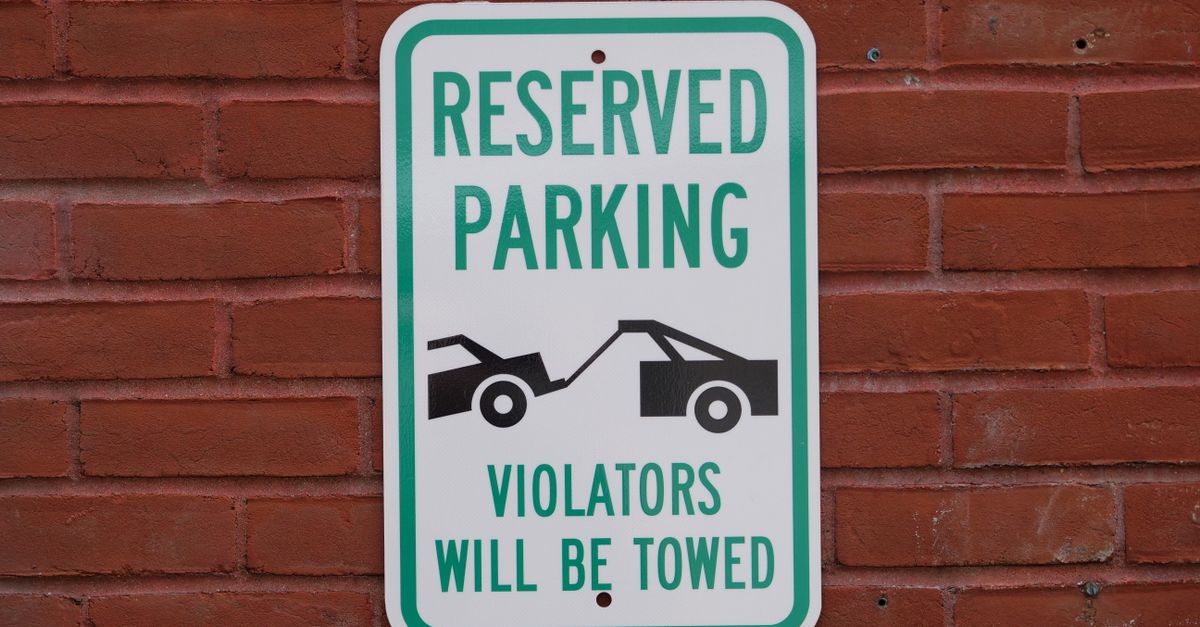
How to Locate Your Towed Vehicle in Dallas
Your car got towed. That sinking feeling is real. But here's the good news: finding your vehicle in Dallas is straightforward if you know where to look.
Start by calling the Dallas Police Department's impound division right away. They handle most city tows. Have your license plate number ready. The sooner you contact them, the sooner you can begin the recovery process and understand your options.
Key phone numbers:
- Dallas Police Department Impound Lot: (214) 671-4034
- City of Dallas 311 (non-emergency): (214) 671-3111
- Dallas Towing Association (private tows): Check their member directory
- Texas Department of Licensing and Regulation (tow company complaints): 1-800-803-9202
The dispatcher will tell you if your car is in their system. They'll give you the exact lot location and your vehicle's status. Ask about hours of operation, accepted payment methods, and the total estimated cost to recover your vehicle. This information helps you plan your recovery trip efficiently.
Understanding Dallas Towing Laws and Your Rights
Dallas has specific rules about when and how cars get towed. Knowing these protects you and ensures your rights are upheld.
Your vehicle can be towed for parking violations, expired registration, or if it's blocking traffic. Police can also tow after accidents or if the car is involved in a crime. Additionally, vehicles can be towed if they're abandoned, unregistered for extended periods, or pose a safety hazard to the public.
Here's what you need to know: Texas towing laws require tow companies to provide notice within 24 hours. Dallas police must document the reason for towing. You have the right to dispute the tow if it was done illegally. Under Texas Property Code, you're entitled to a detailed explanation of why your vehicle was towed.
Dallas towing rules include:
- Police can only tow for legitimate reasons (traffic violation, safety hazard, etc.)
- Tow operators must be licensed and insured
- You get written notice of the tow location within one business day
- Storage fees are capped by state law
- You can reclaim your car 24/7 with proof of ownership and payment
- Tow companies must display their license information and contact details
- You have the right to inspect your vehicle before paying any fees
Learn more about your rights during a tow to protect yourself and ensure you're treated fairly throughout the recovery process.
Where Does Dallas Send Towed Vehicles?
Dallas uses multiple impound facilities depending on why your car was towed and which agency handled the towing.
The main Dallas Police Department impound lot is located at 1400 South Westmoreland Road. This is where most police-initiated tows go. It's open 24/7 for vehicle recovery, making it accessible whether you realize your car is missing during business hours or late at night. The facility is well-maintained and secure, with proper documentation procedures for all recovered vehicles.
Some vehicles go to private towing company lots. These are scattered across the Dallas metro area. The dispatcher will tell you exactly which facility holds your car. Private lots may have different hours and payment policies than the main police impound, so always confirm details when you call.
Common Dallas impound locations:
- Dallas Police Impound Lot (1400 South Westmoreland Road)
- Private lots operated by licensed tow companies
- Airport towing facilities (if towed from Dallas/Fort Worth area)
- Hospital or university security lots (if on private property)
- Municipal lots in surrounding cities (Arlington, Irving, etc.)
Don't drive to the lot without calling first. Confirm your vehicle is there and get the exact address and hours. This prevents wasted trips and ensures you arrive during business hours when staff can process your paperwork.
What Documents You'll Need to Recover Your Car
You can't just walk in and drive away. Impound lots have strict rules about who can take a vehicle to prevent theft and fraud.
Bring your driver's license. You'll also need proof of vehicle ownership—your title, registration, or insurance card showing your name. These documents verify you're the legitimate owner or authorized user of the vehicle.
If someone else is picking up your car, you'll need a notarized letter giving them permission. Some lots accept power of attorney documents too. The person picking up the vehicle will also need their own valid government-issued ID.
Required documentation checklist:
- Valid government-issued ID (driver's license preferred)
- Vehicle title or registration in your name
- Insurance card with your name
- If you're not the registered owner: notarized permission letter
- Payment method for all fees
- Lien holder information (if financed or leased)
- Proof of address (utility bill or lease agreement)
Call ahead if you're unsure about documentation. It saves a wasted trip and frustration. Some lots have specific requirements, so clarification beforehand is always worth the effort.
Calculating Total Recovery Costs in Dallas
Finding your car is one thing. Affording to get it back is another. Dallas impound costs add up fast and can be a significant financial burden if you're not prepared.
Towing fees in Dallas average $150 to $300 depending on distance and vehicle type. But that's just the start. Storage fees begin immediately after towing and accumulate daily.
Here's the real expense: storage fees in Dallas run about $30 to $50 per day. After just one week, you're looking at $210 to $350 in storage alone. Add the initial tow fee and you're over $500. After two weeks, storage alone reaches $420 to $700. This is why prompt recovery is critical—every day you delay costs you money.
Texas law caps daily storage fees, but they're still significant. The longer your car sits, the more you pay. Administrative and processing fees can add another $25 to $75 to your total bill.
Typical Dallas impound cost breakdown:
- Initial tow fee: $150–$300
- Daily storage: $30–$50
- Administrative fee: $25–$75
- After 30 days: Vehicle may be auctioned off
- After 60 days: Lien sale may be initiated
Check current towing cost estimates for your specific situation. Prices vary based on vehicle size, tow distance, and facility location.
Step-by-Step Process to Get Your Car Back
Here's exactly what to do from the moment you realize your car is gone.
- Call Dallas Police impound immediately — (214) 671-4034. Confirm your vehicle is there and get the lot location. Ask about hours, payment methods, and total estimated costs.
- Gather required documents — driver's license, registration, proof of ownership. Don't skip this step, as you won't be able to recover your vehicle without them.
- Ask about payment options — most lots accept cash, credit cards, and checks. Confirm before you go to ensure you bring the right payment method.
- Get a cost estimate — ask the dispatcher for towing fees, storage charges, and any administrative costs so there are no surprises.
- Visit the impound lot — bring all documents and payment. Go during business hours if possible (some lots have 24-hour recovery).
- Complete paperwork at the lot — sign the release form and verify all charges before paying. Don't pay if numbers don't match what you were quoted.
- Inspect your vehicle — check for damage before leaving. Document any issues with photos and report them to lot staff immediately.
- Drive away — make sure your keys work and the vehicle is drivable. Test the ignition and brakes before leaving the lot.
This whole process usually takes 30 minutes to an hour once you're at the lot, assuming all paperwork is in order and payment is processed smoothly.
What If Your Car Was Towed From Private Property?
Private property tows work differently than police tows. Your landlord, business, or parking lot operator can authorize a tow without police involvement.
These tows are often handled by private towing companies. The property owner picks which company to use. Your car might not be in the Dallas Police system at all, which is why many people struggle to locate vehicles towed from private property.
Here's what to do: Contact the property owner or manager first. They'll tell you which tow company took your vehicle. Then call that company directly. Get their exact location, hours, and cost breakdown.
Private property towing laws in Texas require notice when possible. If your car was towed without warning, you might have a legal claim for damages. Document when and where your car was parked, and take photos of any signage (or lack thereof) that should have warned you about towing.
Private tow recovery steps:
- Contact the property owner or manager immediately
- Get the tow company's name and phone number
- Call the tow company for location and fees
- Bring documents and payment to their lot
- Ask for documentation of the tow authorization
- Request an itemized receipt for all charges
Private lot fees can be higher than police impounds. Always ask for a complete cost breakdown before paying. Some private operators charge premium rates, especially for after-hours recovery.
Dealing With Police Holds and Criminal Matters
Sometimes your car is towed as evidence. This happens after accidents, arrests, or crimes. Police may hold your vehicle longer than normal impound periods.
If there's a police hold, you can't just pay fees and drive away. You need a police release form. The detective or officer on the case signs this form, authorizing the impound lot to release your vehicle to you.
Contact the Dallas Police Department's criminal investigations division. Ask for the case number and the officer's name. They'll tell you when the hold will be lifted and what conditions must be met for release.
Police hold timeline:
- Evidence hold: Usually 30–60 days
- Criminal investigation: Can extend longer depending on case complexity
- You can petition for early release in some cases
- Once released, you still pay storage and tow fees
- Some holds may be lifted earlier if evidence is no longer needed
Don't ignore a police hold. Your vehicle won't be released until the hold is removed, and storage fees continue to accumulate during this time.
Payment Methods and Financial Assistance Options
You've found your car. Now comes the hard part: paying to get it back.
Most Dallas impound lots accept cash, debit cards, credit cards, and checks. Some accept payment plans for large bills. Call ahead to confirm what they take and whether payment plans are available in your situation.
If cost is a real barrier, ask about financial hardship options. Some municipalities work with you on payment. It's worth asking, especially if you're low-income or facing genuine financial difficulty.
Payment options at Dallas impound lots:
- Cash (always accepted)
- Debit or credit cards
- Personal or cashier's checks
- Payment plans (call to ask)
- Some accept mobile payment apps
- Wire transfers (for large amounts)
Check if your auto insurance or roadside assistance covers towing and impound fees. Many policies do. Call your insurance company before paying out of pocket—you may be able to have costs covered directly or reimbursed after payment.
How to Dispute an Illegal Tow in Dallas
Not all tows are legal. If you believe your car was towed wrongfully, you have options to challenge it and potentially recover your fees.
Illegal tows happen when there's no valid reason. Maybe the parking sign was missing. Maybe you had permission to park there. Maybe the tow company didn't follow proper procedures or didn't provide required notice. You have legal grounds to dispute tows that violate Texas Property Code or Dallas municipal ordinances.
Document everything. Take photos of the parking area, signs, and your car's location. Get witness statements if possible. Write down the tow company's name and the date. Keep all receipts and documentation from the impound lot.
Steps to dispute an illegal tow:
- Gather evidence (photos, witness names, documentation)
- File a complaint with the Dallas Police Department
- Contact the Texas Department of Licensing and Regulation (tow company oversight)
- Send a demand letter to the tow company
- Consider small claims court for recovery of fees
- Consult a lawyer if the amount is large or if the case is complex
You can recover towing and storage fees if the tow was illegal. But you have to prove it. Small claims court in Dallas is accessible and doesn't require an attorney, making it a viable option for recovering impound costs.
Preventing Future Tows: Parking Tips for Dallas
Once you've recovered your car, avoid this headache again with smart parking practices.
Read parking signs carefully. Dallas has strict no-parking zones, especially downtown. If the sign is confusing, don't park there. When in doubt, choose a paid lot instead of risking another tow.
Keep your registration current. Expired registration is grounds for a tow. Renew online at the Texas DMV website or at your local tax assessor's office. Set a phone reminder for your renewal date.
Don't park in handicapped spots, fire lanes, or tow-away zones. These are enforced aggressively throughout Dallas and result in immediate towing.
Dallas parking dos and don'ts:
- Read every sign before parking
- Keep registration and insurance current
- Avoid downtown during rush hours (more enforcement)
- Use paid lots if you're unsure about street parking
- Don't block driveways, hydrants, or traffic
- Park in marked spaces only
- Check for temporary parking restrictions posted on poles
- Avoid street parking during street cleaning hours
When in doubt, use a paid parking garage. It's cheaper than impound fees and gives you peace of mind.
Finding Towing Services You Can Trust in Dallas
If your car breaks down in Dallas, you'll need a reliable tow truck company. Don't just call anyone—choosing a reputable provider matters.
Use USA Tow Finder to locate licensed, insured towing companies near you. Read reviews and verify licenses. Check with the Better Business Bureau to ensure the company has a solid reputation.
Major insurance companies like AAA, GEICO, Progressive, and State Farm all have preferred towing networks. If you have coverage through them, use their network. It's usually covered under your policy, saving you money on service calls.
Learn how to choose a reliable tow truck company before you're in an emergency. Having a trusted provider saves time and money when you need roadside assistance.
Prices from providers like AAA, GEICO, Progressive, and State Farm are current as of 2026. We're not affiliated with these companies.
Common Mistakes to Avoid When Your Car Is Towed
Understanding common pitfalls helps you navigate the recovery process more smoothly and avoid costly errors.
Don't delay contacting the impound lot. Every day you wait costs you in storage fees. Some people wait weeks before even calling to locate their vehicle, resulting in hundreds of dollars in unnecessary charges.
Don't assume you know which tow company has your car. Always call the police first to confirm location and facility. Showing up at the wrong lot wastes time and fuel.
Don't forget to bring required documents. Arriving without proper ID or proof of ownership means you can't recover your vehicle and must make another trip.
Don't pay without verifying charges. Always ask for an itemized receipt and confirm all fees match what you were quoted over the phone.
Don't skip the vehicle inspection. Check for damage before signing release paperwork. Document any new damage with photos and report it immediately to lot staff.
Frequently Asked Questions About Finding Your Towed Car in Dallas
Got more questions? These are the ones we hear most.
Q: How long can Dallas police hold my car?
A: Without a criminal hold, police can hold your car for storage purposes indefinitely until you pay fees. But they must notify you within 24 hours. With a criminal hold, it depends on the case—sometimes 30–60 days or longer.
Q: Can I get my belongings out of my towed car?
A: Yes. Impound lots let you retrieve personal items before paying towing fees. You can't take the car, but you can get your stuff. Ask about this when you call.
Q: What happens if I don't pick up my car from the impound?
A: After 30 days, Dallas can auction your vehicle to cover towing and storage costs. You lose ownership. Don't wait—pick it up as soon as possible.
Q: Do I have to pay the full amount before getting my car?
A: Yes, most Dallas impound lots require full payment before release. Some may negotiate payment plans, but it's not guaranteed. Ask when you call.
Q: Can someone else pick up my car if I'm not in Dallas?
A: Yes, but they need written permission from you and proof of their ID. A notarized letter works best. Call the lot first to confirm their requirements.
Q: Is there a way to get my impound fees reduced or waived?
A: In rare cases involving illegal tows or documented errors, fees may be reduced. File a formal complaint with the city and request a fee review. Success depends on the circumstances of your specific case.
Next Steps: Get Your Car Back and Move Forward
Losing your car to impound is stressful. But you now have the tools to find it, recover it, and avoid it happening again.
Call the Dallas Police Department impound lot right now if you haven't already. Get your vehicle's status and location. Then gather your documents and head to the lot with payment ready.
Once you've recovered your car, focus on prevention. Keep your registration current. Read parking signs. Use trusted towing providers if you need roadside help in the future.
If you ever need professional towing in Dallas, find towing services near you on USA Tow Finder. We connect you with licensed, insured providers you can trust.
Frequently Asked Questions
Need Emergency Towing Services?
Don't wait when you're stranded. Get professional help now.
Find Trusted Towing Services Near You


Discussion (0)
Be the first to comment!
Share your experience or ask questions about towing services.