
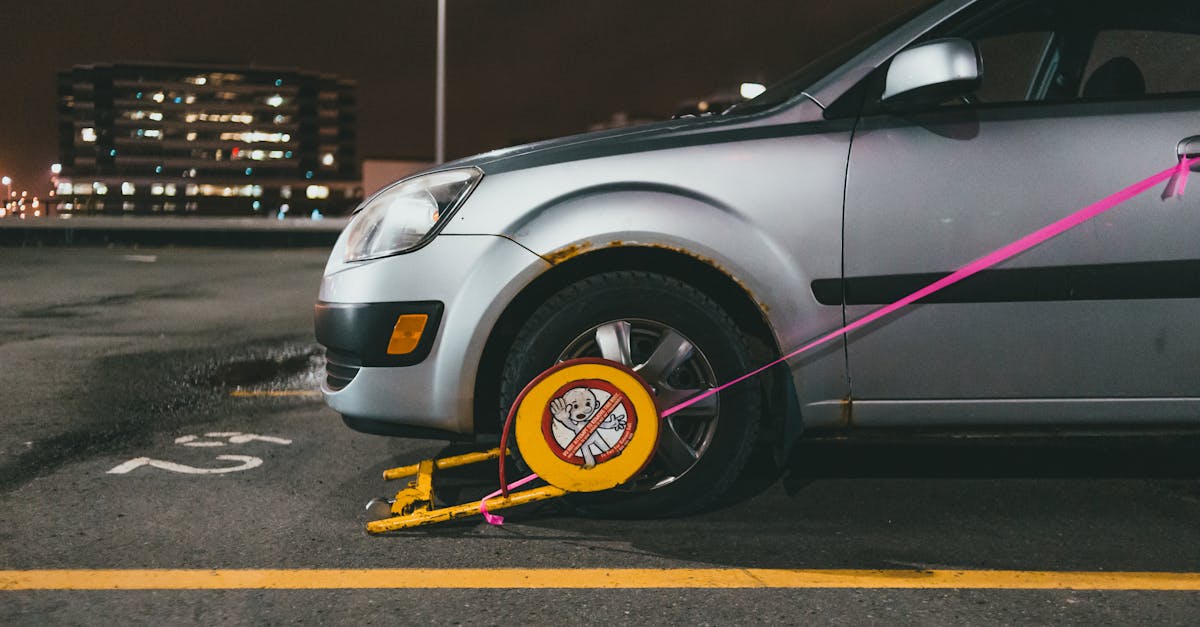
Getting your car towed for illegal parking is stressful. But you're not helpless. Understanding your rights and knowing the recovery process puts you back in control.
Here's what happens when illegally parked car towing occurs near you. The property owner or city parking enforcement calls a tow truck. Your vehicle gets removed within hours. You then face towing fees, storage charges, and the hassle of retrieval.
The good news? Many protections exist. You can fight unfair charges. You can recover your car quickly. And you can prevent future towing with smart parking choices.
What Counts as Illegal Parking?
Not all parking violations lead to towing. But some do. Understanding the difference saves your car.
Parking in a no-parking zone gets you towed fast. Fire hydrants, loading zones, and handicap spots without permits are immediate removal situations. So are expired meters in enforcement areas and parking on private property without permission.
Blocking driveways, parking in front of garages, or leaving your car in a tow-away zone overnight triggers removal. Many cities also tow vehicles with expired registration or multiple unpaid parking tickets.
Warning: Abandoned vehicles—cars left untouched for 72 hours or more in certain zones—can be towed without notice in some jurisdictions. Check your local parking laws to know your city's specific rules.
How Does the Towing Process Work?
Speed matters when illegally parked car towing happens. Knowing the timeline helps you act fast.
First, enforcement officers spot your vehicle in violation. They photograph it and note the time. Most cities require a 15-30 minute waiting period before calling the tow truck—giving you a narrow window to move your car.
Once the tow truck arrives, the operator removes your vehicle within 10-20 minutes. Your car goes to an impound lot or storage facility. This is when towing charges begin.
Next, the towing company (or the city) sends you a notice. Some jurisdictions post a sticker on your car before towing. Others mail notices to your address. Digital notifications via email or text are becoming more common in 2026.
You then have a limited time—usually 24 to 72 hours—to claim your vehicle before additional storage fees kick in. Missing this window costs you money fast.
What Are Typical Towing and Storage Costs?
Budget matters. Knowing costs helps you plan for recovery.
Towing fees for illegally parked car removal range from $150 to $300 depending on your city and the tow truck company. Urban areas tend toward the higher end. Rural regions often charge less.
Storage fees are where costs climb. Most facilities charge $20 to $50 per day. Some cities cap these rates by law. Others don't. After 7 days, you could owe $140 to $350 just in storage—on top of the initial tow charge.
Administrative fees add another layer. Expect $50 to $150 for processing and documentation. Some towing companies also charge gate fees ($10 to $25) just to enter the lot.
Here's a realistic example: Your car gets towed in Los Angeles. Towing costs $275. You wait 5 days to retrieve it. Storage at $35 per day totals $175. Administrative fee is $75. Your bill: $525. This is why speed matters.
For detailed pricing in your area, check How Much Does Towing Cost in 2025? Complete Pricing Guide to understand regional variations.
How Do You Retrieve Your Towed Vehicle?
Recovery is a straightforward process if you know the steps. Follow this guide to get your car back.
- Find the impound lot. Call the city parking enforcement office or police non-emergency line. They'll tell you which facility holds your vehicle. The notice posted on your car (if you saw it) usually lists this too.
- Gather required documents. You'll need your driver's license, vehicle registration, and proof of ownership. Some facilities accept insurance cards as proof of ownership.
- Prepare payment. Bring cash, credit card, or debit card. Call ahead to confirm accepted payment methods. Some lots don't accept all cards.
- Visit the facility. Go during business hours (usually 8 a.m. to 6 p.m., Monday through Friday). Many impound lots close weekends, so plan accordingly.
- Request an itemized bill. Before paying, ask for a detailed breakdown of all charges. This protects you if fees seem wrong.
- Inspect your vehicle. Check for damage before leaving the lot. Note any issues and report them immediately. Take photos if needed.
- Retrieve your car. Once payment clears, staff will bring your vehicle. Verify it's yours, check the odometer, and inspect the interior for missing items.
The entire process usually takes 30-60 minutes. Some busy lots take longer. Weekday mornings are typically fastest.
What Are Your Rights During Illegal Parking Towing?
The law protects you more than you might think. Know your rights to fight unfair practices.
You have the right to notice before towing. Most cities require visible signage warning of tow-away zones. Private property owners must post clear notices. If signs are missing or unreadable, you may have grounds to dispute the tow.
You have the right to an itemized bill. Towing companies cannot charge vague fees. Every charge must be listed separately—towing, storage, gate fees, administrative costs. If the bill lacks detail, request one.
You have the right to inspect your vehicle. Before paying, you can check your car for damage. If the tow truck caused harm, document it with photos and file a claim.
You have the right to dispute unfair charges. If fees exceed your state's legal limits, challenge them. Many states cap towing rates and storage fees. Maximum Towing Rates by State 2026: Complete Price Guide lists your state's limits.
You have the right to a hearing. If you believe the tow was illegal, request a formal hearing before the city. You can present evidence that parking wasn't actually illegal or that proper notice wasn't given.
For deeper legal protections, read Your Rights During a Tow: Consumer Protection Guide.
How Can You Challenge an Illegal Parking Tow?
Sometimes towing happens unfairly. You can fight back. Here's how.
First, gather evidence. Take photos of the location where your car was parked. Look for missing or faded no-parking signs. Check the date and time—was the violation actually in effect when you parked? Were you parked for the duration enforcement claimed?
Second, request documentation from the towing company and city. Ask for the parking violation citation, the officer's notes, and photos taken before towing. You have the right to this information under public records laws.
Third, file a formal dispute. Contact your city's parking appeals board or administrative hearing office. Most cities process appeals within 30-60 days. You'll get a hearing where you present your case.
Fourth, bring evidence to your hearing. Bring photos, witness statements, and documentation proving the tow was improper. Argue that signage was inadequate, timing was wrong, or the violation didn't occur.
Fifth, if you lose, escalate. You can appeal to a higher administrative body or file a lawsuit in small claims court. Success rates vary, but clear evidence of improper signage or procedure wins many cases.
Pro tip: Many cities have specific grounds for appeal. Some require tow operators to wait 15 minutes before calling a truck. Others require photographs proving the violation. Know your city's rules—they strengthen your case.
What Should You Know About Private Property Towing?
Private property towing differs from city parking enforcement. The rules are different. Your rights vary.
Property owners can tow cars without city involvement. Apartment complexes, shopping centers, and parking lots do this regularly. But laws still apply. The property owner must post clear warning signs. Most states require signs visible from the parking area.
Notice requirements vary by state. Some require 24-hour notice before towing. Others allow immediate removal. Private Property Towing Laws by State: Your Rights Guide 2026 explains your state's specific rules.
Towing costs are often higher on private property. Without state caps, companies charge what they want. Fees can reach $400 to $600 for towing alone. Storage might cost $50 to $75 per day.
Your dispute options are limited. You can't appeal to the city. Instead, you must negotiate with the property owner or sue in small claims court. Success depends on whether signage was adequate and notice was given.
Warning: Don't assume private property towing is illegal just because you disagree with it. If proper signage existed, the tow was likely legal. Focus on getting your car back quickly, then dispute the charges afterward if fees seem excessive.
How Can You Prevent Future Illegal Parking Tows?
Prevention beats recovery. Smart parking habits keep your car safe.
Read all signs carefully. No-parking zones, time-limited parking, and permit-only areas are common. Many signs are small or faded. Take 10 seconds to read every sign before parking.
Know your city's tow-away hours. Most cities tow during specific times—often 7 a.m. to 6 p.m. on weekdays. Parking after hours or on weekends is usually safe. Check your city's parking website for exact times.
Use parking apps. Apps like ParkWhiz, SpotHero, and your city's official parking app show legal spots. They send reminders before meters expire. Many prevent illegal parking entirely.
Get a parking permit if you live in a permit zone. Residential areas often require permits. One costs $50 to $200 annually but eliminates towing risk in your neighborhood.
Avoid fire hydrants, loading zones, and handicap spots without permits. These trigger immediate towing. Parking just 15 feet away from a hydrant is legal. Use that space instead.
Move your car before street cleaning. Cleaning days vary by neighborhood. Miss them, and you'll get towed. Mark your calendar or set phone reminders.
Don't leave your car in one spot for weeks. Many cities tow abandoned vehicles after 72 hours. Move your car every few days if it's parked on the street.
What Role Do Insurance and Roadside Assistance Play?
Your insurance might cover towing costs. Some roadside assistance plans do. Check your policy.
Most auto insurance policies include towing coverage. It typically covers $50 to $100 per tow. Some policies cover $200 to $300. This helps with mechanical breakdowns, not illegal parking tows. Insurance usually won't pay for parking violation removals.
Roadside assistance memberships (like AAA) sometimes cover towing. But again, most exclude parking violation tows. Read your membership fine print.
Credit card benefits occasionally help. Some premium credit cards offer roadside assistance. Check your card's benefits guide.
The bottom line: Insurance rarely covers illegal parking tows. You'll pay out of pocket. But it's worth checking your policy. Some specialized plans do cover these situations.
For comprehensive towing coverage details, see Towing Insurance Coverage Guide: What's Covered and What's Not.
How Do Towing Laws Vary by State and City?
Laws differ dramatically across the country. Your state and city determine your rights and costs.
California caps towing at $100 to $150 and storage at $20 to $35 per day. Texas allows up to $300 for towing and $20 per day storage. New York limits towing to $125 to $200. These caps protect consumers but vary widely.
Notice requirements change too. Some states require written notice within 24 hours. Others allow immediate towing without notice. A few states require 72-hour notice before storage fees apply.
Lien laws differ. Some states allow towing companies to sell your car after 30 days of unpaid storage. Others require 90 days. Know your state's rules to avoid losing your vehicle.
Hearing rights vary. Some states guarantee a hearing before you pay. Others only offer hearings after you dispute charges. This affects your ability to fight the tow.
For your state's specific laws, check Towing Laws by State: Your Rights & Protection Guide 2026. It covers all 50 states and major cities.
What Should You Do If You Can't Pay the Towing Fees?
Towing fees are expensive. What if you can't afford them?
Contact the impound lot immediately. Explain your situation. Many facilities offer payment plans. You might pay half now and the rest in 30 days. It's worth asking—many say yes.
Apply for a fee waiver or reduction. Some cities offer hardship waivers for low-income drivers. You'll need proof of financial hardship. Contact your city's parking department to ask about programs.
Negotiate with the towing company. Private towing companies sometimes reduce fees if you ask. They'd rather get paid than hold your car. Be polite and honest about your situation.
Seek legal aid. If the tow was illegal, legal aid organizations help for free. They can fight the charges in court. Contact your state's legal aid society.
Borrow money temporarily. Friends, family, or short-term loans might help. The longer your car sits, the more storage costs. Borrowing $300 now beats paying $500 in a week.
Warning: Don't ignore impound lot notices. After 30-90 days (depending on your state), the facility can sell your car to cover fees. Once that happens, recovery is nearly impossible.
How Do You Find and Contact Your Local Towing Services?
When your car gets towed, you need fast help. Know where to look.
Call your city's parking enforcement office first. They know which towing company removed your vehicle. They'll give you the facility's phone number and address. This is the fastest way to locate your car.
Check the notice on your car. If you saw the sticker before towing, it lists the facility and phone number. Keep this information safe.
Search online. Type "impound lot near me" or "towing storage [your city]." Most facilities have websites listing hours and fees. You can often get directions and call ahead.
Use Find towing services near you on USA Tow Finder. Our directory lists licensed towing companies across the country. You can find reputable operators in your area and read reviews from other drivers.
Call non-emergency police. If you can't locate the facility, police dispatch can help. They coordinate with towing companies and can direct you.
What Should You Know About Towing Company Rights and Responsibilities?
Towing companies have rules too. Knowing them protects you.
Companies must be licensed. Check your state's requirements. Most states require licensing, insurance, and background checks. Ask the company for their license number. Verify it with your state's transportation department.
Companies must provide itemized bills. Every charge must be explained. They can't lump fees together or charge for services not rendered.
Companies must store vehicles safely. Your car shouldn't be damaged during towing or storage. If damage occurs, you can file a claim against their insurance. Document all damage with photos.
Companies must follow state and local laws. They can't charge more than legal limits. They can't hold your car hostage for payment. They must release vehicles within a reasonable timeframe.
Companies must provide reasonable access. You should be able to retrieve your vehicle during posted business hours. They can't make access impossible to force higher fees.
Reputable companies go beyond legal minimums. They offer transparent pricing, fast service, and professional staff. How to Choose a Reliable Tow Truck Company: Expert Guide 2026 explains what to look for in quality operators.
Frequently Asked Questions
Need Emergency Towing Services?
Don't wait when you're stranded. Get professional help now.
Find Licensed Towing Services Near You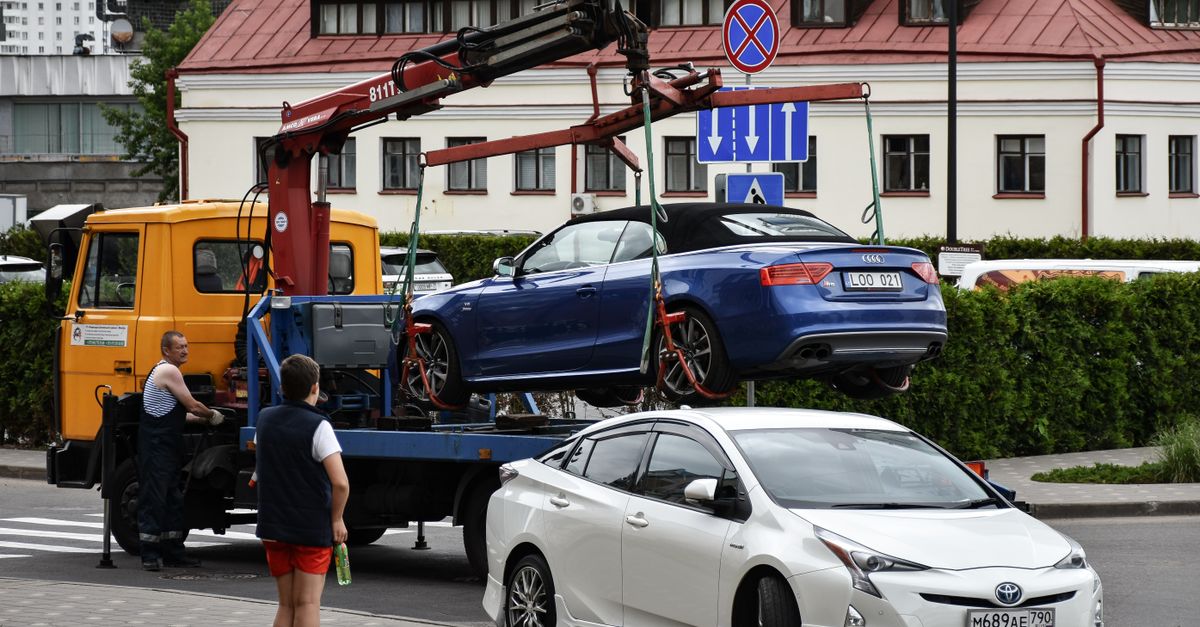


Discussion (0)
Be the first to comment!
Share your experience or ask questions about towing services.