

Is roadside assistance worth it? For owners of aging cars, the answer is often yes. Older vehicles fail more often. A roadside plan covers towing, lockouts, battery service, and fuel delivery when you need help most.
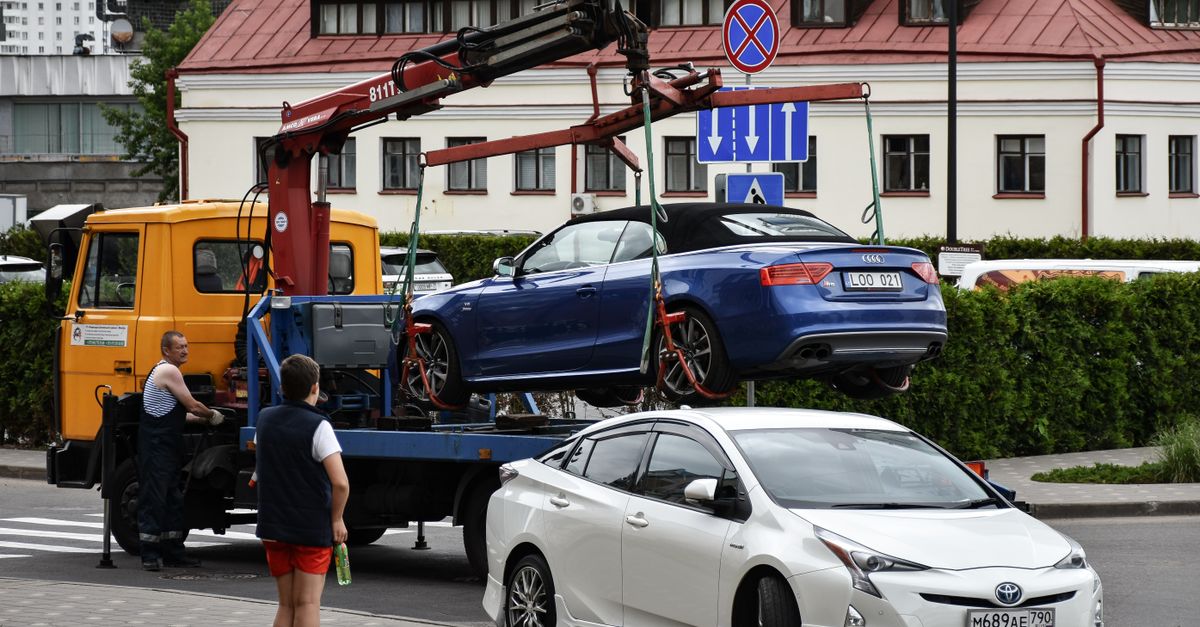
Let's look at the real math. One tow can cost $150 to $400 depending on distance and location. A yearly roadside plan runs $50 to $150. Even one breakdown pays for the entire year of coverage.
But not every older car owner needs this protection. Your situation matters. Let's dig into whether a roadside plan makes sense for you.
What Does Roadside Assistance Actually Cover?
Roadside assistance plans vary by provider. Most cover the same core services. Understanding what you get helps you decide if it's worth the money.
Standard coverage typically includes:
- Towing (usually up to 100 miles per incident)
- Lockout service (when you're locked out of your car)
- Battery jump-start or replacement
- Fuel delivery (if you run out of gas)
- Flat tire assistance
- Winch-out service (if you're stuck)
- Mechanical repair referrals and discounts
- Emergency labor assistance (minor roadside repairs)
Premium plans add extras like mechanical repair discounts, fuel theft protection, and higher tow limits. Some plans also include trip interruption coverage, which reimburses lodging if your car breaks down far from home. Check what your potential plan covers before signing up. Not all plans are the same.
Popular providers include AAA, GEICO, Progressive, and State Farm. Each has different coverage limits and pricing. Prices from providers like these are current as of 2026. We're not affiliated with these companies.
How Much Does Roadside Assistance Cost Per Year?
Cost is a big factor in your decision. Roadside assistance plans range widely in price. Your age, driving habits, location, and vehicle type all affect the final bill.
Typical annual costs:
- Basic plans: $50–$80/year
- Mid-tier plans: $80–$120/year
- Premium plans: $120–$200/year
- Elite plans with extended towing: $200–$300/year
Monthly subscriptions are also available. They usually run $6–$15 per month. Monthly is helpful if you only want coverage for a few months or prefer to test a provider before committing to a full year.
Some insurance companies bundle roadside assistance with your policy. This often costs less than buying it separately—sometimes as little as $3–$5 per month when bundled. Ask your insurer what's included in your current coverage and whether adding roadside assistance would lower your overall rate through multi-policy discounts.
Is One Tow More Expensive Than a Year of Coverage?
Here's where the math gets interesting. One breakdown could justify an entire year of protection.
Average towing costs by distance:
| Distance | Average Cost |
|---|---|
| 5–10 miles | $150–$200 |
| 10–25 miles | $200–$300 |
| 25–50 miles | $300–$400 |
| 50+ miles | $400+ |
A single tow to a shop or home easily costs $200 to $300. If your aging car breaks down just once, you've paid for a full year of roadside assistance. That's why older vehicles make great candidates for coverage.
Consider this: The average car owner will need roadside assistance at least once every 3–5 years. For aging cars, that frequency jumps to once every 1–2 years. The math strongly favors coverage.
For more details on towing costs in your area, check our complete towing cost guide.
Why Aging Cars Break Down More Often
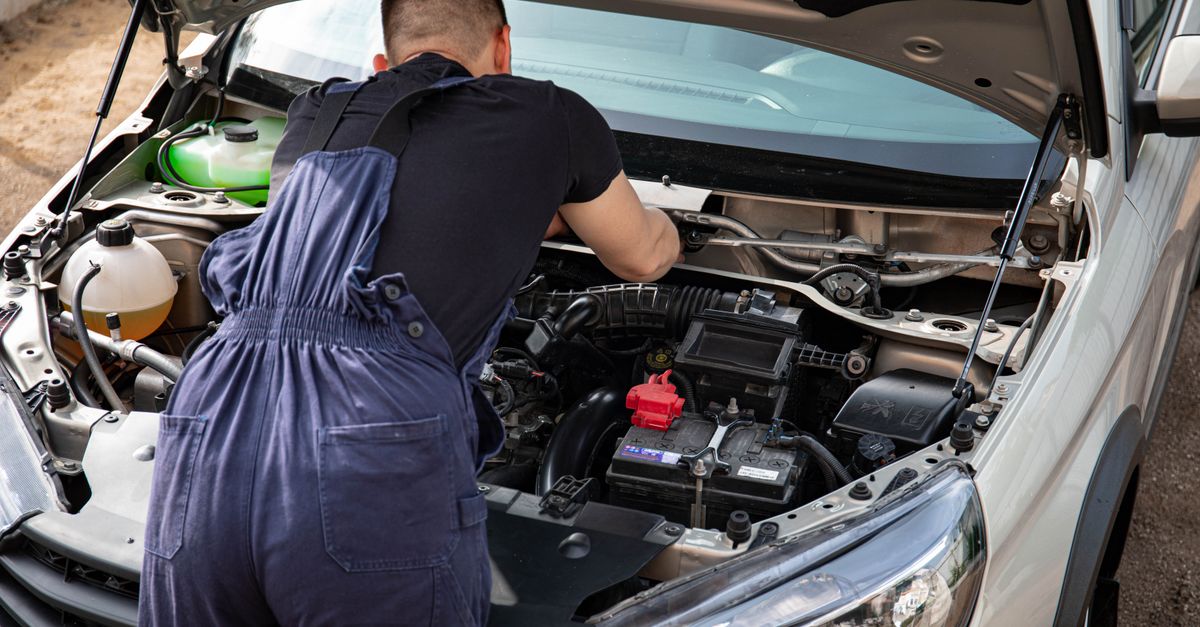
Older vehicles have more problems. That's not opinion—it's automotive reality. Parts wear out. Systems fail. Batteries lose power. Engines overheat.
Aging cars face predictable issues:
- Battery failure (most common in cars 8+ years old)
- Alternator problems (drains battery while driving)
- Transmission issues (expensive repairs)
- Cooling system leaks (causes overheating)
- Fuel pump failures (leaves you stranded)
- Starter motor breakdown (car won't start)
- Water pump failure (engine overheating)
- Serpentine belt breaks (multiple systems fail)
If your car is over 10 years old or has over 100,000 miles, breakdowns are likely. Research shows that vehicles over 11 years old have a 50% higher breakdown rate than vehicles under 5 years old. Roadside assistance becomes real insurance against being stuck on the road.
Think of it like this: An older car is more like a boat than a new car. Boats need maintenance plans. So do aging vehicles.
When Roadside Assistance Becomes Essential
Some situations make roadside assistance almost a must-have. If any of these describe you, the protection is worth every penny.
You should definitely buy coverage if:
- You drive more than 15,000 miles per year
- Your car is over 12 years old
- You live far from your mechanic or family
- You drive alone frequently on rural roads
- You have a long commute with no cell service
- Your car has already had multiple breakdowns
- You can't afford a surprise $300 tow bill
- You frequently drive at night or in bad weather
High-mileage drivers and solo travelers face extra risk. A breakdown far from home becomes expensive fast. Roadside assistance removes that financial stress and provides peace of mind during every drive.
If you drive mostly in cities with nearby shops, the risk is lower. But even city drivers benefit from lockout and battery services.
Comparing Roadside Plans: What to Look For
Not all roadside assistance plans are equal. Some cover more. Some respond faster. Choosing the right plan matters.
Key things to compare:
- Tow distance limit — How far will they tow for free? (50, 100, or 200 miles?)
- Response time — How quickly do they arrive? (30 minutes? 1 hour?)
- Number of calls — How many service calls per year? (Unlimited or capped?)
- Coverage area — Does it work nationwide or just your state?
- Choice of mechanic — Can you pick where they tow you?
- 24/7 availability — Are they available at 3 AM on Sunday?
- Added services — Do they offer discounts on repairs or fuel?
- Mobile app features — Can you request help via smartphone app?
Check online reviews before buying. Real customers share their experiences. Look for plans with quick response times and high customer satisfaction ratings. The National Highway Traffic Safety Administration recommends choosing providers with average response times under 45 minutes.
AAA often leads in response time and nationwide coverage. GEICO, Progressive, and State Farm bundle plans with insurance. Compare at least three options before deciding.
Does Your Current Insurance Already Cover Roadside Help?
Before buying a separate plan, check what you already have. Many insurance policies include roadside assistance. You might not need to pay extra.
Here's how to find out:
- Call your insurance agent or log into your online account
- Ask specifically: "Does my policy include roadside assistance?"
- Request a copy of your coverage details in writing
- Check the tow distance limit and annual call limits
- Compare what's included to what you actually need
Some policies include basic roadside coverage automatically. Others offer it as an optional add-on for a small fee. If you already have it, there's no reason to buy duplicate coverage elsewhere.
For a deeper dive into insurance coverage, read our towing insurance coverage guide.
Red Flags: When Roadside Assistance Isn't Worth It
Not everyone needs roadside assistance. Some situations make it a waste of money.
Skip the plan if:
- Your car is under 5 years old and runs well
- You drive mostly short distances in populated areas
- You have friends or family nearby who can help
- Your insurance already covers roadside service
- You have a reliable mechanic you trust
- You can easily afford a surprise tow bill
If your aging car is actually in great shape and rarely breaks down, the coverage might be unnecessary. But that's rare. Most cars over 10 years old develop problems.
Warning: Don't skip coverage just to save $100 a year. One breakdown will cost you $200–$400. The math doesn't work in your favor.
How to Choose Between Monthly and Annual Plans
Roadside assistance comes in two flavors: annual contracts and month-to-month subscriptions. Each has advantages.
Annual plans work best if:
- You drive year-round
- Your car is unreliable and needs protection always
- You want the lowest per-month cost
- You prefer one annual payment over monthly bills
Monthly plans make sense if:
- You only drive seasonally (winter or summer only)
- You're testing a provider before committing long-term
- Your car is unreliable only during certain months
- You want flexibility to cancel anytime
Annual plans usually cost less per month. If you drive year-round, lock in the annual rate. If you only drive certain seasons, monthly gives you flexibility without wasting money on unused coverage.
Roadside Assistance vs. Membership Programs
Roadside assistance isn't your only option. Membership programs like AAA offer extra perks beyond towing.
AAA membership includes:
- Roadside assistance (towing, lockout, fuel delivery)
- Travel discounts (hotels, rental cars, attractions)
- Insurance discounts (often 5–15% off your policy)
- Fuel discount programs at partner stations
- Emergency travel assistance
AAA costs $50–$150 per year depending on membership level. If you travel frequently or want insurance discounts, AAA might deliver better overall value than basic roadside-only plans.
Compare the total value, not just the towing benefit. Sometimes the extra perks justify the higher cost.
Real-World Breakdown Scenarios for Aging Cars
Let's walk through what actually happens when your older car fails. Understanding real scenarios helps you see the value of coverage.
Scenario 1: Battery dies on a cold morning
Your 2010 sedan won't start. It's 6 AM. You're late for work. Without roadside assistance, you call a mechanic ($100–$150 for a service call). With coverage, dispatch sends help. Battery gets jumped or replaced. You're back on the road in 30 minutes. No bill.
Scenario 2: Transmission failure on the highway
Your 2008 SUV starts making grinding noises at 50 mph. You pull over safely. Without roadside assistance, you pay a tow truck $300–$500 to drag you 30 miles to a shop. With coverage, dispatch handles the tow at no charge. You only pay for repairs.
Scenario 3: You run out of fuel at night
Your 2012 car's fuel gauge is faulty. You run dry at 11 PM on a dark road. Without roadside assistance, you walk to a gas station or call a friend. With coverage, fuel delivery arrives in 45 minutes. Problem solved.
These scenarios happen constantly to older car owners. Roadside assistance solves them instantly.
Making Your Final Decision: A Simple Checklist
Ready to decide? Use this checklist to determine if roadside assistance is right for you.
Answer yes or no to each question:
- Is your car over 8 years old?
- Does your car have over 80,000 miles?
- Have you had a breakdown in the last 2 years?
- Do you drive more than 12,000 miles per year?
- Do you live far from a mechanic?
- Would a $300 tow bill cause financial stress?
- Do you drive alone frequently?
If you answered yes to 4 or more questions, roadside assistance is worth buying. The protection outweighs the cost.
If you answered yes to 2–3 questions, consider a month-to-month plan. You get flexibility and lower commitment.
If you answered yes to fewer than 2 questions, skip it for now. Revisit the decision if your car's reliability changes.
Ready to find the right roadside plan? Find towing services near you to compare local options.
Frequently Asked Questions
Need Emergency Towing Services?
Don't wait when you're stranded. Get professional help now.
Find trusted towing providers near you
Discussion (0)
Be the first to comment!
Share your experience or ask questions about towing services.