
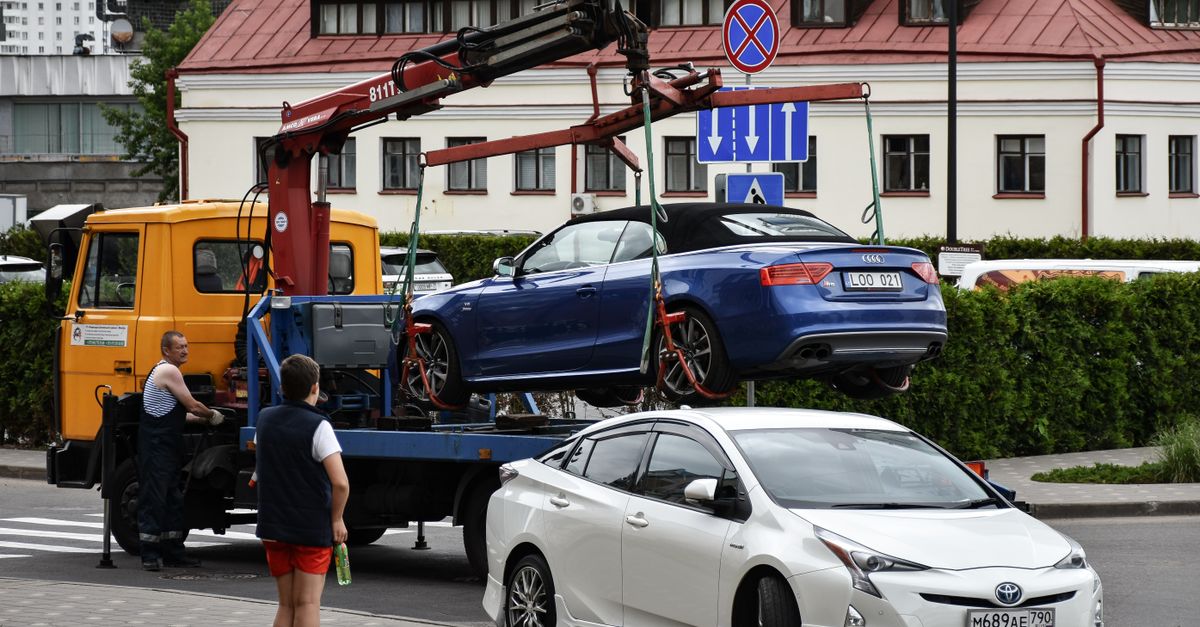
Can You Actually Negotiate Towing Fees?
Yes, you can negotiate towing fees in most situations. Many people don't realize towing prices aren't always set in stone. Drivers who ask questions and compare options often pay less than those who accept the first quote.
The key is knowing what you're entitled to and understanding how towing companies price their services. Not every situation allows negotiation, but most do.
Here's the thing: towing companies expect some customers to negotiate. They build flexibility into their pricing. If you know the right moves, you'll get a better deal.
Why Towing Bills Are So High in the First Place
Towing isn't cheap. Companies invest in expensive equipment, pay trained operators, and run vehicles 24/7. A single tow truck can cost $100,000 to purchase.
They also carry insurance, maintain equipment regularly, and pay for fuel. These costs add up fast. But here's what matters: knowing what drives the price helps you spot unfair charges.
Most towing bills break down into base fees, mileage charges, and add-ons like winching or after-hours service. Understanding each part lets you challenge inflated numbers.
According to industry data, the average towing company operates with a 10-15% profit margin after accounting for vehicle maintenance, fuel costs, insurance premiums, and employee wages. This explains why prices seem high—the business model requires substantial overhead. However, this also means there's room for negotiation on individual jobs, especially if you're a repeat customer or willing to pay cash upfront.
How to Know Your State's Maximum Towing Rates
Every state sets limits on what tow companies can charge. These caps protect consumers from price gouging. You need to know your state's rules before negotiating.
Check Maximum Towing Rates by State 2026: Complete Price Guide to see what's legal in your area. Most states cap base fees between $75-$150 and mileage at $2-$5 per mile.
If your bill exceeds these limits, you have grounds to dispute it. Write down the maximum rates for your state before calling the tow company.
Some states like California and Texas have particularly strict regulations, while others allow companies more pricing flexibility. A few states don't set maximum rates at all, making negotiation even more critical in those areas. Knowing whether your state has hard caps or guidelines will help you determine how much room you have to negotiate.
Get Multiple Quotes Before Paying Anything
Never pay the first towing company's quote. Call at least two or three other providers. Prices vary wildly between companies.
One company might charge $120 for a basic tow while another charges $85. That's a $35 difference for the same service. Getting quotes takes 10 minutes and saves real money.
When you call, ask for the exact same service each time. Say you need a tow from your current location to a specific address. Consistency matters when comparing prices.
Keep a simple spreadsheet with company names, quoted prices, and what's included in each quote. Note whether the quote includes mileage, after-hours fees, or equipment surcharges. Some companies quote a low base rate but add numerous fees, while others quote higher base rates with fewer add-ons. The total cost matters more than the individual line items.
Review Your Invoice Line by Line for Errors
Towing invoices often contain mistakes. These errors aren't always intentional, but they inflate your bill. Check every line before paying.
Look for these common mistakes:
- Incorrect mileage (verify the distance yourself using Google Maps)
- Duplicate charges for the same service
- Add-on fees you didn't authorize
- After-hours surcharges when daytime rates apply
- Storage fees starting before you were notified
- Equipment charges for services you didn't request
- Fuel surcharges applied twice
If you spot an error, contact the company immediately. Most will correct genuine mistakes without argument.
Ask About Discounts You Might Qualify For
Towing companies offer discounts many customers don't know about. Asking for them can reduce your bill by 10-20%.
Common discounts include:
- AAA membership discounts (often 15-20% off)
- Insurance company partnerships (check your policy)
- Multi-service discounts (if you use their repair shop)
- Off-peak discounts (early morning or weekday rates)
- Loyalty discounts (if you've used them before)
- Military or first responder discounts
- Senior citizen discounts
- Cash payment discounts (some companies offer 5-10% for immediate payment)
Check your insurance policy first. Many policies cover towing or offer discounted rates with specific providers. Towing Insurance Coverage Guide: What's Covered and What's Not explains what your policy might cover.
Challenge Unreasonable Add-On Charges
Add-ons are where towing companies pad bills. Common ones include winching, lockout services, fuel delivery, and tire changes. Some are necessary. Others aren't.
Before work starts, ask what each service costs. Don't authorize anything you didn't request. If they already performed work, ask if it was necessary or optional.
For example, they might charge $75 to "prepare your vehicle for towing." This is often just checking tire pressure. Push back on vague charges.
Winching fees typically range from $50-150 depending on difficulty. Lockout services cost $25-75. Fuel delivery runs $40-100. Ask if these services are actually needed or just recommended. A professional tow operator will explain why each service is necessary without getting defensive.
Dispute the Bill if It Seems Unreasonable
If you believe your bill is unfair, you have options. Most states allow consumers to dispute towing charges through formal complaint processes.
Here's how to dispute a bill:
- Document everything: get the invoice, photos, and quotes from other companies
- Compare your bill to state maximum rates
- Send a written dispute letter (email works) explaining why the charges are unfair
- Request an itemized breakdown of all charges
- Give them 10-15 days to respond or adjust the bill
- File a complaint with your state's attorney general if they refuse
- Contact your credit card company to dispute the charge if you used plastic
Many companies will reduce bills rather than deal with formal complaints. Being persistent pays off.
Use Your Insurance or Roadside Assistance Coverage
If you have roadside assistance coverage through insurance or a membership service, use it. These plans often cover towing at no cost to you.
AAA, Progressive, GEICO, and State Farm all offer towing benefits. Check your policy before calling a tow company. You might avoid paying anything.
Even if you have coverage, confirm what's included. Some plans cover only the first 5-10 miles. You'll pay for additional distance. Know your limits before the tow happens.
Prices from providers like AAA, GEICO, Progressive, and State Farm are current as of 2026. We're not affiliated with these companies.
Know When You Have No Negotiating Power
Some situations don't allow negotiation. Police-ordered tows fall into this category. If law enforcement ordered the tow, you can't dispute the service happening.
You can still dispute the price if it exceeds state limits. But the company will tow your car regardless. Learn more in our guide to Police-Ordered Tows: What You Need to Know.
Private property tows also have limited negotiating room if the property owner authorized removal. But you can still challenge the rates charged.
Tips for Negotiating With the Tow Company Directly
When you call to negotiate, approach it professionally. Angry customers rarely get discounts. Friendly, reasonable people do.
Here's what works:
- Be polite and calm, even if you're frustrated
- Acknowledge their costs ("I know running a tow truck is expensive")
- Ask specific questions about charges you don't understand
- Mention other quotes you received ("Another company quoted me $85")
- Ask what they can do to bring the price down
- Request to speak with a manager if the driver won't budge
- Offer to pay cash immediately if they'll reduce the bill
- Ask if they have any current promotions or special offers
Many disputes resolve with a simple conversation. Companies want to keep customers happy. Give them a reason to offer a discount.
Document Everything for Future Reference
Keep copies of every towing receipt and invoice. Save photos of your car before and after towing. This documentation protects you if disputes arise later.
Create a simple record with:
- Date and time of service
- Pickup and drop-off locations
- Company name and phone number
- Driver name (if provided)
- All charges listed on the invoice
- Any damage to your vehicle
- Photos of your car's condition
- GPS coordinates or street addresses for verification
This file becomes valuable if you need to file a complaint or dispute. It proves what happened and what you paid.
Prevent Future Towing Bills With Planning
The best way to negotiate towing fees is to avoid needing towing in the first place. Smart planning reduces emergency situations.
Consider these preventive steps:
- Join AAA or a similar roadside assistance program
- Maintain your vehicle regularly to avoid breakdowns
- Keep your gas tank above a quarter full
- Know where reliable mechanics are located
- Save emergency contact numbers in your phone
- Schedule regular maintenance appointments
- Replace worn tires before they fail
Roadside assistance memberships cost $50-150 per year. That single membership often pays for itself with one towing service. It also gives you leverage when negotiating rates with partner companies.
Common Mistakes to Avoid When Negotiating Towing Fees
Understanding what NOT to do is just as important as knowing what to do. Many people inadvertently weaken their negotiating position.
Don't accept the first quote without shopping around. Don't authorize services you don't understand. Don't pay immediately without reviewing the invoice. Don't negotiate aggressively or threateningly—it backfires. Don't forget to ask about discounts before paying. Don't lose your temper, even if the charges seem outrageous. And don't assume all towing companies charge the same—they don't.
The biggest mistake is accepting the narrative that towing prices are fixed and non-negotiable. They're not. Companies have pricing flexibility, and knowing this fact puts you in a stronger position from the start.
Frequently Asked Questions About Negotiating Towing Fees
Can I refuse to pay a towing bill if I think it's unfair?
You can refuse to pay, but the company can hold your car in storage until you do. Storage fees add up fast—usually $25-75 per day. It's better to dispute and negotiate than to have your car held. Pay under protest if needed, then file a dispute afterward.
What's a reasonable towing fee in 2026?
Most reasonable towing fees range from $75-150 for the base service, plus $2-5 per mile. A 10-mile tow should cost $95-200 total. Anything significantly higher deserves questioning. Check How Much Does Towing Cost in 2025? Complete Pricing Guide for detailed pricing in your area.
Do I have to use the tow company the police call?
Usually no. Police can recommend companies, but you can request a different one if you know one that's cheaper. Some police departments have preferred vendor lists, but you still have choices in most cases.
Can I dispute a towing charge with my credit card company?
Yes, if you paid with a credit card, you can file a dispute. The card company will investigate and may reverse the charge. This works best if you have documentation showing the charge was unfair or unauthorized.
What should I do if the tow company damaged my car?
Document the damage with photos immediately. Report it to the company in writing. Request compensation for repairs. If they refuse, you can file a claim in small claims court or with your insurance company.
Are after-hours towing charges always higher?
Many companies charge 20-50% more for late-night or weekend service. This is often legal if disclosed upfront. Ask about the after-hours rate before authorizing the tow. Some companies don't charge extra—calling around helps you find them.
Can I negotiate storage fees if my car is impounded?
Storage fees are harder to negotiate than towing fees. Most are set by law or city ordinance. But you can dispute fees if your car wasn't properly stored or if charges started before you were notified. See Towing Storage Fees: Legal Limits by State 2026 for your state's rules.
What if I can't afford the towing bill right now?
Call the company and explain your situation. Many will work with you on payment plans. Some will negotiate a lower price to get paid immediately rather than wait. Honesty and communication work better than ignoring the bill.
Should I use my insurance or pay out of pocket?
Check your policy first. If towing is covered, use it. You'll pay your deductible instead of the full bill. If not covered, pay out of pocket and keep the receipt. You might claim it as a business expense if the tow was work-related.
Can I negotiate if the tow was my fault?
Yes. Fault doesn't determine what's legal to charge. State maximum rates apply regardless. You still have the right to fair pricing and accurate invoicing. Negotiate the same way you would for any tow.
Final Thoughts: Take Action on Your Towing Bill
Negotiating towing fees is possible and worth your time. Most drivers accept the first bill without question. That's a mistake. Taking 30 minutes to review your invoice and make a few calls often saves $50-200.
Start by knowing your state's maximum rates. Then get multiple quotes. Review every line on the invoice. Ask about discounts. Challenge anything that seems wrong.
If you face a future towing situation, consider joining a roadside assistance program first. Roadside Assistance: Complete Guide for 2026 covers your best options.
Need help finding a fair-priced towing company? Find towing services near you through USA Tow Finder. We connect you with transparent, reliable providers who explain their pricing upfront.
Frequently Asked Questions
Need Emergency Towing Services?
Don't wait when you're stranded. Get professional help now.
Find Fair-Priced Towing Services

Discussion (0)
Be the first to comment!
Share your experience or ask questions about towing services.