

Your high-mileage vehicle needs extra care. Older cars break down more often than newer models. That's where roadside assistance for older cars becomes invaluable. This guide shows you how to protect your aging vehicle and stay safe on the road.
Why Do Older Cars Need Roadside Assistance More?
High-mileage vehicles face unique challenges. Parts wear out faster. Engines become less reliable. Your transmission might slip. The battery could die without warning.
Here's the thing: most owners don't expect breakdowns until they happen. Roadside assistance for older cars gives you peace of mind. You're covered when something goes wrong.
Older vehicles account for about 40% of all roadside emergencies in the U.S. That's why dedicated coverage makes sense. You'll avoid expensive tow bills and get help quickly.
What Services Does Roadside Assistance Actually Cover?
Good roadside assistance for older cars includes multiple services. Let's break down what you typically get.
Towing Services
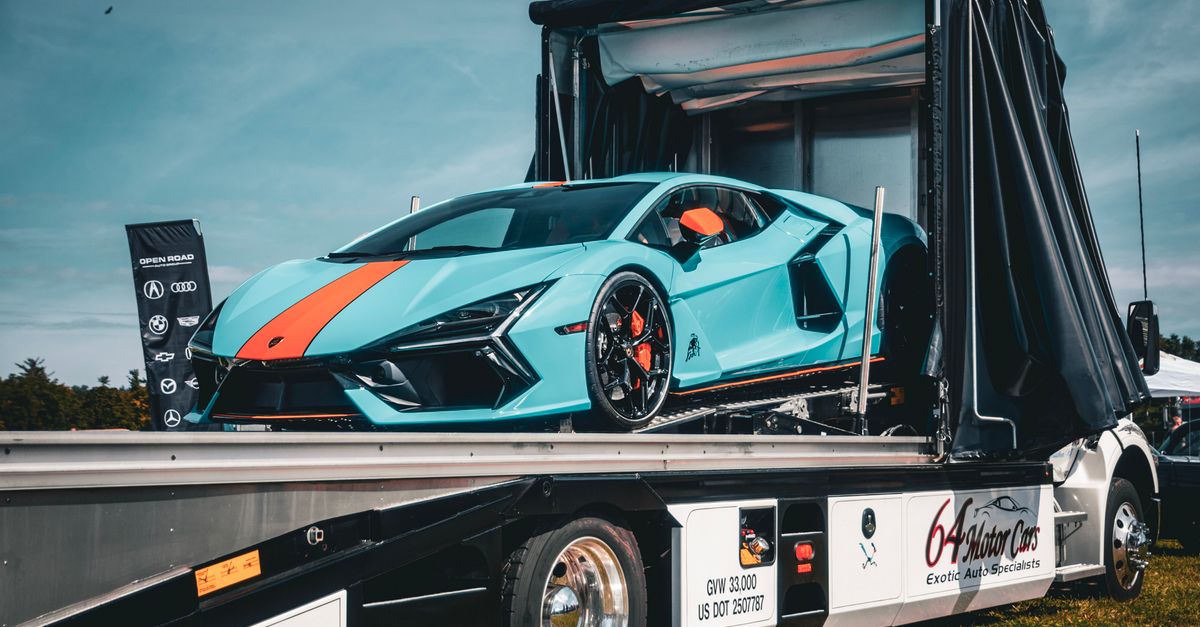
This is the backbone of any plan. Your car won't start or the engine dies on the highway. A tow truck arrives and hauls your vehicle to a repair shop. Most plans cover 50-100 miles of towing at no extra cost.
Unlimited towing plans cost more but protect high-mileage owners better. You won't worry about distance limits.
Lockout Assistance
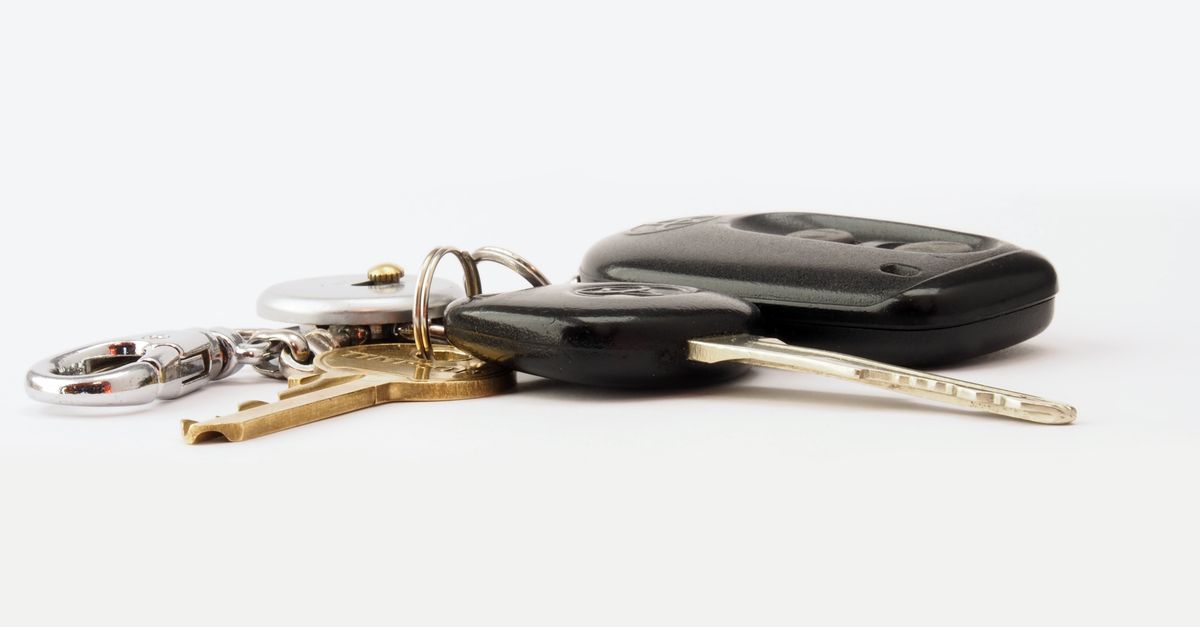
You lock your keys inside. It happens to everyone. Roadside assistance sends a professional locksmith. They open your door safely without damaging the vehicle.
This single service can save you $75-150 compared to calling a locksmith independently.
Fuel Delivery
Running out of gas on an empty road is stressful. Roadside assistance dispatches fuel delivery. A technician brings gasoline to your location. You're back on the road within an hour.
Some plans include one free delivery per year. Premium plans offer unlimited fuel delivery.
Battery Jump-Starts
Dead batteries plague older vehicles. Cold weather makes it worse. Roadside assistance arrives with jumper cables and a power unit. They jump your battery so you can drive to a mechanic.
This service typically costs $0-50 through roadside plans. Without coverage, you'll pay a mechanic $50-100.
Tire Assistance
A flat tire on a busy highway is dangerous. Roadside assistance changes your tire. They use your spare or provide temporary repair service.
Some plans include tire patching. Others offer tire replacement discounts at partner shops.
How Much Does Roadside Assistance for Older Cars Cost?
Pricing varies based on coverage level. Let's look at realistic 2026 rates.
| Plan Type | Annual Cost | Best For |
|---|---|---|
| Basic (50-mile towing) | $50-75/year | Urban drivers, short commutes |
| Standard (100-mile towing) | $80-120/year | Suburban owners, mixed driving |
| Premium (unlimited towing) | $120-180/year | High-mileage vehicles, long trips |
| Monthly Plans | $10-18/month | Short-term coverage needs |
AAA membership includes roadside assistance. Basic AAA costs about $50-70 annually. Premium AAA with unlimited towing runs $130-180 per year.
Insurance companies offer roadside plans too. State Farm, GEICO, and Progressive bundle coverage with auto insurance. Standalone costs run $5-15 monthly. Prices from providers like these are current as of 2026. We're not affiliated with these companies.
Which Providers Offer the Best Coverage for Older Vehicles?
Not all roadside assistance plans work equally well for high-mileage cars. Some providers focus on new vehicles. Others specialize in older cars.
AAA (American Automobile Association)
AAA is the largest roadside provider in America. They cover over 60 million members. For older cars, their Plus and Premium memberships work best.
Plus membership ($130/year) includes 100 miles of free towing. Premium ($180/year) offers unlimited towing. Both include lockouts, fuel delivery, and battery service.
Better World Club
This provider focuses on eco-conscious drivers. They offer unlimited towing nationwide. Cost runs about $150-200 annually. Their response time averages 45 minutes in urban areas.
Insurance Company Programs
Most auto insurers bundle roadside assistance. Progressive, State Farm, and GEICO offer plans at $4-10 monthly. Adding to your existing policy is convenient and affordable.
The downside: coverage limits vary. Some plans cap towing at 50 miles. Check your policy details carefully.
Motor Club Programs
Motor clubs like CAA (in Canada) and specialized programs serve aging vehicles. Annual costs range $60-140. These work well for owners making long trips.
How to Choose the Right Plan for Your High-Mileage Vehicle
Selecting roadside assistance for older cars requires honest assessment. Ask yourself these questions first.
Step 1: Evaluate Your Driving Patterns
Do you drive mostly locally? Or do you take long road trips? Local drivers need basic coverage. Frequent travelers need unlimited towing.
If your commute is under 20 miles, a 50-mile plan works fine. Long-distance drivers should choose unlimited towing.
Step 2: Check Your Vehicle's Reliability
How often does your older car break down? If it's reliable, basic coverage suffices. If it breaks down monthly, upgrade to premium plans.
Track breakdowns over six months. This data guides your decision.
Step 3: Compare Towing Distance Limits
Most roadside plans limit free towing distance. Standard plans cover 50-100 miles. Premium plans offer unlimited distance.
Calculate the distance from your home to your regular mechanic. If it's over 75 miles, choose unlimited towing.
Step 4: Review Additional Services
Some plans include fuel delivery and lockouts. Others charge extra. Read the fine print.
High-mileage owners benefit from fuel delivery and battery service. Make sure your plan includes both.
Step 5: Check Response Times and Coverage Areas
National coverage matters if you travel far. Regional plans work for local drivers.
Ask about average response times. Good providers arrive within 30-60 minutes in urban areas.
What Should You Do When Your Older Car Breaks Down?
Here's how to handle an emergency using roadside assistance.
- Stay safe first. Pull over away from traffic. Turn on hazard lights. Stay inside your vehicle if possible.
- Call your roadside provider immediately. Have your membership number ready. Most providers have 24/7 hotlines.
- Provide clear location details. Give your exact address or highway mile marker. Turn on your phone's location service.
- Describe the problem simply. Say "my car won't start" not "there's a weird noise." Be specific but brief.
- Ask about the dispatch time. Good providers give you an arrival estimate. Most arrive within 30-60 minutes.
- Wait for the tow truck. Keep your doors locked until the driver arrives. Verify they're from your provider.
- Communicate with the driver. Tell them where you want the car towed. Ask about costs if you exceed coverage limits.
- Save all documentation. Get receipts and the driver's information. File claims with your provider if needed.
Don't panic. Professional drivers handle hundreds of breakdowns yearly. They know how to help.
Common Situations Where Roadside Assistance Saves Money
Let's look at real-world scenarios. Here's where coverage pays for itself.
Battery Replacement Calls
Your battery dies on a cold morning. Without roadside assistance, you call a mechanic. Cost: $100-150 for a jump-start.
With coverage, you get a free jump-start. If you need a new battery, you're only paying for the part, not the service call.
Lockout Situations
Keys locked in the car. A locksmith charges $75-150 for emergency service.
Roadside assistance sends a pro for free. You save $75-150 on the first incident.
Fuel Delivery Emergencies
You run out of gas on the highway. A fuel delivery service costs $50-75 plus gas.
Your roadside plan covers it. You only pay for fuel, not the delivery service.
Unexpected Towing Needs
Your transmission fails. The mechanic charges $300-500 for towing 50 miles.
With roadside assistance, towing is free (within your limit). You save hundreds on the first breakdown.
One major breakdown covers your annual membership cost many times over.
Hidden Costs and Limitations to Know About
Warning: Not all roadside assistance plans are created equal. Know what you're buying.
Towing Distance Limits
Basic plans cover 50 miles. If you need towing 75 miles, you pay the difference. Additional distance typically costs $3-5 per mile.
For a 100-mile tow, overage costs reach $75-150. Unlimited plans eliminate this risk.
Service Call Frequency Limits
Some plans limit you to 4-6 service calls yearly. If your old car breaks down monthly, you'll exceed the limit.
Check annual limits before buying. High-mileage owners need unlimited calls.
Deductibles and Out-of-Pocket Costs
A few plans charge deductibles per service call. Common amounts: $0-50 per incident.
Read the fine print. The cheapest annual plan might have hidden deductibles.
Repair Shop Restrictions
Some providers tow you to their partner shops only. You can't choose your preferred mechanic.
This limits your options. Ask if you can select your own repair facility.
Waiting Period for New Members
A few providers won't cover breakdowns in your first 30 days. This is rare but worth checking.
Combining Roadside Assistance with Other Protection Plans
Roadside assistance works best with other coverage. Here's how to layer protection.
First, review your auto insurance policy. Many insurers include roadside assistance. Adding it costs $4-10 monthly. You might already have basic coverage.
Next, consider a towing insurance coverage guide for comprehensive protection. Insurance coverage handles damage claims. Roadside assistance handles emergencies.
For frequent travelers, bundle roadside assistance with travel insurance. Some plans include accident protection and medical coverage.
High-mileage owners should also investigate extended warranty programs. These cover major repairs after your factory warranty expires.
When you own an older vehicle, layering coverage gives you maximum protection. You're covered for emergencies, breakdowns, and repairs.
Regional Considerations for Older Car Owners
Coverage needs vary by location. Urban drivers have different needs than rural owners.
Urban and Suburban Drivers
Cities have many mechanics nearby. You need towing distance of only 20-50 miles. Basic roadside plans work fine here.
Response times are quick in populated areas. Most providers arrive within 30 minutes.
Rural and Remote Area Drivers
In rural areas, mechanics are far apart. You might need 75-150 miles of towing. Unlimited plans are essential.
Response times are longer. Expect 60-90 minutes in remote areas. Choose providers with strong rural coverage.
Check state-specific guides. Texas roadside assistance and California roadside assistance have regional variations worth studying.
Winter Weather Regions
Cold climates cause more breakdowns. Batteries fail. Engines won't turn over. Winter driving increases your need for coverage.
Owners in snowy states should prioritize battery service and fuel delivery. These services become critical in winter.
Frequently Asked Questions About Roadside Assistance for Older Cars
Let's answer the questions owners ask most.
Q: Can I use roadside assistance multiple times per year?
A: Yes. Most plans allow unlimited calls annually. Some budget plans cap you at 4-6 calls yearly. Check your specific plan details before purchasing.
Q: Does roadside assistance cover mechanical repairs?
A: No. Roadside assistance gets you to a mechanic. It doesn't pay for repairs. You'll need separate auto insurance or warranty coverage for repair costs.
Q: What if I exceed my towing distance limit?
A: You'll pay the overage. Most providers charge $3-5 per mile beyond your limit. This is why unlimited towing plans appeal to high-mileage owners.
Q: Does my insurance cover roadside assistance?
A: Many policies include it. Call your insurer to check. Adding roadside coverage typically costs $5-10 monthly if not already included.
Q: Can I keep roadside assistance if I move?
A: Yes. National providers cover all 50 states. Regional plans might limit coverage. Ask about service areas before signing up.
Q: How long does roadside assistance take to arrive?
A: Urban areas: 30-45 minutes. Suburban areas: 45-60 minutes. Rural areas: 60-90 minutes. These are averages. Some providers are faster.
Getting Started: How to Sign Up for Roadside Assistance
Ready to protect your older vehicle? Here's how to get covered.
- Compare plans online. Visit AAA, Better World Club, or your insurance company's website.
- Select your coverage level. Choose between basic, standard, and premium plans.
- Review the coverage details. Read towing limits, service inclusions, and response times.
- Check customer reviews. Look for feedback on response times and service quality.
- Purchase your plan. Pay annually or monthly. Most plans activate immediately.
- Get your membership card and number. Keep this information in your car at all times.
- Save the customer service phone number. Program it into your phone.
- Register your vehicle details. Provide your vehicle's make, model, and current mileage.
You're now covered. In an emergency, call your provider. They'll dispatch help quickly.
To find trusted towing providers and roadside assistance options near you, visit USA Tow Finder's service directory. We help you locate reliable providers in your area.
Final Thoughts: Protecting Your High-Mileage Investment
Older vehicles are valuable. They're paid off. They run reliably (most of the time). Protecting them makes financial sense.
Roadside assistance for older cars provides peace of mind. You'll never worry about being stranded. Help arrives when you need it.
The investment is small. Annual costs range from $50-180. One emergency tow saves more than a year's membership. You're getting real protection at a fair price.
Choose a plan that matches your driving habits. Consider unlimited towing if you travel far. Add fuel delivery and lockout service for complete protection.
Your older car has years left. Keep it running safely with proper roadside coverage.
Frequently Asked Questions
Need Emergency Towing Services?
Don't wait when you're stranded. Get professional help now.
Find Reliable Towing Providers Near You
Discussion (0)
Be the first to comment!
Share your experience or ask questions about towing services.