
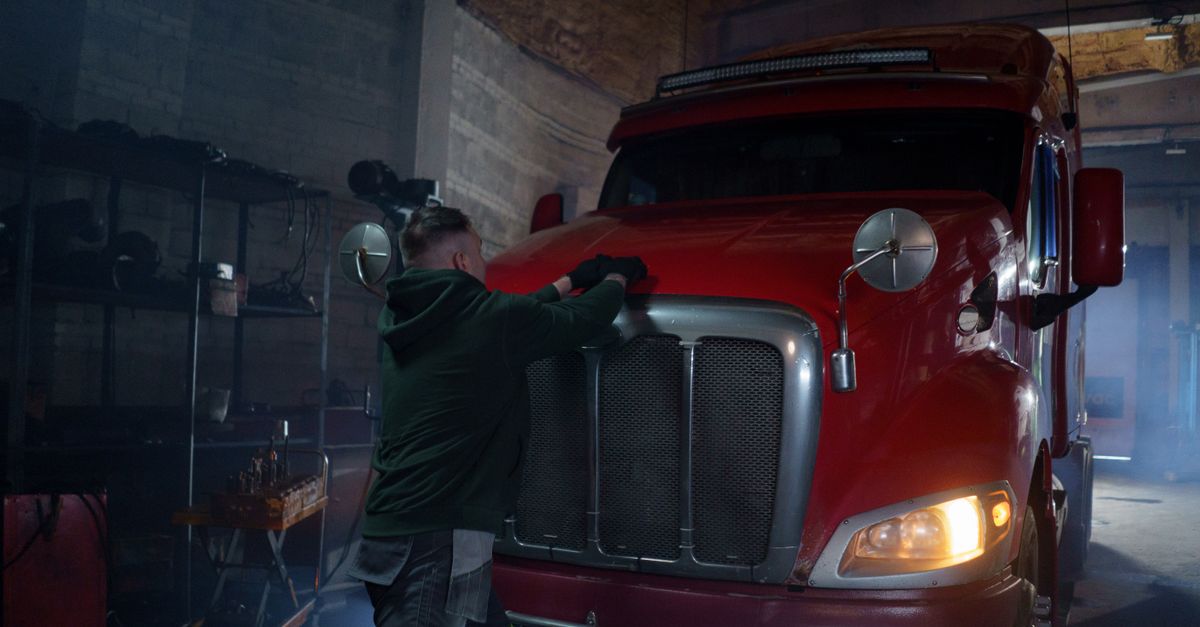
What Does a Semi Truck Diesel Mechanic Do?
A semi truck diesel mechanic fixes and maintains the heavy-duty engines powering commercial trucks. They're not like regular car mechanics—they work on much larger, more complex systems.
These specialists handle engine repairs, transmission work, brake systems, and electrical diagnostics. They use specialized tools and training to keep big rigs moving safely and legally on the road.
Most diesel mechanics working on semi trucks must understand EPA regulations and emissions systems. They also need to know how to troubleshoot problems that can cost you thousands in lost revenue if not fixed quickly.
The role requires deep technical knowledge of how diesel engines operate differently from gasoline engines. Diesel engines run at higher compression ratios, require different fuel injection systems, and demand expertise in turbocharging and intercooling systems. A qualified diesel mechanic understands the relationship between all these components and how they work together to produce the power needed to haul heavy loads across long distances.
Why Finding a Qualified Semi Truck Diesel Mechanic Near Me Matters
Your semi truck is your livelihood. A breakdown on the highway costs you money every hour it's not running.
A qualified mechanic near you saves time and money. You avoid long towing distances and can get back on schedule faster. Local shops also understand regional road conditions and seasonal maintenance needs.
Poor repairs lead to bigger problems. A badly maintained diesel engine can fail catastrophically, costing $10,000-$30,000 to rebuild. That's why finding someone trustworthy matters so much.
Beyond cost, a local mechanic knows your truck's history and can spot potential issues before they become emergencies. They understand how your specific routes and driving conditions affect maintenance needs. A mechanic familiar with your area knows which roads are hardest on trucks and can recommend preventive measures accordingly. This personalized knowledge is invaluable for keeping your truck running reliably and maintaining your reputation as a dependable driver.
How to Find a Reliable Semi Truck Diesel Mechanic Near You
Start with industry-trusted sources. AAA and major insurance companies like GEICO, Progressive, and State Farm maintain networks of certified repair shops. Many partner with diesel-specific facilities.
Check these resources:
- Truck stop directories (Love's, Pilot Flying J, TA/Petro)
- American Trucking Associations member directories
- Heavy Equipment Manufacturers Association (HEMA) listings
- Google Maps and Yelp reviews for local shops
- Diesel engine manufacturer websites (Cummins, Duramax, Powerstroke)
- Better Business Bureau (BBB) ratings and complaint history
- State licensing boards for mechanic credentials verification
Ask other truckers for recommendations. Driver Facebook groups and trucking forums give real feedback about which shops do honest work. Don't just ask if a shop is good—ask specific questions about turnaround times, pricing accuracy, and warranty coverage. Real experiences from drivers who've used the shop are worth more than any advertisement.
Certifications and Credentials to Look For
Not all mechanics are equally qualified. Look for these certifications:
- ASE Certification: Automotive Service Excellence certifies heavy-duty diesel specialists
- Manufacturer Certifications: Cummins, Duramax, and Powerstroke offer training programs
- CDL Knowledge: The mechanic should understand commercial driver's license requirements
- EPA Emissions Training: Required for working on modern diesel engines
- NATEF Accreditation: National Automotive Technicians Education Foundation approval
- Advanced Diagnostics Certification: Training on computer diagnostic systems specific to diesel engines
Ask to see certificates before you leave your truck. A real professional won't hide their qualifications. Current certifications matter—look for recent renewal dates. The diesel industry changes constantly, and outdated certifications suggest the mechanic isn't staying current with new technology and repair procedures.
Common Semi Truck Diesel Engine Problems and Repairs
Knowing what can go wrong helps you communicate better with your mechanic.
Engine Issues
- Hard starting or rough idle
- Loss of power or poor acceleration
- Excessive white or black smoke
- Overheating and coolant leaks
- Fuel injector failures
- Turbocharger boost loss or failure
- Oil pressure warning lights
These repairs typically cost $500-$3,000 depending on severity.
Transmission and Driveline Problems
- Slipping gears or grinding sounds
- Difficulty shifting
- Driveshaft vibration or noise
- Differential leaks
- U-joint wear or failure
Transmission work runs $1,500-$5,000+. Rebuilds are expensive—sometimes $8,000 or more.
Brake System Issues
- Air brake pressure loss
- Brake fade or pulling to one side
- Slack adjusters out of spec
- Compressor failure
- ABS system malfunction
Brake repairs cost $300-$2,000 depending on what needs replacement.
Understanding Diesel Mechanic Labor Rates and Costs
Labor rates for semi truck diesel mechanics vary by region and shop type. Expect these ranges:
| Shop Type | Hourly Rate | Best For |
|---|---|---|
| Independent local mechanic | $100-$150/hour | Budget-conscious repairs, trusted relationships |
| Fleet service center | $150-$200/hour | Warranty work, regular maintenance |
| Certified dealership (Cummins, etc.) | $175-$250/hour | Warranty repairs, complex diagnostics |
| 24-hour emergency roadside | $200-$350/hour | Breakdowns away from home shop |
Prices from providers like AAA, GEICO, Progressive, and State Farm are current as of 2026. We're not affiliated with these companies.
Don't choose based on price alone. A $100/hour mechanic who does sloppy work costs more in the long run. Compare the total cost of ownership, including warranty coverage and the likelihood of needing repeat repairs. Sometimes paying more upfront saves thousands in the long term.
Preventive Maintenance Schedules for Diesel Semi Trucks
Regular maintenance keeps your truck healthy and prevents expensive breakdowns. Here's what a diesel mechanic should check:
Every 10,000 Miles
- Oil and filter change
- Visual inspection of belts and hoses
- Check fluid levels (coolant, transmission, brake fluid)
- Tire pressure and wear inspection
Every 25,000 Miles
- Air filter replacement
- Fuel filter change
- Wheel alignment check
- Brake inspection
Every 100,000 Miles
- Transmission fluid and filter change
- Coolant system flush
- Differential service
- Brake pad replacement
Every 250,000 Miles
- Engine oil analysis for wear metals
- Turbocharger inspection
- Fuel injection system cleaning
- Full brake system overhaul
Following these schedules prevents emergency repairs and keeps your truck in compliance with DOT regulations. Many shops offer maintenance packages that bundle these services at a discount, making preventive care more affordable.
Questions to Ask Before Choosing a Diesel Mechanic
Good mechanics welcome questions. Here's what to ask:
- Are you ASE certified for heavy-duty diesel engines? Get specific credentials, not just yes or no.
- What's your warranty on repairs? Real shops back their work with 30-90 day warranties.
- Do you have experience with my truck's engine? Cummins, Duramax, and Powerstroke need different expertise.
- Can you provide a written estimate before starting work? Never let them start without a clear estimate.
- Do you have 24-hour emergency availability? Breakdowns don't happen during business hours.
- Will you explain repairs in plain language? Good mechanics educate, not confuse.
- Do you use OEM or aftermarket parts? Understand the difference in quality and cost.
- How long will this repair take? Get realistic timelines to plan your schedule.
Red Flags to Avoid When Choosing a Semi Truck Diesel Mechanic
Warning: Some mechanics exploit truckers who don't know their trucks well. Watch for these red flags:
- Refusing to provide a written estimate before starting work
- Unwillingness to explain repairs in understandable terms
- No visible certifications or credentials on the wall
- Pressure to do extra repairs not on your original list
- No warranty on completed repairs
- Reluctance to let you stay while your truck is worked on
- Charging by "flat rate" for diagnostic work without explaining findings
- Refusing to show you the broken part that was replaced
Trust your gut. If something feels off, find another shop.
When to Find a Semi Truck Diesel Mechanic Near Me vs. Roadside Service
Sometimes you need immediate help. Other times, you can plan ahead. Here's how to decide:
Use Local Diesel Mechanics For:
- Scheduled maintenance and inspections
- Complex repairs requiring multiple hours
- Warranty work on newer trucks
- Rebuilds and major overhauls
- Regular fleet maintenance contracts
Call Roadside Assistance For:
- Breakdowns on the highway
- Emergency towing to a repair shop
- Fuel delivery or jump starts
- Quick fixes to get moving again
- Help when far from home shops
Many truckers use both. Build a relationship with a trusted local shop while keeping roadside assistance on speed dial. If you need towing to reach your preferred mechanic, find towing services near you on USA Tow Finder.
Building a Long-Term Relationship With Your Diesel Mechanic
The best mechanics are the ones you've worked with before. They know your truck's history and can spot problems early.
Here's how to build trust:
- Start with routine maintenance at a new shop
- Pay invoices on time—mechanics remember reliable customers
- Keep all service records organized and bring them to appointments
- Ask for advice on preventive maintenance
- Refer other truckers to good shops (they'll remember you)
- Get on a regular service schedule, not just emergency visits
- Communicate clearly about any changes in truck performance
- Stick with one shop when possible—consistency matters
A mechanic who knows your truck inside and out is worth their weight in gold.
Diesel Mechanic Certifications and Training Standards
The industry has strict standards for who can work on commercial trucks. Understanding these helps you judge a mechanic's qualifications.
ASE Certification is the gold standard. Mechanics must pass written exams and have hands-on experience. The Heavy-Duty Diesel Engine (T4) certification shows expertise with truck engines.
Manufacturer training matters too. Cummins, Detroit Diesel, and Duramax offer factory certification programs. A mechanic with current training knows the latest technology in your engine.
EPA certification is required for emissions work. Modern diesel engines have complex aftertreatment systems. Your mechanic needs to understand selective catalytic reduction (SCR), diesel particulate filters (DPF), and emissions diagnostics.
Continuing education keeps skills current. Ask if your mechanic attends training regularly. Technology changes fast, and outdated knowledge leads to missed problems.
Cost Comparison: Local Mechanic vs. Fleet Services vs. Dealerships
You have three main options. Each has pros and cons.
Independent Local Mechanics
Pros: Lowest labor rates, personal relationships, flexible scheduling, knows local road conditions.
Cons: Limited warranty, may not have all specialty tools, no backup if mechanic is unavailable.
Cost: $100-$150/hour
Fleet Service Centers
Pros: Multiple mechanics, 24-hour availability, fleet discounts, warranty on work.
Cons: Busier schedules, less personal attention, may push unnecessary services.
Cost: $150-$200/hour
Manufacturer Dealerships
Pros: Factory-trained technicians, OEM parts guarantee, best for warranty work, latest diagnostic tools.
Cons: Highest labor rates, may not know your truck's history as well, limited to one brand.
Cost: $175-$250/hour
Many truckers use a combination. Schedule regular maintenance at an independent shop, but take warranty work to the dealership.
Frequently Asked Questions About Semi Truck Diesel Mechanics
Here are answers to questions drivers ask most often:
How often should I service my diesel engine?
Follow your truck manufacturer's schedule, usually every 10,000-15,000 miles for oil changes. Heavier use needs more frequent service. Ask your mechanic to create a custom schedule based on your driving patterns.
What's the difference between a diesel mechanic and a regular mechanic?
Diesel mechanics specialize in heavy-duty engines with much higher compression ratios, different fuel systems, and complex emissions controls. They need different training and tools than car mechanics.
How much does a diesel engine rebuild cost?
Expect $8,000-$15,000 for a rebuild, depending on engine size and damage. This is why preventive maintenance is so important—it's far cheaper than a rebuild.
Can I drive my truck with a warning light on?
No. Get it scanned immediately. Warning lights can indicate serious problems that worsen quickly. Continuing to drive can cause catastrophic failure.
What should I do if my truck breaks down far from home?
Call roadside assistance immediately. They'll tow you to a nearby shop. Don't try to limp the truck to your regular mechanic—you risk engine damage. Find towing services near you to keep numbers saved in your phone.
How do I know if my mechanic is overcharging me?
Get a second opinion on major repairs over $1,000. Ask your mechanic to explain the diagnosis. Compare rates with other shops in your area. Honest mechanics welcome questions.
Are diesel engines more expensive to repair than gasoline engines?
Yes, generally. Diesel engines operate under higher pressures and have more complex systems. Labor rates are higher, and parts cost more. But diesel engines last longer—often 500,000+ miles with proper maintenance.
What's the best way to find a trusted mechanic in a new area?
Ask truckers at truck stops and in online forums. Check Google reviews and Yelp ratings. Call shops and ask about certifications. Start with routine maintenance to test them out before trusting major repairs.
Should I use OEM or aftermarket parts?
OEM (original equipment manufacturer) parts have the best warranty and fit. Aftermarket parts cost less but may not last as long. For critical engine components, OEM is worth the extra cost.
How can I extend the life of my diesel engine?
Follow maintenance schedules religiously. Use quality fuel and oil. Keep the engine at proper operating temperature. Avoid extreme idling. Change filters on time. A well-maintained diesel engine can run 500,000-1,000,000 miles.
Taking Action: Your Next Steps
Finding the right semi truck diesel mechanic near you takes effort, but it pays off in reliability and peace of mind.
Start today by asking other truckers for recommendations. Check certifications online. Call two or three shops and ask questions. Get a feel for how they treat you on the phone.
Schedule routine maintenance with your chosen shop. Build that relationship. When emergencies happen—and they will—you'll know exactly who to call.
For immediate roadside emergencies, get a free towing quote and keep those numbers handy. Prevention is cheaper than breakdown repairs, but having backup plans keeps you rolling when problems occur.
Your truck is your business. Treat it like one by finding a mechanic who cares about quality work and your success.
Frequently Asked Questions
Need Emergency Towing Services?
Don't wait when you're stranded. Get professional help now.
Find Towing Services Near You


Discussion (0)
Be the first to comment!
Share your experience or ask questions about towing services.