
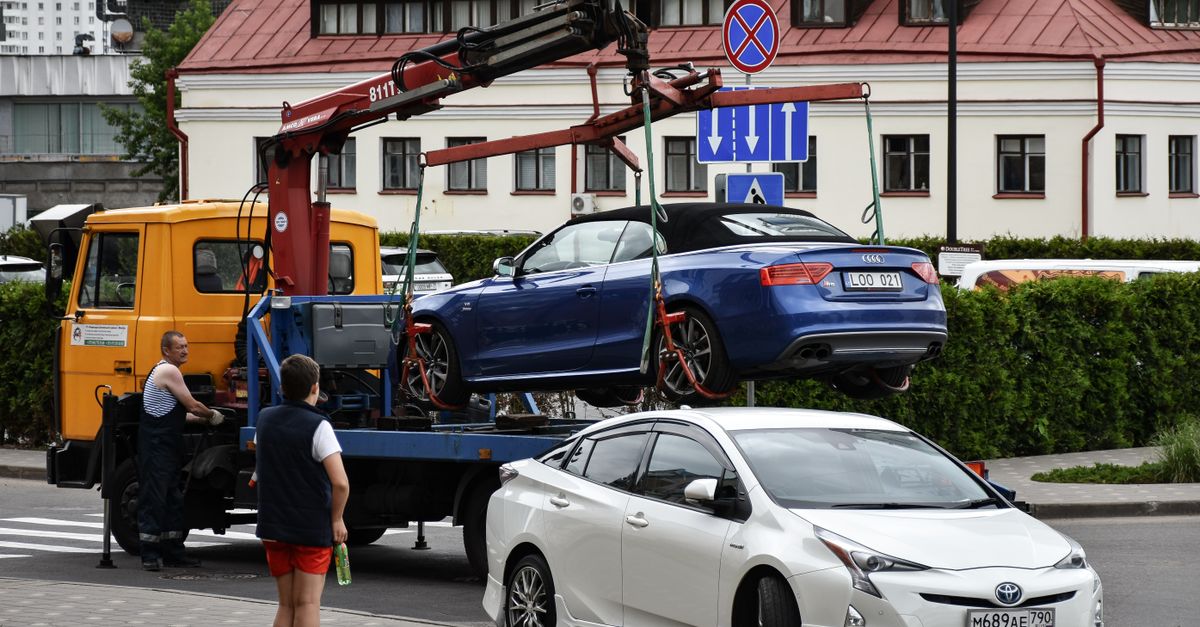
What Happens When a Tow Truck Removes Your Illegally Parked Car?
Your car gets towed when it violates parking rules. This can happen on private property or public streets. The property owner or city authority arranges the tow.
You'll usually get a warning notice first. But sometimes towing happens immediately, especially in emergency zones or repeat violations. Understanding this process saves you time and money.
Common Reasons Your Car Gets Towed for Illegal Parking
Parking violations trigger towing quickly. Here are the main reasons:
- No parking zones: Fire hydrants, bus stops, loading zones
- Expired meters: Parking longer than allowed time
- Private property: Parking without permission on someone's land
- Handicap violations: Using reserved spots without proper permits
- Street cleaning: Parking during posted cleaning hours
- Permit requirements: Parking without valid residential or lot permits
- Double parking: Blocking other vehicles or traffic lanes
- Abandoned vehicles: Leaving your car untouched for extended periods
- Expired registration: Vehicles with expired tags in some jurisdictions
- No-parking event zones: Areas blocked off for parades, construction, or special events
Each city has different rules. Check your local parking ordinances to stay compliant. Some cities are stricter than others—what's allowed in one place might result in immediate towing elsewhere. Understanding your specific city's regulations is crucial for avoiding violations.
Do You Get Warning Before a Tow Truck Arrives?
Sometimes yes, sometimes no. It depends on the situation and location.
You usually get notice if: You're parked on private property without permission, you have an expired permit, or you're in a residential zone. Property owners typically post warning signs first. In many states, private property owners must provide 24-hour notice before towing. This gives you time to move your vehicle and avoid the entire situation.
Immediate towing happens when: You block a fire hydrant, park in a handicap spot illegally, or create a safety hazard. Emergency situations skip the warning phase. Tow trucks may be called within minutes of the violation being noticed. Repeat violations also often result in immediate towing without warning.
Check your windshield for notices. If you see a bright colored sticker, your car's likely being towed soon. Act fast to move it before the tow truck arrives. Some notices give you only 24-48 hours before towing begins, so time is critical.
How Much Does It Cost to Recover Your Illegally Parked Vehicle?
Towing and recovery costs add up quickly. Here's what you'll typically pay:
| Service | Typical Cost Range |
|---|---|
| Basic towing fee | $150–$300 |
| Long-distance tow (per mile) | $2–$5 per mile |
| Daily storage fee | $25–$75 |
| Administrative/release fee | $50–$150 |
| Total for 3-day recovery | $350–$600+ |
Prices vary by location and towing company. Check your state's maximum allowed rates. Many states cap towing fees to protect consumers. For details on costs, see our complete pricing guide.
The longer your car sits in storage, the more you'll pay. Recover it quickly to minimize expenses. A one-week delay can easily add $175–$525 in additional storage fees alone. Some impound lots also charge gate fees ($10–$20) each time you enter the facility, so plan your visit efficiently to avoid multiple trips.
Where Do Tow Trucks Take Illegally Parked Cars?
Your vehicle goes to an impound lot or authorized storage facility. The property owner or city authority chooses the location.
Common storage locations: Municipal impound yards, private towing company lots, or authorized storage facilities nearby. Most cities have 2–3 designated facilities. Some areas use secure, fenced compounds with 24-hour surveillance. Others use open lots with basic protection.
You'll get a towing notice with the lot's address and phone number. Call immediately to confirm your car's there before driving over. Some lots operate 24/7, while others have limited hours (typically 8 AM–5 PM weekdays, with reduced weekend hours). Plan accordingly to avoid extra fees. Many lots also charge premium rates for after-hours releases, sometimes adding $50–$100 to your total bill.
Steps to Recover Your Vehicle from an Impound Lot
Getting your car back requires following specific procedures. Here's how:
- Find your vehicle: Call the impound lot or local police non-emergency line for the exact location and lot details.
- Gather required documents: Bring your driver's license, vehicle registration, and proof of insurance.
- Get a release authorization: Contact the property owner or city parking department for written authorization to claim your car.
- Pay all fees: You'll need to pay towing, storage, and administrative fees upfront. Most lots accept cash, credit cards, or checks.
- Inspect your vehicle: Before leaving, check for damage and document any issues with photos. Report problems immediately.
- Sign release forms: The lot will give you paperwork transferring liability to you once you pay.
- Drive away: Make sure your car starts and runs properly before leaving the lot.
This process usually takes 30–60 minutes. Go during business hours to avoid delays. Some lots charge extra for after-hours releases. Bring a valid form of payment—not all lots accept every payment method. Call ahead to confirm what they accept. You may also need to bring proof of ownership if the registration isn't in your name.
What Are Your Legal Rights When a Car Gets Towed?
You have important protections under towing laws. Know your rights to avoid being overcharged or treated unfairly.
Your key rights include:
- Right to receive written notice before towing (in most cases)
- Right to know the storage lot location and contact information
- Right to access your vehicle during business hours
- Right to retrieve personal items from your car
- Right to challenge unfair fees in court
- Right to know the maximum legal towing rates in your state
- Right to an itemized invoice showing all charges
- Right to inspect your vehicle for damage before paying
Each state has different towing laws. Check your state's specific regulations. Our towing laws by state guide covers your protection details. Don't let tow companies overcharge you—know what's legal in your area. Some states require tow companies to provide written estimates before towing occurs. Others mandate that notices be posted in specific locations with minimum font sizes.
How to Challenge Illegal or Unfair Towing
Sometimes towing happens improperly. You can fight back if the tow was illegal or fees are excessive.
Steps to challenge a tow:
- Document everything: Take photos of parking signs, street markings, and the tow notice. Get the tow company name and truck number.
- Check local laws: Verify that proper notice was given and procedures were followed correctly.
- File a complaint: Contact your city's parking authority or consumer protection agency with evidence.
- Contact the tow company: Request an itemized invoice. Challenge any unauthorized or excessive fees in writing.
- Small claims court: If fees exceed limits, sue in small claims court. Bring all documentation and photos.
Many cities require 24-hour notice before towing from private property. If this step was skipped, you may have grounds to challenge the tow. Keep all paperwork related to your tow for legal protection. Send written complaints via certified mail so you have proof of delivery. Document every communication with the tow company and impound lot.
How to Prevent Your Car from Being Towed for Illegal Parking
The best solution is avoiding towing altogether. Smart parking choices protect your wallet and prevent stress.
Prevention tips:
- Read all parking signs carefully before parking
- Never park in fire lanes, hydrant zones, or handicap spots without permits
- Use paid parking meters and set phone reminders for expiration times
- Park in permitted zones only—check for residential or lot permits
- Avoid street cleaning hours—check posted schedules
- Don't leave your car unattended for weeks
- Get a valid handicap permit if you qualify
- Ask property owners for written permission to park on private land
- Use parking apps that remind you about meter expirations
- Take photos of parking signs when visiting unfamiliar areas
Prevention is cheaper than recovery. Spend 30 seconds reading signs to avoid $300–$500 in fees. Many parking violations happen because drivers misread signs or didn't notice time restrictions. When in doubt, find a different parking spot rather than risk a tow.
Understanding Private Property vs. Public Street Towing
Towing rules differ depending on where you park. Private property and public streets have separate regulations.
Private property towing: Property owners can authorize towing without police involvement. They must post visible signs warning about towing. Most states require 24-hour notice before removing vehicles. Learn more in our private property towing laws guide.
Public street towing: Cities enforce parking rules on public streets. Police or parking enforcement typically authorize tows for serious violations. Notice requirements are stricter. You have more legal protection on public streets.
Both situations require proper procedures. If procedures weren't followed, you may have a valid complaint. Private property towing often has fewer regulations than public street towing, which means property owners have more discretion. However, they still must follow state and local laws regarding notice and signage.
What Insurance Covers Illegal Parking Towing Costs
Most standard car insurance doesn't cover illegal parking tows. But some policies include roadside assistance that helps.
Coverage options: AAA, GEICO, Progressive, and State Farm all offer roadside assistance plans. These typically cover emergency towing up to $100–$150. Illegal parking tows usually aren't included, but some policies do cover storage fees.
Check your policy details. Call your insurance company to ask what's covered. You might have protection you don't know about. For complete details, see our towing insurance coverage guide.
Roadside assistance memberships are worth considering if you park in tricky situations often. They provide peace of mind for emergency situations. Annual memberships typically cost $50–$150 and can pay for themselves with a single towing incident.
When Should You Call a Lawyer About an Illegal Tow?
Some towing situations require legal help. Know when it's worth consulting an attorney.
Contact a lawyer if:
- Fees exceed your state's maximum legal limits significantly
- Your car was damaged during towing
- Towing happened without proper notice or signs
- You weren't given access to your vehicle
- The tow company refuses to itemize charges
- Your vehicle was towed from properly marked legal parking
Many consumer protection attorneys offer free consultations. They can review your case and explain your options. Small claims court often resolves disputes faster and cheaper than hiring lawyers for major cases.
Document everything from the start. Photos, notices, and receipts strengthen your case if you need legal action. Keep records of all communications with the tow company, impound lot, and city authorities. These documents can be crucial evidence if your case goes to court.
Quick Checklist: What to Do If Your Car Gets Towed
Stay calm and act quickly. This checklist keeps you organized:
- ☐ Check for towing notice on your windshield
- ☐ Call the impound lot to confirm your vehicle's location
- ☐ Gather driver's license, registration, and proof of insurance
- ☐ Get authorization letter from property owner or city
- ☐ Ask about total cost before paying
- ☐ Verify the maximum legal towing rate in your state
- ☐ Pay fees and retrieve your vehicle
- ☐ Inspect for damage and take photos
- ☐ Keep all receipts and paperwork
- ☐ File a complaint if fees were illegal or excessive
Acting quickly saves money on storage fees. Each day costs $25–$75 extra.
Finding Reliable Towing Services for Your Needs
If you need help with towing situations, finding trustworthy providers matters. Not all tow companies follow fair practices.
Look for companies with good reviews, clear pricing, and proper licensing. Check our guide to choosing reliable tow truck companies for detailed tips. You can also find towing services near you on USA Tow Finder to compare local options.
Professional towing companies are transparent about costs upfront. They explain procedures clearly and answer your questions. Avoid companies that seem evasive about pricing or procedures.
Frequently Asked Questions About Illegal Parking Tows
Can a tow truck remove my car without notice? In emergency situations like fire hydrants or handicap violations, yes. Most other tows require notice, though timeframes vary by location.
How long can they keep my car in storage? Most states allow 30–90 days before the tow company can sell your vehicle. Act quickly to avoid losing your car permanently.
What if I can't afford the towing fees? Contact the impound lot about payment plans. Some accept partial payments or offer discounts for immediate pickup. Contact your city's parking authority for fee reduction options.
Can the tow company charge for removing personal items from my car? No. You have the right to retrieve belongings free of charge during business hours.
Do I need the original title to get my car back? Usually just registration and ID work. If the car is financed, the lender might have claims on it. Check with the impound lot about their specific requirements.
What if my car was damaged during towing? Document damage with photos immediately. File a claim with the tow company's insurance. You may need to sue for damages if they refuse to pay.
Can I contest a parking ticket and the tow together? Yes. You can challenge the original parking violation and the towing separately. Win one, and the other might be reversed.
How do I know if the towing fee is legal? Check your state's maximum towing rates. Compare the charged amount to your state's limits. Our maximum towing rates guide shows what's legal in your area.
What if I can't pick up my car during business hours? Most lots charge extra for after-hours releases, typically $50–$100. Plan your pickup during regular hours to save money.
Can I get my money back if the tow was illegal? Yes. If towing violated proper procedures, you can demand a refund. Sue in small claims court if the company refuses. Keep all documentation to support your case.
Key Takeaways About Tow Trucks and Illegal Parking
Illegal parking tows are expensive and stressful. Understanding your rights protects you financially and legally.
Remember these essentials: Read parking signs carefully to avoid violations. Know your state's maximum towing fees and storage rates. Act quickly when your car gets towed to minimize storage costs. Document everything with photos and keep receipts. Challenge illegal or excessive fees through proper channels.
Prevention beats recovery every time. Spend seconds checking parking rules to avoid hundreds in fees. If towing does happen, stay informed about your rights and follow proper procedures to recover your vehicle efficiently.
Prices from providers like AAA, GEICO, Progressive, and State Farm are current as of 2026. We're not affiliated with these companies. For professional assistance with your specific situation, find towing services near you or consult a local consumer protection attorney.
Frequently Asked Questions
Need Emergency Towing Services?
Don't wait when you're stranded. Get professional help now.
Find Trusted Towing Services Near You


Discussion (0)
Be the first to comment!
Share your experience or ask questions about towing services.