
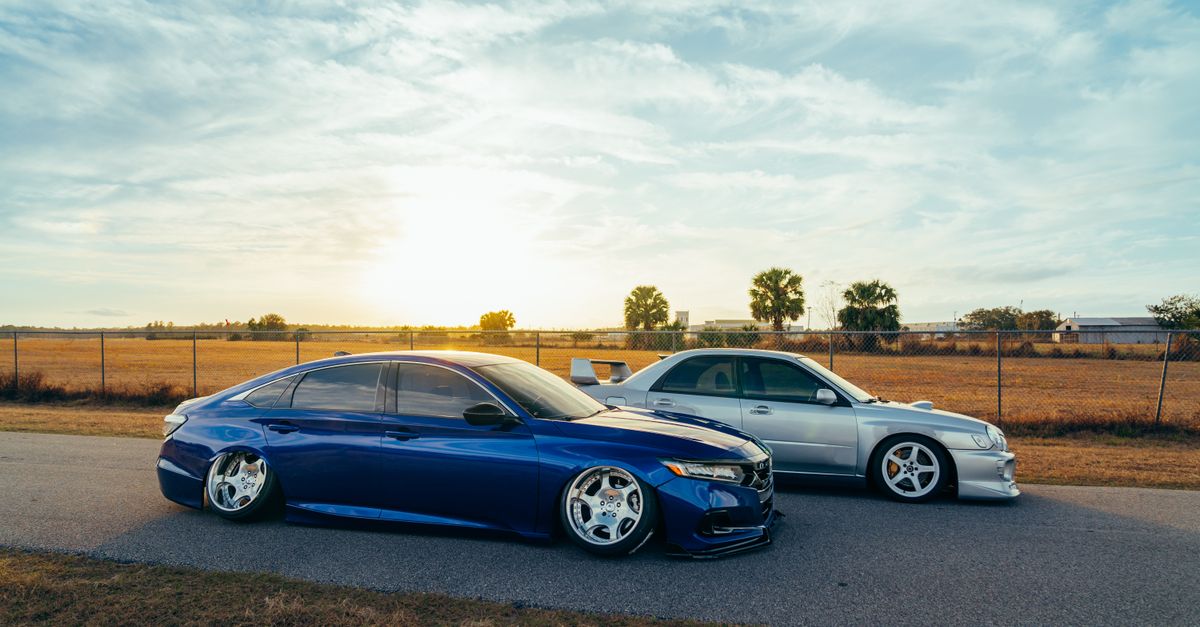
Why Towing a Lowered Car Is Different From Standard Vehicles
Lowered cars sit much closer to the ground than factory models. This creates unique challenges that standard towing methods can't handle safely. Your sports car or modified vehicle needs special attention.
The suspension is already under stress from being lowered. Adding the stress of towing makes damage almost inevitable without the right approach. Ground clearance becomes your biggest concern during any tow.
Many vehicle owners don't realize the danger until it's too late. A single mistake can cost thousands in frame repair. That's why understanding proper lowered car towing is essential.
What Makes Lowered Vehicles Vulnerable During Towing?
Lowered cars have reduced ground clearance—typically 2 to 4 inches from the pavement. This leaves almost no margin for error on uneven roads or driveways.
The suspension components are already compressed. They're working harder just to keep your car level. Towing adds extra weight stress that factory suspension wasn't designed to handle.
Undercarriage damage is the most common problem. Your bumpers, skirts, splitters, and air dams can catch on pavement. Then there's the frame itself—bend it, and you're looking at $3,000 to $8,000 in repairs.
Air suspension systems, common on lowered cars, can fail during towing if not properly supported. Hydraulic systems can leak. Coilover springs can collapse if the vehicle isn't lifted correctly.
How Do You Choose the Right Towing Method for Lowered Cars?
Not all towing methods work for lowered vehicles. You need to pick the approach that protects your specific car.
Flatbed Towing: The Gold Standard
Flatbed towing is the safest option for lowered cars. The entire vehicle sits on a flat platform. There's zero suspension stress and no risk of scraping.
Your car never touches the ground during transport. This eliminates ground clearance concerns completely. Flatbed operators know how to load lowered vehicles without damage.
Cost is higher than other methods—expect $75 to $150 per mile depending on distance. But it's insurance against expensive damage. Check How to Choose a Reliable Tow Truck Company for finding experienced flatbed operators.
Air Suspension Dollies: For Shorter Distances
Air suspension dollies lift the front or rear wheels while keeping one axle on the road. They're gentler than standard wheel lifts on lowered suspensions.
These work best for distances under 50 miles. The lifted end gets full suspension relief. The other end still bears some weight, so ground clearance matters.
Make sure the operator adjusts air pressure specifically for your car's weight. Too much pressure damages the suspension. Too little and you risk frame contact.
Cushioned Dollies: A Middle Ground
Cushioned or air-suspension dollies with padding protect your wheels and suspension. They're better than metal wheel lifts for lowered cars.
They still require careful loading to avoid scraping. Your undercarriage stays vulnerable on the side touching the road.
Use these for short-distance tows only. For longer trips, flatbed is worth the extra cost.
What Should You Never Do When Towing a Lowered Car?
Never use a standard wheel lift on a lowered vehicle. Metal wheel lifts dig into your suspension and can cause permanent damage.
Never tow with the lowered suspension fully compressed. Air suspension needs to be at ride height before loading. Otherwise you're starting from an already-damaged position.
Never drive over speed bumps or rough pavement during towing. Even small obstacles can cause frame damage on lowered cars. Ask your operator to take the smoothest route possible.
Never mix towing methods mid-trip. If you start with a flatbed, finish with a flatbed. Switching to wheel-lift towing halfway damages suspension that was already stressed.
Never hire a tow company without asking about lowered car experience. Many operators have never towed a sports car or modified vehicle. Their inexperience becomes your damage bill.
Step-by-Step: How to Prepare Your Lowered Car for Towing
- Document your car's condition. Take photos of all sides, undercarriage, and suspension before the tow company arrives. This protects you if damage occurs during transport.
- Disable air suspension if possible. If your car has adjustable air suspension, set it to maximum ride height before towing. This gives you extra clearance and reduces suspension stress.
- Remove or secure loose parts. Splitters, diffusers, skirts, and spoilers should be removed if they'll be at risk. If removal isn't possible, tell your operator about them.
- Check tire pressure. Slightly overinflate tires by 2 to 3 PSI before towing. This helps support the vehicle's weight and improves ground clearance slightly.
- Clear the driveway or pickup location. Remove debris, potholes, and obstacles. Give the tow truck driver a clear path with no speed bumps if possible.
- Have your keys and registration ready. The operator needs to load your car. Make sure someone authorized is present during pickup.
- Confirm the towing method in advance. Call the tow company the day before. Confirm they're bringing a flatbed or air suspension equipment. Don't accept a standard wheel lift.
- Ask about suspension support. Professional operators use jack stands or air bladders to support the suspension during loading. Verify this is part of their process.
- Get a written estimate. Prices should be clear before towing begins. Ask about extra charges for flatbed or special equipment.
- Request a final walkthrough. Before the truck leaves, ask the operator to show you how your car is secured. Make sure it's stable and won't shift during transport.
What Equipment Do Professional Tow Operators Use for Lowered Cars?
Real professionals have specialized tools that DIY towing services lack.
Hydraulic jacks with wide bases distribute weight across the suspension rather than concentrating force on one point. This prevents damage to coilovers or air springs.
Air bladders or suspension support blocks hold the suspension at proper height during loading. They prevent the suspension from bottoming out under the car's own weight.
Soft straps and padding protect your wheels and suspension components. Metal chains and hooks can scratch expensive wheels or damage suspension parts.
Adjustable dollies with air suspension let operators customize support for your specific car. They can inflate or deflate based on your vehicle's weight and setup.
Tow operators with alignment tools ensure your car is perfectly centered before securing it. Misalignment creates uneven stress on suspension components.
Find a company with this equipment by checking towing services near you and asking specific questions about their gear.
How Much Does It Cost to Tow a Lowered Car Safely?
Towing a lowered car costs more than standard towing. You're paying for specialized equipment and experienced operators.
Flatbed towing: $75 to $150 per mile for local tows. Long-distance flatbed can reach $200+ per mile. Base fees are typically $100 to $200.
Air suspension dolly towing: $50 to $100 per mile. Less expensive than flatbed but riskier for very low vehicles.
Standard wheel lift towing: $40 to $75 per mile. This is NOT recommended for lowered cars despite the lower cost.
Don't choose based on price alone. A cheaper tow that damages your car costs far more than paying for proper flatbed service. See How Much Does Towing Cost in 2025 for regional pricing details.
How Do You Find a Tow Company That Handles Lowered Cars?
Not every tow company has experience with lowered or modified vehicles. You need to ask the right questions before hiring.
Questions to Ask Before Booking
"Do you have flatbed equipment available?" If they hesitate, keep looking. Flatbed is your safest option.
"Have you towed lowered cars or sports cars before?" Real experience matters. Ask for examples of vehicles they've handled.
"What's your process for loading low-profile vehicles?" They should explain suspension support, jack placement, and securing methods in detail.
"Do you use soft straps or chains?" Soft straps are better for lowered cars. Chains can damage suspension and wheels.
"What's your insurance coverage for vehicle damage?" Ask about their liability limits. Make sure they're insured for high-value sports cars.
"Can you avoid speed bumps and rough roads?" A good operator plans routes carefully for lowered vehicles.
Prices from providers like AAA, GEICO, Progressive, and State Farm are current as of 2026. We're not affiliated with these companies. However, if you have roadside assistance coverage, ask if they'll cover flatbed towing for your lowered car. Many plans have special provisions for modified vehicles.
What Are Common Mistakes That Damage Lowered Cars During Towing?
Understanding what goes wrong helps you avoid these mistakes.
Loading on uneven surfaces: Driveways with slopes or potholes cause the car to tilt during loading. This stresses suspension asymmetrically. Always request the truck load your car on flat pavement.
Incorrect jack placement: Jacks placed on suspension components instead of frame damage coilovers instantly. Professional operators know the right lift points for lowered cars.
Towing at high speeds: Lowered cars with modified suspension handle differently at speed. Bouncing and swaying increase during transport. Operators should keep speeds under 55 mph for lowered vehicles.
Ignoring ground clearance warnings: Operators sometimes ignore your concerns about low clearance. If you say "be careful," they should take it seriously. Don't work with operators who dismiss your concerns.
Improper weight distribution: If your car is towed with most weight on the rear wheels, the front suspension can lift dangerously. This causes instability and damage. Weight must be balanced.
Should You Use Your Insurance or Call a Specialty Tow Service?
This depends on your situation and insurance coverage.
Use insurance roadside assistance if: You have a newer policy with towing coverage. Call first and specifically request flatbed towing. Confirm they have it available before the truck arrives.
Use a specialty service if: Your insurance denies coverage. You need towing for a long distance. Your car is a high-value sports car. You want guaranteed flatbed service.
Specialty services cost more but guarantee experience. They understand lowered cars. Standard roadside assistance might send a basic wheel-lift truck.
Check Towing Insurance Coverage Guide: What's Covered and What's Not to understand your policy limits and coverage options.
What Happens if Your Lowered Car Gets Damaged During Towing?
Document everything immediately. Take photos of the damage with the tow truck visible in the background if possible. Get contact information from the operator and any witnesses.
File a damage claim with the tow company within 24 hours. Include your pre-tow photos and post-tow damage photos. Be specific about what was damaged and when it happened.
Get repair quotes from certified mechanics. Most shops can provide written estimates for frame damage, suspension repair, or cosmetic damage.
Contact the tow company's insurance directly if they deny your claim. Many have liability insurance that covers damage. Your homeowner's or auto insurance may also cover it depending on the cause.
For legal guidance on towing damage claims, see Towing Laws by State: Your Rights & Protection Guide 2026 for state-specific regulations.
Prevention Tips: How to Avoid Needing Emergency Towing for Your Lowered Car
The best tow is the one you never need. Here's how to keep your lowered car on the road.
Regular maintenance is critical. Lowered suspensions wear faster. Have your coilovers, air springs, and suspension components inspected every 6 months.
Avoid rough roads when possible. Potholes and railroad tracks are dangerous for lowered cars. Plan routes that avoid rough pavement.
Drive smoothly. Aggressive acceleration, hard braking, and sharp turns stress lowered suspensions. Easy driving extends component life.
Keep emergency numbers handy. Save the contact for a reliable lowered-car towing service before you need it. Don't wait until you're broken down on the highway.
Consider roadside assistance with flatbed coverage. Programs like AAA or Best Roadside Assistance: Complete 2026 Guide offer options for specialty vehicles. Enroll before you need it.
Frequently Asked Questions
Need Emergency Towing Services?
Don't wait when you're stranded. Get professional help now.
Find Experienced Towing Services Near You


Discussion (0)
Be the first to comment!
Share your experience or ask questions about towing services.