
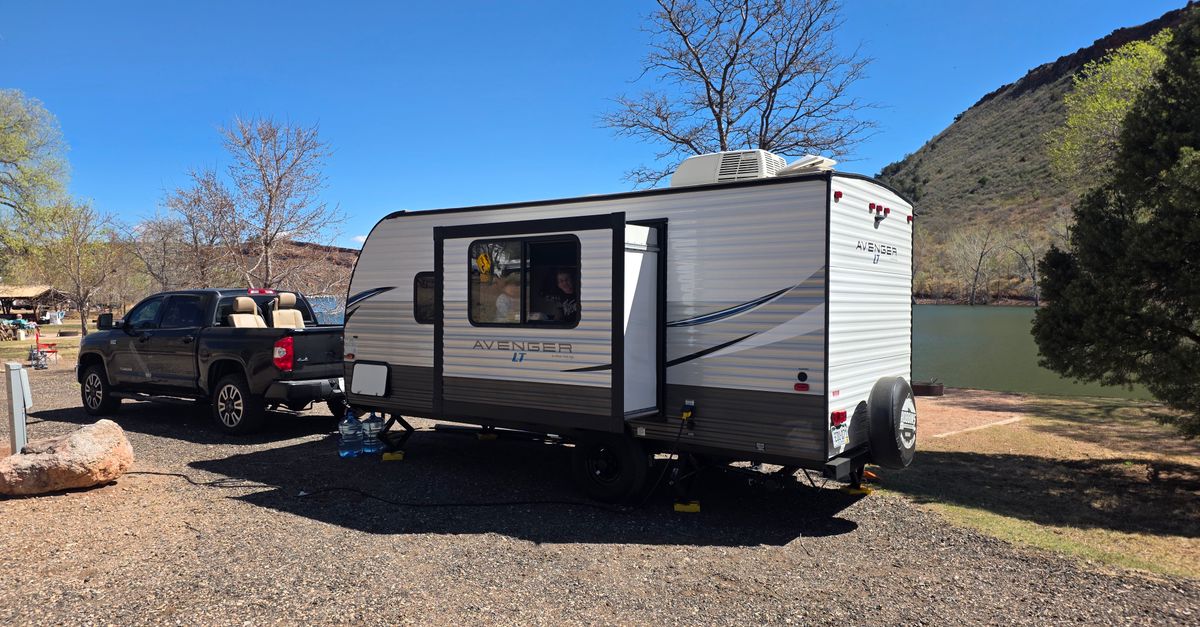
Understanding hitch classes is critical for safe towing. You need to match your hitch class to your vehicle's towing capacity and the weight you're pulling. Get this wrong, and you risk damage, accidents, and legal liability.
This guide breaks down all five hitch classes. You'll learn what each class does, its weight limits, and which vehicles use it. By the end, you'll know exactly which hitch class your vehicle needs.
What Are Hitch Classes and Why They Matter
Hitch classes are standardized categories that define towing capacity. The SAE (Society of Automotive Engineers) created this system to keep towing safe. Each class has specific weight limits and uses.
Your vehicle's owner manual lists its towing capacity. This number must match your hitch class. Exceeding these limits puts stress on your vehicle's frame, suspension, and engine.
According to the National Highway Traffic Safety Administration (NHTSA), improper hitch selection contributes to thousands of towing-related accidents annually. Many of these incidents could be prevented with proper hitch class matching and installation.
Warning: Never tow more than your vehicle's rated capacity, even if your hitch can handle it. Your vehicle determines your limit, not the hitch itself.
Class 1 Hitch: What's the Smallest Towing Option?
Class 1 hitches handle 1,200 pounds maximum. These are the lightest-duty hitches available. Most compact cars, sedans, and small crossovers use Class 1.
Class 1 hitches feature a 1.25-inch receiver opening. They're perfect for small utility trailers, cargo carriers, and bike racks. You'll commonly see them on Honda Civics, Toyota Corollas, and similar vehicles.
The tongue weight (the part that connects to your vehicle) maxes out at 120 pounds. This lightweight design makes installation straightforward. Most DIY installers can handle Class 1 without professional help.
Class 1 is ideal for occasional towing. If you're hauling a small boat, ATVs, or a utility trailer a few times per year, Class 1 provides sufficient capacity. These hitches are also the most affordable option, making them popular with budget-conscious buyers.
Class 2 Hitch: What's the Mid-Range Choice?
Class 2 hitches jump to 3,500 pounds maximum. These hitches fit midsize SUVs, sedans, and smaller trucks. They're incredibly popular for weekend hauling and light trailers.
Class 2 uses a 1.25-inch receiver, same as Class 1. The tongue weight limit is 350 pounds. This capacity works well for boat trailers, enclosed cargo trailers, and small utility trailers.
Vehicles like the Toyota RAV4, Honda CR-V, and Ford Escape typically use Class 2. These hitches are affordable and widely available. Most auto shops can install one in under an hour.
Class 2 represents the sweet spot for many vehicle owners. It provides enough capacity for regular towing activities without requiring heavy-duty installation. If you plan to tow regularly but not excessively, Class 2 is often the perfect match.
Class 3 Hitch: What's the Heavy-Duty Jump?
Class 3 hitches handle 6,000 pounds maximum. This is where serious towing begins. Full-size SUVs and pickup trucks commonly use Class 3.
Class 3 hitches feature a 2-inch receiver opening. That's bigger and stronger than Classes 1 and 2. The tongue weight limit is 600 pounds.
Class 3 works for horse trailers, larger boat trailers, and enclosed gooseneck trailers. Vehicles like the Ford F-150, Chevrolet Silverado, and GMC Sierra use Class 3. These hitches require professional installation due to their weight and complexity.
Class 3 hitches often involve welding to your vehicle's frame. This reinforcement ensures your vehicle can handle the increased stress. Professional installers have the equipment and expertise to do this safely and correctly.
Class 4 Hitch: What About Maximum Capability?
Class 4 hitches handle 10,000 pounds maximum. These are heavy-duty hitches for serious towing operations. Commercial contractors and RV owners rely on Class 4.
Class 4 uses a 2-inch receiver. The tongue weight limit reaches 1,000 pounds. This capacity handles gooseneck trailers, large RVs, and commercial equipment.
Heavy-duty trucks like the Ford F-250, Chevrolet 2500, and Ram 2500 typically use Class 4. Installation requires professional expertise. These hitches involve complex welding and reinforcement work.
Class 4 hitches are built for demanding applications. Construction companies, horse breeders, and serious RV enthusiasts depend on Class 4 capacity. The investment in installation pays off through years of reliable towing performance.
Class 5 Hitch: What's the Ultimate Towing Power?
Class 5 hitches deliver 14,000 pounds maximum. These are the strongest hitches available. Only the heaviest trucks and commercial vehicles use Class 5.
Class 5 hitches feature a 2.5-inch receiver opening. The tongue weight limit is 1,400 pounds. These hitches are built for gooseneck trailers, large horse trailers, and industrial equipment.
Super-duty trucks like the Ford F-350, Chevrolet 3500, and Ram 3500 use Class 5. These installations are complex and require professional welding. The hitch itself is a significant investment.
Class 5 represents the pinnacle of towing capability. If you operate a commercial towing business or manage a large ranch with multiple trailers, Class 5 provides the capacity you need. These hitches are engineered for maximum durability and performance.
How Do You Know Which Hitch Class Your Vehicle Needs?
Your vehicle's towing capacity determines your hitch class. Check three places for this information:
- Your owner's manual (most reliable source)
- The driver's side door jamb sticker
- Your vehicle's registration documents
Once you find your vehicle's towing capacity, match it to a hitch class. For example, if your vehicle can tow 5,000 pounds, you need at least a Class 3 hitch.
You can also contact your vehicle's dealership with your VIN (Vehicle Identification Number). They'll provide exact specifications for your specific model year and configuration.
Important: Always buy a hitch with capacity equal to or greater than your vehicle's towing capacity. Never buy a hitch that exceeds your vehicle's capacity.
What's the Difference Between Receiver Size and Hitch Class?
Receiver size and hitch class are related but different. The receiver is the square opening on your hitch. Hitch class determines the overall towing capacity.
Classes 1 and 2 use 1.25-inch receivers. Classes 3 and 4 use 2-inch receivers. Class 5 uses 2.5-inch receivers. Larger receivers accommodate heavier-duty balls and accessories.
You can't mix receiver sizes. A 2-inch ball won't fit a 1.25-inch receiver. Using the wrong size is dangerous and illegal in many states.
Understanding Tongue Weight and Gross Trailer Weight
Two weight measurements matter for hitch selection: tongue weight and gross trailer weight. Tongue weight is how much the trailer's front end weighs. Gross trailer weight is the entire trailer plus cargo.
Tongue weight should be 10-15% of your gross trailer weight. For a 5,000-pound trailer, tongue weight should be 500-750 pounds. Too much tongue weight stresses your vehicle's rear suspension.
Your hitch class must accommodate both weights. If your trailer weighs 6,000 pounds gross with 900 pounds tongue weight, you need a Class 3 hitch minimum.
Proper weight distribution is crucial for safe towing. Too little tongue weight (under 10%) can cause trailer sway. Too much tongue weight (over 15%) overloads your vehicle's rear axle. Getting this balance right improves stability and handling.
Can You Upgrade Your Hitch Class?
Yes, you can upgrade to a higher hitch class. However, your vehicle's towing capacity is the hard limit. You can't exceed what your manufacturer allows.
Upgrading makes sense if you plan future towing needs. Installing a Class 3 hitch on a vehicle rated for Class 3 is fine. Installing a Class 5 hitch on a Class 3 vehicle is pointless—your vehicle can't use that capacity.
Professional installers can help you choose the right upgrade. They'll verify your vehicle can handle the new hitch weight and ensure proper installation.
How Much Does a Hitch Cost by Class?
Hitch prices vary by class and brand. Here's what you'll typically pay:
- Class 1: $150-$300 (hitch only)
- Class 2: $200-$400 (hitch only)
- Class 3: $400-$800 (hitch only)
- Class 4: $800-$1,500 (hitch only)
- Class 5: $1,200-$2,500 (hitch only)
Installation costs add $200-$600 depending on complexity. Professional installation is recommended for Classes 3-5. Many shops offer package deals that bundle hitch and installation.
Prices from providers like Amazon, Curt, CURT, and Draw-Tite are current as of 2026. We're not affiliated with these companies.
Budget-friendly options exist for every class. Generic hitches cost less than brand-name equivalents. However, brand-name hitches often include better warranties and customer support. Consider your long-term towing plans when deciding between budget and premium options.
What About Hitch Receivers and Balls?
Your hitch receiver is just the beginning. You'll also need a hitch ball that matches your trailer's coupler size. Common sizes are 1⅞-inch, 2-inch, and 2⅝-inch.
Hitch balls cost $20-$50 each. Buy the correct size for your trailer. Using the wrong ball size is dangerous and won't secure your trailer properly.
You'll also want safety chains, a coupler lock, and a pin. These accessories cost $30-$100 total. They're essential for safe towing and legally required in most states.
Consider buying a ball mount with multiple ball sizes for flexibility. Drop hitches and adjustable mounts are also available if your trailer coupler height doesn't match your hitch height. These accessories ensure proper alignment and reduce strain on your hitch.
Legal Requirements and Safety Considerations
Most states require proper hitch installation and safety equipment. Your trailer needs working lights, brakes (if over a certain weight), and safety chains. Violations can result in fines.
Check your state's towing laws before hitting the road. Requirements vary significantly. For detailed state-by-state rules, read our Towing Laws by State: Your Rights & Protection Guide 2026.
Insurance matters too. Your auto insurance might not cover towing damage. Consider adding Towing Insurance Coverage Guide: What's Covered and What's Not to your policy for extra protection.
Common Mistakes to Avoid When Selecting a Hitch
Many vehicle owners make preventable mistakes when choosing a hitch. Understanding these errors helps you make better decisions.
The most common mistake is buying a hitch based on the hitch's capacity rather than the vehicle's capacity. Just because a Class 5 hitch exists doesn't mean your vehicle can handle it. Your vehicle's manufacturer rating is the absolute limit.
Another frequent error is ignoring tongue weight. Owners focus on total trailer weight but neglect tongue weight distribution. This imbalance causes handling problems and suspension damage.
Some people also skip professional installation to save money. DIY installation of Class 3+ hitches often results in improper mounting, frame damage, or safety issues. Professional installation costs less than repairing mistakes.
Finally, many owners fail to maintain their hitches. Rust, corrosion, and loose bolts develop over time. Regular inspection and maintenance extend hitch life and ensure safety.
Hitch Class Selection Checklist
Use this checklist to select your hitch class:
- Find your vehicle's towing capacity in the owner's manual
- Determine your trailer's gross weight and tongue weight
- Match your vehicle's capacity to the appropriate hitch class
- Choose a hitch with equal or greater capacity than your vehicle allows
- Verify the receiver size matches your hitch ball
- Check local towing laws and insurance requirements
- Get professional installation for Class 3 or higher
- Test your setup with a light load before long trips
- Inspect your hitch before every towing trip
- Keep maintenance records and warranty documentation
Frequently Asked Questions About Hitch Classes
Can I use a Class 2 hitch on a vehicle rated for Class 3?
No. Your vehicle's towing capacity determines your minimum hitch class. Using a lighter-duty hitch is unsafe and illegal.
Do all Class 3 hitches fit all vehicles?
No. Vehicle-specific installation varies. Some vehicles need frame reinforcement. Always buy a hitch designed for your exact vehicle make and model.
What happens if I exceed my hitch class limit?
Your vehicle's frame and suspension will suffer damage. You'll void your warranty. In an accident, you'll face liability. Insurance won't cover damage from overloading.
Is a hitch class permanent?
You can upgrade or change hitches anytime. Just match your new hitch to your vehicle's towing capacity. Keep receipts for warranty purposes.
Do I need a special hitch for RVs?
RVs often require gooseneck hitches (Class 4-5). These mount differently than standard hitches. Read our RV and Motorhome Towing Guide: Special Equipment Needs for details.
Can I install a hitch myself?
Class 1-2 installations are DIY-friendly. Classes 3-5 require welding and professional expertise. Improper installation creates safety hazards.
What's the difference between a ball mount and a receiver?
A receiver is the permanent part welded to your vehicle. A ball mount slides into the receiver and holds your hitch ball. You can swap ball mounts but not receivers.
Do trailer brakes affect my hitch class choice?
Trailer brakes don't change your hitch class. But they're required for trailers over 3,000 pounds in most states. Brakes reduce stopping distance and improve safety.
How often should I inspect my hitch?
Inspect before every towing trip. Check for rust, loose bolts, and cracks. Replace any damaged components immediately. Professional inspection annually is smart.
What if my vehicle doesn't have a hitch?
Most vehicles can have a hitch installed. A professional shop can add one in 2-4 hours. Cost depends on your vehicle and hitch class.
Getting Professional Help With Hitch Selection
Choosing the right hitch matters. A professional installer can guide you through the selection process. They'll verify your vehicle's capacity and recommend the best option.
Many towing companies offer hitch installation alongside their services. Find towing services near you that handle hitch installation. They can answer questions about your specific vehicle.
Don't rush this decision. Take time to understand your vehicle's limits. A properly installed hitch makes towing safe and enjoyable.
Summary: Know Your Hitch Class
Hitch classes range from Class 1 (1,200 lbs) to Class 5 (14,000 lbs). Your vehicle's towing capacity determines which class you need. Matching hitch class to vehicle capacity is essential for safety.
Start with your owner's manual. Find your towing capacity. Match it to the appropriate hitch class. Get professional installation for heavy-duty hitches. Always stay within your vehicle's limits.
Towing safely means respecting these limits. Your vehicle, your trailer, and other drivers depend on it. Take hitch selection seriously, and you'll enjoy years of trouble-free towing.
Frequently Asked Questions
Need Emergency Towing Services?
Don't wait when you're stranded. Get professional help now.
Find a Trusted Towing Provider Near You
Discussion (0)
Be the first to comment!
Share your experience or ask questions about towing services.