
Renting a trailer hitch beats buying one if you only need it occasionally. You'll save money and avoid storage headaches. But finding the right rental at the best price takes some planning.
This guide walks you through everything about trailer hitch rentals. You'll learn where to rent, what to expect cost-wise, and how to pick the right hitch for your vehicle.
How Much Does a Trailer Hitch Rental Cost?
Rental prices vary based on hitch class, location, and rental duration. Here's what you'll typically pay:
| Rental Period | Class I Hitch | Class II Hitch | Class III Hitch |
|---|---|---|---|
| 1 Day | $15-$25 | $20-$35 | $25-$50 |
| 1 Week | $40-$70 | $60-$100 | $80-$120 |
| 1 Month | $100-$150 | $130-$180 | $160-$250 |
These prices don't include installation labor. Professional installation adds $100-$300 depending on your vehicle. Some rental shops offer discounts for longer rentals or first-time renters.
Pro tip: Weekday rentals cost less than weekend rates. Booking online saves 10-15% versus walk-in pricing.
Where Can You Rent a Trailer Hitch?
Multiple retailers offer trailer hitch rentals. Each has pros and cons worth considering.
Home Depot
Home Depot rents hitches at most locations. Prices run $15-$40 per day. You can reserve online and pick up same-day. Their tool rental program includes free installation advice.
U-Haul
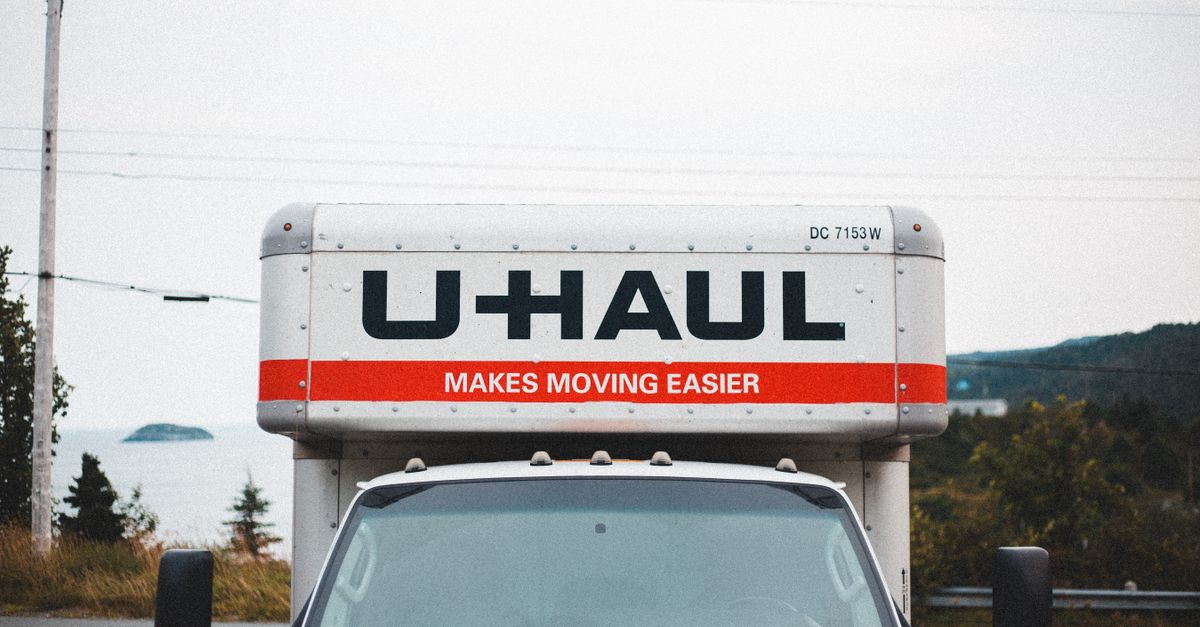
U-Haul specializes in towing equipment. They stock Class I, II, and III hitches. Rental costs $20-$50 daily. U-Haul offers nationwide availability and professional installation services at many locations.
Sunbelt Rentals
Sunbelt operates 500+ locations across the US. They rent heavy-duty hitches for commercial use. Daily rates start at $25. Longer rentals get discounted weekly and monthly rates.
Local Equipment Rental Shops
Independent rental stores often beat big-box pricing. Check Yelp or Google for "equipment rental near me." Local shops may offer personalized service and flexible rental terms.
Towing Service Providers
Many professional towing companies rent hitches. They understand vehicle compatibility. Some offer installation as part of the rental. Call local tow shops for quotes.
What Are Hitch Classes and Why Do They Matter?
Hitch classes determine towing capacity. Using the wrong class risks damage and safety issues.
Class I Hitches
Class I handles up to 2,000 lbs of towing capacity. Best for small trailers, boats under 20 feet, and utility trailers. These fit sedans and compact SUVs. Installation is straightforward.
Class II Hitches
Class II tows up to 3,500 lbs. Ideal for mid-size trailers and small RVs. Most pickup trucks and mid-size SUVs use Class II. This is the most popular hitch rental category.
Class III Hitches
Class III supports up to 8,000 lbs. Built for larger trailers, RVs, and commercial use. Full-size trucks and heavy SUVs need Class III. Installation requires professional help.
Class IV & V Hitches
These handle 10,000+ lbs. Rarely rented because most users own them. Specialized for commercial towing. Rental availability is limited.
Check your vehicle's manual or door jamb label for towing capacity. Never exceed it.
How to Choose the Right Hitch for Your Vehicle
Picking the wrong hitch causes problems. Follow these steps to get it right.
- Find your vehicle's towing capacity. Check the owner's manual or manufacturer website. Look at the door jamb label for specs.
- Measure your vehicle's bumper height. Most hitches drop 2-4 inches. Level trailers perform better and are safer.
- Check the tongue weight. Trailer tongue weight shouldn't exceed 10-15% of total towing capacity. This affects weight distribution.
- Consider your trailer type. Utility trailers need Class I. Boat trailers often need Class II. RVs typically require Class II or III.
- Verify ball size compatibility. Hitches use 1-7/8", 2", or 2-5/16" balls. Your trailer hitch coupler must match exactly.
- Ask the rental shop for help. Staff can confirm compatibility. They know common vehicle-hitch pairings.
When in doubt, go up one hitch class. Oversizing is safer than undersizing. Your vehicle handles it fine.
What's Included in a Typical Hitch Rental?
Rental packages vary, but most include basic components. Know what you're getting before you pay.
Standard Rental Package
You get the hitch receiver, mounting hardware, and safety chains. Some shops throw in wiring harness adapters. Installation instructions come with most rentals. Many include a ball mount or drop shank.
Premium Rental Package
Premium packages add professional installation labor. You might get a brake controller included. Some include trailer lights and wiring. Expect to pay $50-$100 extra.
What You Need to Bring
You'll need your vehicle keys and proof of insurance. A valid driver's license is required. Bring your vehicle's make, model, and year. Have the VIN handy.
Warning: Some rental shops require a damage deposit. It's usually $50-$200. You get it back when you return the hitch in good condition.
Installation: DIY vs. Professional Help
You can install a hitch yourself or hire pros. It depends on your skill level and vehicle type.
DIY Installation Basics
Class I hitches take 1-2 hours to install. You need basic tools: socket wrench, drill, and jack. Most rental shops provide step-by-step instructions. YouTube videos show common vehicle installations.
Class II and III hitches are trickier. They may require bumper removal. Wiring connections need proper crimping. This gets complicated for beginners.
Professional Installation
Shops charge $100-$300 for labor. U-Haul and Home Depot offer installation at many locations. Towing service providers often install rentals. Dealerships can install too, but cost more.
Professional installation includes warranty coverage. Mechanics check compatibility and safety. They handle wiring and electrical connections properly.
When to Skip DIY
If your vehicle has integrated bumpers, use a pro. Luxury cars often need special tools. Some vehicles require computer programming. Newer cars with sensors need expert help.
It's worth paying pros for peace of mind. Bad installation creates safety risks.
How to Prepare Your Vehicle for a Hitch Rental
Preparation prevents problems and delays. Do this before your rental date.
- Clean your bumper area. Dirt and rust make installation harder. Wash the back of your vehicle thoroughly.
- Locate the towing receiver. Some vehicles have factory receivers already installed. Check under the bumper. You might not need to install anything.
- Check for existing wiring. Many cars have pre-installed hitch wiring. This saves installation time and money.
- Remove bumper guards or trim. Some installations require bumper removal. Take off any aftermarket accessories first.
- Clear trunk and cargo space. Installation sometimes needs access to the rear. Remove items that block access.
- Check your battery condition. Wiring installation uses power tools. A weak battery causes problems. Test it beforehand.
- Take photos of your bumper. Document existing damage before installation. This protects you from false damage claims.
Good preparation makes rental day smooth. It saves time and potential disputes.
Understanding Rental Agreements and Insurance
Read the fine print before signing. Rental agreements have important details about liability and damage.
What Rental Agreements Cover
Most agreements cover normal wear and tear. They list what counts as damage. You're responsible for loss or theft. Extended rental periods often have discount terms.
Damage Waiver Options
Rental shops offer damage waivers for $5-$15 per day. This protects you from unexpected charges. It's worth buying for peace of mind. Without it, dents cost extra.
Insurance Coverage
Your vehicle's insurance may cover rental equipment. Call your insurer before renting. Some policies include towing equipment. Read Towing Insurance Coverage Guide: What's Covered and What's Not for details.
Credit card rental protection sometimes applies. Check your card's benefits. Some cover equipment rentals automatically.
Late Return Fees
Returning late costs extra. Most shops charge $20-$50 per day for overages. Plan your return carefully. Call ahead if you need extra time.
Money-Saving Tips for Trailer Hitch Rentals
Smart shopping reduces your rental costs. These tricks work at most rental shops.
Book Online for Discounts
Online reservations save 10-15%. Most major retailers offer web discounts. Reserve early for better availability. Confirm your booking 24 hours before pickup.
Rent During Off-Peak Times
Weekday rentals cost less than weekends. Summer rates are higher than winter. Avoid holiday weekends. Mid-week rentals often get special rates.
Compare Multiple Shops
Call at least three rental places. Prices vary wildly. Ask about loyalty discounts. Some shops offer coupon codes.
Skip the Premium Package
Basic rentals cost 30-50% less. You can install it yourself if you're handy. Watch tutorial videos first. Only upgrade if you're uncomfortable installing.
Ask About Long-Term Discounts
Weekly rates beat daily rates. Monthly rentals offer bigger savings. If you need it for two weeks, negotiate a monthly rate.
Join Rental Loyalty Programs
Home Depot and U-Haul have loyalty programs. Members get exclusive discounts. Sign up online for free. You'll earn points on future rentals.
Common Mistakes to Avoid When Renting a Hitch
These errors cost money and create hassles. Learn from others' mistakes.
Renting the Wrong Hitch Class
Using an undersized hitch is dangerous. Oversized hitches waste money. Know your vehicle's specs. Ask rental staff to confirm compatibility.
Ignoring Electrical Wiring
Trailer lights require proper wiring. Bad connections cause brake light failures. Some rentals include wiring. Ask if it's included. Improper wiring violates traffic laws.
Not Checking the Ball Size
Trailer couplers have specific sizes. A 2" ball won't work on a 2-5/16" coupler. Measure your trailer coupler first. Bring the measurement to the rental shop.
Skipping the Safety Inspection
Inspect the hitch before leaving the shop. Check for rust, cracks, or damage. Test that bolts are tight. Document any issues in writing. Take photos.
Exceeding Towing Capacity
Never load your trailer heavier than rated. This strains your vehicle and hitch. It voids insurance coverage. Weigh your trailer at truck stops. Most charge $5-$10.
Forgetting About Tongue Weight
Tongue weight affects vehicle handling. It should be 10-15% of total trailer weight. Too much tongue weight breaks springs. Too little causes trailer sway.
Comparing Rental vs. Buying a Trailer Hitch
Should you rent or buy? It depends on frequency and use.
When Renting Makes Sense
Rent if you use a hitch less than twice yearly. Rental costs stay low for occasional users. You avoid storage and maintenance. No long-term commitment.
Renting works for moving, vacations, and one-time projects. It's flexible and hassle-free.
When Buying Makes Sense
Buy if you tow regularly. After 3-4 annual rentals, purchase breaks even. Ownership costs include maintenance but offer convenience. You always have equipment ready.
Buying makes sense if you own a trailer. It's faster than renting each time. You control installation quality.
Cost Comparison Example
Occasional user (2 rentals/year): $200-$400 annually. Regular user (8 rentals/year): $800-$1,600 annually. Buying a hitch costs $150-$500 upfront, plus $100-$300 installation. After two years, ownership pays for itself.
Calculate your actual usage. Then decide based on numbers.
Questions People Ask About Trailer Hitch Rentals
Here are answers to common rental questions.
Can I Rent a Hitch Without Installation?
Yes. Most shops rent hitches alone. You install yourself or hire your own installer. This saves money if you're comfortable with DIY. Expect to pay $15-$50 daily for equipment only.
Do I Need a License to Tow?
Regular driver's licenses cover most towing. Some states require special endorsements for heavy loads. Check your state's DMV website. Commercial towing has different rules.
What If I Damage the Rental Hitch?
Minor damage is usually covered under normal wear. Major damage costs extra. Damage waivers cover accidental damage. Without one, expect $50-$300 in charges. Always buy the damage waiver.
Can I Return a Hitch Early?
Most shops don't refund unused rental days. Some offer prorated returns. Ask before renting. It's worth asking for partial refunds on long rentals.
Do Rental Hitches Come With a Ball?
Some do, some don't. Ask specifically. Most include a standard ball. Specialty balls (adjustable, anti-sway) cost extra. Know your trailer's coupler size first.
How Long Does Installation Take?
Class I: 1-2 hours. Class II: 2-3 hours. Class III: 3-4 hours. Professional shops work faster. Removal takes similar time.
Can I Rent a Hitch for a Luxury Car?
Yes, but it's more expensive. Luxury cars need special installation. Bumper removal is often required. Costs run $150-$400 in labor. Call ahead to confirm availability.
What About Towing at Night?
Trailers need working lights. Rental hitches include wiring if needed. Electrical connections must be correct. State laws require functioning brake lights. Never tow without proper lighting.
Can I Tow Multiple Trailers?
Most states prohibit towing two trailers. Some allow it with special permits. Check your state's laws. Your vehicle's capacity limits multi-trailer towing anyway.
What If My Vehicle Doesn't Have a Receiver?
Rental shops can install one. This costs $200-$500 extra. Some vehicles don't support receivers. Ask the shop about your specific vehicle. Factory receivers are sometimes available.
Finding the Best Trailer Hitch Rental Near You
Location matters for convenience and pricing. Here's how to find quality rental shops.
Search "trailer hitch rental near me" on Google Maps. Check Home Depot, U-Haul, and Sunbelt locations. Read reviews on Yelp and Google. Look for shops with 4+ stars and recent reviews.
Call ahead to confirm hitch availability. Ask about your vehicle's compatibility. Get pricing for your specific dates. Ask if discounts apply.
When you're ready, find towing services near you that also offer equipment rentals. Many professional towing companies rent hitches and offer installation.
Visit shops in person if possible. See the equipment condition. Talk to staff about your project. Personal interaction builds confidence.
Don't just pick the cheapest option. Quality matters more than price. A reliable rental saves time and stress.
Final Thoughts on Trailer Hitch Rentals
Renting a trailer hitch is smart for occasional users. It saves money, storage space, and hassle. You get professional equipment without long-term commitment.
Follow this guide to rent confidently. Know your vehicle's specs. Compare rental shops. Understand the agreement. Take care of the equipment.
Whether you're moving, hauling a boat, or towing an RV, rental hitches get the job done. Plan ahead, ask questions, and enjoy your towing project.
Need help finding reliable towing services in your area? Get a free towing quote from trusted providers on USA Tow Finder. We connect you with vetted towing companies that also offer equipment rentals and professional installation.
Prices from providers like Home Depot, U-Haul, and Sunbelt Rentals are current as of 2026. We're not affiliated with these companies. Always verify current rates and availability with local rental shops.
Frequently Asked Questions
Need Emergency Towing Services?
Don't wait when you're stranded. Get professional help now.
Find Towing Services Near You


Discussion (0)
Be the first to comment!
Share your experience or ask questions about towing services.