
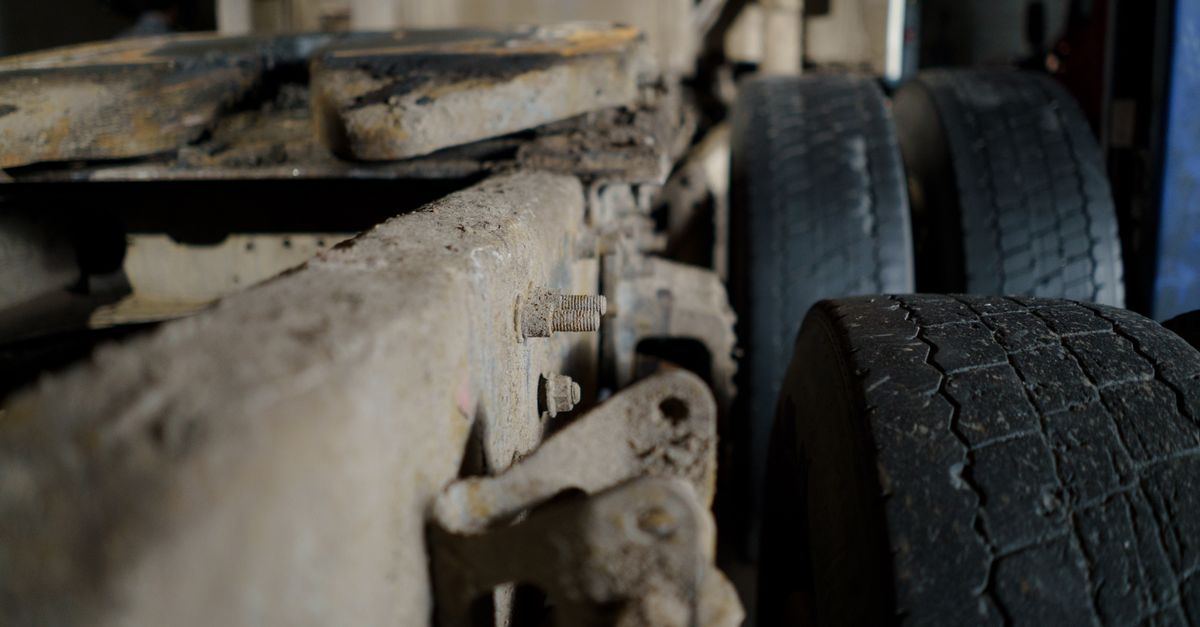
Getting a flat tire on your truck is frustrating. But finding quality truck tires repair near me doesn't have to be complicated. This guide walks you through everything you need to know about truck tire repairs, costs, and finding trusted local providers.
What Types of Truck Tire Damage Can Be Repaired?
Not every tire damage requires replacement. Understanding what's fixable saves you money and keeps you safe on the road. Most punctures in the tread area can be patched or plugged.
Repairable damage includes:
- Small punctures in the tread (nail, screw, or small object)
- Slow leaks from valve stem issues
- Minor sidewall nicks that don't penetrate deeply
- Bead leaks where the tire meets the rim
Most tire shops can fix these issues within an hour. The key is acting quickly. Driving on a leaking tire damages the internal structure, making repair impossible.
When Should You Replace Instead of Repair Your Truck Tire?
Some damage is too severe for repair. Safety comes first, so knowing the limits matters. Federal guidelines and tire professionals agree on clear replacement rules.
Replace your truck tire if:
- Puncture is larger than 1/4 inch diameter
- Damage is on the sidewall or shoulder area
- Tread depth is already below 2/32 of an inch
- Multiple punctures exist in the same tire
- Tire has been driven on while flat or severely underinflated
- Bulges, blisters, or cords are visible
- Tire is over 10 years old, regardless of tread depth
Sidewall damage is never safe to repair. The sidewall bears stress from your truck's weight. A patched sidewall can fail suddenly at highway speeds.
How Much Does Truck Tire Repair Cost in 2026?
Repair costs vary based on damage type and your location. Understanding pricing helps you budget and spot overcharges. Most repairs are affordable compared to replacement.
| Repair Type | Average Cost Range | Time to Complete |
|---|---|---|
| Plug repair | $15-$25 per tire | 15-30 minutes |
| Patch repair | $20-$40 per tire | 30-45 minutes |
| Plug and patch combo | $30-$50 per tire | 45-60 minutes |
| Valve stem replacement | $10-$20 per stem | 10-20 minutes |
| Bead sealing | $25-$50 per tire | 30-45 minutes |
| Full tire replacement | $150-$400+ per tire | 1-2 hours |
These prices are current as of 2026 and vary by location and truck tire size. Larger truck tires (like 35-inch off-road tires) cost more to replace. Urban areas typically charge more than rural regions.
Where to Find Truck Tires Repair Services Near You
Multiple options exist for getting your truck tires repaired. Knowing your choices helps you pick the best fit for your needs and budget. Each option has different advantages and wait times.
Local tire shops: Specialize in tire work and usually offer competitive pricing. Many provide same-day service and warranty their repairs. They're your best bet for quality work.
Gas stations and convenience stores: Quick fixes for plugs and patches. Prices are reasonable, but quality varies. Good for emergencies when you need fast help.
Truck service centers: Handle heavy-duty repairs specific to commercial trucks. Ideal if you drive a work truck. They understand commercial tire requirements.
Car dealerships: Offer repairs using OEM-quality parts. Usually more expensive than independent shops. Best if your truck is under warranty.
Mobile tire repair: Technicians come to you for punctures and plugs. Perfect for roadside emergencies. Availability varies by area.
For finding trusted providers, search for towing and tire services near you to compare options in your area.
How to Locate Truck Tire Repair Near Me: Step-by-Step
Finding quality truck tire repair takes just a few minutes online. Follow these steps to find trusted local shops quickly.
- Search your area: Use Google Maps and search "truck tire repair near me" or "tire shops near [your city]."
- Check reviews: Read Google Reviews, Yelp, and BBB ratings. Look for shops with 4+ stars and recent positive feedback.
- Call for quotes: Contact 2-3 shops and ask about pricing for your specific repair type.
- Ask about warranties: Good shops warranty their repairs for 1-2 years against defects.
- Verify hours: Confirm they're open when you need service. Some shops open early for commercial trucks.
- Check certifications: Look for ASE-certified technicians. This shows professional training.
- Ask about insurance: Some shops work with roadside assistance programs like AAA and GEICO.
Most shops can fit you in same-day if you call ahead. Emergency punctures usually get priority over scheduled maintenance.
What to Expect During Your Truck Tire Repair Appointment
Knowing the repair process helps you understand what technicians are doing. Most repairs follow a standard procedure that takes less than an hour.
Step 1: Inspection (5-10 minutes) — Technicians examine the tire to locate the damage. They check if repair is safe or if replacement is needed.
Step 2: Tire removal (5-10 minutes) — The tire is removed from the rim using a tire machine. This allows full access to repair the damage.
Step 3: Damage assessment (5 minutes) — The technician checks for internal damage. Driving on a flat tire often causes hidden damage inside the tire.
Step 4: Repair process (15-30 minutes) — Plugs or patches are applied using adhesive and heat. Modern patch-plug combos are most durable.
Step 5: Pressure testing (5 minutes) — The repaired tire is re-inflated and pressure-tested. It's checked for leaks using soapy water.
Step 6: Reinstallation (5-10 minutes) — The tire is remounted on your truck and torqued to proper specifications.
Ask technicians to show you the damage before and after repair. Good shops explain their work and answer your questions.
Cost Comparison: Repair vs. Replacement for Truck Tires
Sometimes it makes sense to replace instead of repair. Comparing total costs helps you make the smart choice. Consider tire age and remaining tread life.
Repair is better when: The tire is relatively new (less than 5 years old), has good tread depth remaining, and damage is minor. You'll save $200-$350 per tire.
Replacement is better when: The tire is near the end of its life, has low tread depth, or the repair cost is more than 50% of replacement cost. One new tire typically costs $150-$400.
Some shops offer discount rates if you replace multiple tires at once. Replacing all four tires together improves safety and handling. If two tires are damaged, replacing both on the same axle is often recommended.
For commercial truck owners, check if your insurance or roadside assistance coverage includes tire repairs. AAA, Progressive, and State Farm often cover emergency tire work.
How to Prevent Future Truck Tire Damage
Preventive maintenance saves money and keeps you safe. Most tire damage is avoidable with basic care and attention. Simple habits protect your investment.
Check tire pressure monthly: Underinflated tires overheat and fail faster. Use the PSI recommended on your driver's door jamb, not the tire sidewall.
Rotate tires every 5,000-7,000 miles: Rotation ensures even wear and extends tire life. Front tires wear faster on trucks due to load.
Inspect tread depth regularly: Use the penny test: insert a penny upside-down into tread. If you see Lincoln's head, your tread is too low.
Avoid overloading: Check your truck's GVWR (Gross Vehicle Weight Rating). Overloaded trucks put extreme stress on tires.
Drive smoothly: Aggressive acceleration, hard braking, and sharp turns damage tires faster. Smooth driving extends tire life by years.
Watch for road hazards: Avoid potholes, debris, and rough roads when possible. If you hit something hard, inspect your tires immediately.
Align your wheels: Misalignment causes uneven wear. Get an alignment check annually or whenever you notice pulling.
Emergency Truck Tire Repair: What to Do on the Road
Getting a flat tire while driving is stressful. Knowing what to do keeps you safe until professional help arrives. Follow these steps if you get a puncture.
- Stay calm and slow down: Don't brake hard. Gradually reduce speed and pull to a safe location away from traffic.
- Turn on hazard lights: Alert other drivers that you're stopped. This prevents accidents.
- Move off the road: Get as far from traffic as possible. Never repair a tire on the shoulder of a busy highway.
- Call for help: Use your phone to call a tire shop or towing service. Most shops send mobile repair units for roadside flats.
- Use your spare temporarily: If you have a spare, change to it for safer driving. But drive slowly to the nearest repair shop.
- Don't attempt roadside patches: Temporary plug kits are risky. Professional repair is safer and often just as quick.
- Document the damage: Take a photo of the puncture for your records or insurance claim.
Roadside assistance programs like AAA or your insurance company often cover emergency tire repairs. Check your coverage before you need it. If you need professional help getting to a repair shop, roadside assistance services can tow your truck safely.
Understanding Tire Repair Warranties and Guarantees
Quality tire shops stand behind their work with warranties. Understanding warranty terms protects you if problems arise. Most reputable shops offer solid guarantees.
Standard repair warranty (1-2 years): Covers defects in the repair workmanship and materials. If the repair fails due to shop error, they'll fix it free.
Lifetime warranty: Some shops offer lifetime warranties on plug repairs. This covers you for the life of the tire.
What warranties don't cover: Damage from hitting another object, overloading, or driving on an underinflated tire. Warranties are for repair defects only.
Get it in writing: Always ask for a written warranty. Good shops provide documentation of their guarantee.
Ask about warranty details before authorizing repair. A shop willing to warranty work shows confidence in their quality.
Truck Tire Repair vs. Professional Towing Services
Sometimes a damaged tire requires more than just repair. If your truck is unsafe to drive, professional towing may be necessary. Understanding when to tow protects your truck.
Call a tow truck if your tire damage makes driving unsafe. Severe sidewall damage, multiple flats, or damage to the rim requires professional transport. Driving on damaged tires risks further damage to suspension, brakes, and steering components.
Professional towing is covered by most roadside assistance plans. AAA, Progressive, GEICO, and State Farm all offer towing coverage. Check your policy to see what's included.
For information about towing costs and coverage, read our complete pricing guide for towing services. Understanding your options helps you make smart decisions in emergencies.
If you need a tow to a repair shop, find trusted towing services near you through USA Tow Finder.
Common Mistakes to Avoid When Repairing Truck Tires
Many truck owners make mistakes that lead to unsafe repairs or higher costs. Learning what to avoid saves money and keeps you safe. Here are the biggest errors.
Mistake 1: Ignoring sidewall damage. Sidewall repairs fail suddenly. Never agree to repair sidewall damage. Replacement is the only safe option.
Mistake 2: Driving on a flat tire too long. Every mile on a flat damages the tire internally. This makes repair impossible and forces replacement.
Mistake 3: Using cheap plug-only repairs. Plugs alone don't hold in truck tires long-term. Demand a patch-plug combo for better durability.
Mistake 4: Skipping pressure checks. Many flats happen because drivers ignore low pressure warnings. Check pressure monthly.
Mistake 5: Choosing the cheapest shop. Bargain shops often use low-quality materials. Spend a bit more for quality work that lasts.
Mistake 6: Not asking about certifications. ASE-certified technicians have proven training. Uncertified shops may not use proper repair procedures.
Mistake 7: Ignoring tire age. Tires older than 10 years are unsafe regardless of tread depth. Replace aging tires even if they look fine.
Frequently Asked Questions
Need Emergency Towing Services?
Don't wait when you're stranded. Get professional help now.
Find Towing Services Near You


Discussion (0)
Be the first to comment!
Share your experience or ask questions about towing services.