
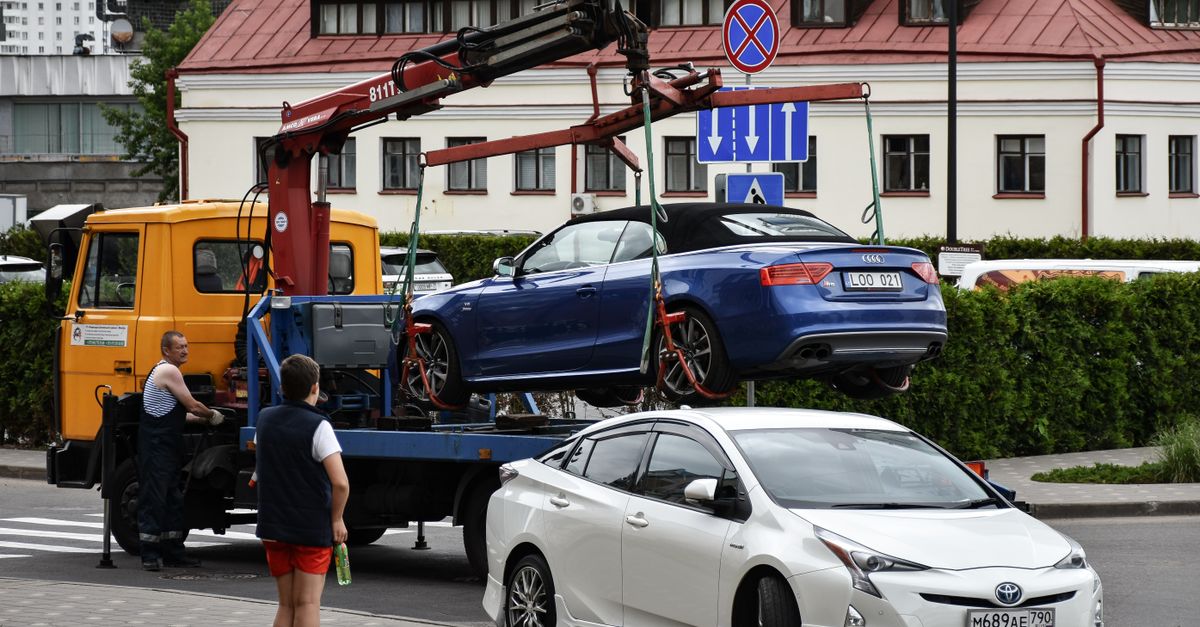
You've probably been shocked by a towing bill before. A simple 10-mile tow that took 20 minutes somehow costs $150 or more. It feels wrong. But here's the thing—towing companies aren't trying to rip you off. They're operating one of the most expensive service businesses out there.
Understanding why towing costs so much helps you make smarter decisions about roadside coverage. It also helps you spot fair pricing versus actual overcharges. Let's look at the real numbers behind those bills.
What's Actually Included in a Tow Bill?
Your tow bill isn't just paying for the drive time. It covers dozens of hidden costs that happen before and after the truck shows up. Most people only see the final number, not the business expenses stacked behind it.
When you call a tow truck, you're paying for equipment, labor, insurance, dispatch, and the company's ability to answer your call in the middle of the night. You're also paying for all the tows that never happened—the trucks sitting idle waiting for calls.
A typical tow bill breaks down like this: basic service fee (the core charge), mileage charges, labor time, equipment fees, and sometimes storage or recovery surcharges. Each part adds up fast, and most of it goes toward keeping the business running, not profit.
How Much Does a Tow Truck Actually Cost to Buy?
Let's start with the biggest expense: the truck itself. A standard light-duty tow truck costs between $100,000 and $150,000 new. Heavy-duty wreckers run $200,000 to $400,000. Flatbed trucks fall somewhere in the middle at $120,000 to $180,000.
That's just the chassis. Add the towing equipment—winches, hooks, chains, lights, and safety gear—and you're adding another $10,000 to $50,000 depending on the truck type.
Most operators finance these trucks over 5-10 years. Monthly payments alone run $1,500 to $3,500 per vehicle. A company with just five trucks is making $7,500 to $17,500 monthly payments before paying a single employee or buying fuel.
That equipment also needs constant maintenance. Hydraulic systems, winches, and towing mechanisms wear out fast. Annual maintenance on a single truck can cost $3,000 to $8,000. Major repairs? Try $10,000 to $25,000.
Why Is 24/7 Emergency Response So Expensive to Maintain?
Towing companies don't just operate 9-to-5. They're available at 3 AM on Sunday. That costs money—lots of it.
To keep trucks on the road around the clock, companies need multiple shifts of drivers and dispatchers. A single driver might earn $35,000 to $55,000 annually for this work. Add benefits, payroll taxes, and workers' compensation insurance, and that driver costs the company $50,000 to $75,000 per year.
Most towing operations employ at least 3-5 drivers per truck to cover all shifts. That's $150,000 to $375,000 in annual labor per truck—before dispatchers, office staff, or management.
Emergency response means you can't just hire drivers when you need them. You're paying people to wait. A driver sitting at the lot from 2 AM to 6 AM waiting for calls is still costing the company money. That's unavoidable overhead.
Insurance: The Hidden Cost That Eats Profits
Here's an expense most customers never think about: liability insurance. Towing is risky. You're connecting cables to someone's car, towing it down busy highways, and handling situations under stress.
A typical towing company pays $3,000 to $8,000 monthly for commercial general liability and auto liability insurance. That's $36,000 to $96,000 per year—for one truck.
Add workers' compensation (required by law), garage keepers liability, and cargo insurance, and annual insurance costs hit $80,000 to $150,000 for a single-truck operation. Larger fleets pay even more.
Insurance also goes up after claims. One accident where a customer's car gets damaged during towing? That's not a small price tag. It's one reason towing companies seem cautious about towing expensive vehicles.
Warning: This is also why you should verify a company is insured before letting them tow your car. Uninsured tow operators can't cover damage—you're left holding the bill.
Fuel, Maintenance, and Vehicle Operating Costs
Tow trucks aren't fuel-efficient. A typical tow truck gets 5-8 miles per gallon, sometimes worse. At current fuel prices around $3.00 to $3.50 per gallon, fuel costs add up fast.
A truck making 10 tows per day averaging 20 miles each (200 miles) burns 25-40 gallons. That's $75 to $140 in fuel daily, or $27,000 to $51,000 annually per truck.
Beyond fuel, there's tire replacement (tow trucks go through tires fast), oil changes every 3,000-5,000 miles, transmission servicing, and brake work. Running a tow truck costs roughly $0.50 to $1.00 per mile in operating expenses alone.
Dispatch software, GPS tracking, communication systems, and technology add another $500 to $2,000 monthly per operation. These systems are essential for safety, efficiency, and customer accountability.
Why Location and Demand Affect Pricing
Towing costs vary wildly depending on where you live. Rural areas charge more per mile because distances are longer. Urban areas charge more because rent, labor, and overhead are higher.
A basic tow in Manhattan might cost $200 to $400 for just a few miles. The same tow in rural Montana might be $100 to $150 per mile because the truck has to travel far between calls.
Demand matters too. During winter in cold climates, tow trucks are slammed with dead batteries and slide-offs. Companies can charge more because demand exceeds supply. During slow seasons, they might offer discounts just to stay busy.
Peak hours (rush hour, holidays, weekends) often come with surcharges. That's not greed—it's because more calls mean longer wait times, and customers pay more to jump the queue.
Specialized Equipment and Service Premiums
Not all tows are simple. Some require specialized equipment that costs serious money. These services naturally cost more.
Heavy-duty recovery: Towing a semi truck or flipped vehicle needs a heavy wrecker. These specialized trucks cost $250,000 to $500,000 and require specially trained operators. Recovery calls cost $500 to $2,000+ because of the equipment and expertise involved.
Flatbed towing: Luxury cars, motorcycles, and low-clearance vehicles need flatbeds. Flatbed trucks cost more to operate and come with higher insurance. Expect to pay 20-40% more than standard towing for this service.
Long-distance towing: Cross-state tows require planning, fuel budgeting, and longer driver hours. These cost $2-$5 per mile depending on distance. A 500-mile tow runs $1,000 to $2,500 easily. If you need this service, check our Long-Distance Towing Guide: Cross-State Considerations to understand the breakdown.
Winch recovery: Pulling a car out of a ditch or water requires winch operators and extra equipment. Recovery calls cost $300 to $1,500+ depending on difficulty.
RV and motorhome towing: These vehicles are huge and need specialized equipment and expertise. Learn more in our RV and Motorhome Towing Guide: Special Equipment Needs. Expect to pay $150-$300+ per hour for RV specialists.
How Regulatory Compliance Adds to Costs
Towing companies operate under strict state and local regulations. Compliance costs money, and those costs get passed to customers.
Every state has different maximum towing rate limits. Many states require tow operators to post rates clearly and get written authorization before towing. Some states require inspections, licensing fees, and bond requirements. Learn what applies where you live in our Maximum Towing Rates by State 2026: Complete Price Guide.
Storage facilities must meet building codes. Tow lots need proper drainage, lighting, and security systems. Operators must maintain detailed records and have dispatch logs available for inspection.
Many cities require towing companies to be licensed and bonded. Bonding costs $1,000 to $5,000 annually depending on the city and company size. Licensing, renewal fees, and compliance audits add hundreds more each year.
If a company operates in multiple states, they're following different rules in each one. That complexity requires legal expertise and administrative overhead.
Dispatch, Call Centers, and Customer Service Overhead
When you call a tow company, you're reaching a dispatch center. Someone answers your call, enters your information, dispatches the nearest truck, tracks the driver, and handles payment. That entire operation costs money.
A single dispatcher can handle about 10-15 active calls at once. Larger companies need 2-3 dispatchers per shift. That's $25,000 to $40,000 per year per dispatcher in salary and benefits, or $75,000 to $120,000 annually just for dispatch staff at a medium-sized company.
Modern dispatch systems use GPS, real-time tracking, and customer communication platforms. These software systems cost $500 to $3,000 monthly for most companies. Over a year, that's $6,000 to $36,000.
Customer service staff handle complaints, billing questions, and damage claims. This team costs money too. A company with 50+ calls per day needs at least one full-time customer service person—another $30,000 to $50,000 annually.
Why Storage and Impound Fees Are So High
If your tow company stores your car, you'll see separate storage charges. These aren't gouging—they reflect real costs. Storage facilities have expenses like property rent, utilities, security, and insurance.
A typical tow lot costs $3,000 to $10,000 monthly to operate, depending on size and location. In urban areas, that's easily $36,000 to $120,000 annually just for the lot itself.
Security systems, lighting, fencing, and insurance add thousands more. Staff to monitor the lot, check vehicles in and out, and handle administrative work cost $30,000 to $60,000 per year.
Most states have legal limits on storage fees. Check Towing Storage Fees: Legal Limits by State 2026 to see what's allowed where you live. Even at legal limits, storage fees quickly become expensive.
How Competition and Profit Margins Really Work
You might think towing companies make huge profits. The reality is they operate on surprisingly thin margins—often just 5-15%.
A tow that charges $150 might break down like this: fuel $20, labor $50, truck depreciation $30, insurance $20, overhead $20, profit $10. That's only a 6-7% profit margin on a single tow.
Towing companies need high volume to survive. They can't afford slow days. Bad weather, economic downturns, or competition cuts directly into already-thin profits.
This is why finding a reliable tow company matters. Learn how to spot trustworthy operators in our How to Choose a Reliable Tow Truck Company: Expert Guide 2026. The cheapest option often isn't sustainable—those companies cut corners on safety or service.
Ways to Reduce Your Towing Costs
Understanding why towing costs so much helps you find ways to save. Here are practical strategies:
Get Roadside Assistance Coverage
Roadside assistance memberships (AAA, Progressive, GEICO, State Farm) often include towing at fixed rates or fully covered. Annual membership costs $50 to $200 but can save $100 to $300+ per incident. If you have a breakdown every 2-3 years, membership pays for itself. Check our Best Roadside Assistance: Complete 2026 Guide to compare options.
Some insurance policies include roadside assistance. Before signing up for a separate membership, verify what your auto insurance covers. You might already have towing included.
Check Your Insurance Coverage
Many auto insurance policies include towing coverage as an optional add-on, usually $5 to $15 monthly. This covers $50 to $500 per tow depending on your policy. Read our Towing Insurance Coverage Guide: What's Covered and What's Not to understand what you have.
If you don't have towing coverage and get towed frequently, adding it costs less than a single emergency tow.
Call Multiple Companies for Quotes
Towing prices vary by company. Call 2-3 local operators and compare rates before you need emergency towing. Ask about their base rates, mileage charges, and any surcharges. Get quotes in writing.
Find trusted towing providers on USA Tow Finder to locate operators near you and compare pricing.
Prevent Breakdowns Before They Happen
Regular maintenance prevents most towing emergencies. Oil changes, battery checks, and tire rotations cost $100 to $300 annually but prevent breakdowns that cost $150 to $500+.
Keep your battery in good shape, maintain proper tire pressure, and get regular inspections. Prevention is always cheaper than emergency response.
Understand Local Rate Regulations
Some states cap towing rates. Know the legal maximum in your area so you can spot overcharges. Many cities publish standard rates for non-emergency towing. If a company quotes way above the standard, get a second opinion.
Frequently Asked Questions About Towing Costs
Why do towing companies charge per mile when the distance is short? Even short tows require the same equipment, labor, and overhead costs. A 5-mile tow needs the same truck, driver, insurance, and fuel-up as a 50-mile tow. Mileage charges cover distance-specific costs (fuel, wear and tear), but the base fee covers the fixed overhead.
What's the difference between standard towing and emergency towing rates? Emergency towing (called out at night, weekends, or holidays) costs more because it requires paying drivers premium rates to be available during off-hours. A 2 AM tow costs more than a 2 PM tow because the driver gets paid more for working nights. This is standard across service industries.
Can I negotiate a lower tow rate in an emergency? Usually not. Emergencies are when operators charge standard rates—there's no time to negotiate. To get better rates, arrange non-emergency towing ahead of time or use roadside assistance that locks in fixed rates.
Are there towing companies that charge less than others? Yes, but be cautious. Some charge less because they operate efficiently and have lower overhead. Others cut corners on safety, insurance, or equipment. A suspiciously cheap tow might damage your car or leave you uninsured if something goes wrong.
What should I do if a tow company overcharges me? Get a detailed itemized receipt and compare it to your state's legal rate limits. File a complaint with your state's attorney general or consumer protection office if you believe you were overcharged. Many states investigate towing complaints seriously.
Do all towing companies charge the same rates? No. Rates vary by location, company size, equipment type, and demand. Rural areas charge more per mile. Urban areas charge more per hour. Heavy-duty or specialized towing costs significantly more than standard towing.
Is it worth joining a roadside assistance program? If you have an older car, drive long distances, or have had breakdowns before, yes. The annual cost is small compared to one emergency tow. If your car is new with a warranty and you rarely drive, it might not be worth it.
What happens if my car gets damaged during towing? The tow company's liability insurance should cover it. This is why it's critical to verify the company is insured before letting them tow. Get the company's insurance information and file a claim if damage occurs.
Can I use my AAA membership for someone else's car? Most AAA plans only cover the member's vehicle. Check your specific membership to see if guest towing is included. Our Can I Use AAA for a Friend? Complete Membership Rules covers this in detail.
Why do some towing companies charge different rates for different vehicle types? Luxury cars, RVs, and specialty vehicles require different equipment and expertise. Flatbed towing costs more than standard towing. Heavy vehicles cost more than light vehicles. Operators price based on the actual cost to serve each vehicle type.
The Bottom Line: You're Paying for Safety and Reliability
Towing seems expensive until you break down the costs. You're paying for expensive equipment, trained operators, insurance protection, and 24/7 availability. You're paying for a business to be ready when you need it most.
The next time you see a tow bill, remember: that price reflects real costs, not greed. Operators need that revenue to stay in business and serve the next customer in an emergency.
Smart customers manage towing costs by getting roadside assistance, understanding their insurance coverage, and maintaining their vehicles. These steps cost far less than repeated emergency tows.
Prices from providers like AAA, GEICO, Progressive, and State Farm are current as of 2026. We're not affiliated with these companies. All rates and costs mentioned reflect 2026 market conditions and may vary by location and provider.
Frequently Asked Questions
Need Emergency Towing Services?
Don't wait when you're stranded. Get professional help now.
Find reliable towing services near you


Discussion (0)
Be the first to comment!
Share your experience or ask questions about towing services.