
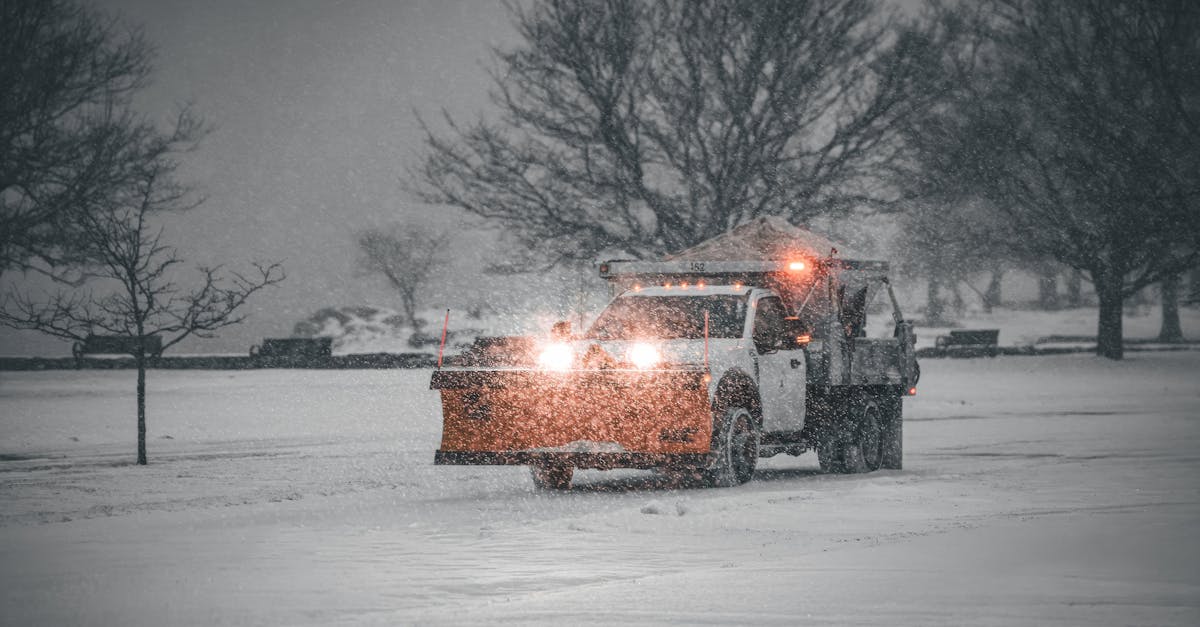
Why Winter Car Emergency Kits Actually Save Lives
Winter driving isn't just inconvenient—it's dangerous. Temperatures drop. Roads freeze. Your car breaks down at the worst possible moment.
A solid winter car emergency kit buys you time and keeps you safe until help arrives. You're not trying to fix everything yourself. You're trying to survive comfortably and stay visible to other drivers.
The trick? Skip the junk. Focus on what actually works.
How to Assess What You Really Need
Not every winter kit works for every driver. Your needs depend on three things: where you live, how far you drive, and how comfortable you are in cold conditions.
If you live in Minnesota, your kit looks different than someone in Georgia. If you drive 45 minutes to work daily, you need more than someone who stays local.
Start here: What's the worst-case scenario for you? Stranded on a rural highway for hours? Stuck in city traffic after an accident? Your answer guides your kit.
The Five Essentials Every Winter Kit Needs
Before you buy anything fancy, get these five items. They handle 90% of winter emergencies.
1. Blankets or Emergency Sleeping Bag
Hypothermia kills faster than you'd think. A thick blanket—or better yet, an emergency sleeping bag—keeps your core temperature up while you wait for help.
Don't grab a thin throw blanket from your closet. Buy a dedicated emergency blanket or sleeping bag rated for cold weather. They cost $15–$30 and take up minimal space. Keep it in your trunk year-round.
2. Jumper Cables or a Portable Jump Starter
Cold weather drains your battery faster. Sometimes a jump is all you need to get moving again.
Jumper cables cost $10–$20 but require another car nearby. A portable jump starter ($40–$80) works alone—no other vehicle needed. If you're not confident using cables, the jump starter is worth the extra money.
3. A Reliable Flashlight with Extra Batteries
You break down after dark. A dead flashlight is useless. Buy a bright LED flashlight and pack extra batteries in your kit.
LED flashlights last longer and handle cold better than old incandescent bulbs. Spend $15–$25 on one that actually works.
4. First Aid Kit
Accidents happen. You might cut yourself fixing something or need bandages after a fender bender.
You don't need a massive kit. A basic first aid kit with bandages, gauze, antiseptic, and pain relievers costs $10–$20 and handles most minor injuries.
5. Phone Charger (Car and Portable)
Your phone dies in the cold. A dead phone means no way to call for help. Carry a car charger and a portable power bank.
A decent power bank costs $20–$40 and charges your phone multiple times. Keep both in your kit.
Visibility and Communication Tools You Can't Skip
If you're broken down on the side of a road, other drivers need to see you. And you need a way to call for help.
Reflectors, Flares, or Emergency Triangles
These are cheap and critical. When you break down, place them 100 feet behind your car so oncoming drivers see you coming.
Reflective triangles cost $10–$15 for a set. They're safer than flares in the snow because they won't blow out.
Hazard Lights (Already in Your Car)
Turn them on immediately when you break down. It's the first thing you should do.
A Way to Contact Help
Your phone is your lifeline. Make sure you have:
- A car charger plugged in and ready
- A portable power bank with a full charge
- Emergency numbers saved (not just relying on your phone to find them)
Consider roadside assistance like AAA or similar services. They dispatch help directly to you.
Warmth and Comfort Items That Actually Matter
You might be stuck for hours. Staying warm and comfortable keeps panic down and helps you think clearly.
Extra Layers and Gloves
Keep a heavy jacket, gloves, and a hat in your car during winter. Don't rely on what you're wearing that day.
Store them in a waterproof bag so they stay dry if your car gets wet.
Hand Warmers
Chemical hand warmers cost $1–$2 each and last for hours. Grab a box of 10. They're tiny and literally life-saving.
Snacks and Water
Pack non-perishable snacks (granola bars, nuts, dried fruit) and a bottle of water. Low blood sugar makes cold feel worse.
Replace the water every few months so it stays fresh.
Ice Scraping and Visibility Tools
You can't drive safely if you can't see. Ice scrapers are obvious, but here's what actually works:
Ice Scraper with Brush
Buy one that has both an ice scraper on one end and a soft brush on the other. They cost $5–$10.
Keep one in your car at all times during winter. Keep a backup in your garage.
Windshield Washer Fluid (Winter Formula)
Regular washer fluid freezes. Winter formula stays liquid in sub-zero temps. Fill up before the cold hits and keep a gallon in your trunk.
Defrost Your Windows Properly
Never scrape off ice by slamming your windshield with a scraper. Start your car, turn on the defroster, and let it run for a few minutes. Then scrape gently.
Rushing this step cracks windshields.
Traction and Getting Unstuck
Snow and ice mean your tires lose grip. Sometimes you need help getting moving again.
Tire Chains or Cable Chains
If you live in an area with heavy snow, chains might be required by law. Check your state's regulations.
Chains cost $50–$150 depending on your tire size. They're annoying to install but absolutely necessary in mountainous or very snowy regions.
Bag of Sand or Kitty Litter
Spread sand or kitty litter under your tires for traction. A 20-pound bag costs $3–$5 and takes up minimal trunk space.
This isn't a permanent fix, but it helps you get enough grip to move a few feet and get unstuck.
Shovel
A lightweight folding shovel costs $15–$30 and lets you clear snow from around your wheels. In deep snow, this makes the difference between stuck and moving.
Tools You Might Skip (Unless You Know How to Use Them)
Your winter kit isn't a toolbox. Don't fill it with stuff you won't use or don't understand.
Spare Belts and Hoses
Unless you know how to install them, leave these out. You're waiting for professional help, not fixing your engine on the roadside in freezing cold.
Spare Spark Plugs
Same story. Skip them.
Multi-Tool or Knife
A basic multi-tool ($15–$25) can be useful for small fixes, but only if you know what you're doing. If you're unsure, focus on your emergency kit instead.
Flares
Reflectors are safer in snow. Flares can blow out or start fires. Choose reflectors.
How to Pack Your Kit for Easy Access
A great kit hidden in your trunk is useless. Pack it smart.
Use a Clear Plastic Bin or Bag
Everything goes in one visible container. You grab it and go. Costs $5–$10.
Keep Critical Items Within Reach
Your ice scraper should be in the car, not buried in your trunk. Same with jumper cables or a jump starter.
Your blanket, flashlight, and first aid kit can live in the trunk.
Label Everything
In an emergency, you're stressed. Clear labels mean you find what you need fast.
Check Your Kit Every Fall
Replace batteries. Check expiration dates on first aid supplies. Make sure your flashlight works. Refresh your power bank charge.
Building Your Winter Kit: A Step-by-Step Checklist
Here's how to build a solid winter car emergency kit from scratch:
- Get a container: Buy a clear plastic bin or waterproof bag to hold everything.
- Add warmth: Throw in an emergency blanket or sleeping bag and chemical hand warmers.
- Add light: Pack a bright LED flashlight and extra batteries.
- Add power: Include jumper cables or a jump starter, plus a car charger and power bank.
- Add visibility: Pack reflective triangles, an ice scraper, and winter washer fluid.
- Add first aid: Toss in a basic first aid kit.
- Add traction: Include sand, kitty litter, or a folding shovel if you live in snowy regions.
- Add comfort: Pack extra gloves, a hat, snacks, and water.
- Test everything: Make sure your flashlight works, jumper cables are complete, and your power bank charges.
- Keep it accessible: Store your kit where you can grab it in an emergency.
- Check it every fall: Replace expired items and refresh batteries.
When Your Winter Kit Isn't Enough: Calling for Professional Help
Sometimes your kit helps you survive, but you still need a tow truck. That's what professional towing services are for.
If your car won't start even after a jump, if you're stranded far from home, or if you're injured, call a tow truck. Don't try to drive on a flat tire or with a serious mechanical problem.
Understand your towing insurance coverage before you need it. Some auto insurance plans include towing. AAA members get free towing up to 100 miles. Roadside assistance plans vary.
Know what you're covered for so you're not surprised by costs when help arrives.
Budget-Friendly Winter Kit Options
You don't need to spend a fortune. Here's a basic kit that costs under $100:
- Emergency blanket: $15
- Jumper cables: $15
- LED flashlight + batteries: $20
- First aid kit: $15
- Power bank: $20
- Reflective triangles: $10
- Ice scraper: $8
Total: About $103
If you want to upgrade, add a portable jump starter ($50–$80) instead of jumper cables, and a folding shovel ($20). That brings you to about $150–$180 for a premium kit.
Either way, you're prepared. Prices from providers like AAA, GEICO, and Progressive are current as of 2026. We're not affiliated with these companies.
Frequently Asked Questions About Winter Car Emergency Kits
Let's answer the questions we hear most often:
What's the most important item in a winter car emergency kit?
A blanket or emergency sleeping bag. Hypothermia is your biggest threat. Staying warm keeps you alive while you wait for help.
Do I really need jumper cables if I have roadside assistance?
Roadside assistance can take 30 minutes to an hour to arrive. Jumper cables let you fix a dead battery instantly if another car is nearby. Having both gives you options.
Should I keep my winter kit in my car year-round?
Yes, but refresh it seasonally. Remove items that can freeze (like washer fluid) in summer, and add them back in fall. Keep your blanket, flashlight, and first aid kit in the car all year.
What should I do if I break down on a highway?
Turn on your hazard lights immediately. Place reflective triangles 100 feet behind your car. Stay inside your car with the doors locked unless it's unsafe. Call for help. Don't try to flag down strangers.
Can I use regular blankets instead of an emergency sleeping bag?
Thin blankets won't keep you warm enough in freezing temperatures. A dedicated emergency sleeping bag or thick blanket designed for cold weather is worth the $20–$30 investment.
How often should I check my winter kit?
Check it every fall before winter hits. Replace batteries, refresh your power bank charge, and check expiration dates on first aid supplies. Do a quick check again in January.
Is a portable jump starter better than jumper cables?
A portable jump starter works alone and doesn't require another car. Jumper cables are cheaper but need someone to help you. If you're often alone, a jump starter is worth the extra cost.
What should I do if my car slides on ice?
Don't panic. Ease off the gas and steer in the direction you want the front of the car to go. Avoid slamming on the brakes. Once you regain control, drive slowly to the nearest safe location. Your winter kit won't help with this, but knowing what to do will.
Should I keep snacks and water in my winter kit?
Yes. Low blood sugar makes cold feel worse. Pack non-perishable snacks like granola bars or nuts. Replace water every few months so it stays fresh.
Do I need tire chains if I have good winter tires?
It depends on where you live. Some states and mountain passes require chains by law, even if you have winter tires. Check your local regulations. Winter tires are essential, but chains might still be mandatory in your area.
Final Thoughts: Keep It Simple and Practical
Your winter car emergency kit doesn't need to be complicated. Focus on warmth, visibility, communication, and basic tools.
Build your kit now, before winter hits hard. Test everything to make sure it works. Check it every fall and refresh items as needed.
Most importantly, hope you never need it—but you'll sleep better knowing you're prepared.
If you do break down and need professional help, find trusted towing services near you through USA Tow Finder. We connect you with reliable providers in your area who can get you back on the road safely.
Frequently Asked Questions
Need Emergency Towing Services?
Don't wait when you're stranded. Get professional help now.
Find Towing Help Near You
Discussion (0)
Be the first to comment!
Share your experience or ask questions about towing services.