
What Is Breakdown Cover and Why You Need It
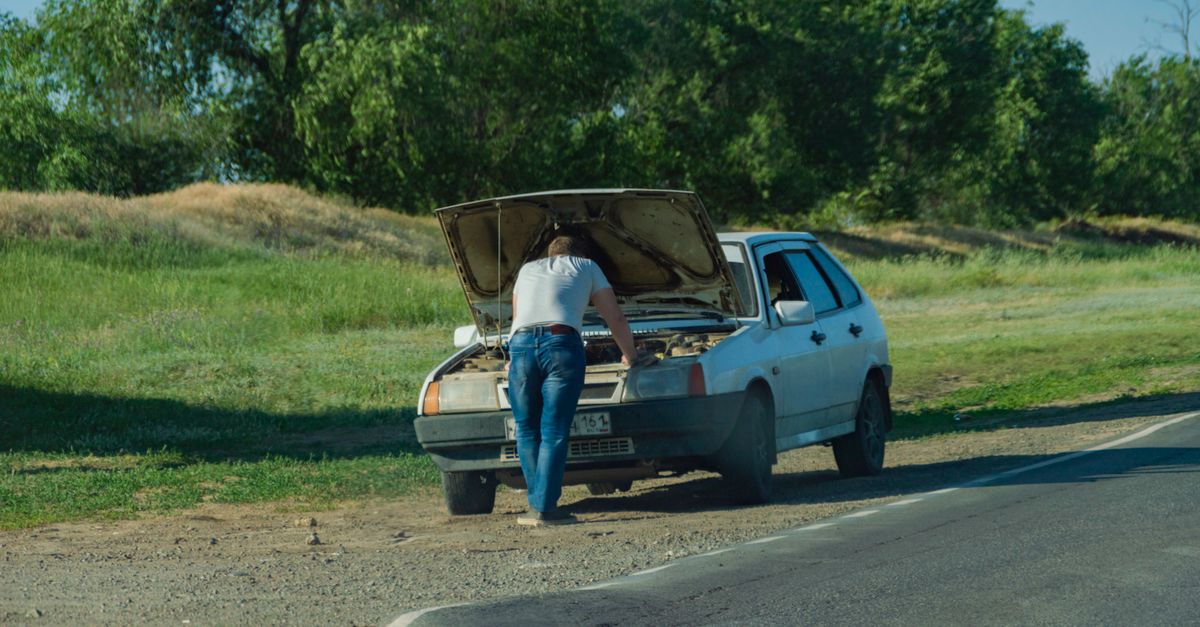
Breakdown cover is a service that sends help when your car stops working on the road. It's different from regular car insurance—it doesn't cover accidents or damage. Instead, it pays for roadside assistance when your engine won't start, you get a flat tire, or you run out of gas.
Think of it as insurance for the unexpected. Your car breaks down at 2 a.m. on a dark highway. Breakdown cover gets a technician to you fast. They fix the problem if they can, or tow you to safety. Without it, you're paying out of pocket for the tow truck.
In 2026, about 35% of American drivers have some form of breakdown coverage. It's especially smart if you drive an older car, take long trips, or live far from repair shops. Here's the thing: one tow can cost $150-$500. Breakdown cover pays for itself after just one call.
How Does Breakdown Cover Work?
When your car breaks down, you call your breakdown provider's number. You tell them where you are and what's wrong. They send the nearest technician to help you.
The technician arrives within 30-90 minutes (depending on your location). They'll try to fix the problem right there on the road. Can't fix it? They tow you to a repair shop or your home—wherever you need to go.
Most plans work 24/7, even holidays. You don't pay anything at the scene. The provider handles the bill. This is huge because you're stressed and stranded—you don't want to negotiate prices.
Here's a real example: Your battery dies in a parking lot. You call your breakdown provider. A technician arrives 45 minutes later, jump-starts your car, and you're on your way. Cost to you? Zero. Without coverage, you'd pay $75-$150 for that same service.
What Does Breakdown Cover Include?
Coverage varies by plan, but here's what most providers offer:
Standard Coverage (Basic Plans)
- Jump-starts: Dead battery? They jump your car.
- Fuel delivery: You're out of gas. They bring fuel to you.
- Lockout service: Keys locked in the car? They unlock it.
- Flat tire assistance: They change your tire or tow you to a shop.
- Minor repairs: Belts, hoses, and other quick fixes on the roadside.
- Towing: Usually up to 5-10 miles to a repair shop.
Premium Coverage (Higher-Tier Plans)
- Unlimited towing: Towed as far as you need—no mileage limits.
- Home start: Help even if you break down in your driveway.
- Relay towing: If the first shop can't fix you, they tow you somewhere else at no extra cost.
- Onward journey: They pay for a rental car or hotel if repairs take time.
- Roadside escort: They guide you to the nearest repair shop.
Check your plan's details carefully. Some providers don't cover breakdowns caused by wear and tear (like old brakes). Others exclude vehicles over 10 years old. Read the fine print before you sign.
Breakdown Cover vs. Roadside Assistance: What's the Difference?
These terms sound the same, but they're not identical. Here's how they differ:
Breakdown cover is a dedicated service for when your car stops working. You pay a yearly fee. It covers mechanical issues, lockouts, dead batteries, and fuel problems. Most plans include towing.
Roadside assistance is broader. It can include jump-starts, lockouts, fuel delivery, and sometimes minor repairs. But it often doesn't include towing. Some roadside assistance plans are add-ons to auto insurance rather than standalone products.
Think of it this way: All breakdown cover includes roadside assistance, but not all roadside assistance includes breakdown cover. When shopping, ask whether towing is included. If you need to be towed, you want breakdown cover, not just basic roadside help.
For more details on coverage types, see our Roadside Assistance: Complete Guide for 2026.
How Much Does Breakdown Cover Cost?
In 2026, breakdown cover costs between $50 and $250 per year. Here's what affects the price:
Factors That Change Your Price
- Coverage level: Basic plans cost $50-$100. Premium plans with unlimited towing run $150-$250.
- Vehicle age: Older cars cost more. Some providers won't cover cars over 12 years old.
- Vehicle type: Classic cars, motorcycles, and RVs often cost extra. Check if your vehicle qualifies.
- Where you live: Rural areas sometimes cost more because help takes longer to arrive.
- Annual mileage: High mileage can increase your premium slightly.
- Claims history: If you've used the service a lot, your rate might go up next year.
Here's a price breakdown for 2026:
| Plan Type | Coverage Level | Annual Cost | Best For |
|---|---|---|---|
| Basic | Jump-starts, lockouts, fuel, towing up to 5 miles | $50-$80 | New cars, short commutes |
| Standard | All basic plus tire changes, towing up to 10 miles | $80-$120 | Average drivers, moderate travel |
| Premium | Unlimited towing, home start, relay service | $150-$250 | Older cars, long-distance travel |
Compare this to a single tow: one emergency tow costs $150-$300. A single jump-start runs $75-$150. So breakdown cover pays for itself fast if you ever need help.
Many insurance companies bundle breakdown cover with auto insurance. Ask your insurer about discounts. You might save 10-15% by bundling.
Who Provides Breakdown Cover?
Several big names offer breakdown coverage in 2026:
Standalone Providers
- AAA: Offers roadside assistance and towing. Plans start at $56 yearly. Members get discounts on hotels and restaurants too.
- Better World Club: Eco-friendly option. Costs about $60 yearly with strong towing coverage.
- Motor Club of America: Budget option around $80 yearly. Good for basic coverage.
Insurance Company Add-Ons
- State Farm: Offers roadside assistance for $25-$50 yearly as an add-on.
- Geico: Roadside assistance runs $25-$40 yearly. Often bundled with insurance policies.
- Progressive: Offers roadside assistance through partnerships. Costs vary.
Prices from providers like AAA, State Farm, Geico, and Progressive are current as of 2026. We're not affiliated with these companies.
Shop around. Call three providers and compare what's included. Ask about discounts for safe drivers or good customer service ratings.
What's NOT Covered by Breakdown Coverage?
Breakdown cover has limits. Here's what it usually doesn't pay for:
- Accident damage: If you hit something, that's auto insurance, not breakdown cover.
- Theft or vandalism: Again, auto insurance covers this.
- Neglect: If you ignored maintenance and your engine seized, they won't help. They cover breakdowns, not negligence.
- Towing caused by traffic violations: Illegal parking? That tow is on you.
- Repairs at the scene: Most plans only cover minor roadside fixes. Major repairs happen at a shop, and you pay the mechanic.
- Rental car costs: Only premium plans cover rental cars while yours is being fixed.
- Vehicles over a certain age: Some providers won't cover cars older than 10-12 years.
Read your policy carefully. Call your provider and ask what's excluded. Don't assume you're covered—verify it.
How to File a Breakdown Cover Claim
When you break down, here's exactly what to do:
Step 1: Stay Safe
Pull over to a safe spot away from traffic. Turn on your hazard lights. If you're on a highway, get out of the car only if it's safe. Stay inside with doors locked if traffic is heavy.
Step 2: Call Your Provider
Use the number on your breakdown cover card or policy. Have your membership number ready. Tell them:
- Your name and membership number
- Your exact location (use GPS coordinates if you're lost)
- What's wrong with the car
- Whether anyone is injured
- Whether you need medical help
Step 3: Wait for Help
The dispatcher gives you an arrival time. Most providers arrive within 30-90 minutes depending on location. Stay in your car if it's safe, or wait nearby.
Step 4: Work with the Technician
When they arrive, show them your membership card. Explain the problem clearly. Let them diagnose it. If they can fix it roadside, great. If not, they arrange a tow.
Step 5: Get Proof
Ask for a receipt or claim number. Get the technician's name and the time they arrived. You might need this for insurance or disputes later.
Warning: Don't accept a tow to a shop of the technician's choice if you have a preferred mechanic. Most providers will tow you where you ask, but ask first before they hook up your car.
Your Legal Rights with Breakdown Coverage
You have consumer protections when you buy breakdown cover. Here's what the law says:
Right to Clear Terms
The company must explain coverage clearly before you buy. If the policy is confusing, ask questions. They're legally required to answer. Don't sign anything you don't understand.
Right to Cancel
Most states allow you to cancel within 30 days for a full refund. After that, you can usually cancel anytime but might lose your payment. Check your policy.
Right to Fair Claims Handling
If you file a claim, the company must respond within 15-30 days (varies by state). They must either approve it, deny it with reasons, or ask for more info. They can't ignore you.
Right to Dispute Denials
If they deny your claim, you can appeal. Send a written dispute with evidence. They must review it. If you disagree with the final decision, you can file a complaint with your state's insurance commissioner.
For more on your rights, see Your Rights During a Tow: Consumer Protection Guide.
This is general information, not legal advice. Check your state's specific laws.
State-by-State Breakdown Cover Regulations
Breakdown cover rules vary by state. Here's what you should know:
| State | Key Rules | Cancellation Policy | Claim Deadline |
|---|---|---|---|
| California | Must provide clear cancellation terms. No automatic renewals without consent. | 30 days for refund | 30 days to respond |
| Texas | Providers must be licensed. Coverage limits must be clear. | 30 days | 15 days |
| New York | Strict oversight. Providers must be regulated by state. | 30 days | 15 days |
| Florida | Must disclose all exclusions upfront. No hidden fees. | 30 days | 20 days |
| Illinois | Providers regulated as insurance. Full transparency required. | 30 days | 15 days |
Check with your state's insurance commissioner's office for specific rules. Every state has slightly different requirements, so know yours before you buy.
Tips for Choosing the Right Breakdown Cover
With so many options, how do you pick? Here's what matters:
Check These Things First
- Towing distance: Does it include unlimited towing or just 5-10 miles? Unlimited is worth it for long trips.
- 24/7 availability: Make sure help is available nights and weekends. You break down at 3 a.m., not just business hours.
- Home start coverage: Can they help if you break down at home? Good plans include this.
- Vehicle age limits: Does it cover your car? Some plans exclude vehicles over 10 years old.
- Response time: What's their average arrival time? 30 minutes is good. 90+ minutes is slow.
- Customer reviews: Check Google, Trustpilot, and the Better Business Bureau. Real customers tell the truth about wait times and service quality.
Ask About Discounts
- Safe driver discounts (5-10% off)
- Bundling with auto insurance (10-15% off)
- Annual payment discounts (pay yearly instead of monthly)
- Multi-vehicle discounts (if you have more than one car)
Most companies offer discounts. Don't pay full price without asking.
When You Should Buy Breakdown Cover
Breakdown cover isn't for everyone. Here's when you definitely need it:
You Should Buy It If...
- Your car is older than 8 years (breakdowns are more likely)
- You drive long distances regularly
- You live far from repair shops or in rural areas
- You can't afford a surprise $200+ tow bill
- Your car is high-mileage or unreliable
- You travel alone often (safety plus peace of mind)
You Might Skip It If...
- Your car is brand new and under warranty
- You have AAA or similar coverage through work
- You only drive short distances in town
- You have a trusted mechanic nearby who offers help
- You keep emergency cash for tows ($300+)
Be honest about your driving habits. If you drive 50 miles a year in a reliable car, you might not need it. If you drive 20,000 miles a year in a 2012 Honda, get it.
Breakdown Cover vs. Insurance: How They Work Together
Here's the thing: breakdown cover and auto insurance are different. They work together, not instead of each other.
Auto insurance covers accidents, damage, theft, and liability. It's legally required in every state.
Breakdown cover covers mechanical failure and roadside help. It's optional but smart.
Example: You hit a pothole and blow a tire. Auto insurance covers the damage to your wheel. But if your car is stranded and undrivable, breakdown cover pays for the tow. Both are useful.
Another example: Your engine fails completely. No accident involved. Auto insurance doesn't help. Breakdown cover does.
Many people bundle breakdown coverage with their auto insurance policy. This is often cheaper than buying them separately. Ask your insurance agent about adding it to your policy. See our Towing Insurance Coverage Guide: What's Covered and What's Not for more details.
What to Do If Your Breakdown Claim Is Denied
Sometimes providers deny claims. Here's how to fight back:
Step 1: Get the Denial in Writing
Call your provider and ask why they denied your claim. Get the reason in writing. They must explain it clearly.
Step 2: Review Your Policy
Read the exclusions section. Is the reason they gave actually in your policy? Sometimes companies make mistakes.
Step 3: Gather Evidence
Collect proof that you're covered. Photos of your car, repair estimates, photos of the breakdown location, and any communication with the provider.
Step 4: File an Appeal
Send a written appeal to the company. Explain why you think the denial is wrong. Include all evidence. Most companies respond within 15-30 days.
Step 5: Contact Your State Insurance Commissioner
If the appeal fails, file a complaint with your state's insurance commissioner. They investigate for free. This often pushes companies to settle.
Warning: Keep all paperwork. Don't throw away receipts, photos, or communications. You might need them for a dispute.
Common Breakdown Cover Myths Debunked
Let's clear up confusion:
Myth: "Breakdown cover covers all repairs." Truth: It covers roadside help and towing, not the mechanic's repair bill. You pay for repairs at the shop.
Myth: "I can use any repair shop." Truth: Check your policy. Some plans require approved shops. Ask before the tow happens where they're taking you.
Myth: "Breakdown cover is the same as roadside assistance." Truth: Roadside assistance is narrower. Breakdown cover includes towing. See the difference above.
Myth: "I don't need it if I have auto insurance." Truth: Auto insurance doesn't cover mechanical breakdowns. They're completely different.
Myth: "It's too expensive." Truth: One tow costs $150-$300. Coverage costs $50-$250 yearly. It pays for itself.
Finding Reliable Breakdown Cover and Towing Services
Ready to get breakdown cover? Here's your next step:
Start by comparing quotes from three providers. Call AAA, State Farm, and one local provider. Ask for their best rates and what's included. Don't just go with the cheapest—check reviews and response times too.
Once you have breakdown cover, you're protected. But if you ever need immediate towing help, find towing services near you on USA Tow Finder. We connect you with trusted, licensed providers in your area. Many are available 24/7.
Also read our How to Choose a Reliable Tow Truck Company: Expert Guide 2026 to know what to look for in a tow service.
Bottom line: Breakdown cover is smart insurance for your peace of mind. It protects you when things go wrong on the road. Shop carefully, pick the right plan for your needs, and you'll be covered when you need it most.
Frequently Asked Questions
Need Emergency Towing Services?
Don't wait when you're stranded. Get professional help now.
Find Towing Services Near You


Discussion (0)
Be the first to comment!
Share your experience or ask questions about towing services.