
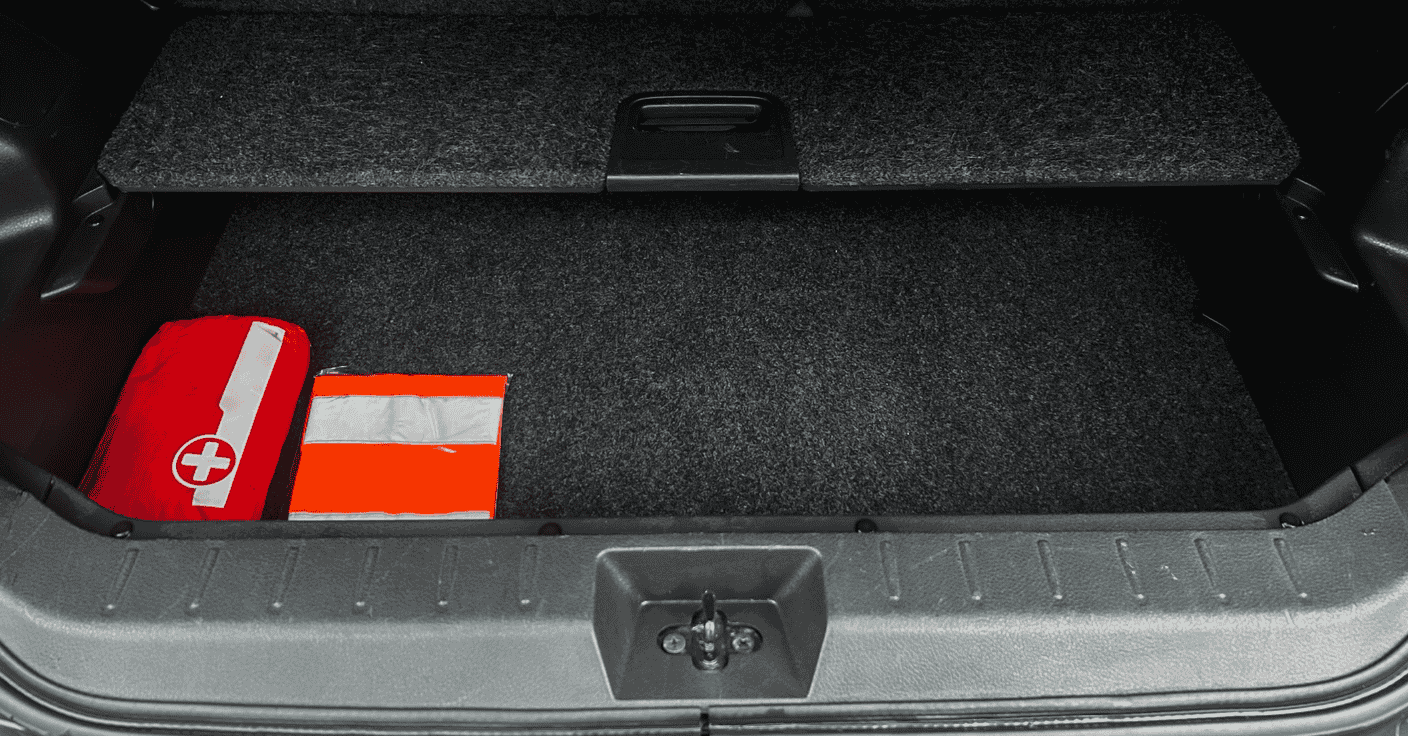
Your emergency roadside kit is your first line of defense when things go wrong on the road. A well-stocked kit can turn a dangerous situation into a minor inconvenience.
Smart drivers know that being prepared saves time, money, and potentially lives. You'll avoid expensive towing fees and stay safe while waiting for help.
Here's everything you need to build the perfect emergency roadside kit. We'll cover must-have items, seasonal additions, and storage tips that actually work.
Why Every Driver Needs an Emergency Roadside Kit
Car trouble strikes at the worst times. Dead batteries happen in empty parking lots. Flat tires occur on busy highways during rush hour.
An emergency roadside kit gives you options. You can fix minor problems yourself or stay safe while waiting for professional help.
The statistics tell the story: AAA responds to over 32 million roadside assistance calls annually. Many of these situations could be handled with basic emergency supplies.
Emergency kits also save money. A $5 tire sealant can prevent a $150 towing bill. Jumper cables cost $25 but eliminate the need for costly jump-start services.
But the real value is safety. Emergency flares keep you visible to other drivers. First aid supplies handle injuries until help arrives. Water and blankets provide comfort during long waits.
What Should Be in Your Car Emergency Kit?
Your emergency roadside kit needs items for three main scenarios: vehicle repairs, personal safety, and extended waiting periods.
Vehicle repair items help you fix common problems. These include battery issues, flat tires, and minor mechanical failures.
Safety items protect you from traffic and weather. Visibility tools and protective gear are essential on busy roads.
Comfort items help during long waits for help. Food, water, and warm clothing make emergencies less stressful.
The key is balance. You want enough supplies to handle real emergencies without overloading your vehicle. A good kit fits in a storage bin and weighs under 30 pounds.
Essential Tools Every Emergency Kit Needs
Start with these basic tools that solve the most common car problems:
- Jumper cables: 12-foot heavy-duty cables with thick gauge wire
- Tire pressure gauge: Digital models are most accurate
- Multi-tool or Swiss Army knife: Handles dozens of small repairs
- Adjustable wrench set: For loose bolts and basic repairs
- Screwdriver set: Both flathead and Phillips head varieties
- Duct tape: The universal fix for temporary repairs
- Zip ties: Secure loose parts or temporary fixes
These tools handle about 70% of roadside problems. Dead batteries, loose connections, and minor mechanical issues become manageable with the right equipment.
Quality matters with tools. Cheap jumper cables fail when you need them most. Invest in tools rated for your vehicle's requirements.
Store tools in a organized toolbox or bag. You don't want to dig through loose items during an emergency. Label everything for quick identification.
Tire Repair and Maintenance Supplies
Tire problems are the leading cause of roadside emergencies. Your kit needs supplies for both temporary fixes and complete tire changes.
Essential tire supplies include:
- Spare tire: Check air pressure monthly
- Jack and lug wrench: Know how to use them before you need them
- Tire sealant: Fixes small punctures temporarily
- Portable air compressor: 12V models plug into your car
- Tire pressure gauge: Check all tires including the spare
- Wheel chocks: Prevent rolling during tire changes
- Work gloves: Protect hands during dirty repairs
Practice changing a tire in your driveway before you need this skill on the highway. Know where your jack points are located. Understand how your specific lug nuts come off.
Portable air compressors are game-changers for slow leaks. Many tire problems are just low air pressure. A $40 compressor can get you to a tire shop safely.
Check your spare tire every month. A flat spare tire is useless in an emergency. Many drivers discover this too late.
Battery and Electrical Emergency Items
Battery problems leave you completely stranded. Your emergency roadside kit needs items to diagnose and fix electrical issues.
Battery emergency supplies:
- Jumper cables: 4-gauge or thicker for reliable starts
- Portable jump starter: Works without another vehicle
- Battery terminal cleaner: Removes corrosion that prevents starting
- Wire brush: Cleans battery terminals effectively
- Electrical tape: Secures loose wire connections
- Multimeter: Tests battery voltage and electrical systems
Portable jump starters have revolutionized roadside assistance. These battery packs start your car without needing another vehicle. Modern units are compact and hold charges for months.
Learn to recognize battery warning signs. Slow engine cranking and dim headlights indicate battery problems. Address these issues before complete failure.
Clean battery terminals prevent many starting problems. Corrosion blocks electrical connections. A wire brush and baking soda solution restore proper contact.
Keep electrical supplies dry and organized. Moisture damages electronic components. Store everything in waterproof containers.
Safety and Visibility Equipment
Roadside emergencies put you at risk from other drivers. Your safety equipment needs to make you visible and protect you from traffic.
Essential safety items:
- Emergency flares or LED road flares: Place 100 feet behind your vehicle
- Reflective triangles: Required by law in commercial vehicles
- High-visibility safety vest: Makes you visible to approaching traffic
- Flashlight with extra batteries: LED models last longer
- Headlamp: Keeps hands free for repairs
- Emergency blanket: Reflects body heat and provides warmth
- Work gloves: Protect hands from hot engine parts
Visibility is your top safety priority. Other drivers can't avoid what they can't see. Emergency flares and reflective triangles create a safety zone around your vehicle.
Follow proper emergency procedures. Pull as far off the road as possible. Turn on hazard lights immediately. Exit from the side away from traffic when safe.
LED road flares are safer than traditional flares. They won't start fires and last for hours on a single charge. Many models include magnetic bases for easy placement.
Never work on your vehicle in traffic lanes. If you can't pull completely off the road, call for professional help. What to Do When Your Car Breaks Down: Complete Safety Guide covers proper emergency procedures in detail.
First Aid and Medical Supplies
Accidents happen during roadside emergencies. Cuts from sharp metal, burns from hot engines, and other injuries need immediate attention.
Basic first aid kit contents:
- Adhesive bandages: Various sizes for cuts and scrapes
- Gauze pads and tape: For larger wounds
- Antiseptic wipes: Clean wounds to prevent infection
- Pain relievers: Ibuprofen and acetaminophen
- Instant cold packs: Reduce swelling from injuries
- Medical scissors: Cut tape and gauze to size
- Emergency contact information: Include medical conditions and medications
Buy a pre-made automotive first aid kit or build your own. Pre-made kits are convenient but may lack items specific to your needs. Custom kits let you include prescription medications and personal medical information.
Check expiration dates every six months. Replace expired medications and dried-out wipes. First aid supplies don't last forever in hot car trunks.
Learn basic first aid skills. Knowing how to treat cuts, burns, and sprains makes your supplies more effective. Many community colleges offer automotive first aid courses.
Include emergency contact information for family members and your doctor. Medical conditions and current medications help emergency responders provide better care.
Communication and Navigation Tools
Modern emergencies require reliable communication. Your emergency roadside kit needs backup power and navigation tools when your phone fails.
Communication essentials:
- Car phone charger: 12V adapter and USB cable
- Portable battery bank: Charges phones multiple times
- Emergency whistle: Attracts attention without batteries
- Paper road atlas: Works when GPS fails
- Emergency contact list: Printed phone numbers
- Pen and paper: Record information from other drivers
Dead phone batteries leave you completely isolated. Portable battery banks provide multiple phone charges. Look for units with 10,000+ mAh capacity.
GPS systems fail in remote areas or during emergencies. Paper maps never lose signal or run out of battery. Keep current road atlases for your travel areas.
Program emergency numbers into your phone before you need them. Include roadside assistance, insurance companies, and trusted towing services. Find towing services near you to identify reliable providers in your area.
Write down important information after accidents. Get names, phone numbers, and insurance details from other drivers. Stress makes people forget important details.
Food, Water, and Comfort Items
Extended waits for help require basic comfort supplies. Food and water prevent dehydration and maintain energy during stressful situations.
Comfort and sustenance items:
- Water bottles: One gallon per person for extended emergencies
- Non-perishable snacks: Energy bars, nuts, and crackers
- Emergency blankets: Mylar blankets reflect body heat
- Rain poncho: Stays dry during repairs
- Folding chairs: More comfortable than sitting on the ground
- Cash: Small bills for emergency purchases
- Toilet paper and tissues: Basic hygiene needs
Water is your most important supply. Dehydration happens quickly in hot weather or stressful situations. Rotate water supplies every few months to maintain freshness.
Choose snacks that won't spoil in temperature extremes. Energy bars, nuts, and crackers provide sustained energy without refrigeration. Avoid chocolate and other items that melt easily.
Mylar emergency blankets are compact and effective. They reflect 90% of body heat and fold down to credit card size. Include one blanket per person in your family.
Keep some cash for emergencies. Electronic payment systems fail during power outages. Small bills work better for emergency purchases and tips.
Seasonal Emergency Kit Additions
Your emergency roadside kit needs seasonal adjustments. Winter driving requires different supplies than summer road trips.
Winter emergency additions:
- Ice scraper and snow brush: Clear windows for safe driving
- Bag of sand or cat litter: Provides traction on ice
- Folding shovel: Dig out of snow drifts
- Extra warm clothing: Hats, gloves, and winter coats
- Hand and foot warmers: Chemical heat packs last hours
- Winter-weight motor oil: Thinner oil flows better in cold weather
Summer emergency additions:
- Extra coolant: Prevents overheating in hot weather
- Sunscreen: Prevents burns during roadside repairs
- Extra water: Dehydration happens quickly in heat
- Umbrella: Provides shade during repairs
- Insect repellent: Keeps bugs away during extended stops
Adjust your kit contents based on your local climate and driving conditions. Desert drivers need more water and sun protection. Mountain drivers need winter supplies year-round at higher elevations.
Check weather forecasts before long trips. Add appropriate seasonal items when conditions require extra preparation. A little planning prevents major problems.
How to Organize and Store Your Emergency Kit
Organization makes emergency supplies usable. You need quick access to the right items during stressful situations.
Storage container requirements:
- Waterproof: Protects contents from moisture damage
- Durable: Handles rough treatment in vehicle storage
- Portable: Easy to carry if you need to move it
- Organized: Compartments keep small items accessible
- Labeled: Clear identification of contents
Plastic storage bins with tight-fitting lids work well for most vehicles. Choose clear containers so you can see contents at a glance. Avoid cardboard boxes that fall apart when wet.
Group similar items together. Keep all tire supplies in one section. Store electrical items separately from fluids. Use smaller containers or bags within the main storage bin.
Create an inventory list. Tape it to the inside of your storage container lid. Include expiration dates for items that spoil. Update the list when you add or remove items.
Store your kit in an accessible location. Trunk storage works for sedans. SUVs and trucks can use cargo areas. Avoid storing emergency supplies under heavy items that are hard to move.
Emergency Kit Maintenance and Updates
Emergency kits require regular maintenance to stay effective. Expired supplies and dead batteries won't help when you need them most.
Monthly checks:
- Test flashlights and replace batteries as needed
- Check tire pressure in spare tire
- Verify jumper cables have no damage
- Ensure water supplies haven't frozen or leaked
Seasonal updates:
- Replace expired medications and first aid supplies
- Update emergency contact information
- Rotate food and water supplies
- Add or remove seasonal items
- Test portable jump starters and battery banks
Set calendar reminders for kit maintenance. Emergency supplies deteriorate slowly, making problems easy to overlook. Regular checks ensure everything works when needed.
Replace items after use. Don't wait for the next scheduled check to restock supplies. Emergency situations often happen in clusters.
Update your kit as your needs change. New family members require additional supplies. Different vehicles may need specific tools or equipment.
Consider professional roadside assistance as backup to your emergency kit. Services like AAA provide expert help when DIY repairs aren't possible. Towing Insurance Coverage Guide: What's Covered and What's Not explains your insurance options for emergency situations.
Complete Emergency Roadside Kit Checklist
Use this checklist to build or verify your emergency roadside kit. Print it out and check off items as you add them to your kit.
Vehicle Repair Tools:
- Jumper cables (12-foot, heavy-duty)
- Portable jump starter
- Basic tool set (wrenches, screwdrivers, pliers)
- Duct tape and zip ties
- Multi-tool or Swiss Army knife
- Work gloves
Tire Emergency Supplies:
- Spare tire (properly inflated)
- Jack and lug wrench
- Tire sealant
- Portable air compressor
- Tire pressure gauge
- Wheel chocks
Safety and Visibility:
- Emergency flares or LED road flares
- Reflective triangles
- High-visibility safety vest
- Flashlight with extra batteries
- Headlamp
- Emergency blankets
First Aid and Medical:
- Complete first aid kit
- Prescription medications
- Emergency contact information
- Medical condition details
Communication and Navigation:
- Car phone charger
- Portable battery bank
- Paper road atlas
- Emergency contact list
- Pen and paper
- Emergency whistle
Comfort and Sustenance:
- Water (1 gallon per person)
- Non-perishable snacks
- Rain poncho
- Cash (small bills)
- Toilet paper and tissues
Seasonal Additions (as needed):
- Winter: Ice scraper, sand/cat litter, shovel, warm clothing
- Summer: Extra coolant, sunscreen, umbrella, insect repellent
Customize this list based on your specific needs, vehicle type, and typical driving conditions. Rural drivers might need more supplies than city drivers. Families with children require additional items.
When to Call Professional Help Instead
Your emergency roadside kit handles many problems, but some situations require professional help. Know when to stop trying DIY repairs and call experts.
Call professionals for:
- Major engine problems or overheating
- Transmission failures
- Accidents with injuries or major damage
- Situations where you can't safely pull off the road
- Problems you don't understand or can't diagnose
- Dangerous weather conditions
Safety comes first. Don't risk injury trying to save money on towing fees. Professional towing companies have proper equipment and training for dangerous situations.
Know your limits. Emergency kits help with basic problems, but major mechanical failures need professional diagnosis and repair. Attempting complex repairs roadside can make problems worse.
Have professional contacts ready. Research reliable towing companies before you need them. How to Choose a Reliable Tow Truck Company: Expert Guide 2026 helps you find trustworthy providers.
Understand towing costs before you need service. How Much Does Towing Cost in 2025? Complete Pricing Guide explains typical pricing so you know what to expect during emergencies.
Remember that a well-prepared emergency roadside kit gives you options. You can handle minor problems yourself or stay safe and comfortable while waiting for professional help. Either way, you're better prepared than drivers without emergency supplies.
Frequently Asked Questions
Need Emergency Towing Services?
Don't wait when you're stranded. Get professional help now.
Find Emergency Towing Near You

Discussion (0)
Be the first to comment!
Share your experience or ask questions about towing services.