
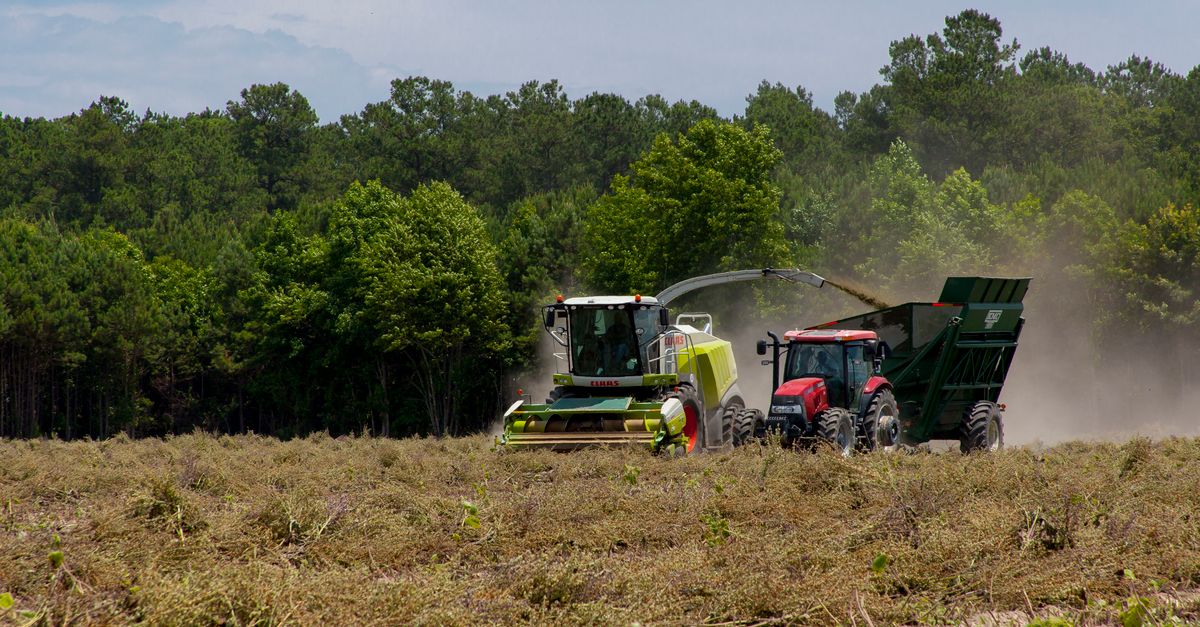
Farm equipment breakdowns happen when you least expect them. You're in the middle of harvest season, and suddenly your combine won't start. Or your tractor gets stuck miles from the nearest road. That's when you realize: regular towing won't cut it.
Farm equipment towing is a specialized service. It's not like calling a tow truck for your pickup. You need operators who understand heavy machinery, oversized loads, and rural terrain. This guide walks you through everything rural property owners need to know.
Why Farm Equipment Towing Is Different from Standard Towing
Standard tow trucks handle cars and light trucks. They're built for paved roads and quick pickups. Farm equipment is another beast entirely.
Heavy machinery weighs 20,000 to 100,000+ pounds. A combine harvester alone can exceed 60,000 pounds. Your typical flatbed tow truck maxes out around 15,000 pounds. You need heavy equipment transporters and specialized operators.
Rural areas add another layer of complexity. Breakdowns happen on unpaved farm roads, muddy fields, and remote properties. Standard tow trucks get stuck in mud. They can't navigate narrow farm gates or low-hanging power lines.
Equipment-specific knowledge matters too. A tractor engine is different from a truck engine. Hydraulic systems, PTO shafts, and cab configurations all require careful handling. Wrong moves cause thousands in damage.
What Are the Main Rural Towing Challenges?
Rural areas present obstacles that city towing services never face. Understanding these challenges helps you prepare and respond faster when something breaks down.
Distance and Accessibility
Your farm might be 30 miles from the nearest town. That distance gets worse when you're stuck in a field or on a dirt road. Tow trucks need clear routes to reach your equipment.
Poor road conditions slow response times. Mud, snow, and gravel roads damage tow vehicles. Some rural providers charge extra for off-road recovery. Others won't attempt it at all.
Equipment Size and Weight
Oversized farm equipment needs specialized transporters. Standard tow trucks can't handle it. You need heavy equipment haulers with:
- Tandem or triple-axle flatbeds
- Hydraulic ramps and tie-down systems
- Heavy-duty winches rated for 50,000+ pounds
- Operators trained in equipment-specific recovery
Moving a combine from the field to a repair shop requires planning. Weight distribution matters. Improper loading damages the equipment and creates safety hazards for other drivers.
Limited Provider Options
Rural areas have fewer towing companies. Your choices are limited. Some providers focus only on light vehicles. Finding someone who handles farm equipment takes research.
Competition is thin. Pricing varies widely. One provider might charge $200 for a 10-mile tow. Another charges $400 for the same job. There's no consistency in rural markets.
Seasonal Demand Spikes
Harvest season means breakdowns spike. Every farmer needs towing at the same time. Good towing companies get booked solid. Response times increase. Costs go up.
Winter adds another challenge. Snow makes rural roads impassable. Equipment breaks more often in cold weather. Tow trucks themselves struggle in snow and ice.
How Much Does Farm Equipment Towing Cost?
Pricing depends on several factors. There's no single answer, but here's what you can expect:
Base Towing Rates
Heavy equipment towing costs more than standard towing. Here's a realistic breakdown for 2026:
| Service Type | Typical Cost Range | Factors That Increase Cost |
|---|---|---|
| Local farm tow (under 10 miles) | $150–$300 | Off-road access, time of day |
| Regional tow (10–50 miles) | $300–$600 | Distance, equipment weight |
| Long-distance haul (50+ miles) | $600–$1,500+ | Fuel, permits, specialized equipment |
| Emergency night/weekend tow | +50% to +100% | After-hours premium charges |
What Pushes Costs Higher?
Several factors can double or triple your towing bill. Know them before you call:
- Equipment weight: Heavier equipment needs bigger rigs. A 60,000-pound combine costs more to move than a 20,000-pound tractor.
- Off-road recovery: Pulling equipment out of mud or ditches requires winches and extra operators. Expect $50–$150 per hour for recovery work.
- Distance from repair shop: Long hauls cost more. Fuel, tolls, and operator time add up.
- Time of day: Calling at midnight costs more than calling at noon. Emergency premiums apply 24/7 in most areas.
- Harvest season premium: During peak season, towing companies charge more because demand is high.
- Oversized load permits: Equipment exceeding standard road widths needs special permits. The towing company charges for these.
Check out our guide on how much towing costs in 2025 for comparison with standard vehicle towing rates.
What Types of Equipment Need Specialized Towing?
Not all farm equipment needs heavy-duty towing. Some can go with standard heavy-haul services. Here's the breakdown:
Equipment Requiring Specialized Towing
- Combines and harvesters: 40,000–80,000 pounds. Need full-size flatbeds or specialized carriers.
- Large tractors: 20,000–50,000 pounds depending on model. Four-wheel drive models are heavier.
- Grain carts: 15,000–30,000 pounds when loaded. Unloading before towing can reduce costs.
- Balers and round balers: 3,000–10,000 pounds. Usually fit on standard flatbeds.
- Plows and tillage equipment: 5,000–15,000 pounds. Often towed on trailers rather than hauled.
- Irrigation systems: 2,000–15,000 pounds. Pivot systems are bulky but lighter than combines.
- Livestock trailers: 5,000–25,000 pounds loaded. Need careful handling to avoid animal stress.
Lighter equipment like small rotary hoes or hay rakes might fit on a standard pickup bed or small trailer. But anything over 10,000 pounds needs professional handling.
How Do You Find Reliable Farm Equipment Towing Services?
Finding the right towing provider before an emergency is critical. Don't wait until your combine breaks down in a muddy field at midnight.
Research Local Providers
Start with these steps:
- Search online for "heavy equipment towing" plus your county or region name.
- Ask neighboring farmers for recommendations. Word-of-mouth is gold in rural areas.
- Check with your farm equipment dealer. They know reliable towing services.
- Call your insurance company. They often have preferred providers with discounts.
- Visit the Better Business Bureau website to check company ratings and complaints.
Questions to Ask Before You Need Them
Call potential providers and ask these questions:
- "Do you handle farm equipment towing in our area?"
- "What's your response time during business hours? After hours?"
- "What's the maximum weight you can safely tow?"
- "Do you charge extra for off-road recovery?"
- "Are you available during harvest season? Do you have backup equipment if your main rig is busy?"
- "What insurance do you carry? Can you provide proof?"
- "Do you offer discounts for farm memberships or fleet accounts?"
- "Can you handle oversized loads? Do you arrange permits?"
Save their contact information in your phone and on a printed list. You won't have time to research during an emergency.
Check Credentials and Insurance
Never hire a towing company without verifying credentials:
- Valid commercial driver's license (CDL) for operators
- Current vehicle registration and inspection
- Commercial liability insurance (minimum $1 million coverage)
- Cargo insurance for equipment damage protection
- Workers' compensation insurance if they have employees
Ask for proof. Legitimate companies provide it without hesitation. If they won't, find someone else.
Use USA Tow Finder to locate trusted towing providers in your area with verified credentials.
What Should You Do When Your Farm Equipment Breaks Down?
The first minutes after a breakdown matter. Here's your action plan:
Immediate Steps
- Stop and assess safety. Turn off the engine. Move to a safe location if possible. Turn on hazard lights if you're on a road.
- Check for obvious problems. Dead battery? Flat tire? Fuel leak? Sometimes you can fix it yourself and save the tow.
- Call your pre-arranged towing provider. Use that contact list you created. Give them your location, equipment type, and what happened.
- Provide clear directions. Rural addresses are vague. Use GPS coordinates or landmarks. "North of the Johnson farm" isn't helpful.
- Stay with your equipment. Don't leave it unattended. Protect it from further damage.
- Document everything. Take photos of the breakdown and any damage. This helps with insurance claims.
During the Tow
When the tow truck arrives, do this:
- Verify the operator. Check their license and company credentials.
- Discuss the route. Make sure they know about low-hanging power lines, weight-restricted bridges, or narrow gates.
- Confirm the destination. Where are they taking your equipment? Is it insured during transport?
- Get a receipt. Document the tow with a signed receipt showing time, distance, cost, and equipment condition.
- Take photos after loading. Show how your equipment is secured. This protects you if damage occurs during transport.
For more details, read our guide on what to do when your vehicle breaks down. Many principles apply to farm equipment too.
How Does Insurance Cover Farm Equipment Towing?
Insurance is critical. Farm equipment represents major investment. Towing damage can cost thousands.
Types of Coverage to Consider
Most farm equipment insurance doesn't automatically cover towing. You need specific coverage:
- Towing and labor coverage: Pays for towing costs, usually up to $250–$500 per incident. Some policies pay $1,000+.
- Breakdown coverage: Covers mechanical failures and towing. Often bundled with comprehensive farm insurance.
- Roadside assistance riders: Adds extra towing protection for a small premium increase.
- Cargo/transit insurance: Covers damage to equipment during transport by a tow truck.
Talk to your farm insurance agent. Ask what's covered and what costs extra. Don't assume your policy covers towing—many don't without a specific rider.
Read our article on towing insurance coverage to understand what's typically included and excluded.
Filing a Towing Claim
If damage happens during towing, act fast:
- Document everything with photos and video.
- Get a damage estimate from a repair shop.
- File a claim with your insurance company within 30 days.
- Provide the tow company's name, operator, and insurance information.
- Keep all receipts and correspondence.
Don't accept a verbal agreement. Get everything in writing. Insurance companies need documentation to process claims.
What Are Common Mistakes Rural Equipment Owners Make?
Learning from others' mistakes saves money and headaches. Here are the biggest errors:
Waiting Until an Emergency
Don't wait for a breakdown to find a towing company. You'll be stressed, desperate, and vulnerable to overcharging. Research providers during slow seasons. Build relationships before you need them.
Hiring Uninsured or Underinsured Operators
Cheap towing isn't worth it. An uninsured tow truck causes damage. You're liable. An insured company protects both of you.
Not Preparing Equipment for Transport
Loose parts fall off during towing. Hydraulic lines get damaged. Operators need to know what they're handling. Tell them about fragile components or special needs.
Ignoring Maintenance
Many breakdowns are preventable. Regular maintenance catches problems before they strand you. Keep equipment serviced. Replace worn belts and hoses before harvest.
Not Having GPS Coordinates Ready
Rural properties are hard to find. Tow trucks get lost. You waste time and money. Have GPS coordinates for every work area. Share them with your towing provider.
How Can You Prevent Farm Equipment Breakdowns?
The best tow is the one you never need. Prevention saves money and keeps harvest moving.
Maintenance Schedule
Follow manufacturer guidelines. Create a maintenance checklist:
- Oil and filter changes on schedule
- Hydraulic fluid checks and replacement
- Belt and hose inspection
- Tire pressure and condition
- Battery terminals cleaned and secure
- Fuel system checks
- Bearing lubrication
Do this before each season. Don't wait for something to break.
Pre-Season Inspection
Before harvest, have a mechanic inspect major equipment. Identify problems while you have time to fix them. A $500 inspection beats a $5,000 breakdown mid-harvest.
Spare Parts on Hand
Keep critical spare parts at your farm:
- Drive belts
- Hydraulic hoses and fittings
- Filters (air, oil, fuel)
- Spark plugs
- Fuses and relays
- Bearing grease
Many breakdowns are minor. You can fix them yourself if you have parts on hand.
Operator Training
Train everyone who operates equipment. Poor operation causes damage. Good technique extends equipment life. Invest in training—it pays off.
What Are Your Rights During a Farm Equipment Tow?
You have legal protections. Know your rights.
Towing companies must operate legally. They can't charge whatever they want. Each state has regulations about towing fees, notice requirements, and storage charges.
Read our guide on towing laws by state to understand your specific protections. Farm equipment towing follows the same rules as vehicle towing in most states.
Key rights include:
- Right to know the total cost before towing begins
- Right to choose where your equipment is towed
- Right to inspect your equipment before and after towing
- Right to retrieve personal property from the equipment
- Protection against illegal holds or excessive storage fees
Warning: If a tow company threatens to keep your equipment or charge exorbitant fees, document everything and contact your state's attorney general office.
Frequently Asked Questions About Farm Equipment Towing
Can a regular tow truck handle farm equipment?
No. Regular tow trucks max out around 15,000 pounds. Farm equipment often weighs 30,000–80,000 pounds. You need a heavy-duty flatbed or specialized hauler. Using the wrong equipment causes damage and safety hazards.
How far in advance should I arrange farm equipment towing?
Contact providers before harvest season starts. During peak times, companies book solid. Having a pre-arranged relationship means faster response when you break down. Call at least a month before your busy season.
What should I do if my equipment breaks down at night?
Call your pre-arranged towing provider immediately. Most heavy equipment companies offer 24/7 service. Expect to pay emergency premiums (50–100% more). Stay with your equipment if safe to do so. Turn on hazard lights if you're near a road.
Does towing damage farm equipment?
Professional towing shouldn't cause damage if done correctly. But improper loading, securing, or handling does. That's why you need experienced operators and cargo insurance. Always get a receipt showing the equipment's condition before and after towing.
Can I tow my own farm equipment?
For light equipment (under 10,000 pounds), yes. You need a truck rated for the weight and a proper trailer. For heavy equipment, hire professionals. Improper towing damages equipment and creates safety hazards on public roads. Plus, oversized loads need special permits.
How much should I budget for farm equipment towing annually?
Most farmers experience one or two towing incidents per year. Budget $500–$1,500 annually. This covers unexpected breakdowns. Better yet, add towing coverage to your farm insurance. It costs $100–$300 per year and covers unlimited tows up to your policy limits.
What if my equipment is stuck in mud or a ditch?
This requires recovery services, not just towing. Recovery operators use specialized winches and techniques. Costs run $50–$200 per hour plus towing fees. It's more expensive but necessary. Don't try to pull equipment out yourself—you'll cause more damage.
Are farm equipment towing services available year-round?
Yes, but availability varies by season. Winter is slower. Harvest season (fall) is busiest. Spring planting brings demand spikes. Call ahead during peak times. Some companies add extra crews during harvest to handle volume.
What happens if the tow truck damages my equipment?
Document the damage with photos immediately. Get a damage estimate from a repair shop. File a claim with the towing company's insurance. Keep all receipts and correspondence. If they deny the claim, contact your state's attorney general or small claims court.
Can I negotiate towing prices?
Sometimes. Rural markets have fewer providers, which limits negotiation. But getting quotes from multiple companies helps. Ask about fleet discounts if you have multiple pieces of equipment. Farm associations sometimes negotiate group rates with local towing companies.
Key Takeaways: Farm Equipment Towing Essentials
Farm equipment towing is specialized and expensive. But planning ahead protects you:
- Research providers before emergencies. Build relationships with local heavy equipment towing companies.
- Verify credentials and insurance. Never hire uninsured operators.
- Understand costs. Farm equipment towing runs $150–$1,500+ depending on distance and equipment.
- Get proper insurance coverage. Standard farm policies often don't cover towing. Add a rider.
- Prevent breakdowns. Regular maintenance saves money and keeps harvest moving.
- Know your rights. Each state regulates towing fees and practices.
When you're ready to find a reliable farm equipment towing provider, search USA Tow Finder for verified services near you. We connect rural property owners with experienced, insured operators who understand the unique challenges of farm equipment recovery.
Prices from major providers like GEICO, State Farm, and Progressive are current as of 2026. We're not affiliated with these companies. We provide information to help you make informed decisions about towing services.
Frequently Asked Questions
Need Emergency Towing Services?
Don't wait when you're stranded. Get professional help now.
Find Farm Equipment Towing Services


Discussion (0)
Be the first to comment!
Share your experience or ask questions about towing services.