

What to Do Immediately After Your Car Floods
Your flooded car needs help right now. Every minute counts when water enters your vehicle. The damage spreads fast, affecting electronics, the engine, and your car's structure.
First, get yourself and your passengers to safety. If water's still rising, leave your car and move to higher ground immediately. Your life matters more than your vehicle.
Once you're safe, don't touch anything inside the car yet. Don't try to start the engine or turn on electrical systems. Water and electricity don't mix, and you could cause more damage or create a fire hazard.
Should You Try to Drive Out of Floodwaters?
Never drive through deep water. Most people think they can make it through. They can't.
Just 12 inches of moving water can sweep a car off the road. 24 inches of water will move most vehicles, even big SUVs. Your flooded car isn't worth your life.
Turn around and find another route. If you're already stuck, stay in your car unless water's entering the cabin. Then carefully exit and move to higher ground. Don't abandon your vehicle unless you absolutely must.
How to Document Damage for Insurance Claims
After your flooded car is safe, start taking photos and videos. Insurance companies need proof of damage before they'll pay anything.
Here's what to capture:
- The water line on your car's exterior
- Inside the cabin showing water damage
- Damaged seats, carpeting, and upholstery
- The engine compartment and water infiltration
- Your odometer reading (proof the car ran before flooding)
- The surrounding area showing flood conditions
Date all photos and keep them organized. Write down the time, location, and weather conditions. This documentation is gold when your insurance adjuster reviews your claim.
When Should You Call Your Insurance Company?
Call your insurance company within 24 hours of the flood. Don't wait. The sooner you file, the sooner they can assign an adjuster to assess your flooded car.
Have these details ready when you call:
- Your policy number
- The date and time of the flood
- Location where the car flooded
- Whether the flooding was from storm surge, heavy rain, or overflowing water
- Photos and video documentation
- A list of damage you noticed
Ask your adjuster what coverage applies. Check your policy for comprehensive coverage, which typically covers flood damage. Collision coverage doesn't cover floods, only comprehensive does.
Do You Need Professional Towing for a Flooded Car?
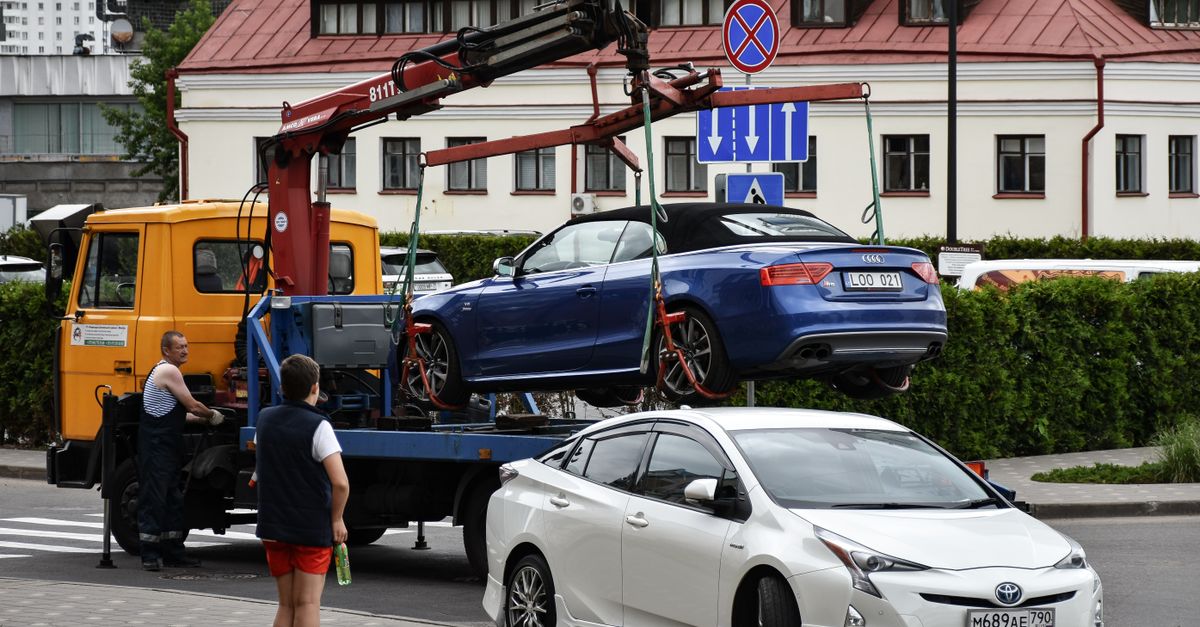
Yes, absolutely. Never tow your flooded car yourself or with a friend's help. Water damage makes cars unpredictable and dangerous to move.
Professional towing services have the right equipment to safely transport water-damaged vehicles. They can navigate flooded roads, prevent further damage, and get your car to a certified repair facility.
Find towing services near you that handle water-damaged vehicles. Many tow companies specialize in flood recovery and work directly with insurance companies. They'll handle paperwork and coordinate with your insurer.
If you have roadside assistance or AAA coverage, they'll often cover towing. Check your policy or membership details before calling a tow truck.
What Happens During the Inspection Process?
An insurance adjuster will inspect your flooded car to determine the damage extent. This usually happens within 3-7 days after you file a claim.
The adjuster looks for:
- Water damage to the interior and exterior
- Electrical system damage
- Engine and transmission damage
- Rust and corrosion starting points
- Mold or mildew growth
Be present during the inspection. Point out all damage you've noticed. Ask the adjuster to explain their findings. If you disagree with their assessment, you can request a second opinion or hire an independent appraiser.
How Much Does Water Damage Repair Cost?
Water damage repair costs vary wildly. It depends on how deep the water went and how long it sat in your car.
Here's a rough breakdown:
- Shallow water (under 6 inches): $1,000-$3,000 for cleaning and drying
- Moderate water (6-12 inches): $5,000-$15,000 for interior replacement and repairs
- Deep water (over 12 inches): $15,000-$30,000+ or total loss
Your insurance company might declare your car a total loss if repairs exceed 70-80% of the car's value. Every state's threshold is different. Check your policy or ask your adjuster what your state uses.
If your car's declared a total loss, your insurance pays you the actual cash value minus your deductible. You can then sell the vehicle to a salvage company for scrap.
What Should You Do While Waiting for Repairs?
Your flooded car won't be drivable for weeks or months. You'll need transportation while repairs happen.
Check your insurance policy for rental car coverage. Many policies include it, covering daily rental costs up to a limit. Some pay $30 per day, others $75 per day. Know your limit before you rent.
Call your insurance company and ask them to authorize a rental car. They often have preferred rental companies that bill your insurer directly. This saves you money upfront.
If rental coverage isn't in your policy, you'll pay out of pocket. Budget for $40-$100 per day depending on the vehicle type and location.
How to Prevent Mold and Further Damage
Mold grows fast in wet vehicles. It can start within 24-48 hours if the car isn't dried properly. Mold is a health hazard and makes repairs more expensive.
Here's what to do:
- Get the car to a repair facility as soon as possible
- Open all doors and windows to air out the interior
- Remove wet floor mats, seat covers, and personal items
- Use fans or dehumidifiers to dry the cabin
- Don't run the AC until a technician checks it
- Have professionals remove water from under the carpeting
Professional repair shops have industrial drying equipment. They'll remove water from hard-to-reach places like under the dash, inside door panels, and under seats. This prevents mold from taking hold.
Understanding Your Insurance Coverage Options
Comprehensive coverage is what covers floods. It protects against weather, theft, vandalism, and natural disasters. Most insurance companies include it automatically, but some require you to add it.
Check your policy documents or call your insurer to confirm you have comprehensive coverage. Your insurance coverage guide explains what's covered and what's not in detail.
Your deductible applies to flood claims. If you have a $500 deductible and your repair bill is $8,000, you'll pay $500 and insurance covers $7,500.
Prices from providers like State Farm, GEICO, and Progressive are current as of 2026. We're not affiliated with these companies.
What If Your Car Is Declared a Total Loss?
Your insurance might total your flooded car if repairs cost too much. This happens more often with older vehicles or extensive water damage.
When your car's totaled, your insurance pays you the actual cash value. This is what your car was worth before the flood, not what you paid for it.
You'll get a check, minus your deductible. You can then:
- Accept the payout and buy a new car
- Negotiate with your insurer if you think their valuation is too low
- Keep the vehicle and receive a salvage title (it won't be road-legal)
- Sell it to a salvage or junk car company
If you disagree with the insurance company's valuation, hire an independent appraiser. They'll assess your car's true value and provide a report your insurer must consider.
How to Avoid Flooded Car Situations in the Future
Not all floods are preventable, but you can reduce your risk.
Check weather forecasts before driving. Avoid roads you know flood easily during heavy rain. Never underestimate water depth on flooded roads.
Keep your car in a garage when severe storms are coming. If you don't have a garage, park on high ground away from storm drains and low-lying areas.
Make sure your comprehensive insurance coverage is active year-round. Don't skip it to save money. One flood claim will cost way more than years of premiums.
Consider adding flood insurance if you live in a flood-prone area. Standard auto insurance has limits on flood coverage. Flood insurance provides extra protection.
Finding Professional Help for Your Flooded Car
You'll need multiple professionals to handle your flooded car situation. A tow truck gets it to safety. A repair shop fixes the damage. Your insurance adjuster coordinates everything.
Find towing services near you that specialize in water-damaged vehicles. Ask if they work with your insurance company. Many do, which speeds up the claims process.
When choosing a repair shop, pick one certified by your car's manufacturer or ASE-certified. They have the training and equipment to properly dry and repair water-damaged vehicles.
Get a written estimate from the repair shop. Your insurance company might require multiple estimates before approving repairs. This protects you and the insurer from overpaying.
Stay in touch with your insurance adjuster throughout the repair process. Ask for updates on your claim status. Most claims settle within 30-60 days if repairs go smoothly.
Key Takeaways: Your Flooded Car Action Plan
Your flooded car situation is stressful, but following these steps helps you recover faster:
- Ensure everyone is safe first—leave the car if water's rising
- Don't start the engine or use electrical systems
- Take detailed photos and video documentation immediately
- Call your insurance company within 24 hours
- Arrange professional towing to a repair facility
- Be present during the insurance adjuster's inspection
- Work with certified repair shops on damage assessment
- Prevent mold by drying the vehicle quickly
- Keep all receipts and paperwork for your claim
- Follow up regularly with your insurer on claim progress
Remember: water damage gets worse every day it's not addressed. Act fast, document everything, and work with professionals. Your flooded car can often be saved with quick action and proper repairs.
Frequently Asked Questions
Need Emergency Towing Services?
Don't wait when you're stranded. Get professional help now.
Find Professional Towing Near You

Discussion (0)
Be the first to comment!
Share your experience or ask questions about towing services.