
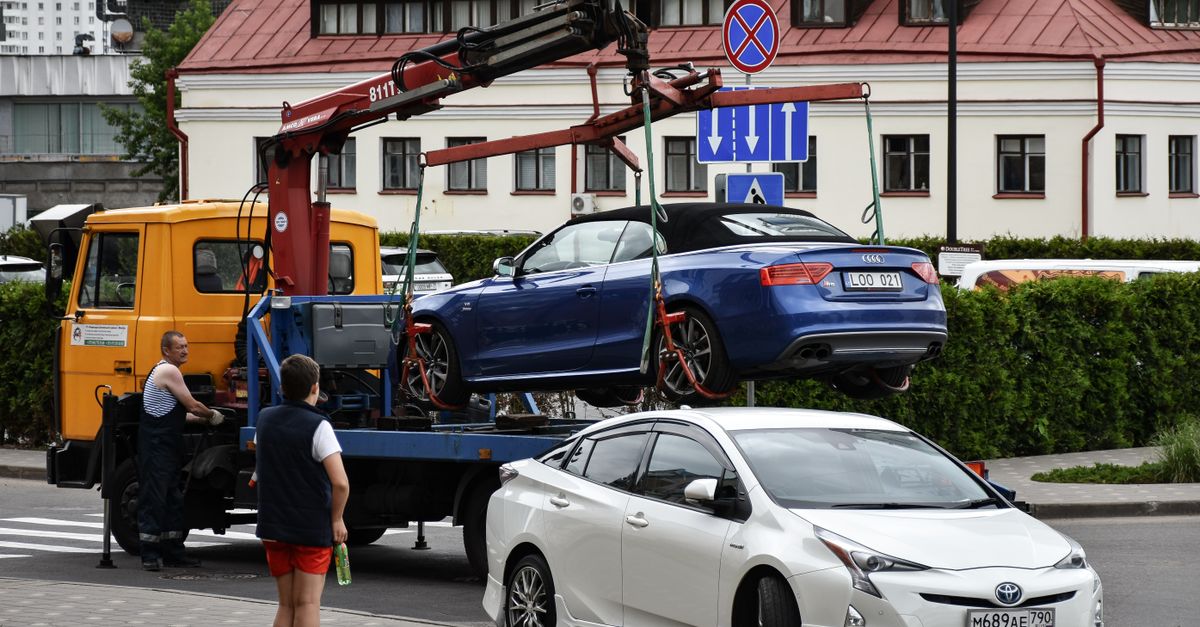
Losing track of your car happens to everyone. You park in a busy lot and suddenly forget where. Or worse—you step outside and your vehicle is gone. Here's the thing: you have more options to find your car than you think.
This guide walks you through every method. From smartphone apps to built-in car systems, you'll learn practical strategies used by millions of drivers.
How Can You Use Your Smartphone to Find Your Car?
Your phone is your best tool. Most modern cars connect to smartphone apps that track location in real time. The integration between vehicles and mobile devices has revolutionized how drivers locate their cars, making what once required a frustrating search through a parking lot now as simple as tapping an app icon.
Smartphone-based tracking works through several technologies. GPS provides precise location data, while cellular and Wi-Fi connections ensure your car's position updates in real time. Some systems use a combination of methods to work reliably even in areas with spotty coverage. The advantage is immediate feedback—you'll see your car's exact location on a map within seconds of opening the app.
Setup is usually straightforward. Download your car manufacturer's app, create an account using your vehicle identification number (VIN), and enable location services. Most systems sync automatically once configured. If you're buying a used car, contact the dealership to transfer the app access to your name.
Popular Car Tracking Apps
- Apple Find My: Works with newer BMW, Genesis, and Kia vehicles. Shows your car on a map instantly. Integrates seamlessly with iCloud and other Apple devices. If you have an Apple Watch, you can even locate your car from your wrist. The system uses Apple's encrypted servers, so your location data stays private.
- Google Find My Device: Android users can track compatible vehicles through their Google account. Works with newer Audi, BMW, and Mercedes models. Provides turn-by-turn navigation to your parked car and shares location with trusted contacts.
- Manufacturer Apps: Tesla, Hyundai, Subaru, and Ford offer dedicated apps with GPS tracking built in. Tesla's app is particularly advanced—it shows battery level, climate control status, and even allows you to summon your car in compatible models. Ford's app works with newer Mustang Mach-E and F-150 Lightning vehicles.
- Aftermarket GPS Trackers: Tile, AirTag, and Samsung SmartTag work independently of your car brand. These are ideal if your car is older or doesn't have factory tracking. They use Bluetooth technology combined with crowdsourced location networks to pinpoint your vehicle even if it's far away.
- Third-Party Tracking Services: Companies like Life360 and Tracki offer comprehensive vehicle tracking with additional features like speed monitoring and geofencing alerts. These are popular with families managing multiple vehicles.
Most apps cost nothing if your car came with the service. Aftermarket trackers run $25–$100 upfront, then a small yearly fee. Premium subscriptions for advanced features (like unlimited location history) typically cost $5–$15 monthly.
When choosing an app, consider your phone type (iOS vs. Android), your car's year and model, and whether you need additional features beyond basic location tracking. Some apps integrate with your car's climate control, door locks, and fuel gauge—useful features if you're concerned about your vehicle's status beyond just finding it.
What Built-In Car Systems Help You Locate Your Vehicle?
Luxury and newer mainstream cars come with factory-installed location services. These are your fastest option and often the most reliable since they're integrated directly into your vehicle's systems.
Factory systems have significant advantages over aftermarket solutions. They use your car's built-in cellular modem and GPS antenna, which are more powerful and reliable than add-on trackers. The connection is always active, so your car's location updates continuously. Additionally, many factory systems include emergency response features—if your airbags deploy, the system can automatically contact emergency services with your exact location.
Activation is typically free or included in your purchase price, though some manufacturers charge for premium tiers. First-year service is often complimentary, with subsequent years requiring a subscription. This is a worthwhile investment given the reliability and integration benefits.
Major Manufacturer Systems
- OnStar (GM vehicles): Call 1-888-4-ONSTAR or use the app. A live agent can pinpoint your car within seconds. OnStar also offers remote door unlock (if you lock yourself out), remote engine start, and emergency services dispatch. Available on Chevy, GMC, Cadillac, and Buick vehicles. Subscription plans start at $14.99/month.
- BMW Connected Drive: Web portal and app show real-time location, fuel level, and door lock status. Premium features include remote climate control and service scheduling. Works on BMW and Mini vehicles from 2012 onward. Basic service is free; premium features require subscription.
- Toyota Safety Connect: Locate, lock, and unlock your vehicle remotely through their portal. Includes emergency assistance and stolen vehicle recovery support. Available on most Toyota models from 2015 forward. Complimentary for 10 years on new vehicles; $8/month for older vehicles.
- Ford Sync: App-based tracking for newer Ford, Lincoln, and Mercury models. Integrates with Alexa voice commands—you can ask Alexa where your car is. Includes vehicle health reports and maintenance reminders. Available on select models from 2020 onward.
- Hyundai Blue Link: Complete vehicle location and remote features for most Hyundai cars made after 2015. Includes remote engine start, climate control, and scheduled charging for electric vehicles. Offers 5 years free on new vehicles, then $7.99/month.
- Kia Connect: Similar service for Kia vehicles with GPS mapping and real-time alerts. Features include valet mode (which limits vehicle speed and sends notifications if driven outside a designated area) and charging station finder for EV models. 5 years complimentary on new Kias.
- Tesla Navigation: Always shows your location and can summon your car in some models. The Tesla app provides real-time navigation, traffic information, and vehicle status. Supercharger availability and route planning are integrated. Premium connectivity ($9.99/month) adds satellite maps and traffic visualization.
- Subaru Starlink: Offers vehicle location, remote services, and emergency assistance. Available on newer Subaru models. Includes roadside assistance and automatic collision notification. 3 years complimentary on new vehicles.
- Volkswagen Car-Net: Location tracking and remote vehicle access for VW, Audi, and Porsche vehicles. Includes emergency services integration and vehicle status updates. Pricing varies by brand and subscription tier.
Check your owner's manual or call your dealership to confirm your car has this service. Activation usually happens at purchase. Some services require a monthly subscription ($15–$30), but many come free for the first year. Read your purchase agreement carefully—some dealers include complimentary service as part of the deal, while others charge separately.
If you inherited or purchased a used vehicle with an existing account, contact the manufacturer to transfer ownership. You'll need your VIN and proof of ownership. Most transfers take 24–48 hours to process.
How Do You Use Your Car's Panic Button?
Stuck in a parking lot? Your panic button is instant and free. This feature works even when your car's battery is critically low, making it one of the most reliable location tools available.
Press and hold the alarm button on your key fob for 3–5 seconds. Your car's horn blares, lights flash, and you'll hear it immediately. This works even if your battery is low—panic buttons have their own power supply, typically a separate battery within the key fob itself. The alarm will continue for 30 seconds to 3 minutes, depending on your vehicle model, giving you plenty of time to locate your car by sound.
The panic button is particularly useful in multi-level parking garages, outdoor lots with hundreds of vehicles, or crowded shopping centers. The distinctive sound cuts through ambient noise, making it easier to pinpoint your car's location than relying on visual cues alone.
Pro tip: Practice this at home first so you know exactly where the button sits on your fob. In a stressful moment, muscle memory helps. Some fobs have the panic button integrated into the main keypad, while others have it as a separate button on the back. Familiarizing yourself with your specific fob prevents fumbling when you need it most.
The panic button works in parking lots, garages, and streets. Don't worry about bothering others—finding your car safely is what matters. Most people understand the sound and recognize it as someone locating their vehicle. If concerned about causing alarm, you can use shorter button presses to produce shorter alarm bursts, making it less jarring while still audible.
One limitation: the panic button only works within a few hundred feet of your car. If you're too far away, you won't hear it. In this case, switch to your phone app or call your dealership's support line for assistance.
What Should You Do If Your Car Is Actually Stolen?
If your car isn't where you parked it and it's not just misplaced, act fast. Time is critical in vehicle theft recovery—statistics show that vehicles recovered within the first 24 hours are much more likely to be recovered in good condition.
Stolen vehicle recovery rates vary significantly by location and vehicle type. Popular models (Honda Civic, Toyota Camry, Ford F-150) have higher theft rates but also better recovery rates due to increased police focus. Luxury vehicles have lower theft rates but higher replacement values. On average, about 50% of stolen vehicles are recovered in major metropolitan areas, though this drops to 20–30% in rural regions.
Immediate Steps
- Call local police and file a theft report immediately. Get a case number for your insurance claim. Provide detailed information about your vehicle including the exact time you discovered it missing, where it was parked, and any distinctive features or damage. The police report creates an official record and helps law enforcement identify your vehicle if spotted.
- Contact your car insurance company. Check your policy—most comprehensive plans cover theft. Your deductible typically runs $250–$1,000. File your claim within 24 hours to preserve your coverage. Your insurer may have relationships with local law enforcement and tow yards that can assist in recovery.
- Call your bank if your car keys are linked to a digital wallet. Thieves could use them to start your car or access connected services. Disable remote access immediately through your vehicle's app. Some manufacturers allow you to remotely disable your car's ignition if stolen.
- Alert your roadside assistance provider (AAA, GEICO, Progressive, State Farm) if you have coverage. They often have additional resources and relationships with recovery services that can help locate your vehicle.
- Check nearby tow yards. Sometimes impounded cars get confused with stolen ones. Call every tow yard within 10 miles of where you parked. Ask specifically about vehicles matching your car's description towed in the past 24 hours.
- Post on local community groups and check Craigslist, Facebook Marketplace, and OfferUp for your vehicle being sold. Thieves often try to sell stolen vehicles quickly. Include your VIN, license plate number, and photos in your posts. Set up saved searches for your car's make, model, and year on these platforms so you get alerts if it's listed.
- Contact your state's DMV and the National Insurance Crime Bureau (NICB). Reporting to the NICB (nicb.org) adds your vehicle to a national database that law enforcement agencies access. This significantly improves recovery chances.
- Notify your employer if your car is used for work. They may have additional resources or insurance coverage that applies. Some companies have fleet recovery services that can assist.
- Document everything meticulously. Keep copies of your police report, insurance claim number, and all communications with authorities. These documents are essential if your car is never recovered and you need to claim a total loss.
Police recovery rates vary by region. In major cities, about 50–60% of stolen vehicles are recovered. Act within the first 24 hours—that's when recovery chances are highest. After 48 hours, recovery probability drops significantly as thieves have time to move the vehicle out of the area or strip it for parts.
If your car is recovered, inspect it thoroughly before accepting it. Document any damage with photos and video. Your insurance company may need this documentation to assess repair costs. If the vehicle has been stripped or heavily damaged, you may be eligible for a total loss claim, which pays you the vehicle's actual cash value minus your deductible.
How Can Roadside Assistance Help You Find Your Car?
If you're stranded and can't locate your vehicle, roadside assistance services step in. Roadside Assistance: Complete Guide for 2026 covers this in detail, but here's the quick version.
Roadside assistance membership is one of the most underutilized resources available to drivers. These services provide 24/7 support for not just finding your car, but also for related emergencies like lockouts, dead batteries, and fuel delivery.
Services like AAA, GEICO, and Progressive offer 24/7 support when your car goes missing. They can dispatch a tow truck to help you search nearby areas, especially if your car was involved in an accident. Many roadside assistance plans include:
- Lockout service (if you've locked your keys inside)
- Jump-start assistance for dead batteries
- Fuel delivery if you've run out of gas
- Tire change and repair
- Towing up to a specified distance (typically 3–100 miles depending on plan)
- Emergency mechanical repair
- Dispatch of local resources to help locate your vehicle
Membership typically costs $50–$150 annually for basic coverage. Premium memberships offering higher towing limits and more service calls run $150–$300 yearly. Some credit cards and insurance policies include roadside assistance automatically, so check your existing coverage before purchasing a separate membership.
If you need towing help after finding your vehicle, find towing services near you on USA Tow Finder. Most basic towing memberships cost $50–$200 yearly and include location assistance.
When you call roadside assistance, provide specific details: your exact location, what you've already tried to find your car, and whether you feel safe waiting in your current location. Dispatch will prioritize your call based on urgency and resource availability. In busy urban areas, response times average 30–60 minutes. In rural areas, expect 1–3 hours.
What GPS Tracking Devices Work Best for Finding Your Car?
If your car doesn't have factory GPS, aftermarket trackers are affordable and reliable. The market for vehicle tracking devices has exploded in recent years, offering options for every budget and need.
Aftermarket trackers fall into two main categories: Bluetooth-based systems and cellular LTE systems. Bluetooth trackers are smaller and cheaper but rely on a network of other devices to relay location. LTE trackers use cellular networks directly and work anywhere with cell service, but cost more and require monthly subscriptions.
Installation is typically simple for Bluetooth trackers—just place them in your car and activate via app. LTE trackers may require plugging into your car's OBD-II port (the diagnostic port under the steering wheel) or hardwiring to a power source. Most can be installed in under 10 minutes without professional help.
Top Aftermarket Options
- Apple AirTag: $29 per tag. Works with iPhones and iPads. Excellent range in populated areas. Discreet size (about 1.3 inches). Uses Apple's Find My network, which includes hundreds of millions of Apple devices worldwide. If your car is in a populated area, AirTag will likely pinpoint it within minutes. Downside: doesn't work well in rural areas with few Apple devices nearby. Battery lasts approximately one year.
- Tile Slim: $35 upfront, $30/year premium membership. Works with Android and iOS. Excellent replaceable battery design—just swap in a new CR2032 battery when the old one dies. Tile's community network is smaller than Apple's but still effective in cities. Premium membership adds features like unlimited location history and emergency response integration. Tile also offers the Tile Pro model ($40) with a louder alarm and longer range.
- Samsung SmartTag2: $30 per tag. Best for Samsung phone users. Loud alarm (up to 90 dB)—louder than AirTag or Tile. Works with Samsung's SmartThings ecosystem and any Android phone. If you're in the Samsung ecosystem, this is the most integrated option. Battery life is approximately one year.
- LTE Trackers (Tracki, Spytec): $80–$200 upfront, $15–$30/month. Real-time GPS without needing a crowd of users. Best for rural areas and frequent travelers. Tracki offers excellent real-time tracking, speed monitoring, and geofencing alerts. Spytec focuses on simplicity with straightforward tracking and no complex features. Both work globally if you travel internationally.
- OBD-II Port Trackers: $50–$150. Plug into your car's diagnostic port. Track location, speed, and engine diagnostics. Popular models include Viofo and Zubie. These trackers provide detailed vehicle data beyond just location—you can monitor fuel efficiency, driving habits, and maintenance alerts. Some insurance companies offer discounts for using these trackers.
- Hardwired GPS Trackers: $100–$300 plus professional installation ($50–$200). Permanent installation in your vehicle. Best for high-value vehicles or fleet management. Once installed, you never have to worry about the tracker being discovered or moved. Professional installation ensures proper wiring and concealment.
Bluetooth tags (AirTag, Tile) work best in cities where there are many devices to relay your car's location. LTE trackers work everywhere but cost more monthly. Choose based on where you park most often. If you primarily park in urban areas, Bluetooth is cost-effective. If you frequently travel to rural areas or want real-time tracking regardless of location, LTE is worth the extra expense.
Consider purchasing multiple trackers and placing them in different locations (under a seat, in the glove compartment, attached to a wheel). This redundancy ensures you can locate your car even if one tracker is found and removed by a thief.
How Do You Prevent Losing Your Car in the First Place?
The best solution is never losing your car at all. Here are proven prevention strategies. Prevention is far easier and less stressful than searching for a lost vehicle, and these habits take minimal effort to develop.
Psychologically, memory works better when you engage multiple senses and create deliberate associations. Simply parking your car and walking away leaves little impression on your brain. But if you take a photo, speak your location aloud, and set a reminder, you're creating multiple memory anchors that make recall much more likely.
Simple Habits That Work
- Take a photo: Snap a quick picture of your parking spot, street sign, or nearby landmark. Review it before you leave. This creates a visual memory that's surprisingly effective. Include identifiable markers—a store sign, the parking lot number, or a distinctive building—that will help you recognize the spot later.
- Note your location: Say it out loud: "I'm parked in Lot B, Row 3." Your brain remembers spoken words better than silent thoughts. Even better, have a passenger confirm the location with you. This social engagement strengthens memory formation.
- Use parking apps: ParkWhiz, SpotHero, and Google Maps let you mark your exact spot with GPS coordinates. These apps automatically save your parking location and can send you turn-by-turn navigation back to your car. Some apps include time-based reminders ("You parked 2 hours ago—time to check your meter").
- Set a phone reminder: When you park, set a 2-hour timer with your car location. You'll remember when the alarm sounds. Use your phone's note-taking app to record specific details: parking lot name, row number, nearby stores, and any distinctive features.
- Activate Find My iPhone/Android: Enable location services for your phone and car app before you need them. This is a one-time setup that takes minutes but provides peace of mind for years. Check your phone's location settings to ensure your car app has permission to access GPS.
- Share your location: Tell a friend or family member where you parked. They can help you search or provide moral support if you're stressed. Some people share their location via their phone's built-in sharing feature, which allows trusted contacts to see their location in real time.
- Use distinctive parking: When possible, park near distinctive landmarks (a red building, a specific tree, a fountain). These visual cues make your car much easier to locate later. Avoid parking in the middle of large, uniform parking lots where all spots look identical.
- Utilize parking attendants: In paid parking lots, ask the attendant to note your parking location. They often remember cars and can provide helpful directions if you return and can't find your spot.
- Create a parking routine: Always park in similar locations (near an entrance, under a light, in a specific lot). Your brain will start automatically remembering where you park because you've created a pattern.
- Use your car's features: Some newer cars have automatic parking memory—they remember where you parked and can guide you back. Check your owner's manual to see if your vehicle has this capability.
These habits take seconds but save hours of stress. Make them automatic—like checking your mirrors while driving. The more automatic the habit, the more likely you'll actually do it when you need it most.
Statistics show that people who consistently use one or more of these prevention strategies report losing their car only once every 3–5 years, compared to the average of once per year for drivers who don't use any prevention methods.
What Should You Know About Private Property Towing?
Sometimes your car isn't lost—it's been towed. This happens in parking lots, apartment complexes, and private property. Understanding your rights and options in this situation can save you significant money and stress.
Private property towing is a complex legal area that varies dramatically by state and even by city. Some jurisdictions have strong consumer protections requiring notification before towing, while others allow immediate towing with minimal notice requirements.
Laws vary dramatically by state. Some states require tow companies to notify you within 30 minutes. Others have no requirement. Private Property Towing Laws by State: Your Rights Guide 2026 breaks down your legal protections in detail for your specific location.
Warning: Towing fees can run $150–$400 for the tow alone, plus $25–$50 daily storage fees. In some cases, storage fees can accumulate to hundreds of dollars if your car sits in a lot for several days. Check local maximum rates—many states cap what companies can charge. Maximum Towing Rates by State 2026: Complete Price Guide shows what's legal in your area.
If your car was towed without notice, you have potential legal remedies. Contact the property manager first to understand why your car was towed. If the towing violated local regulations, you may be able to recover towing and storage fees. Document everything—take photos of signage (or lack thereof), get the tow company name and lot location, and collect the receipt showing charges.
If your car was towed without proper notice or signage, contact a local attorney specializing in consumer rights. Many offer free consultations. You may be entitled to compensation for illegal towing, especially if it caused you significant financial hardship.
If your car was towed legitimately (e.g., expired parking meter, no-parking zone), you'll need to pay the towing and storage fees to recover your vehicle. Negotiate if possible—some tow yards will reduce fees if you pay immediately. Ask about payment plans if the total is substantial.
If your car was towed from an apartment complex or private lot, call the property manager to confirm the location. Then call the tow yard directly to verify your car is there and get an exact total of fees owed. Some tow yards accept credit cards; others require cash or certified checks.
How Can Technology Trends Help You Find Your Car in 2026?
Car technology evolves fast. Towing Technology Trends 2026: GPS, Apps, and Automation shows where the industry is heading.
The automotive industry is rapidly integrating advanced technologies that make losing your car increasingly unlikely. These innovations are driven by consumer demand for convenience and safety features, as well as manufacturers' desires to differentiate their products in a competitive market.
New features arriving in 2026 and beyond include:
- AI Parking Assistants: Your car remembers its parking spot and guides you back with turn-by-turn directions. Some manufacturers are testing systems that not only remember where you parked but also provide context (floor level in a garage, nearby landmarks) and automatically navigate you back to the vehicle. This feature will likely be standard on luxury vehicles by 2027.
- 5G Vehicle Connectivity: Real-time location updates that work everywhere, not just in cities. 5G's lower latency and higher bandwidth will enable instantaneous location updates and more detailed vehicle telemetry. This will make vehicle tracking significantly more reliable than current 4G systems.
- Voice Commands: Say "Find my car" and your vehicle responds with its location. Integration with voice assistants (Alexa, Google Assistant, Siri) will make finding your car as simple as speaking a command. Some systems are being tested that will also provide audio directions to your car's location.
- Blockchain-Based Tracking: Immutable records of your vehicle's location for insurance and theft prevention. While still in early stages, blockchain technology could create tamper-proof records of your vehicle's location history, useful for insurance claims and theft investigations.
- Augmented Reality Parking: Point your phone camera and see arrows leading to your car. Several companies are developing AR features that overlay navigation arrows on your phone's camera view, making it easy to find your car visually even in large parking lots.
- Automatic Parking Memory with Photo Recognition: Your car takes a photo of its surroundings when parked and uses computer vision to help you navigate back. This technology can identify nearby stores, signs, and landmarks to help you recognize your parking location.
- Vehicle-to-Infrastructure Communication: Your car communicates with parking lot systems to transmit its exact location. As smart cities expand, parking infrastructure will become more connected, allowing your vehicle to report its location directly to your phone.
- Predictive Location Features: AI analyzes your driving patterns and predicts where you'll park, making the location easier to remember. If you always park on the north side of shopping centers or prefer spots near entrances, the system learns these preferences.
Most of these aren't standard yet. But they're coming to luxury brands first, then trickling down to mainstream vehicles by 2027–2028. Early adopters of luxury brands can expect to see several of these features within the next 12–24 months.
The trajectory is clear: finding your car will become increasingly automatic and effortless. By 2030, "losing" your car in the traditional sense may become nearly impossible for vehicles with modern connectivity features.
What Insurance and Legal Protections Apply to Finding Your Car?
Your insurance covers more than you think when your car goes missing. Towing Insurance Coverage Guide: What's Covered and What's Not details what's included in various policies.
Understanding your insurance coverage is critical for protecting yourself financially when your car goes missing. Different policy types provide different levels of protection, and knowing what you're covered for can save you thousands of dollars.
Most comprehensive policies cover:
- Theft and recovery costs—the full cost of locating and recovering your vehicle
- Roadside assistance dispatching—sending help to your location
- Towing to a safe location—moving your vehicle after recovery
- Emergency storage fees (usually up to 30 days)—storing your vehicle in a secure facility while you arrange for repairs
- Rental car reimbursement while your vehicle is being recovered or repaired
- Diminished value claims in some states—compensation for reduced resale value after theft recovery
Collision and liability plans don't cover theft. You need comprehensive coverage for that protection. Comprehensive coverage typically costs $15–$50 monthly depending on your vehicle's value and your location. Given the potential cost of theft (average loss of $7,000–$10,000), comprehensive coverage is a worthwhile investment.
When filing an insurance claim for a missing vehicle, provide:
- Your policy number and coverage details
- Police report number (if stolen)
- Detailed description of the vehicle
- Photos of the vehicle (if available)
- Documentation of recent maintenance or upgrades
- Keys and access credentials
- Timeline of when the vehicle was last seen
Your insurance company will investigate the claim, which typically takes 30–60 days. During this period, they may recover your vehicle, in which case you'll need to decide whether to accept it back or take a total loss settlement. If the vehicle is never recovered, you'll receive the actual cash value (ACV) minus your deductible.
If a tow company damages your car while locating it, you have legal recourse. Towing Damage Claims: How to File and Win Your Case walks you through the process. Document everything with photos and witness statements. Most tow companies carry liability insurance, and they're legally responsible for damage caused by their negligence.
Prices from providers like AAA, GEICO, Progressive, and State Farm are current as of 2026. We're not affiliated with these companies.
When Should You Call a Professional Tow Company?
Sometimes you need professional help. Call a tow company if:
- Your car is in an unsafe location (highway, dark alley, dangerous neighborhood)
- You've searched for 30+ minutes with no luck in a large area
- Your car is locked and you can't access it (you've locked your keys inside)
- You suspect theft and police need the vehicle moved to a secure location
- Your car is stuck in a private lot and you need it towed home
- Your car has been damaged and needs to be towed to a repair facility
- You're unable to drive your car (mechanical failure, accident damage)
- Your car is in a tow-away zone and you need to retrieve it from an impound lot
How to Choose a Reliable Tow Truck Company: Expert Guide 2026 shows you how to find a trustworthy provider. Basic towing costs $100–$200 for the first 5 miles, then $3–$5 per mile after. Rush fees (for service within 30 minutes) may add $25–$50 to your total.
When calling a tow company, provide:
- Your exact location (address, intersection, or GPS coordinates)
- Your vehicle's year, make, model, and color
- Your phone number and best time to reach you
- Whether the vehicle is locked or accessible
- Any damage or mechanical issues affecting the vehicle
- Your preferred destination (home, repair shop, impound lot)
- Insurance information if your policy covers towing
On USA Tow Finder, you can find towing services near you within minutes. Most providers respond within 30–45 minutes in urban areas. In suburban areas, expect 45–90 minutes. Rural response times can exceed 2 hours.
Before a tow truck arrives, ensure you're in a safe location. If your car is on a highway, stand well away from traffic. If parked in a dangerous area, consider waiting in a nearby business or calling police for a safety escort. Your personal safety is more important than your vehicle.
Frequently Asked Questions About Finding Your Car
Can I track my car if I don't have a smartphone app?
Yes. Call your car manufacturer's customer service line or visit your dealership. They can locate your vehicle using their internal systems. OnStar (GM), BMW Connected Drive, and Toyota Safety Connect all offer phone support. Provide your VIN and security information, and a representative can pinpoint your vehicle's location within minutes. This service is typically available 24/7.
How much does a GPS tracker cost?
Bluetooth tags like AirTag cost $25–$35$80–$200 upfront, then $15–$30 monthly. Most smartphone apps included with your car are free. OBD-II trackers cost $50–$150 with no monthly fee. Choose based on your budget and needs—Bluetooth is cheapest initially, LTE is most reliable long-term.
What if my car was towed and I don't know where?
Call local police (they have tow yard records), contact the property manager where you parked, and call nearby tow yards directly. Most keep a log of all towed vehicles. You can also check your city's parking authority website—many publish lists of recently impounded vehicles. Once you locate your vehicle, ask about the total fees owed. Payment is typically required before release.
Does insurance cover the cost of finding my car?
Roadside assistance coverage usually covers dispatch and location services. Comprehensive plans cover theft recovery and towing. Check your specific policy for details. Some insurers offer reimbursement for costs incurred while locating your vehicle, such as ride-share expenses or hotel stays if you're stranded far from home.
Can I use Bluetooth to find my car in a parking garage?
Bluetooth works in garages but has limited range (usually 30–50 feet). LTE trackers work better in enclosed spaces. Bluetooth tags work best when many devices (other iPhones, Android phones) are nearby to relay your car's location. In a parking garage with few people, Bluetooth may not work reliably. LTE is more dependable in this scenario.
What should I do if my car's location app isn't working?
Check your internet and Bluetooth connections first. Restart the app. If it still doesn't work, contact your car manufacturer's support team. They can reset your vehicle's connection remotely. This typically takes 24–48 hours. In the meantime, use your panic button or call roadside assistance for help locating your vehicle.
How long can I search for my car before calling police?
If you genuinely can't find your car after 1–2 hours of searching and you've checked nearby tow yards, file a police report. Don't wait—the first 24 hours are critical for theft recovery. Even if you're not certain it's stolen, a police report creates an official record that helps law enforcement locate your vehicle if spotted.
Can I use Google Maps to find my car?
Google Maps shows your location, not your car's. But if your car syncs with Google Assistant or Android Auto, you can ask "Where's my car?" and it may respond if the vehicle has location services enabled. Some newer Android cars have dedicated location features in Google Maps that show your car's position. Check your vehicle's infotainment system settings to enable this feature.
What's the difference between a panic button and a car horn?
The panic button activates your car's alarm system—horn, lights, and sometimes door locks. It's designed to deter thieves and help you locate your car in crowded areas. A regular horn is for traffic warnings and uses your car's main electrical system. The panic button has independent power and works even if your car's battery is nearly dead.
Are aftermarket GPS trackers reliable in rural areas?
Bluetooth trackers (AirTag, Tile) don't work well in rural areas—they need a network of nearby devices to relay location. LTE trackers work anywhere with cellular service. Choose LTE if you park in rural locations frequently. Check LTE tracker coverage maps before purchasing to ensure service in your area.
What's the average time to recover a stolen vehicle?
If recovered, most stolen vehicles are found within 3–7 days. However, recovery probability drops significantly after 48 hours. Vehicles recovered within 24 hours are usually in good condition. Those recovered after a week often have damage or missing parts. Quick action is essential for maximizing recovery chances and minimizing damage.
Can I disable my car remotely if it's stolen?
Some manufacturers offer remote disabling features. Tesla can disable the ignition remotely. OnStar can disable your GM vehicle's engine. BMW and others offer similar features. Check your owner's manual or manufacturer's app to see if your vehicle supports this capability. If it does, familiarize yourself with how to activate it before you need it.
Key Takeaways for Finding Your Car
Finding your car doesn't have to be stressful. You have multiple tools at your disposal:
- Use your phone's built-in car app or aftermarket GPS tracker for reliable location data
- Press your panic button for immediate audio location in nearby areas
- Call your car manufacturer's support line if factory tracking is available
- Check nearby tow yards if you suspect towing rather than theft
- Contact police if you believe your car was stolen and file an official report
- Prevent future problems with simple habits like taking photos of your parking spot
- Maintain roadside assistance membership for professional support when needed
- Install an aftermarket GPS tracker for older vehicles without factory tracking
- Enable location services on all car-related apps before you need them
- Document your vehicle information (VIN, license plate, photos) for quick reference in emergencies
Most of these options cost nothing or very little. Smartphone apps are free with your car. Aftermarket trackers run $25–$150 upfront. Roadside assistance memberships average $50–$200 yearly. Comprehensive insurance coverage costs $15–$50 monthly.
The total investment in prevention and recovery tools is typically less than $500 annually, which is far less than the $7,000–$10,000 average cost of vehicle theft or the hours of stress involved in searching for a lost car.
When you need professional help locating or towing your vehicle, find towing services near you on USA Tow Finder. Our directory connects you with trusted providers across the country who can assist in minutes. Most providers are available 24/7 and can reach you within 30–90 minutes depending on your location.
Stay prepared, stay informed, and use the tools available to you. With the right systems in place, finding your car becomes quick and painless—if it happens at all.
Frequently Asked Questions
Need Emergency Towing Services?
Don't wait when you're stranded. Get professional help now.
Find Towing Services Near You
Discussion (0)
Be the first to comment!
Share your experience or ask questions about towing services.