
What Causes a Dead Car Battery?
Your car battery dies for several reasons. The most common culprit is leaving headlights or interior lights on overnight. Dead batteries also happen when you forget to turn off accessories after parking.
Cold weather makes batteries fail faster. Extreme temperatures reduce battery power by up to 50%. Alternator problems prevent your battery from charging while driving.
Corroded battery terminals block power flow. Old batteries naturally wear out after 3-5 years. Parasitic drains from faulty wiring slowly kill batteries even when your car sits parked.
Other common causes include frequent short trips that don't allow full charging, faulty voltage regulators, and defective battery cells. Extreme heat can also accelerate battery degradation by speeding up internal chemical reactions. Additionally, leaving your car unused for extended periods allows the battery to self-discharge, especially if parasitic drains are present.
How to Jump-Start Your Car Safely
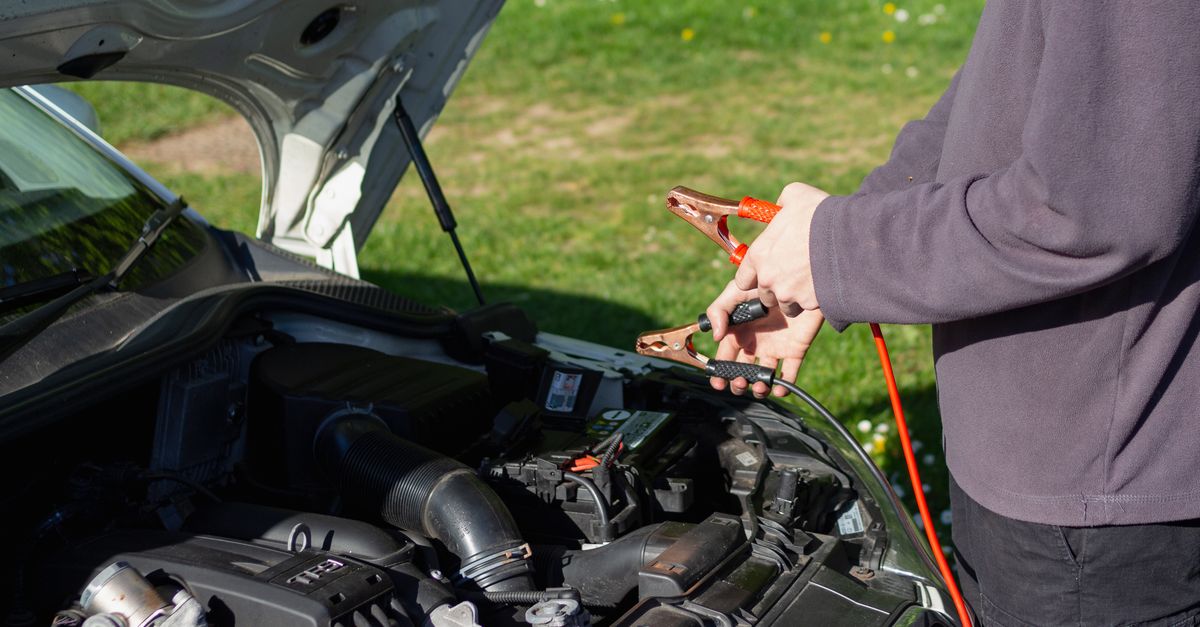
Jump-starting is the quickest dead car battery trick. You'll need jumper cables and another vehicle with a working battery.
Step-by-Step Jump-Starting Process
- Park the helper vehicle within 18 inches of your dead battery
- Turn off both engines completely
- Attach the red jumper cable clamp to your dead battery's positive terminal (marked +)
- Connect the other red clamp to the helper vehicle's positive terminal
- Attach the black clamp to the helper vehicle's negative terminal (marked -)
- Connect the final black clamp to an unpainted metal surface on your engine block
- Start the helper vehicle and wait 2-3 minutes
- Start your car
- Remove cables in reverse order
- Drive for at least 20 minutes to recharge
Warning: Never let the cable clamps touch each other. This creates dangerous sparks. Always wear eye protection when working with batteries.
The order of cable removal is critical for safety. Always remove the negative cable from your car first, then the negative from the helper vehicle, followed by the positive from the helper vehicle, and finally the positive from your car. This sequence prevents electrical surges that could damage vehicle electronics.
Portable Jump Starters: Your Backup Plan
A portable jump starter removes the need for another vehicle. These devices store power and deliver it directly to your battery.
Modern jump starters are compact and affordable. Prices range from $50-$300 depending on power capacity. Higher capacity models work for larger vehicles like trucks and SUVs.
Using a portable jump starter takes just 5 minutes. Charge the device at home, keep it in your car, and use it whenever needed. Many models include USB ports for charging phones during emergencies.
Top-rated brands include NOCO, Stanley, and Dewalt. These jump starters deliver reliable performance in cold weather and work on most vehicles.
When choosing a portable jump starter, look for models with at least 400-600 amps for sedans and 1000+ amps for trucks and SUVs. Premium models include safety features like spark-proof technology, reverse polarity protection, and temperature monitoring. Many also feature LED work lights, emergency flashers, and wireless charging pads. The best jump starters come with carrying cases and warranty coverage of 2-5 years. Some models even include air compressors for tire inflation, making them versatile emergency tools beyond battery assistance.
The Wiggle Method for Loose Connections
Sometimes your battery isn't actually dead. Loose or corroded terminals fool you into thinking the battery failed.
Here's the dead car battery trick that fixes 10-15% of no-start problems:
- Open your hood and locate the battery
- Examine both terminal connections
- Look for white, blue, or green crusty buildup
- Try gently wiggling each cable connector
- Listen for a clicking sound when you turn the key
- If clicking increases, the connection is loose
- Tighten the connector bolts with a wrench
- Try starting your engine again
Loose connections happen from vibration and temperature changes. This trick works even when your battery has plenty of charge.
Battery terminal corrosion accelerates in humid climates and near coastal areas where salt spray is present. The white or blue crusty buildup is lead sulfate or copper oxide, both of which prevent electrical flow. Even a thin layer of corrosion can increase electrical resistance enough to prevent engine starting. Checking and tightening connections quarterly prevents most connection-related starting issues.
Cleaning Corroded Battery Terminals
Battery corrosion blocks electrical current. Cleaning terminals is a simple dead car battery trick that restores power flow.
Terminal Cleaning Steps
- Disconnect the negative cable first (the black one)
- Disconnect the positive cable
- Mix baking soda with water to make a paste
- Apply paste to corroded terminals and connectors
- Scrub with an old toothbrush or wire brush
- Wipe clean with a dry cloth
- Reconnect the positive cable
- Reconnect the negative cable
- Apply terminal protectant spray
- Start your engine to verify it works
This process takes about 15 minutes. Preventive cleaning every 6 months stops corrosion before it causes problems.
For severe corrosion, replace the terminal connectors. New connectors cost $10-$25 and prevent future connection issues.
Alternative cleaning solutions include cola (which contains phosphoric acid), vinegar, or commercial battery terminal cleaners. However, baking soda paste is safest and most effective for most situations. After cleaning, applying dielectric grease to terminals creates a moisture barrier that prevents future corrosion. This simple maintenance step can extend battery life by 1-2 years.
Battery Testing: Know When to Replace
Sometimes a dead car battery can't be revived. Testing tells you if replacement is necessary.
Most auto parts stores test batteries for free. They measure voltage and load capacity. A healthy battery shows 12.6 volts or higher when the engine is off.
If voltage drops below 12 volts, the battery is dying. Anything below 10 volts means replacement is urgent.
Battery age matters too. Batteries older than 5 years fail more often. If your battery is aging and testing shows weak capacity, replacement prevents future dead battery situations.
Modern batteries cost $100-$300 depending on type and vehicle. Installation is simple and most shops do it free when you purchase from them.
Professional load testing applies a 150-amp load for 15 seconds to measure how well the battery performs under stress. Batteries that drop below 9.6 volts during this test are failing. Many mechanics also perform alternator testing simultaneously to rule out charging system problems. Some advanced diagnostic equipment can predict battery failure 1-3 months in advance, allowing you to replace it before it dies unexpectedly.
The Heat Trick for Cold Weather Dead Batteries
Cold weather reduces battery power dramatically. This dead car battery trick helps in freezing temperatures.
Apply gentle heat to the battery case. Use a heat lamp, warm water bottle, or blanket. Never use a torch or direct flame.
Heat the battery for 10-15 minutes. Warming increases chemical reactions inside, boosting power temporarily. This trick works best on older batteries that lose power in cold.
After heating, try jump-starting immediately. The temporary power boost might be enough to get your engine running.
This solution is temporary. Once the engine runs, drive straight to a service center for battery replacement or repair. Seasonal towing trends show winter causes 40% more battery failures than other seasons.
For winter climates, battery blankets or heated battery boxes provide ongoing protection. These insulated covers maintain optimal battery temperature even in sub-zero conditions. Some advanced models include thermostat controls that activate heating only when temperatures drop below freezing, saving energy while protecting your battery year-round.
Prevention: Stop Dead Batteries Before They Start
The best dead car battery trick is preventing the problem entirely.
Battery Maintenance Checklist
- Check battery connections monthly for corrosion
- Keep terminals clean and tight
- Test battery capacity annually
- Turn off all lights before leaving your vehicle
- Avoid leaving accessories running when parked
- Drive regularly to keep the battery charged
- Replace batteries every 4-5 years as preventive maintenance
- Inspect the alternator if batteries die frequently
- Use a battery tender if storing your car long-term
- Park in a garage or shaded area to minimize temperature extremes
- Avoid frequent short trips that prevent full charging
- Keep battery terminals dry and protected from moisture
Regular maintenance costs almost nothing. A $20 battery terminal cleaner kit prevents expensive replacements.
Cold climate drivers should invest in battery blankets. These insulated covers keep batteries warm and cost $15-$50.
When to Call Professional Help
Some dead battery situations need professional attention. Know when DIY tricks won't work.
Call for help if your battery dies repeatedly within days. This signals an alternator problem or parasitic drain. Professional diagnostics identify the real issue.
If jump-starting fails after 3 attempts, the battery is likely too damaged. Tow truck services can transport your vehicle safely. Learn what to do when your car breaks down to stay safe while waiting for help.
Professional mechanics use specialized equipment to test battery health accurately. They identify parasitic drains that slowly kill batteries overnight.
If you need towing, find towing services near you through USA Tow Finder. Professional tow operators know how to transport vehicles with dead batteries safely.
Understanding Battery Chemistry and Power
Your car battery works through chemical reactions. Understanding this helps you recognize dead battery symptoms early.
A standard car battery has 6 cells producing 2 volts each, totaling 12 volts. Each cell contains lead plates and sulfuric acid.
When you turn the key, the battery powers the starter motor. This demands 100+ amps in seconds. A weak battery can't deliver this power.
As batteries age, internal resistance increases. This reduces the current they can supply. Eventually, they can't start your engine even though they still hold voltage.
Cold temperatures thicken the acid inside, slowing chemical reactions. This is why batteries fail more often in winter. Modern batteries include cold-cranking amp ratings (CCA) that measure winter performance.
The lead dioxide positive plates and lead negative plates create electrical potential through the sulfuric acid electrolyte. During discharge, lead sulfate forms on both plates, which reverses during charging. Over many charge-discharge cycles, some lead sulfate becomes permanent, reducing capacity. This sulfation process accelerates in hot climates and when batteries remain in discharged states for extended periods.
Dead Battery Myths You Should Ignore
Many false remedies circulate about dead car battery tricks. Here's what actually works and what doesn't.
Myth: Tapping the battery helps it work again. Truth: This damages the battery case and never restores power.
Myth: Revving the helper vehicle speeds up charging. Truth: Steady idle is safer. High RPM can damage electronics.
Myth: Disconnecting the battery resets the system. Truth: This erases computer memory and can damage modern vehicles.
Myth: Replacing the battery yourself saves money. Truth: Professional installation ensures proper connection and warranty protection.
Myth: A dead battery can be restored by charging overnight. Truth: Completely dead batteries often have internal damage that prevents full recovery.
Myth: All car batteries are the same. Truth: Different vehicles require different battery types with specific voltage, amperage, and physical dimensions.
These myths cause damage and frustration. Stick to proven dead car battery tricks that actually work.
Battery Replacement Options and Costs
When a dead car battery can't be saved, replacement is your only option. Understanding choices helps you decide.
Standard lead-acid batteries cost $100-$200. These work for most vehicles and last 3-5 years.
Premium batteries cost $150-$300. They last longer and handle extreme temperatures better.
AGM batteries run $200-$400. These absorb vibration better and suit vehicles with lots of electronics.
Installation costs $0-$50 depending on your vehicle. Many shops include free installation with battery purchase.
Check current towing costs in your area if you need roadside transport for battery issues. Prices vary by location and service type.
Prices from providers like AAA, GEICO, Progressive, and State Farm are current as of 2026. We're not affiliated with these companies.
When comparing battery options, consider warranty length. Standard batteries typically include 3-year warranties, while premium models offer 5-7 year coverage. Some manufacturers even provide free replacement warranties for the first 2-3 years. This protection is valuable insurance against premature failure. Additionally, many retailers offer core exchange programs where you receive credit for your old battery, reducing net replacement costs by $10-$25.
Emergency Kit Essentials for Dead Battery Prevention
Carrying the right supplies prevents dead battery emergencies from becoming disasters.
Must-Have Battery Emergency Items
- Jumper cables or portable jump starter
- Battery terminal cleaning brush
- Baking soda for terminal cleaning
- Adjustable wrench for terminal connections
- Flashlight for working in dark conditions
- Work gloves to protect your hands
- Battery terminal protectant spray
- Phone charger for calling help
- Safety glasses to protect your eyes
- Rags or paper towels for cleanup
Read our complete emergency roadside kit guide for a full list of items that handle multiple vehicle emergencies.
Portable jump starters are the best investment. They work in any situation and require no second vehicle.
Frequently Asked Questions
Need Emergency Towing Services?
Don't wait when you're stranded. Get professional help now.
Find Professional Towing Help

Discussion (0)
Be the first to comment!
Share your experience or ask questions about towing services.