
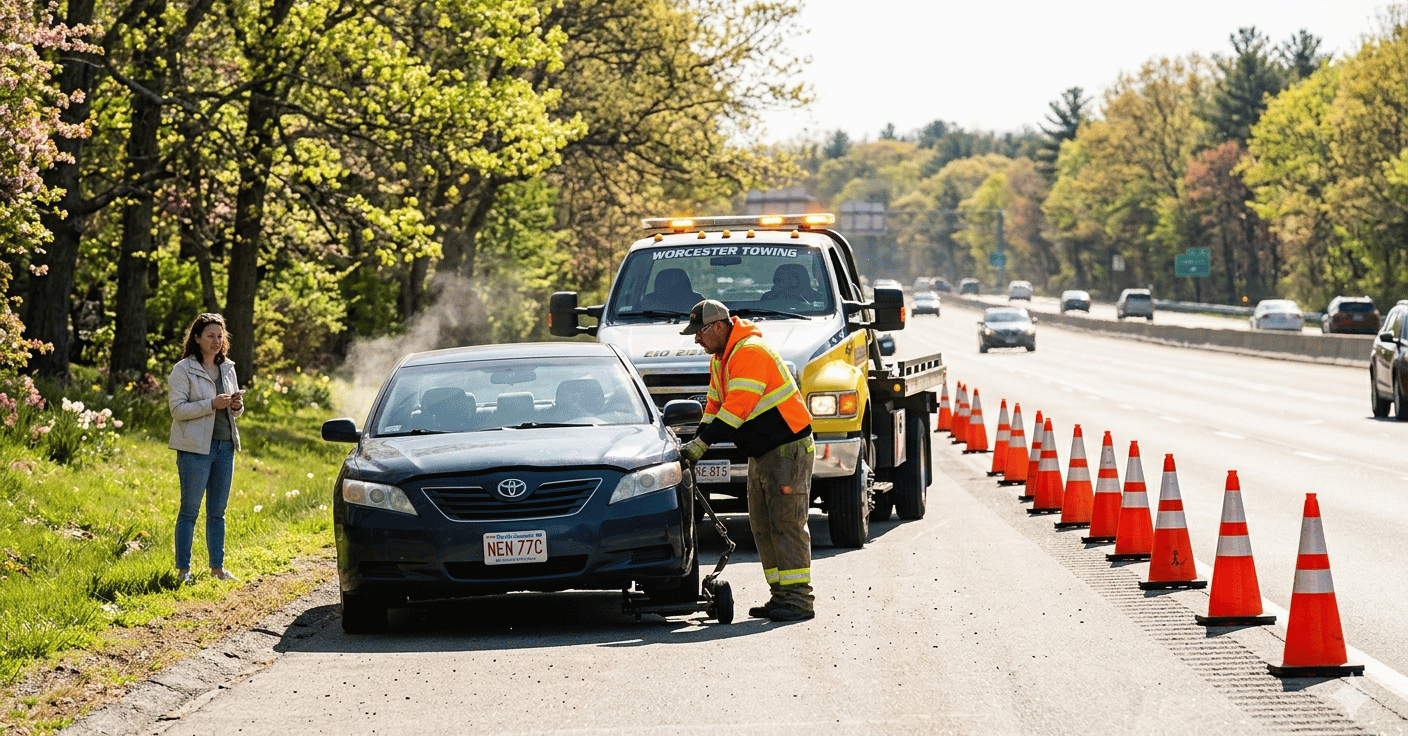
Seasonal towing trends show dramatic shifts throughout the year. Winter weather creates the biggest spike in demand. Summer road trips and holiday travel also drive up service calls.
Understanding these patterns helps you prepare better. You'll know when to expect higher costs. You'll also learn how to avoid the worst delays.
Smart drivers plan ahead for peak seasons. They maintain their vehicles before problems hit. They also know which months bring the highest towing fees.
What Drives Seasonal Towing Demand Spikes?
Weather conditions create the biggest impact on towing needs. Cold temperatures drain batteries faster. Snow and ice cause more accidents and breakdowns.
Travel patterns also affect demand. More people drive during holidays and summer vacations. This means more potential breakdowns on busy roads.
Vehicle age plays a role too. Older cars struggle more in extreme weather. They're more likely to need emergency roadside assistance during harsh conditions.
Economic factors also influence seasonal towing patterns. During peak travel seasons, people often delay routine maintenance to save money for vacations. This creates a perfect storm of increased vehicle usage combined with deferred maintenance, leading to higher breakdown rates. Additionally, rental car shortages during busy periods force people to drive vehicles they might not normally use, including older family cars that haven't been properly maintained.
Here's what triggers seasonal spikes:
- Temperature extremes (hot and cold)
- Holiday travel increases
- Weather-related accidents
- Delayed vehicle maintenance
- Seasonal driving conditions
- Increased tourist traffic in vacation areas
- Construction season road hazards
- School year schedule changes
- Agricultural season equipment on roads
When Do Winter Towing Calls Peak Most?
December through February sees the highest towing demand. Cold weather affects batteries, tires, and engine performance. Snow and ice create hazardous driving conditions.
January typically shows the biggest spike. Post-holiday travel combines with the coldest temperatures. Many drivers also neglect maintenance during busy holiday periods.
Winter weather patterns vary by region. Northern states see earlier spikes starting in November. Southern areas might only see brief increases during cold snaps.
The "polar vortex" events that have become more common in recent years create unprecedented demand spikes. These extreme cold weather events can push temperatures 20-30 degrees below normal, causing massive battery failures and engine problems. Towing companies report that during these events, even well-maintained vehicles can experience problems, and demand can exceed capacity by 400% or more.
| MonthDemand IncreasePrimary Causes | ||
| December | 35% | Holiday travel, early winter weather |
| January | 42% | Coldest temperatures, battery failures |
| February | 38% | Continued cold, storm systems |
Battery failures account for 60% of winter towing calls. Cold weather reduces battery capacity by up to 50%. Older batteries often can't handle the extra strain.
How Do Summer Months Affect Towing Patterns?
Summer brings different challenges but still increases towing demand. Hot weather stresses cooling systems and tires. Long road trips put extra miles on vehicles.
July and August show the biggest summer spikes. Family vacations peak during these months. More drivers take long trips they don't usually make.
Overheating becomes the top summer problem. Air conditioning systems work overtime. Radiators and cooling fans face extra stress in extreme heat.
Summer towing patterns include:
- Overheating engines (40% of calls)
- Tire blowouts from hot pavement
- Air conditioning failures
- Long-distance breakdown rescues
- Tourist area congestion delays
Popular vacation destinations see huge demand increases. Beach towns and national park areas can have 200% higher call volumes. This affects both wait times and towing costs in these regions.
Which Holidays Create the Biggest Towing Rushes?
Thanksgiving weekend generates the year's highest towing volume. Millions of people drive who rarely take long trips. Many vehicles haven't had recent maintenance checks.
Christmas and New Year's also create major spikes. Cold weather combines with heavy travel volumes. People often drive in unfamiliar areas during holiday visits.
Memorial Day and Labor Day bookend summer travel season. These weekends see increased breakdowns from overloaded vehicles. Families pack extra gear for vacation trips.
Here are the peak holiday periods:
- Thanksgiving weekend (Wednesday-Sunday)
- Christmas week (December 20-27)
- New Year's week (December 28-January 3)
- Memorial Day weekend
- Labor Day weekend
Fourth of July creates regional spikes near popular destinations. Beach areas and lake regions see massive increases. Urban areas might actually see decreased demand as people leave town.
What Regional Differences Exist in Seasonal Trends?
Northern states show more dramatic winter spikes. Snow belt areas can see 300% increases during major storms. Southern regions have milder winter increases but face summer heat challenges.
Coastal areas deal with hurricane season impacts. Gulf Coast states see spikes during storm seasons. Atlantic coastal regions face similar weather-related increases.
Mountain regions have unique patterns. Ski season creates winter tourism spikes. Summer hiking and camping also increase demand in these areas.
Regional seasonal patterns:
- Northeast: Heavy winter spikes, moderate summers
- Southeast: Hurricane season peaks, hot summer increases
- Midwest: Severe winter weather, tornado season spikes
- Southwest: Extreme summer heat, flash flood risks
- West Coast: Fire season impacts, earthquake considerations
Desert regions face unique summer challenges. Temperatures over 115°F stress all vehicle systems. Many towing companies limit service during extreme heat hours.
How Do Weather Events Impact Towing Demand?
Severe weather creates immediate demand spikes. Ice storms can increase calls by 400% in affected areas. Heavy snowfall triggers similar dramatic increases.
Flooding events create unique towing challenges. Water-damaged vehicles need special handling. Recovery operations require specialized equipment and expertise.
Heat waves stress vehicle cooling systems. Temperatures above 100°F for several days create sustained demand increases. Air conditioning failures become common service calls.
Weather-related towing scenarios include:
- Ice storm vehicle recoveries
- Flood damage evacuations
- Snow drift extractions
- Heat-related breakdowns
- Storm debris clearance
Tornado seasons create regional spikes in affected areas. Hail damage often requires vehicle transport to repair facilities. Wind damage can make vehicles unsafe to drive.
When Should You Expect Higher Towing Costs?
Peak demand periods almost always mean higher prices. Winter months can see 25-40% price increases. Holiday weekends also trigger premium pricing from many providers.
Supply and demand economics drive these increases. Fewer trucks available means higher rates. Emergency calls during storms command premium prices.
Some companies use surge pricing similar to rideshare services. Demand spikes trigger automatic rate increases. This helps manage capacity during busy periods.
| SeasonAverage Cost IncreasePeak Days | ||
| Winter | 25-40% | Storm days, holidays |
| Summer | 15-25% | Long weekends, heat waves |
| Spring | 10-15% | Spring break travel |
| Fall | 20-30% | Thanksgiving week |
After-hours and weekend rates add extra costs year-round. But peak seasons make these premiums even higher. Planning ahead helps avoid the worst price spikes.
How Can You Prepare for Peak Towing Seasons?
Preventive maintenance prevents most seasonal breakdowns. Schedule service before peak travel times. Don't wait until problems develop during busy periods.
Battery testing becomes critical before winter. Most auto parts stores offer free battery tests. Replace weak batteries before cold weather hits your area.
Cooling system maintenance prevents summer overheating. Check coolant levels and hoses regularly. Clean debris from radiator fins and air conditioning condensers.
Essential seasonal preparation steps:
- Battery load testing (fall)
- Coolant system inspection (spring)
- Tire pressure and tread checks
- Emergency kit updates
- Roadside assistance plan review
Keep an emergency roadside kit updated year-round. Seasonal items like ice scrapers and sunshades help prevent problems. Water and blankets become essential during extreme weather.
What Should You Know About Wait Times During Peak Periods?
Expect longer wait times during seasonal peaks. Winter storms can create 3-4 hour delays. Holiday weekends also stretch response times significantly.
Tow truck companies prioritize calls based on safety factors. Accidents and dangerous locations get faster response. Non-emergency breakdowns wait longer during busy periods.
Popular tourist destinations face additional delays. Limited local towing capacity gets overwhelmed quickly. Bringing in trucks from other areas takes extra time.
Factors affecting wait times:
- Weather severity and road conditions
- Number of simultaneous calls
- Available truck capacity
- Location accessibility
- Emergency vs. non-emergency priority
Some areas implement towing rotation systems during major events. This helps distribute calls fairly among available providers. But it can still mean longer waits during peak demand.
Which Vehicle Types Face the Most Seasonal Challenges?
Older vehicles struggle more during extreme weather. Worn components fail more frequently in harsh conditions. Vehicles over 10 years old show 60% higher breakdown rates.
Luxury vehicles with complex systems face unique seasonal issues. Advanced electronics don't always handle temperature extremes well. Specialized parts can be harder to source quickly.
Commercial vehicles and RVs create special seasonal demands. Moving trucks peak during summer months. RV breakdowns spike during vacation seasons.
Vehicle categories and seasonal risks:
- Economy cars: Battery and cooling system failures
- Luxury vehicles: Complex electronic system issues
- SUVs/Trucks: Overloading during travel seasons
- Sports cars: Low clearance in snow, overheating in heat
- Electric vehicles: Reduced range in extreme temperatures
Electric vehicles face unique seasonal challenges. Cold weather reduces battery range by up to 40%. Hot weather also affects charging efficiency and battery performance.
How Do Towing Companies Prepare for Seasonal Demand?
Professional towing companies track seasonal patterns carefully. They hire extra drivers before peak seasons. Equipment maintenance intensifies before busy periods.
Many companies partner with others to handle overflow calls. Regional networks help distribute demand during major events. This helps maintain reasonable response times.
Staff scheduling changes dramatically during peak seasons. Companies often require overtime and weekend work. Some bring in temporary drivers from other regions.
Operational preparation includes:
- Fleet expansion and maintenance
- Driver training and certification
- Equipment winterization or cooling
- Partnership agreements with other companies
- Emergency response protocol updates
Technology helps manage seasonal demand spikes. GPS dispatching systems optimize truck routing. Mobile apps help customers track arrival times during busy periods.
Choosing reliable tow truck companies becomes even more important during peak seasons. Established providers usually handle demand spikes better than smaller operators.
Common Mistakes That Lead to Seasonal Towing Needs
Many seasonal breakdowns result from preventable mistakes. Drivers often ignore warning signs until it's too late. Procrastination with maintenance creates emergency situations during peak travel times.
One of the biggest mistakes is assuming your vehicle will handle extreme weather without preparation. Many drivers don't realize that temperature changes affect more than just comfort - they impact critical vehicle systems. Failing to switch to appropriate seasonal fluids, like antifreeze concentrations or oil viscosity, can lead to expensive breakdowns.
Another common error is overloading vehicles during vacation travel. Families pack extra gear without considering weight limits or how additional cargo affects vehicle performance. This puts extra strain on engines, transmissions, and cooling systems, especially during summer road trips.
Frequent seasonal mistakes include:
- Ignoring dashboard warning lights before trips
- Using incorrect oil viscosity for temperature extremes
- Failing to check tire pressure in temperature changes
- Overloading vehicles with vacation gear
- Neglecting to clean battery terminals
- Skipping coolant system flushes
- Using summer tires in winter conditions
- Not updating emergency kits for seasonal needs
Social media and online forums often spread misinformation about vehicle care. Some drivers follow outdated advice or use inappropriate "life hacks" that can damage their vehicles. Professional maintenance advice should always take precedence over internet tips.
What Future Trends Will Affect Seasonal Towing Patterns?
Climate change affects seasonal towing patterns. More extreme weather events create unpredictable demand spikes. Traditional seasonal patterns may shift as weather becomes less predictable.
Electric vehicle adoption changes breakdown patterns. Cold weather range anxiety increases service calls. But electric vehicles have fewer mechanical breakdowns overall.
Remote work trends affect travel patterns. Fewer daily commutes but more weekend travel. Holiday periods might see even bigger spikes as people take longer trips.
The rise of ride-sharing and car-sharing services is creating new seasonal patterns. People who don't drive regularly may be less familiar with vehicle maintenance needs. When they do rent or borrow vehicles for seasonal travel, they're more likely to experience problems due to unfamiliarity with the specific vehicle.
Autonomous vehicle technology will eventually reduce some types of seasonal breakdowns. Advanced monitoring systems can predict failures before they happen. However, the transition period may create new challenges as traditional mechanics adapt to new technologies.
Emerging trends include:
- More extreme weather events
- Electric vehicle seasonal challenges
- Changed commuting patterns
- Increased recreational vehicle use
- Technology-assisted breakdown prevention
- Shared mobility service impacts
- Supply chain disruptions affecting parts availability
- Labor shortages in automotive service industries
Advanced vehicle monitoring systems help predict breakdowns. Connected cars can alert owners to potential problems. This might reduce emergency towing needs over time.
Towing technology advances also improve seasonal response. Better GPS tracking helps during storms. Mobile payment systems speed up service during busy periods.
How Can You Avoid Peak Season Towing Altogether?
Prevention remains the best strategy for avoiding seasonal towing needs. Regular maintenance catches problems before they strand you. Seasonal vehicle preparation prevents most weather-related breakdowns.
Plan travel around known peak periods when possible. Avoid driving during major storms unless absolutely necessary. Choose less popular travel dates to avoid holiday rushes.
Keep backup transportation options available. Rideshare services work for short distances. Rental cars help during extended vehicle repairs.
Creating a seasonal maintenance calendar helps ensure nothing gets overlooked. Schedule battery tests in fall, cooling system checks in spring, and tire rotations before major travel seasons. Many service centers offer seasonal packages that bundle necessary maintenance items at discounted rates.
Building relationships with trusted mechanics pays off during peak seasons. Established customers often get priority scheduling for urgent repairs. Some shops will even store seasonal items like snow tires for regular customers.
Prevention strategies:
- Follow manufacturer maintenance schedules
- Address warning signs immediately
- Keep emergency supplies updated
- Plan alternative transportation
- Monitor weather forecasts closely
- Maintain relationships with trusted service providers
- Keep detailed maintenance records
- Learn basic troubleshooting skills
Understanding your towing insurance coverage helps during peak seasons. Some policies include priority service during emergencies. Others offer rental car coverage while your vehicle gets repaired.
When you do need service, find towing services near you through USA Tow Finder. Our directory helps you locate available providers even during peak demand periods.
Disclaimer: Seasonal demand data reflects industry averages from providers like AAA, GEICO, and State Farm as of 2026. We're not affiliated with these companies. Individual experiences may vary based on location and specific circumstances.
Frequently Asked Questions
Need Emergency Towing Services?
Don't wait when you're stranded. Get professional help now.
Find Local Towing Services

Discussion (0)
Be the first to comment!
Share your experience or ask questions about towing services.