
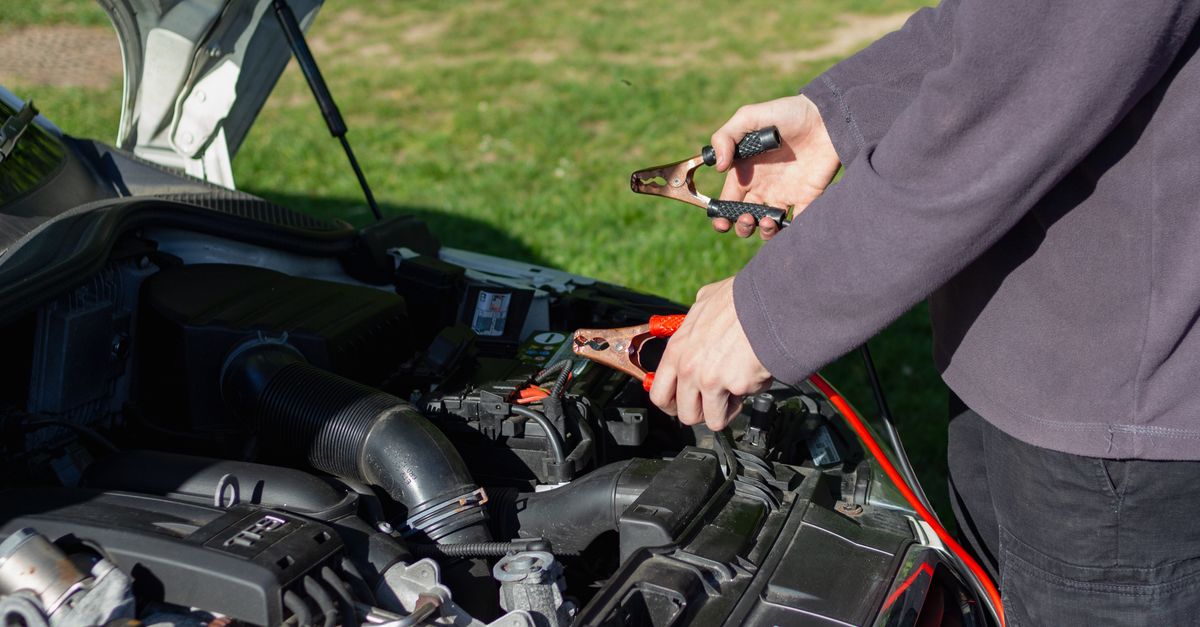
What Are Jumper Cables and Why Do You Need Them?
Jumper cables for cars are lifelines when your battery dies unexpectedly. They're electrical conductors with clamps that connect two car batteries. One end hooks to a working battery, the other to your dead one.
Having quality jumper cables in your vehicle can save you hundreds in towing fees. Instead of calling a tow truck, you can get a quick battery boost from another driver. It's one of the smartest emergency tools to keep on hand.
A dead battery happens to everyone. Bad weather, old batteries, or forgotten lights drain power fast. But with the right cables and knowledge, you'll handle it like a pro.
How to Choose the Right Jumper Cables for Your Car?
Not all jumper cables are created equal. The wrong choice won't deliver enough power when you need it most.
Gauge Size Matters Most
Gauge refers to the thickness of the copper wire inside. Thicker wires carry more current. Here's what you need to know:
- 2-4 gauge: Heavy-duty professional cables. Best for trucks and larger vehicles.
- 4-6 gauge: Standard for most cars and sedans. Reliable for everyday use.
- 8-10 gauge: Thin, lightweight cables. Slower power transfer. Not recommended.
For most passenger cars, 4-6 gauge cables work perfectly. They're thick enough to transfer power quickly but light enough to store easily.
Length Makes a Real Difference
Cable length determines how far apart two vehicles can be. Shorter cables limit flexibility.
- 12 feet: Minimum length. Works for most situations.
- 16-20 feet: Ideal for larger vehicles or tight parking spots.
- 25+ feet: Professional grade. Useful if you frequently help others.
I recommend keeping 16-foot cables in your car. They give you flexibility without being bulky.
Clamp Quality and Insulation
Clamps are where cables connect to battery terminals. Poor clamps slip off mid-boost. Look for:
- Copper or brass clamps (not cheap zinc-plated)
- Insulated handles to prevent accidental shocks
- Spring-loaded clamps that grip firmly
- Clear color coding (red for positive, black for negative)
Warning: Never buy cables with corroded or loose clamps. They won't conduct power properly and create safety hazards.
What's the Difference Between Cable Types?
Several jumper cable styles exist. Each has pros and cons.
Standard Booster Cables
These are the traditional type most people recognize. Two insulated wires with clamps on each end. They're affordable and reliable.
Pros: Inexpensive ($15-40), durable, easy to store. Cons: Require another vehicle, manual connection process.
Booster Packs and Jump Starters
Portable battery packs that store power independently. No second vehicle needed.
Pros: Work alone, compact, some have USB chargers. Cons: Cost $50-300, need charging regularly, limited power for larger vehicles.
Jumper Cables with Built-In Safety Features
Premium cables include spark guards and automatic shut-off.
Pros: Safer operation, prevent accidental sparks. Cons: More expensive ($40-80), heavier.
Step-by-Step Guide: How to Jump-Start Your Car Safely
Ready to use your jumper cables? Follow these steps exactly. Safety matters more than speed.
Before You Connect Anything
- Turn off both vehicles completely.
- Remove metal jewelry and watches.
- Inspect cable clamps for corrosion or damage.
- Move cars within cable reach (12-20 feet apart).
- Open both hoods and locate the batteries.
Never skip these prep steps. They prevent electrical shocks and equipment damage.
Connecting the Cables
- Positive terminal first: Clamp the red cable to the dead battery's positive (+) terminal.
- Other positive: Clamp the red cable's other end to the working battery's positive (+) terminal.
- Working battery negative: Clamp the black cable to the working battery's negative (-) terminal.
- Unpainted metal surface: Clamp the black cable to a clean, unpainted metal surface on your car's engine. Avoid the negative terminal directly.
Important: This order prevents sparks. Always connect positive terminals before negative ones.
Starting the Vehicles
- Start the working vehicle. Let it run for 2-3 minutes.
- Try starting your car. It should turn over quickly.
- Let both vehicles run for another minute together.
- Turn off the working vehicle first.
- Then turn off your car.
If your car doesn't start after two attempts, stop. Something else is wrong. Consider calling for professional help or a tow truck.
Removing the Cables
- Remove the black cable from your car first.
- Remove the black cable from the working vehicle.
- Remove the red cable from the working vehicle.
- Remove the red cable from your car last.
Reverse order prevents electrical surges. Always remove black (negative) before red (positive).
Common Mistakes People Make With Jumper Cables
Even experienced drivers make these errors. Avoid them.
Connecting Cables in Wrong Order
This is the biggest mistake. Connecting black cable to negative terminals first creates sparks. Sparks ignite hydrogen gas from batteries. Explosions can happen.
Always remember: Red first, black second. Positive before negative. Every single time.
Using Damaged or Corroded Cables
Old cables with exposed wire or corroded clamps don't conduct power properly. You'll waste time and risk electrical burns.
Inspect your cables twice yearly. Replace them if you see damage. New cables cost $20-50. Electrical burns cost way more.
Clamping Cables to Battery Terminal Covers
Some batteries have plastic covers over terminals. You must move the cover to access the actual terminal. Clamping to plastic prevents power transfer completely.
Take 10 seconds to locate the actual metal terminal. It makes the difference between success and frustration.
Running Only One Vehicle
Your car won't start if you don't let the working vehicle charge the dead battery. Run the working car for 2-3 minutes before attempting to start yours.
Impatience causes dead batteries to stay dead. Give it time to transfer power.
Revving the Engine Too Hard
Slamming the accelerator doesn't help. It stresses both electrical systems. Keep RPMs normal while jumping.
Smooth, steady power transfer works better than aggressive acceleration.
Safety Precautions You Must Follow
Battery safety isn't optional. Batteries contain acid and explosive gases. Respect them.
- Wear safety glasses. Battery acid burns eyes permanently.
- Never smoke near batteries. Hydrogen gas ignites easily.
- Keep clamps from touching each other. This creates dangerous sparks.
- Remove metal rings and watches. They conduct electricity and cause burns.
- Don't jump-start in wet conditions. Water conducts electricity dangerously.
- Never touch both cables at once. You become the electrical conductor.
Warning: If you smell rotten eggs near the battery, don't attempt a jump-start. That's hydrogen sulfide gas. Call professional help instead.
How to Store and Maintain Your Jumper Cables?
Good storage keeps cables ready when emergencies happen.
Proper Storage Techniques
Coil cables loosely in your trunk. Tight coils damage insulation. Store them in a protective bag to prevent moisture buildup.
Keep cables away from extreme heat. Hot car trunks damage rubber insulation. A storage box or bag protects them.
Regular Maintenance Checks
Twice yearly, inspect your cables:
- Look for cracks in the insulation
- Check for corrosion on clamps
- Ensure clamps clamp tightly
- Verify color coding is visible
Small problems now prevent big failures later. A $30 replacement is cheaper than roadside assistance.
When Should You Call Professional Help Instead?
Some situations require professional towing. Know when to stop trying.
If your car doesn't start after two jump attempts, the battery probably isn't the problem. Maybe your starter is dead. Maybe your alternator failed. Maybe something worse happened.
Repeated jump-starting damages both batteries. After two attempts, stop. Call a professional tow truck or roadside assistance. Learn what to do when your car breaks down for complete guidance.
Also, if you notice your battery dying repeatedly, you have a deeper issue. Your alternator might not be charging properly. Get it checked by a mechanic before you're stranded again.
Find towing services near you if you're stuck without jumper cables or help.
Jumper Cables vs. Portable Jump Starters: Which Is Better?
Traditional cables and portable starters each have advantages. Choose based on your situation.
Jumper Cables Are Best If:
- You live in areas with regular traffic
- You want the cheapest option ($20-50)
- You have reliable friends who can help
- You drive larger vehicles needing more power
Portable Jump Starters Are Best If:
- You frequently drive alone in remote areas
- You have limited trunk space
- You want complete independence
- You want additional features like USB charging
Honestly? Keep both. Jumper cables weigh almost nothing. A portable starter provides backup power. Together, they cover every battery emergency.
Understanding Battery Terminals and Types
Not all batteries are identical. Understanding yours helps you jump-start correctly.
Terminal Types
Most cars use standard lead terminals. Some luxury vehicles use side-post terminals. Others use top-post. Your jumper cable clamps must fit your terminals.
Before buying cables, check your battery type. Universal clamps work on most cars, but verify compatibility.
Hybrid and Electric Vehicle Batteries
Never jump-start hybrid or electric vehicles with standard cables. Their batteries operate differently. They need specialized equipment. Always call roadside assistance for these vehicles.
Attempting a standard jump-start on a hybrid can damage expensive battery systems. It's not worth the risk.
How to Prevent Dead Batteries in the First Place
Prevention beats emergency fixes every time. Keep your battery healthy.
- Turn off all lights before leaving your vehicle
- Don't leave accessories running with the engine off
- Drive regularly to keep your battery charged
- Check battery terminals for corrosion monthly
- Replace old batteries before they fail (usually every 3-5 years)
- Avoid extreme cold when possible (batteries weaken in freezing temperatures)
Most batteries last 3-5 years. If yours is older, replace it before it dies. Prevention saves stress and money.
Frequently Asked Questions About Jumper Cables
Here are questions people ask most about battery jumps and cables.
Can Jumper Cables Damage My Car?
No, if used correctly. Improper connection damages electrical systems. That's why order matters. Always connect positive first, negative second.
How Long Should I Wait Before Driving After a Jump?
Drive for at least 20-30 minutes after a jump-start. This gives your alternator time to recharge the battery. Short trips don't fully recharge it.
Can I Jump-Start a Car With a Dead Alternator?
Temporarily, yes. But the battery will die again within miles. The alternator charges your battery while driving. Without it, the battery drains. Get your alternator fixed immediately.
What Gauge Cables Do I Actually Need?
For most cars, 4-6 gauge works fine. Trucks and large vehicles benefit from 2-4 gauge. Never go thinner than 8 gauge—power transfer becomes too slow.
Do Jumper Cables Expire?
Not exactly. But they degrade over time. Insulation cracks. Clamps corrode. Check them yearly. Replace every 5-7 years or if you notice damage.
Can I Jump-Start a Car in the Rain?
Not safely. Water conducts electricity. Rain on battery terminals creates shock hazards. Wait for dry conditions or call roadside assistance.
What If My Jumper Cables Spark?
Small sparks are normal when connecting the final cable. Larger sparks mean something's wrong. Stop immediately. Check cable connections. Ensure you connected positive first.
How Do I Know If My Battery Is Dead vs. Something Else?
Dead batteries show no lights, no clicks, no sounds. If lights work but the engine won't turn, your starter might be bad. If lights dim when you turn the key, the battery is weak but not completely dead.
Can I Jump-Start My Car Alone?
You need another vehicle with a working battery. You can't jump-start with just jumper cables. Portable jump starters let you jump-start solo if you keep them charged.
What's the Difference Between 12V and 24V Batteries?
Most cars use 12V batteries. Heavy trucks and commercial vehicles use 24V. Never mix them. Using 12V cables on a 24V system causes fires. Check your vehicle's manual.
Real-World Tips From Experienced Drivers
Here's what people who jump-start regularly know:
Keep your jumper cables accessible. Store them on top of your spare tire or in a front storage compartment. You won't use them often, but when you need them, you need them fast.
Make friends with your neighbors. Knowing someone with a working car nearby is valuable. Offer to help them jump-start too. It's a helpful community skill.
Take a photo of your battery terminals. This helps you remember which is positive and negative if you panic during an emergency. Stress makes people forget basic things.
Consider getting a roadside assistance membership. Services like AAA provide professional jump-starting if you're uncomfortable doing it yourself. They also cover towing if jumping doesn't work.
Recommended Jumper Cable Brands and What to Expect
Quality varies widely. Here's what reputable brands offer:
Budget Options ($15-30): Basic cables work fine for occasional use. Check clamp quality carefully. Avoid the cheapest options—they have poor clamps.
Mid-Range ($30-60): Better insulation, stronger clamps, longer warranties. This range offers excellent value. Most drivers get everything they need here.
Premium ($60-150): Professional-grade cables with safety features, spark guards, better storage cases. Worth it if you frequently help others or drive commercial vehicles.
Prices from providers like AAA, GEICO, Progressive, and State Farm are current as of 2026. We're not affiliated with these companies. Always check current prices before purchasing.
Ready to Handle Battery Emergencies Confidently
You now understand everything about jumper cables for cars. You know how to choose them, use them safely, and maintain them properly.
The key is preparation. Keep quality cables in your car. Practice the steps in your mind. Know when to call professionals. Most importantly, respect battery safety rules.
Dead batteries happen to everyone. But with the right tools and knowledge, you'll handle them like an expert. Keep a set of 4-6 gauge, 16-foot jumper cables with insulated handles in your vehicle. You'll be ready for anything.
If you ever need professional help after a jump-start fails, learn how to choose a reliable tow truck company. And remember, find towing services near you on USA Tow Finder whenever you need backup.
Frequently Asked Questions
Need Emergency Towing Services?
Don't wait when you're stranded. Get professional help now.
Find Towing Services Near You


Discussion (0)
Be the first to comment!
Share your experience or ask questions about towing services.