
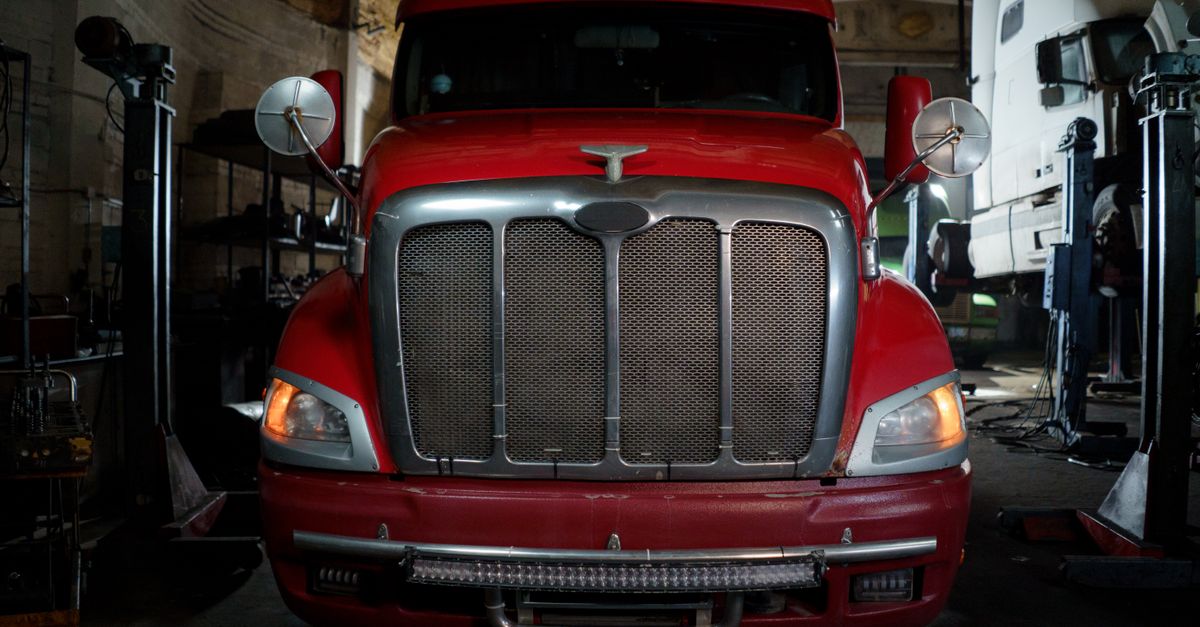
What Are Medium Duty Tow Trucks?
Medium duty tow trucks fall between light-duty and heavy-duty classes. They typically have a GVWR (Gross Vehicle Weight Rating) between 10,000 and 26,000 pounds. These trucks handle most common towing jobs without the fuel costs of heavy-duty rigs.
Think of them as the "sweet spot" for many towing operators. They're powerful enough for commercial work but fuel-efficient for daily operations.
The right medium duty tow truck boosts your business revenue. It attracts customers who need more than a light-duty service but don't need heavy wrecking equipment.
Who Should Buy Medium Duty Tow Trucks for Sale?
Medium duty tow trucks work best for specific business types. Are you starting a towing company? Do you want to expand your current fleet?
Independent towing operators benefit most from these vehicles. They're ideal if you handle roadside assistance, light-duty wrecking, and commercial towing. Fleet operators upgrading from light-duty trucks also find great value here.
Tow truck owners in competitive markets often use medium duty units to stand out. You'll attract customers who need more capability than basic roadside service offers.
How Much Do Medium Duty Tow Trucks Cost?
Pricing varies based on specs and equipment. New medium duty tow trucks typically cost between $45,000 and $85,000. Used models range from $25,000 to $60,000 depending on age and condition.
The chassis brand matters. Freightliner, International, and Peterbilt command different prices. Specialized equipment like integrated tow booms adds $10,000 to $20,000 to the base price.
Don't forget hidden costs. Insurance, licensing, and maintenance add up quickly. Budget an extra $8,000 to $12,000 annually for operating expenses. Check out our complete towing cost guide for detailed breakdowns.
Key Specifications to Compare When Shopping
Understanding specs helps you pick the right truck for your business. GVWR tells you the total weight the truck can safely handle. Towing capacity shows what you can pull behind the truck.
Engine options matter for performance. Diesel engines offer better torque and fuel economy. Gas engines cost less upfront but burn more fuel on long jobs.
Transmission type affects reliability and cost. Automatic transmissions are easier for operators but cost more. Manual transmissions save money but require skilled drivers.
Here's what to check:
- GVWR: 10,000-26,000 lbs determines truck class
- Towing capacity: Usually 8,000-15,000 lbs for medium duty
- Engine power: 200-350 horsepower typical range
- Wheelbase: Affects maneuverability in tight spaces
- Bed length: Longer beds hold more equipment
- Suspension: Air suspension provides smoother rides
Types of Medium Duty Tow Trucks Available
Different equipment setups serve different jobs. Flatbed tow trucks work great for long-distance hauling. Wheel-lift units excel at quick roadside pickups. Integrated boom trucks handle wrecking and recovery work.
Flatbed trucks offer maximum flexibility. They prevent vehicle damage during towing, which attracts high-end clients. These trucks cost more but command premium rates.
Wheel-lift trucks move fast. They're perfect for high-volume roadside service. Setup and pickup take minutes, not hours.
For detailed comparisons, read our guide to tow truck types. Each style has different profit potential for your business.
New vs. Used Medium Duty Tow Trucks
New trucks offer warranties and latest technology. Used trucks save money upfront but might need repairs soon. Here's how to decide:
Buy new if: You want reliability guarantees, plan to keep the truck 8+ years, and have capital available. New trucks hold value better and attract insurance discounts.
Buy used if: You're testing the market, need multiple trucks, or want lower initial investment. Used trucks depreciate less than new ones.
Pro tip: Buy trucks with under 100,000 miles if purchasing used. Check maintenance records carefully. A well-maintained used truck outperforms a neglected new one.
Consider certified pre-owned (CPO) trucks. Dealers inspect these vehicles and offer limited warranties. You get peace of mind at a lower price.
Financing Options for Your Purchase
Most towing operators don't pay cash for trucks. Financing spreads costs over time and preserves working capital.
Bank loans offer competitive rates if you have good credit. Expect 5-7 year terms at 6-9% interest for towing businesses. You'll need 15-20% down payment.
Dealer financing moves faster but costs more. Rates run 8-12%, making it pricier long-term. Use dealer financing only if banks reject you.
SBA loans help small businesses. The Small Business Administration backs these loans, lowering rates to 5-8%. Terms extend to 10 years, reducing monthly payments.
Equipment leasing avoids ownership. Monthly payments cover truck use without the purchase price. Leasing works if you prefer upgrading frequently.
Here's a quick comparison:
| Financing Type | Interest Rate | Term Length | Down Payment |
|---|---|---|---|
| Bank Loan | 6-9% | 5-7 years | 15-20% |
| Dealer Financing | 8-12% | 3-6 years | 10-15% |
| SBA Loan | 5-8% | 7-10 years | 10-20% |
| Equipment Lease | N/A | 3-5 years | None |
Talk to multiple lenders before deciding. Rates vary based on your credit and business history. Shop around to save thousands in interest.
Where to Buy Medium Duty Tow Trucks for Sale
Several sources sell medium duty tow trucks. Each has pros and cons worth considering.
Authorized dealers offer new trucks with warranties. They handle financing and service connections. Prices run higher, but you get support.
Used truck dealers specialize in pre-owned vehicles. They inspect trucks and offer limited warranties. Selection is better, and prices are lower.
Online marketplaces like Craigslist and Facebook Marketplace connect buyers and sellers directly. No middleman means lower prices. But you handle inspections yourself.
Truck auctions move inventory quickly. You'll find great deals on repos and fleet vehicles. Bring a mechanic to inspect before bidding.
Heavy equipment dealers carry both new and used trucks. They often finance in-house. Selection varies by location.
Red flag: Never buy from sellers who avoid inspections or won't let you test drive. Legitimate dealers welcome thorough evaluation.
Essential Equipment and Customization Options
The truck chassis is just the start. Equipment transforms it into a working tow truck.
Tow booms lift and recover vehicles safely. Integrated booms cost more but save space. Hydraulic systems power recovery equipment.
Lighting packages improve visibility and safety. LED light bars attract customers and reduce accidents. Budget $2,000-$5,000 for quality lighting.
Winches pull stuck vehicles. Hydraulic winches offer power and reliability. Electric winches cost less but work slower.
Signage and branding matter for business. Magnetic door signs cost $500-$1,500. Full vinyl wraps run $2,500-$4,500 but increase visibility dramatically.
GPS and dispatch systems streamline operations. Telematics track vehicle location, fuel use, and driver behavior. Modern systems cost $100-$300 monthly but boost efficiency.
Here's what most operators add:
- Integrated tow boom: $12,000-$20,000
- LED lighting package: $2,000-$5,000
- Hydraulic winch: $4,000-$8,000
- GPS/dispatch system: $100-$300/month
- Vehicle wrap: $2,500-$4,500
- Safety equipment: $1,500-$3,000
Maintenance and Operating Costs
Purchase price is just the beginning. Operating costs determine profitability.
Fuel is your biggest expense. Medium duty trucks average 6-8 mpg. At $3.50/gallon, expect $0.44-$0.58 per mile in fuel costs.
Maintenance includes oil changes, tire replacement, and repairs. Budget $3,000-$5,000 annually for preventative maintenance. Unexpected repairs add another $2,000-$4,000.
Insurance costs vary by location and coverage. Towing liability insurance runs $1,500-$3,500 annually. Comprehensive coverage adds another $500-$1,000.
Licensing and permits differ by state. Most require commercial vehicle licenses and towing permits. Annual costs range from $200-$800.
Driver wages are your second-largest expense. Experienced tow operators earn $40,000-$55,000 annually. Benefits and taxes add 30-40% to this cost.
Calculate total operating costs before buying. A $60,000 truck costs about $35,000-$45,000 annually to operate with one driver. You need enough business to cover these expenses and generate profit.
Return on Investment for Towing Operators
How long until your truck pays for itself? ROI depends on job volume and rates.
Average towing rates vary by region. Light-duty tows average $75-$125. Medium-duty tows bring $150-$300. Recovery jobs command $300-$800+.
A busy operator handles 8-12 tows daily. At average rates of $150-$200 per tow, that's $1,200-$2,400 daily revenue. After operating costs, net profit runs $400-$800 daily.
Monthly revenue reaches $24,000-$48,000 for active operators. After all expenses, take-home profit is $8,000-$16,000 monthly.
A $60,000 truck investment pays back in 4-8 months of solid work. After payback, the truck generates $96,000-$192,000 annually in net profit.
But results vary. Slow markets or inexperienced operators see longer payback periods. New operators should plan 12-18 months before breaking even.
Want to understand industry trends? Check out towing industry statistics for 2026. This data helps forecast realistic revenue.
Insurance Requirements and Compliance
Operating a tow truck legally requires proper insurance. Don't skip this step.
Commercial general liability covers bodily injury and property damage. This protects you if someone gets hurt or property gets damaged. Coverage starts at $1 million.
Commercial auto insurance covers the truck itself. Liability limits should match your state's requirements. Physical damage coverage protects against theft and accidents.
Garagekeepers liability covers customer vehicles while towing. If a vehicle gets damaged in your care, this pays for repairs. Most states require it.
Workers compensation covers employee injuries. Required in most states if you have employees. Solo operators may be exempt, but check your state.
Professional liability covers mistakes that cause customer loss. If you damage a vehicle during towing, this protects you from lawsuits.
Read our complete towing insurance guide for detailed coverage explanations. Proper insurance protects your business and reputation.
Compliance varies by state. Some require towing licenses. Others mandate specific equipment or training. Check your state's regulations before operating.
Making Your Final Purchase Decision
You've researched specs, pricing, and financing. Now make the final choice.
Create a checklist of must-haves. Does the truck meet your GVWR needs? Can you afford the monthly payment? Is the dealer reputable?
Test drive the truck thoroughly. Check brakes, steering, and acceleration. Listen for unusual engine noises. Verify all equipment works properly.
Get a pre-purchase inspection from an independent mechanic. They spot hidden problems you'll miss. Cost $150-$300, but saves thousands in repairs.
Review the warranty carefully. What does it cover? How long does it last? Does it transfer if you sell?
Negotiate the final price. Dealers expect haggling. You might save $2,000-$5,000 with smart negotiation.
Check financing terms one more time. Calculate total interest paid over the loan term. Small rate differences cost thousands.
Don't rush. The right truck is worth waiting for. A bad purchase decision costs you for years.
Frequently Asked Questions About Medium Duty Tow Trucks
Here are answers to common questions from operators like you.
Q: What's the difference between medium and heavy-duty tow trucks?
A: Medium duty trucks have 10,000-26,000 lbs GVWR. Heavy-duty trucks exceed 26,000 lbs GVWR. Heavy-duty trucks handle bigger loads but cost more and consume more fuel. Choose based on your typical job size.
Q: Can I finance a used medium duty tow truck?
A: Yes, but terms are shorter and rates higher. Banks typically finance used trucks 3-5 years at 8-12% interest. Newer used trucks (under 5 years) get better rates than older models.
Q: What maintenance do medium duty tow trucks need?
A: Follow the manufacturer's schedule. Oil changes every 5,000-10,000 miles, tire rotations every 15,000 miles. Hydraulic systems need yearly fluid checks. Brakes require annual inspection. Budget $3,000-$5,000 annually for preventative maintenance.
Q: How long does a medium duty tow truck last?
A: With proper maintenance, 10-15 years is typical. Some reach 20+ years but need major repairs. Track mileage and maintenance carefully. Resale value drops significantly after 200,000 miles.
Q: What's the best engine for a tow truck?
A: Diesel engines offer better torque and fuel economy. Gas engines cost less upfront. For medium duty trucks, diesel pays off through fuel savings on high-mileage jobs.
Q: Do I need special licensing to operate a medium duty tow truck?
A: Requirements vary by state and truck weight. Most states require a commercial driver's license (CDL) for trucks over 26,000 lbs GVWR. Check your state's regulations. Some require towing-specific certifications.
Q: What's the fuel economy for medium duty tow trucks?
A: Expect 6-8 mpg depending on engine type and driving conditions. Diesel trucks average 7-9 mpg. Heavy loads and highway driving reduce economy. City towing burns more fuel.
Q: Can I customize a medium duty tow truck after purchase?
A: Yes, but plan ahead. Adding equipment after purchase costs more and requires downtime. Integrated booms, winches, and lighting can be added, but it's pricier than ordering them new.
Q: What's the resale value of a used medium duty tow truck?
A: Typically 40-60% of original purchase price after 5 years. Condition, mileage, and equipment affect value. Well-maintained trucks with low mileage retain value better.
Q: How do I find trusted sellers of medium duty tow trucks?
A: Check online reviews and Better Business Bureau ratings. Ask other operators for recommendations. Visit dealerships in person. Verify licenses and credentials. Avoid private sellers without inspection history.
Getting Started With Your New Tow Truck
You've bought the truck. Now what?
First, complete all paperwork immediately. Register the vehicle, obtain insurance, and get required licenses. Don't operate without these.
Install GPS and dispatch software before operations start. This tracks jobs, routes, and profitability. Modern systems pay for themselves quickly.
Train your operators thoroughly. They need to understand equipment, safety procedures, and customer service. Proper training reduces accidents and damage claims.
Schedule preventative maintenance before the first job. Change fluids, inspect brakes, and test all equipment. A new truck should be ready to work hard from day one.
Market your new capability. Tell customers you've upgraded your fleet. New equipment justifies premium pricing for larger jobs.
Track every job's profitability. Record revenue, fuel costs, and time spent. This data shows which job types are most profitable for your business.
Consider joining a towing network. Associations like the American Towing Association offer training, insurance discounts, and industry connections. Membership costs $500-$2,000 annually but adds credibility.
Need help finding reliable towing services or comparing options? Find towing services near you on USA Tow Finder. Our directory connects you with vetted operators in your area.
Disclaimer: Prices from providers like AAA, GEICO, Progressive, and State Farm are current as of 2026. We're not affiliated with these companies. Rates vary by location, business history, and coverage levels. Contact insurers directly for accurate quotes.
Frequently Asked Questions
Need Emergency Towing Services?
Don't wait when you're stranded. Get professional help now.
Find Trusted Towing Services

Discussion (0)
Be the first to comment!
Share your experience or ask questions about towing services.