
When your car breaks down, knowing the different types of tow trucks can save you money and protect your vehicle. Each tow truck type serves specific purposes and vehicle needs.
The wrong tow truck can damage your transmission or suspension. The right one keeps your car safe during transport.
Here's what you need to know about flatbed, wheel-lift, and integrated tow trucks before you call for help.
What Are the Main Types of Tow Trucks?
Three primary types of tow trucks handle most roadside emergencies. Each uses different methods to lift and transport vehicles.
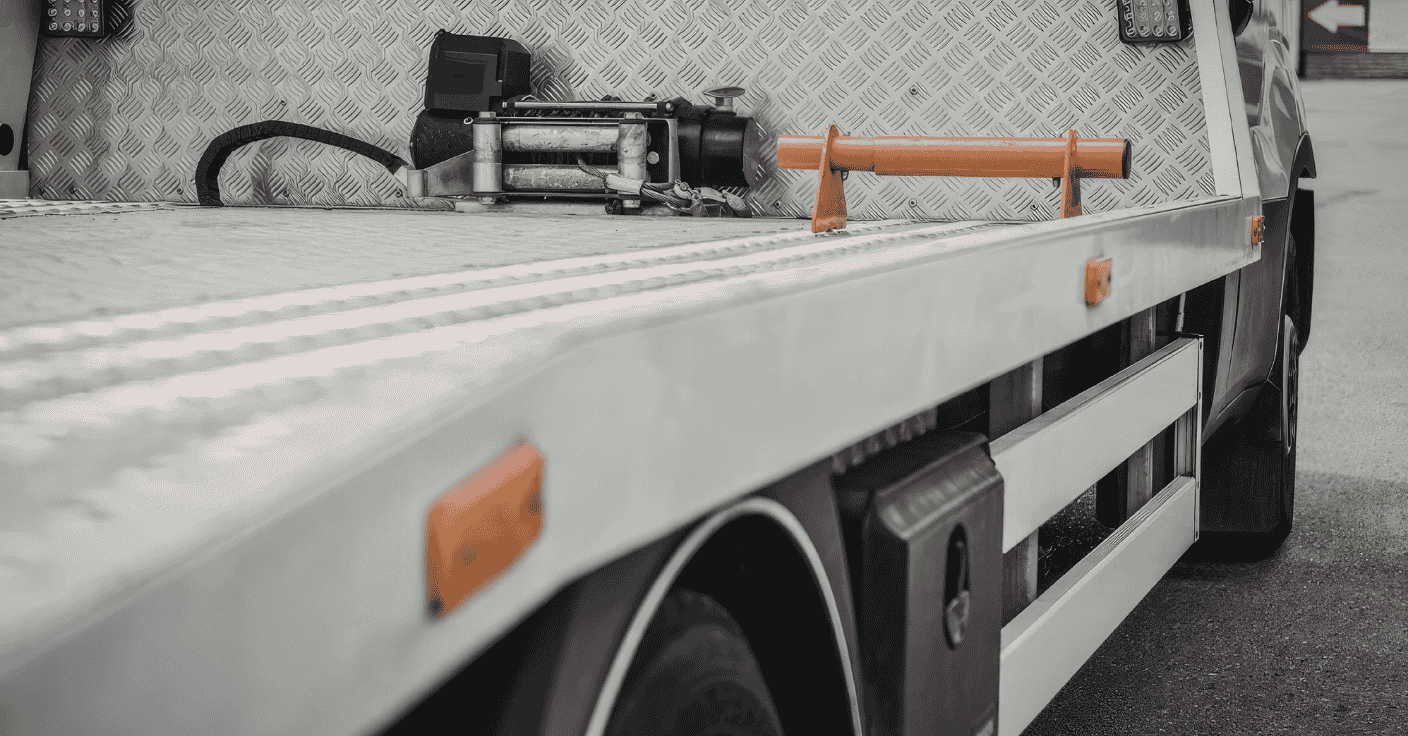
Flatbed tow trucks load your entire vehicle onto a flat platform. This keeps all four wheels off the ground during transport.
Wheel-lift tow trucks lift either the front or rear wheels while leaving the other pair on the road. They're the most common type you'll see.
Integrated tow trucks combine a heavy-duty truck chassis with built-in towing equipment. They handle large vehicles and commercial jobs.
Each type has specific advantages depending on your vehicle and situation. Let's break down when to use each one.
How Do Flatbed Tow Trucks Work?
Flatbed tow trucks use a large, flat metal bed that tilts down to ground level. Your vehicle drives or gets winched onto this platform.
Once loaded, the bed tilts back to horizontal. Your car sits completely on the truck bed during transport.
This method keeps all four wheels off the ground. It's the safest option for most vehicles, especially luxury cars and all-wheel drive systems.
The hydraulic system that controls the bed can handle vehicles weighing up to 12,000 pounds in most cases. Loading typically takes 10-15 minutes, depending on the vehicle's condition and whether it can be driven onto the bed or needs winching.
Best Vehicles for Flatbed Towing
- All-wheel drive and 4WD vehicles
- Luxury cars with low ground clearance
- Motorcycles and exotic vehicles
- Cars with transmission problems
- Vehicles with flat tires on multiple wheels
- Classic or antique automobiles
- Electric vehicles with sensitive battery systems
- Vehicles with custom body kits or modifications
- Cars with damaged suspension components
Cost range: Flatbed towing typically costs $100-200 for local jobs. Long-distance hauls can reach $3-7 per mile.
The extra cost comes from the specialized equipment and larger truck size. But it's worth it for vehicle protection.
When Should You Choose Wheel-Lift Towing?
Wheel-lift tow trucks use a metal yoke that slides under your vehicle's wheels. Hydraulic lifts raise either the front or rear wheels off the ground.
The lifted wheels stay secured to the truck. The remaining wheels roll on the road surface during transport.
This method works well for front-wheel or rear-wheel drive cars. It's faster to set up than flatbed loading.
The wheel-lift mechanism can typically handle vehicles up to 8,000 pounds. Setup time is usually 5-10 minutes, making it efficient for routine towing jobs. The hydraulic system applies consistent pressure to secure the wheels without damaging rims or tires.
Front-Wheel vs Rear-Wheel Lifting
Front-wheel lifting works best for rear-wheel drive vehicles. The drive wheels stay on the ground, preventing transmission damage.
Rear-wheel lifting suits front-wheel drive cars. The non-drive wheels get lifted while the front wheels roll freely.
Always tell your tow truck driver which wheels power your car. This prevents expensive drivetrain damage during transport.
Wheel-Lift Limitations
- Not suitable for all-wheel drive vehicles
- Can't tow cars with flat tires on the rolling wheels
- Limited ground clearance for low cars
- Potential transmission damage if used incorrectly
- May cause tire wear on rolling wheels during long distances
- Cannot handle vehicles with damaged axles
- Unsuitable for cars with electronic parking brakes engaged
Despite these limits, wheel-lift towing costs less than flatbed service. Expect to pay $75-150 for local tows.
What Makes Integrated Tow Trucks Different?
Integrated tow trucks combine the truck cab and towing equipment into one unit. The boom, winch, and controls are built into the chassis.
These trucks handle the heaviest jobs. They can lift and tow large trucks, buses, and commercial vehicles.
The integrated design provides more stability and lifting power than other tow truck types. They're essential for heavy-duty recovery work.
Most integrated tow trucks can handle loads from 15,000 to 75,000 pounds, depending on their classification. They feature powerful winches rated for 25,000 to 50,000 pounds of pulling force, making them capable of complex recovery operations.
Heavy-Duty Applications
- Semi-trucks and tractor-trailers
- Large pickup trucks and SUVs
- Commercial delivery vehicles
- Buses and RVs
- Construction equipment
- Multiple vehicle accidents
- Overturned vehicles requiring uprighting
- Vehicles stuck in difficult terrain
- Emergency response situations
Integrated tow trucks cost more to operate. Expect to pay $200-400 for heavy-duty towing services.
Most car owners won't need this type of tow truck. But they're crucial for commercial vehicle operators.
Which Tow Truck Type Is Safest for Your Vehicle?
Vehicle safety should be your top priority when choosing tow truck types. The wrong choice can cause thousands in damage.
Flatbed towing is always the safest option. Your vehicle sits securely on the truck bed with no wheels touching the road.
This eliminates transmission damage, tire wear, and suspension stress. It's especially important for all-wheel drive systems.
According to industry statistics, flatbed towing reduces vehicle damage claims by 85% compared to wheel-lift methods. Insurance companies often prefer flatbed towing for high-value vehicles because of this safety record.
Safety by Vehicle Type
All-wheel drive vehicles: Always use flatbed towing. Wheel-lift towing can destroy the transfer case and differentials.
Front-wheel drive cars: Either flatbed or rear-wheel lift works safely. Choose based on cost and availability.
Rear-wheel drive vehicles: Flatbed or front-wheel lift prevents transmission damage. Never lift the rear wheels.
Luxury and sports cars: Flatbed towing protects expensive suspension components and low-profile bumpers.
When in doubt, request flatbed service. The extra cost beats expensive repair bills.
How Much Do Different Tow Truck Types Cost?
Towing costs vary by truck type, distance, and location. Here's what you can expect to pay in 2026.
| Tow Truck TypeBase CostPer MileBest For | |||
| Wheel-Lift | $75-150 | $2-4 | Standard cars |
| Flatbed | $100-200 | $3-7 | All vehicles |
| Integrated | $200-400 | $5-10 | Heavy-duty |
These prices reflect average costs from major providers. Actual rates depend on your location and specific situation.
Additional fees can include winching ($50-100), after-hours service (+$25-50), and storage charges ($20-30 per day).
Some insurance companies cover towing costs. Check your policy before calling for service. How Much Does Towing Cost in 2025? Complete Pricing Guide has more details on pricing factors.
Urban areas typically charge 20-30% more than rural locations due to higher operating costs and demand. Holiday and weekend rates can increase by $50-75 for emergency services.
What Questions Should You Ask Your Tow Truck Company?
Asking the right questions ensures you get the correct tow truck type for your situation. Here's what to ask before they arrive.
- What type of tow truck are you sending? Make sure it matches your vehicle's needs.
- Do you have flatbed service available? This is crucial for AWD vehicles and luxury cars.
- What's the total cost including fees? Get a clear price breakdown upfront.
- How long until arrival? Plan accordingly, especially in bad weather.
- Are you licensed and insured? Protect yourself from liability issues.
- Do you accept my insurance for direct billing? This can save you upfront costs.
- What payment methods do you accept? Some companies only take cash for after-hours service.
- Will you provide a written receipt? Essential for insurance claims and tax purposes.
Don't be afraid to ask for a different truck type if the first one isn't suitable. Your vehicle's safety is worth the wait.
Warning: Never let an unqualified driver attempt the wrong towing method. This can cause major damage to your transmission or suspension.
How Do You Choose the Right Towing Service?
Finding reliable tow truck operators requires some research. Not all companies offer every type of tow truck.
Start by checking what types of tow trucks each company operates. Some specialize in light-duty wheel-lift service while others focus on heavy-duty integrated trucks.
Key Selection Factors
- Available truck types for your vehicle
- Response time in your area
- Transparent pricing with no hidden fees
- Proper licensing and insurance coverage
- Positive customer reviews and ratings
- 24/7 availability for emergencies
- Fleet size and equipment condition
- Experience with your vehicle type
- GPS tracking for accurate arrival times
- Professional driver training and certification
Many insurance companies have preferred towing networks. Check if your policy includes roadside assistance before paying out of pocket.
AAA, GEICO, Progressive, and State Farm all offer towing coverage. Prices from providers like these are current as of 2026. We're not affiliated with these companies.
For immediate help, find towing services near you through our verified provider network.
What Are Hook and Chain Tow Trucks?
Hook and chain tow trucks are an older type you might still encounter. They use chains and hooks to lift vehicles by the axle or bumper.
This method can damage your car's body, bumper, or suspension. Most professional towing companies have phased out hook and chain trucks.
Avoid hook and chain towing whenever possible. It's only acceptable for junk cars heading to the scrapyard.
If a towing company only offers hook and chain service, call someone else. The risk of damage is too high for any functioning vehicle.
Modern wheel-lift and flatbed trucks provide much safer alternatives for the same situations.
When Do You Need Specialized Towing Equipment?
Some situations require specialized towing equipment beyond standard truck types. Here are common scenarios that need extra tools.
Winch-Out Services
Cars stuck in ditches, mud, or snow need winching before towing. Most tow trucks carry winch equipment for these recoveries.
Winch-out services typically add $50-100 to your towing bill. The exact cost depends on how stuck your vehicle is.
Motorcycle Towing
Motorcycles need special loading ramps and tie-down equipment. Not all tow truck operators handle motorcycle transport.
Always specify that you need motorcycle towing when calling for service. Standard car towing methods don't work for bikes.
Low Clearance Situations
Sports cars and lowered vehicles may need special loading techniques. Some tow trucks carry wooden ramps or dollies for these situations.
Mention your vehicle's low ground clearance when requesting service. This helps the operator bring appropriate equipment.
Common Mistakes to Avoid When Choosing Tow Trucks
Many vehicle owners make costly mistakes when selecting towing services. These errors can result in vehicle damage or unnecessary expenses.
Don't choose based on price alone. The cheapest option often uses outdated equipment or inexperienced drivers. This can lead to damage that costs far more than the savings.
Never accept wheel-lift towing for AWD vehicles. Even short distances can destroy your transfer case, resulting in $3,000-8,000 in repairs.
Avoid companies that can't specify their truck type. Professional operators know their equipment and can explain which truck they're sending.
Don't sign blank work orders. Always get written estimates with specific services and costs listed before work begins.
Never allow hook and chain towing for functional vehicles. This outdated method will damage your car's body panels and suspension components.
Research shows that 60% of towing-related vehicle damage occurs when the wrong truck type is used. Taking time to verify the appropriate equipment prevents most of these issues.
How Can You Prepare for Future Towing Needs?
Smart preparation can save you time and money when you need towing services. Here's how to get ready before problems happen.
- Research local towing companies and save their contact information in your phone.
- Check your insurance coverage for roadside assistance benefits.
- Keep your vehicle registration and insurance cards accessible for the tow truck driver.
- Know your vehicle's drive type (front, rear, or all-wheel drive) to request proper towing.
- Consider AAA membership or similar roadside assistance programs.
- Take photos of your vehicle's current condition to document any pre-existing damage.
- Keep emergency cash or cards for towing services that don't accept insurance direct billing.
Having this information ready speeds up the towing process. It also helps ensure you get the right type of tow truck for your vehicle.
What to Do When Your Car Breaks Down: Complete Safety Guide covers additional preparation steps for roadside emergencies.
What Are Your Rights During Towing?
Understanding your rights protects you from overcharges and improper towing methods. Each state has different regulations for towing companies.
You have the right to:
- Request a specific type of tow truck for your vehicle
- See the driver's license and company credentials
- Get a written estimate before service begins
- Refuse service if the price seems unreasonable
- Retrieve personal items from your vehicle
- Inspect your vehicle before and after towing
- Receive an itemized invoice for all services
- File complaints with state regulatory agencies
Towing companies must use appropriate equipment for your vehicle type. You can refuse service if they bring the wrong truck.
Some states limit towing fees and require written estimates. Towing Laws by State: Your Rights & Protection Guide 2026 explains specific regulations in your area.
Warning: Never sign blank invoices or agree to undefined charges. Get all costs in writing before the tow begins.
Which Tow Truck Type Should You Choose?
The best tow truck type depends on your specific vehicle and situation. Here's a quick decision guide to help you choose.
Choose flatbed towing if:
- You drive an all-wheel or 4-wheel drive vehicle
- Your car has transmission problems
- You own a luxury or sports car
- Multiple tires are flat or damaged
- You want maximum protection during transport
- Your vehicle has custom modifications or low ground clearance
- The towing distance exceeds 50 miles
Choose wheel-lift towing if:
- You have a standard front or rear-wheel drive car
- Only one or two tires are flat (on non-rolling wheels)
- Cost is a major concern
- The tow truck needs to navigate tight spaces
- Your vehicle is under 6,000 pounds
Choose integrated towing if:
- You're driving a large truck, bus, or commercial vehicle
- Your vehicle weighs over 10,000 pounds
- You need heavy-duty recovery services
- Your vehicle is overturned or in a difficult position
When in doubt, flatbed towing is always the safest choice. The extra cost is worth protecting your vehicle from potential damage.
For professional towing services that use the right equipment for your vehicle, get a free towing quote from verified providers in your area.
Remember that choosing a reliable tow truck company is just as important as selecting the right truck type. Quality operators will recommend the best towing method for your specific situation.
Frequently Asked Questions
Need Emergency Towing Services?
Don't wait when you're stranded. Get professional help now.
Find Trusted Towing Services

Discussion (0)
Be the first to comment!
Share your experience or ask questions about towing services.