
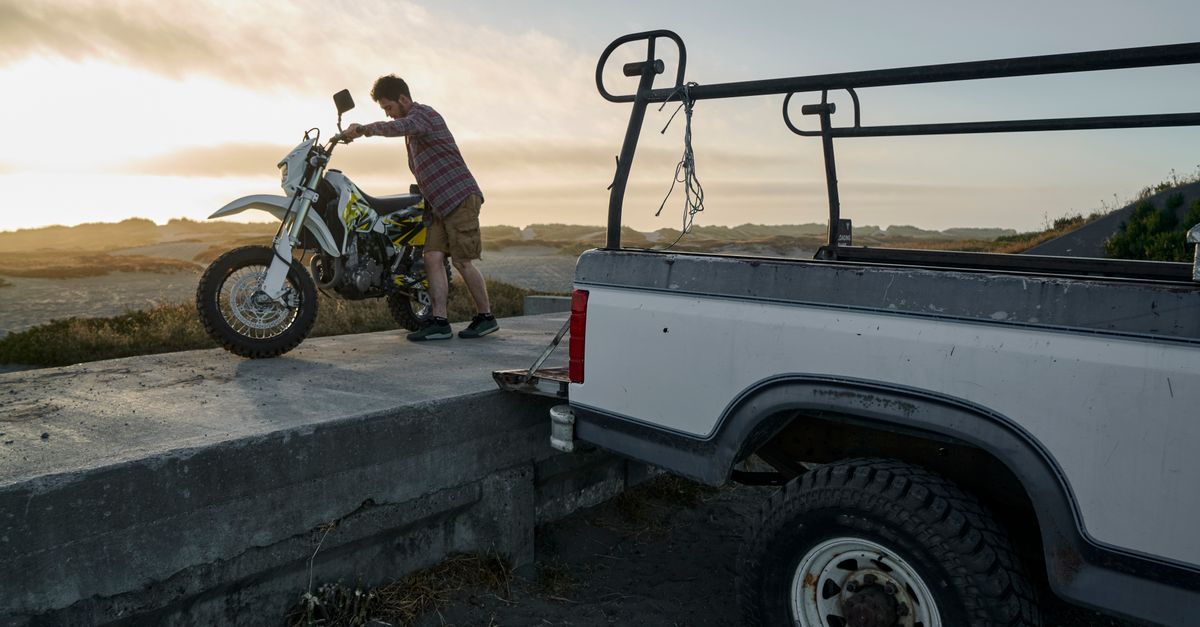
What Are the Main Motorcycle Towing Methods?
Motorcycle towing isn't like towing a car. Your bike needs special care and equipment. Professional tow operators understand this.
There are three primary methods used today: flatbed towing, wheel lift systems, and motorcycle trailers. Each has its own advantages and best-use situations.
The right choice depends on your bike's condition, distance traveled, and local towing regulations. Let's break down each approach so you understand what's happening.
How Does Flatbed Towing Protect Your Motorcycle?
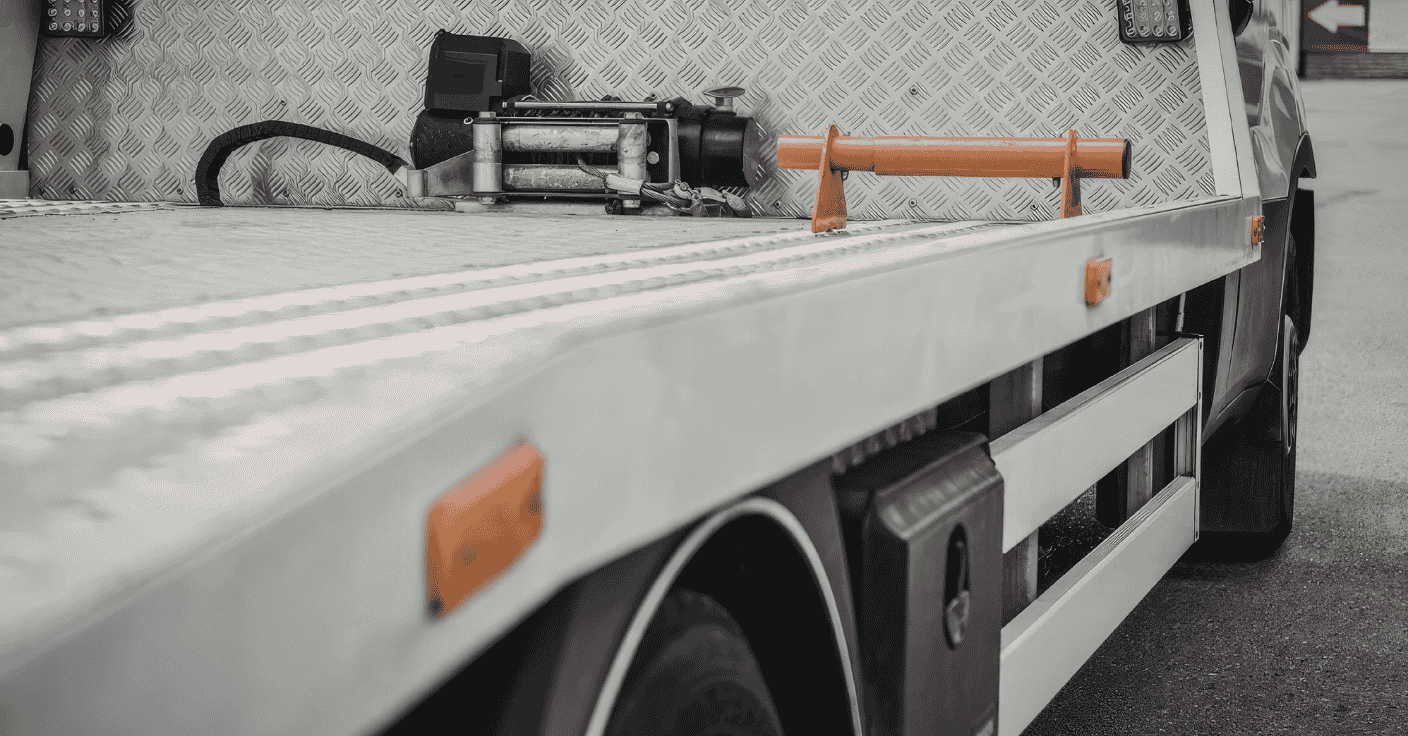
Flatbed towing is the gold standard for motorcycle transport. The entire bike sits on a flat, level surface. Nothing hangs over the edge.
Here's why this works so well: your motorcycle never rolls or shifts during transport. The tires don't touch the road. This removes almost all risk of tire damage or mechanical stress.
Professional flatbed operators use soft tie-down straps instead of chains. These fabric straps wrap around your frame without scratching paint or chrome. The straps distribute pressure evenly across the motorcycle.
Flatbed trucks also provide weather protection. Your bike stays dry during rain or snow. Road salt and debris can't hit your bike while it's elevated on a flatbed.
This method costs a bit more than alternatives. But many riders consider it worth the investment for peace of mind.
What Are Wheel Lift Systems and How Do They Work?
Wheel lifts are mechanical devices that grab one wheel and raise it off the ground. The other wheel stays on the pavement. This method tows your motorcycle with minimal contact.
For bikes, operators usually lift the rear wheel. The front wheel stays down and steers naturally during towing. This reduces stress on the front forks and suspension.
Important note: not all motorcycles work well with wheel lifts. Heavy cruisers or bikes with low-hanging components can get damaged. Always check with your tow operator first.
Wheel lifts work best for short-distance tows within a city. They're faster to set up than flatbeds. But they cost less because they require less equipment and space.
The downside? Your bike still experiences some movement and vibration. For long highway trips, this method isn't ideal.
Why Are Motorcycle-Specific Trailers the Best Option?
Dedicated motorcycle trailers are built just for bikes. They have wheel chocks, tie-down points, and secure anchorage systems designed specifically for motorcycles.
These trailers keep your bike completely off the ground. The bike sits in a stable, centered position. Wheel chocks prevent any side-to-side movement.
You get complete weather protection and security. Your motorcycle won't shift, bounce, or vibrate during transport. This is especially important for long-distance moves.
Many professional towing companies now offer motorcycle trailers. Some towing services near you specialize in bike transport exclusively.
The trade-off? Trailers cost more to rent or use. They're not available everywhere. But for valuable or vintage bikes, they're worth every penny.
How Should Your Motorcycle Be Secured for Towing?
Securing your bike correctly prevents damage better than anything else. Here's the proper method professionals use:
- Use soft tie-down straps rated for your bike's weight (usually 1,000+ pounds capacity)
- Attach straps to the frame, not handlebars or fenders
- Position straps at four points when possible (front and rear, both sides)
- Keep straps snug but not over-tight—you shouldn't see the frame bend
- Verify straps don't rub against painted surfaces
- Check that straps clear brake lines, cables, and hoses
- Leave the kickstand down or use a center stand for extra stability
- Never use chains or metal hooks directly on your bike
Bad tie-downs cause scratches, dents, and paint damage. They can also crack plastic fairings or bend handlebars. Professional operators know to avoid these mistakes.
If you're hiring a tow company, watch them secure your bike. Ask questions if something doesn't look right. Your motorcycle is valuable.
What Equipment Do Professional Operators Use?
Real towing professionals have specialized gear for motorcycles. Here's what you should see:
- Soft tie-down straps with padding or neoprene covers
- Motorcycle wheel chocks for flatbeds
- Ratchet straps with soft anchor points
- Blankets or padding to protect painted surfaces
- Adjustable loading ramps with non-slip surfaces
- Center stand or kickstand support blocks
- Frame protectors or corner guards
Some companies skip this equipment to save money. This is a red flag. Quality towing companies invest in proper gear because they know damage claims cost more than equipment.
When you call a tow company, ask specifically about their motorcycle equipment. A good operator will explain their process without hesitation.
How Far Can a Motorcycle Be Safely Towed?
Distance matters when choosing a towing method. Short trips and long trips need different approaches.
Short distance (under 25 miles): Wheel lifts work fine. Vibration over short distances won't harm your bike. This is the most affordable option.
Medium distance (25-150 miles): Flatbed towing is better. Your bike stays completely stable. This prevents suspension stress and vibration damage.
Long distance (150+ miles): Use a motorcycle trailer if possible. Flatbeds are acceptable too. Wheel lifts aren't recommended because vibration accumulates over time.
Highway speeds also matter. Bikes towed at interstate speeds (65+ mph) experience more vibration than slower city towing. This makes flatbeds or trailers the safer choice.
For cross-country moves, check our long-distance towing guide for state-specific regulations.
What Damage Can Happen If Towing Is Done Wrong?
Warning: improper motorcycle towing causes real, expensive damage. Here's what goes wrong:
- Paint scratches and chips: metal tie-downs or rough handling damage your finish
- Cracked fairings: plastic bodywork breaks under improper pressure
- Bent handlebars: bikes towed by the bars suffer frame and steering damage
- Fork damage: side-to-side movement stresses front suspension components
- Leaking fluids: improper angles cause oil or coolant to drain
- Transmission damage: wheel lifts can cause internal gearbox stress
- Electrical problems: vibration can loosen connections and damage sensors
Repairs for this damage run $500 to $5,000+ depending on severity. Prevention is always cheaper than fixing mistakes.
This is why hiring professionals matters. They know how to avoid these issues. They have towing insurance coverage if something does go wrong.
How Do You Prepare Your Motorcycle for Towing?
You can help prevent damage by preparing your bike before the tow truck arrives. Here's what to do:
- Remove or secure loose items (mirrors, bags, antennas)
- Deflate tires slightly if you're using wheel lifts (reduces suspension stress)
- Close and lock the fuel petcock to prevent leaking
- Secure the throttle so it doesn't open during transport
- Disconnect the battery if the tow will take several hours
- Take photos of your bike from all angles before towing starts
- Note any existing damage on a damage report
- Provide the operator with your bike's manual if available
- Tell them about any custom parts or modifications
- Ask about their damage claim process in writing
Documentation matters. Photos prove your bike's condition before towing. If damage occurs, you have proof for insurance claims.
Most professional tow companies will document your bike's condition too. They understand the liability.
What Should You Ask a Towing Company Before Hiring?
Not all tow companies handle motorcycles well. Here are the questions you must ask:
- "Do you have experience towing motorcycles specifically?"
- "What method will you use—flatbed, wheel lift, or trailer?"
- "Can I watch the securing process?"
- "What's your damage liability coverage?"
- "Do you offer motorcycle-specific tie-down equipment?"
- "How long does the tow take?"
- "What's your pricing for motorcycle towing?" (Check our towing cost guide for realistic rates)
- "Do you have references from other motorcycle owners?"
- "What happens if my bike gets damaged during towing?"
- "Are you licensed and insured?"
Experienced operators will answer confidently. They've been asked these questions before. If someone gets defensive or vague, find another company.
Get everything in writing. A written quote protects both you and the tow company. It prevents surprise charges later.
How Much Does Motorcycle Towing Cost?
Motorcycle towing costs vary by location and method. Here's what you typically pay in 2026:
- Wheel lift towing: $75-$150 for the first 10 miles, $3-$5 per additional mile
- Flatbed towing: $100-$200 for the first 10 miles, $4-$6 per additional mile
- Motorcycle trailer rental: $150-$300 per day plus mileage
- Long-distance transport: $1,000-$3,000+ depending on distance
These prices vary significantly by region. Urban areas cost more. Rural locations might cost less. Weather and time of day affect pricing too.
Check maximum towing rates by state to understand local regulations. Some states cap what tow companies can charge.
Roadside assistance programs like AAA often cover motorcycle towing. Check your membership benefits before paying full price.
Do You Need Special Motorcycle Towing Insurance?
Standard towing insurance might not cover motorcycles. Here's what you need to know:
Most motorcycle insurance policies include roadside assistance. This covers towing to a repair shop. Coverage limits are usually $50-$100.
AAA memberships include towing coverage for members. Progressive, State Farm, and GEICO offer roadside assistance add-ons. Prices from these providers are current as of 2026. We're not affiliated with these companies.
If you're hiring a tow company directly, verify their liability insurance covers motorcycle damage. Ask to see their certificate of insurance.
Some riders purchase extra coverage for expensive bikes. This protects against damage during transport. It's worth considering if your motorcycle is valuable.
Learn more about what's covered in our towing insurance coverage guide.
What Are the Common Mistakes Operators Make?
Even experienced tow operators sometimes make mistakes with motorcycles. Here are the most common ones:
- Tying down by handlebars: this bends the steering and frame
- Using metal chains: chains scratch paint and chrome instantly
- Over-tightening straps: this warps the frame and cracks plastic
- Lifting by the engine: this stresses the mounting points and causes leaks
- Towing at unsafe angles: this causes oil to drain from the engine
- Ignoring kickstand position: bikes can fall over without proper support
- Rough handling: dropping the bike or jerking it onto the truck bed
- Skipping documentation: no photos means no proof if damage occurs
The best operators avoid all these mistakes. They treat motorcycles like the precision machines they are.
If your operator does any of these things, stop them immediately. You have the right to refuse unsafe towing practices.
How Do You Find a Motorcycle-Specialized Tow Company?
Not every tow company handles motorcycles well. Here's how to find one that does:
Step 1: Search online for "motorcycle towing near me." Look for companies with motorcycle-specific listings.
Step 2: Check reviews specifically mentioning motorcycle towing. Read what other riders say about damage and professionalism.
Step 3: Call and ask about their experience. Ask how many motorcycles they tow monthly.
Step 4: Ask about their equipment and securing methods. A good operator explains their process in detail.
Step 5: Request references from previous motorcycle customers. Real companies have customers willing to vouch for them.
Step 6: Compare quotes from at least three companies. Don't just pick the cheapest option.
Step 7: Verify licensing and insurance before hiring.
You can also find towing services near you through USA Tow Finder. We list licensed, insured operators in your area.
Frequently Asked Questions About Motorcycle Towing
Can you tow a motorcycle on its side? No. Never tow a motorcycle on its side. This causes oil leaks, suspension damage, and fluid loss. Always keep it upright.
Is it safe to ride a motorcycle being towed? No. Never ride inside a truck or trailer while being towed. Sit in the tow vehicle's cab instead.
How do you tow a motorcycle with a manual transmission? Put it in neutral and check that the clutch fully disengages. Wheel lifts work fine. Avoid dragging it in gear.
Can you tow a motorcycle behind a car? Only with a proper motorcycle trailer. Never use a standard car tow bar. Your bike needs specific equipment.
What if your motorcycle leans during towing? Stop immediately and notify the operator. The bike must be perfectly upright. Lean causes oil to settle incorrectly and damages the engine.
Should you disconnect the battery before towing? For long tows (over 4 hours), yes. Disconnect it to prevent electrical drain and sensor issues from vibration.
How do you prevent your bike from falling off the truck? Professional operators use four-point tie-downs and wheel chocks. Watch them secure everything. Ask questions if something looks loose.
What's the difference between a wheel lift and a flatbed for bikes? Flatbeds keep your entire bike elevated and stable. Wheel lifts only lift one wheel. Flatbeds are safer for long distances.
Key Takeaways for Safe Motorcycle Towing
Motorcycle towing requires specialized knowledge and equipment. The right method protects your bike from scratches and mechanical damage.
Flatbed towing and motorcycle trailers offer the best protection. Wheel lifts work for short distances. Always use soft tie-down straps, not chains.
Choose operators with motorcycle experience. Ask about their equipment and process. Get everything in writing.
Document your bike's condition before towing. Take photos from all angles. This protects you if damage occurs.
When you're ready to hire a professional, find trusted towing providers on USA Tow Finder. We connect you with licensed, insured operators who know how to handle motorcycles right.
Frequently Asked Questions
Need Emergency Towing Services?
Don't wait when you're stranded. Get professional help now.
Find Motorcycle Towing Services
Discussion (0)
Be the first to comment!
Share your experience or ask questions about towing services.