
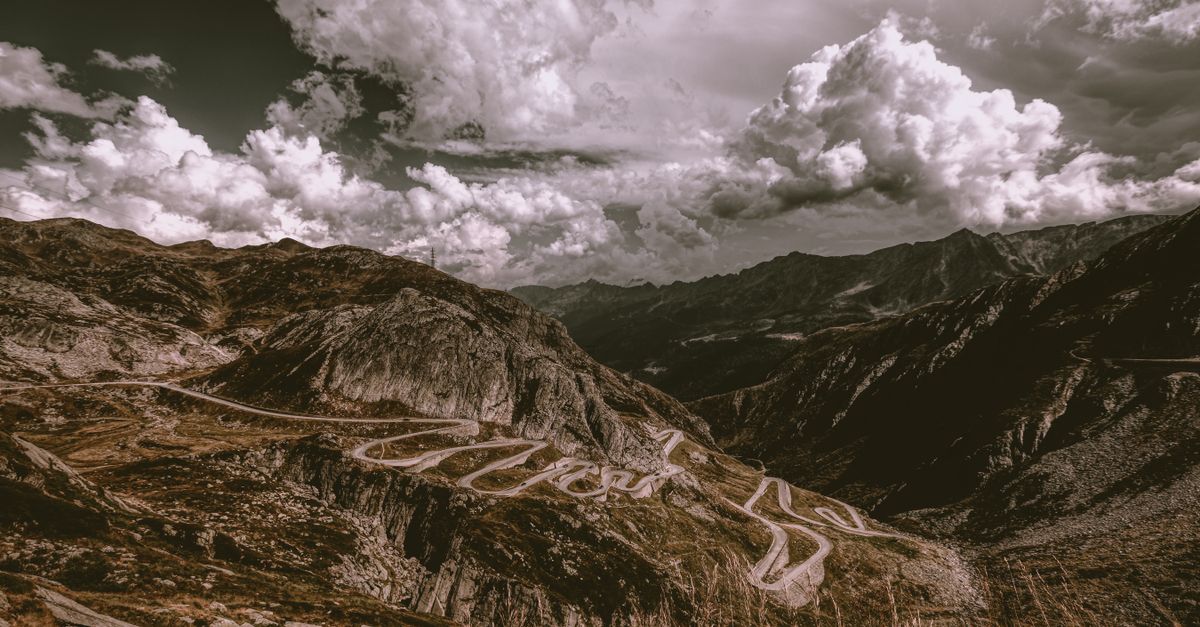
Towing a vehicle through mountain passes isn't like towing on flat highways. Altitude thins the air, steep grades test your equipment's limits, and weather can change in minutes. One mistake here costs more than just money—it risks lives.
This guide walks you through everything you need to know about mountain pass towing. You'll learn which equipment works, how altitude affects your vehicle, and when to call in professionals. By the end, you'll feel confident handling high-altitude towing or knowing exactly who to call.
Why Is Mountain Pass Towing So Different?
Mountain terrain creates challenges flat roads don't have. Altitude reduces oxygen in the air, which weakens engine power. Your vehicle loses about 3% of its horsepower for every 1,000 feet above sea level. At 10,000 feet, that's a 30% power loss.
Steep grades also demand constant braking. Brakes heat up quickly and can fail if overused. Thin air cools brakes slower, making fade worse. Plus, weather shifts fast in mountains—sunny one moment, snow the next.
These factors mean standard towing methods fail. You need specialized knowledge, the right equipment, and experienced operators. That's why mountain pass towing costs more and takes longer.
How Does Altitude Affect Towing Performance?
Think of altitude as an invisible weight on your engine. As elevation climbs, air gets thinner. Your engine sucks in less oxygen with each breath, so combustion weakens. This hits hardest when towing.
At sea level, a truck's engine produces full rated horsepower. At 5,000 feet, you lose about 15% of that power. At 10,000 feet, you're down 30%. Some mountain passes exceed 12,000 feet, cutting power by more than one-third.
Lower power means slower acceleration and harder climbing. Your transmission works harder, heating fluid faster. Engine temperatures rise. Fuel economy drops dramatically—expect 20-40% worse mileage in mountains.
Turbochargers help. They force air into the engine, compensating for altitude's thinness. If you're towing in mountains regularly, a turbocharged vehicle is worth the investment. Naturally aspirated engines struggle above 8,000 feet.
Your vehicle's cooling system also faces stress. Thin air cools radiators less effectively. Overheating becomes a real risk. Check your coolant level before any mountain pass tow, and bring extra water.
Understanding Grade and Brake Fade Issues
Grade is the steepness of a road, measured as a percentage. A 5% grade means the road climbs 5 feet for every 100 feet traveled. Mountain passes often hit 7-10% grades. Some reach 15%.
On steep grades, gravity pulls your rig backward constantly. Brakes fight this force the whole way down. Continuous braking heats brake pads and fluid to dangerous temperatures.
Brake fade happens when brake fluid boils or pads lose friction from heat. Your pedal feels spongy. Stopping power vanishes. This kills more mountain tows than any other factor.
The solution is engine braking. Shift to a lower gear and let the engine slow you down. This keeps your brakes cool. Experienced mountain drivers use brakes only for fine adjustments, relying on engine braking for main slowing.
Automatic transmissions have downshift modes for this. Manuals let you select lower gears directly. Some trucks have jake brakes (engine brakes) that work even better. If your tow vehicle lacks these features, mountains become dangerous.
Never ride the brakes downhill. Never coast in neutral to save fuel. Both cause brake failure. Respect the grade, respect your brakes, and respect the mountain.
What Tow Truck Equipment Works Best for Mountain Passes?
Not all tow trucks handle mountains equally. The best choice depends on the grade, altitude, and vehicle being towed.
Flatbed Tow Trucks
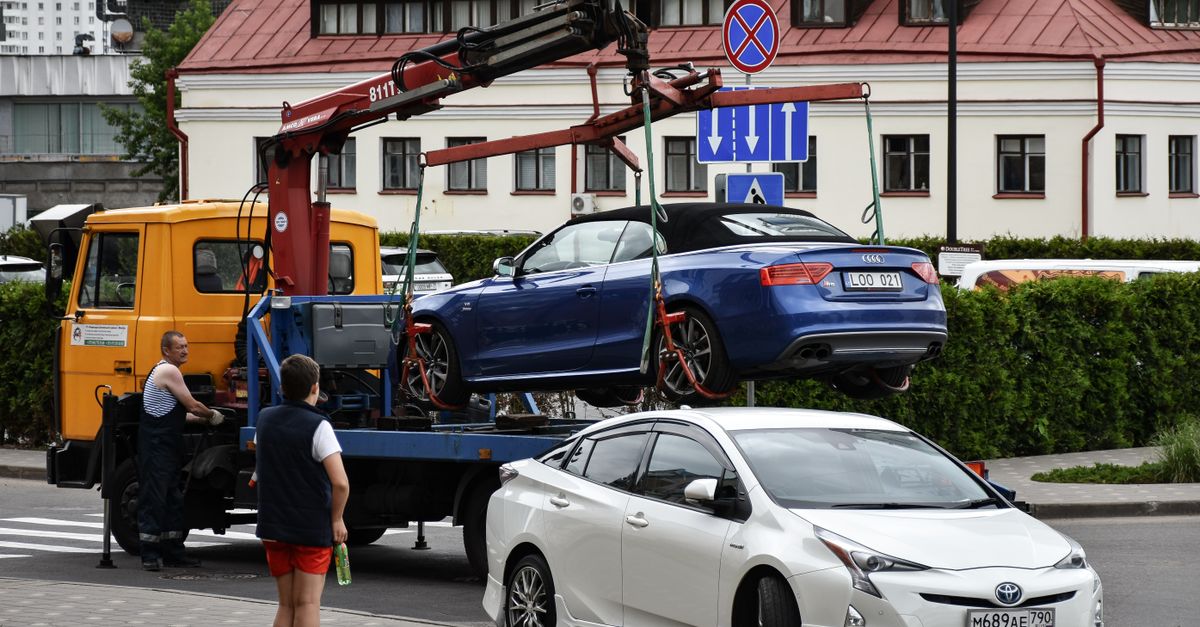
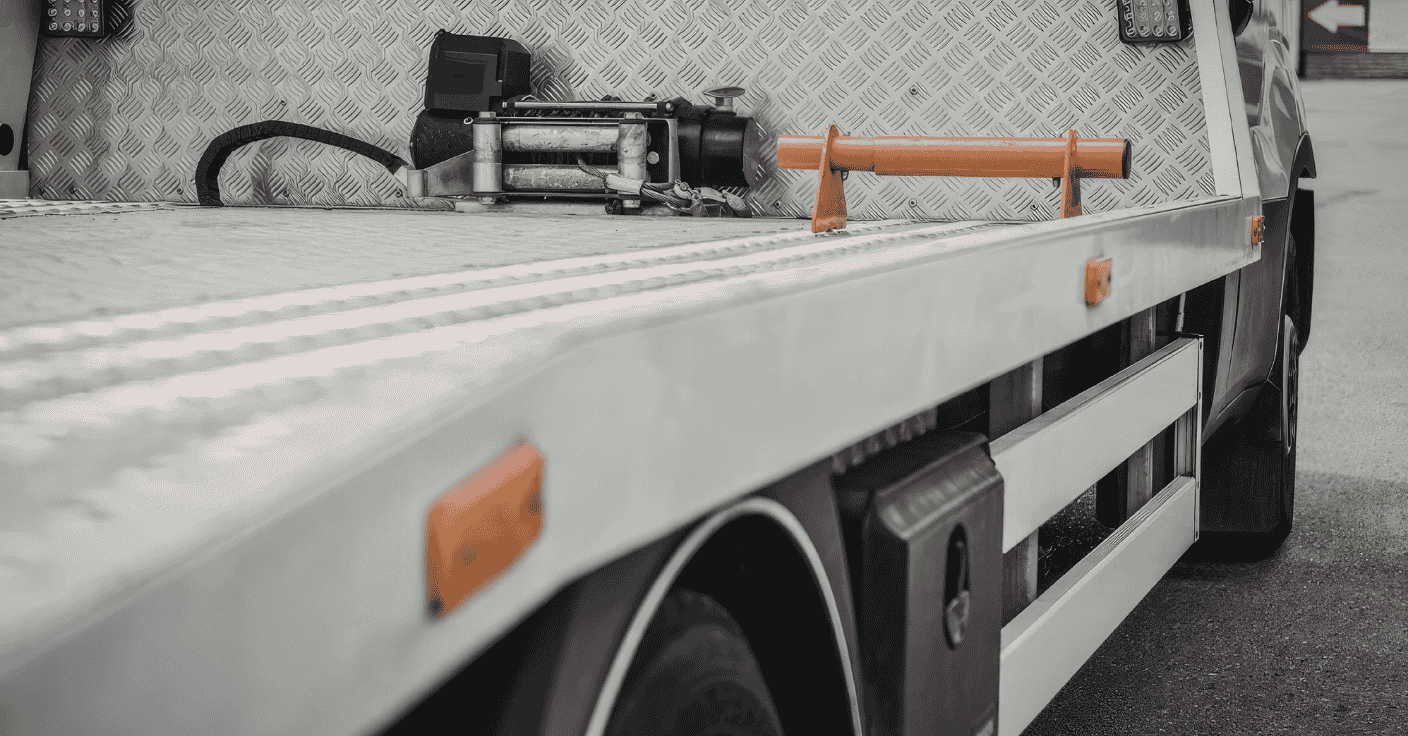
Flatbed tow trucks are the gold standard for mountains. They distribute weight evenly and keep the towed vehicle's wheels off the ground. This reduces rolling resistance and improves stability on curves.
Flatbeds excel on steep grades because the towed vehicle can't roll backward or shift side-to-side. They handle altitude better too—less drag means less engine strain. If you're towing over 10,000 feet, flatbed is your best bet.
The downside? Flatbeds are slower and more expensive. They also need more space to maneuver tight mountain switchbacks. But safety matters more than speed in mountains.
Integrated Tow Trucks
These rigs have the boom built into the truck frame. They're faster than flatbeds and handle tight spaces better. They work well for moderate grades and altitudes under 8,000 feet.
Integrated trucks struggle on steep downgrades because the towed vehicle's wheels spin. Wheel drag creates heat and instability. Use them only when grades stay below 8% and altitude below 8,000 feet.
Wrecker and Wheel-Lift Trucks
These lift one or both front wheels. They're compact and fast on flat ground. Mountains? Avoid them. The towed vehicle's rear wheels roll freely, causing dangerous instability on curves and downgrades. Save these for city streets.
Preparing Your Vehicle for Mountain Pass Towing
Before you head uphill, your vehicle needs checks. Bad preparation turns a long tow into a disaster.
Pre-Tow Inspection Checklist
- Check coolant level and condition. Top off with mountain-rated coolant. Bring extra. Bring water too.
- Inspect brake pads and fluid. You need at least 50% pad thickness remaining. Brake fluid should look clean and clear, not brown.
- Test all lights and connections. Mountain darkness hides mistakes. Faulty lights cause accidents.
- Verify tire condition and pressure. Underinflated tires overheat fast. Check pressure when tires are cold.
- Check transmission fluid. Low fluid overheats quicker. Top it off if needed.
- Inspect hoses, belts, and clamps. A burst hose at 9,000 feet means trouble. Replace anything questionable.
- Ensure all tow points are secure. Loose equipment fails when you need it most.
- Fill your fuel tank completely. Mountain roads have fewer gas stations. Running out is dangerous.
This checklist takes 30 minutes. It prevents hours of trouble. Don't skip it.
Choosing the Right Tow Operator for Mountain Terrain
Mountain pass towing demands skill you can't improvise. The difference between an average operator and an expert means the difference between success and disaster.
When hiring, ask these questions:
- How many years have you towed in these specific mountains?
- What's your highest altitude experience?
- Do you have experience with the exact grade we're tackling?
- What equipment do you use for steep downgrades?
- Can you provide references from other mountain tows?
Real mountain operators have answers. They know the passes by name. They've learned which techniques work and which fail. They carry specialized equipment—engine brakes, additional cooling, downhill control systems.
Look for operators certified by AAA or similar organizations. Check reviews specifically mentioning mountain experience. Cheap isn't smart here. A professional costs more but gets you there safely.
On USA Tow Finder, you can find towing services near you and filter for mountain-experienced operators. Read their reviews carefully. Mountain towing isn't a time to experiment.
Weather Considerations in Mountain Passes
Weather in mountains is unpredictable and dangerous. What's sunny at the base turns to snow at the summit. Wind speeds triple. Visibility drops to feet.
Check forecasts before any mountain tow. Don't just check the destination—check the pass itself. Mountain weather stations show real conditions. Apps like Mountain-Forecast give hourly updates for specific peaks.
Never tow in active storms. Rain becomes hail at altitude. Snow accumulates fast. Fog rolls in without warning. If conditions deteriorate, stop and wait. Waiting beats wrecking.
Winter towing in mountains requires chains. Many passes legally require them November through March. Even with good tires, chains prevent slide-offs. They slow you down, which is the point.
Wind is invisible but powerful. At 12,000 feet, gusts exceed 40 mph regularly. Tall vehicles and trailers get pushed sideways. Experienced operators know how to angle against wind and compensate for drift.
Time your tow for daylight and calm weather. Early morning usually offers the best conditions. Afternoon brings wind and heat. Evening brings darkness and cooling air that creates fog.
Speed and Timing: How Long Does Mountain Pass Towing Take?
Mountain towing moves slowly. A 50-mile mountain pass that takes 45 minutes to drive might take 2-3 hours to tow safely. Accept this. Speed kills.
Factors that affect timing:
- Altitude: Higher elevations = slower progress
- Grade steepness: 10%+ grades cut speed in half
- Road condition: Gravel or damaged pavement adds time
- Equipment type: Flatbeds move slower than integrated trucks
- Towed vehicle weight: Heavier loads mean slower ascents
- Weather: Snow, fog, or rain doubles duration
Budget extra time. Plan for fuel stops and rest breaks. Tired drivers make mistakes. Professional operators take breaks every 1-2 hours on long mountain tows.
Schedule mountain tows early in the day. You want daylight at the summit and downhill sections. Never plan to summit after 3 PM. Darkness plus mountains plus unfamiliar terrain equals danger.
Cost of Mountain Pass Towing: What Should You Expect?
Mountain pass towing costs significantly more than flat-ground towing. Here's why and what you'll pay.
Base rates for towing costs in 2025 start around $75-150 for basic service. Mountain passes add surcharges:
| Factor | Cost Impact |
|---|---|
| Altitude surcharge (per 1,000 feet above 5,000) | +$25-50 |
| Grade surcharge (per 1% above 5%) | +$10-20 |
| Flatbed premium vs integrated | +$100-200 |
| Night or weather surcharge | +$50-150 |
| Specialized equipment (engine brake, chains) | +$75-125 |
A 50-mile mountain pass tow at 10,000 feet elevation over 8% grades might cost $400-700. That's expensive, but it's insurance against disaster.
Check your insurance coverage. Some policies cover mountain towing. Others don't. Call your insurer before you need service. Knowing what's covered prevents bill shock.
Prices from providers like AAA, GEICO, Progressive, and State Farm are current as of 2026. We're not affiliated with these companies. Get quotes from multiple operators before committing.
Step-by-Step Process for a Safe Mountain Pass Tow
Here's how professionals handle it:
- Plan the route. Choose the safest pass. Avoid switchbacks and narrow sections if possible.
- Check weather and forecasts. Wait if conditions are poor. Safety beats schedule.
- Inspect both vehicles. Brakes, fluids, tires, lights—everything. No shortcuts.
- Fill fuel tanks completely. Both vehicles. Mountain gas stations are rare.
- Brief the operator on the vehicle. Any handling quirks? Recent damage? Mechanical issues? Tell them everything.
- Secure the load properly. Use rated chains or straps. Over-tightening damages the vehicle. Under-tightening risks slipping.
- Start early. Daylight and calm weather matter most.
- Climb slowly. Let the engine breathe. Don't rush ascents.
- Use engine braking on descents. Never ride the brakes. Shift to low gear.
- Stop for breaks every 1-2 hours. Check tire temperatures, coolant level, brake condition.
- Monitor gauges constantly. Temperature, pressure, RPM—stay alert.
- Adjust speed for conditions. Fog? Snow? Wind? Slow down more.
This process takes patience. That's the point. Mountain passes demand respect.
Common Mountain Towing Mistakes to Avoid
Experience teaches these lessons the hard way. Learn from others' mistakes:
Mistake 1: Using underrated equipment. Your truck's towing capacity on flat ground doesn't apply to mountains. Derate by 50% at altitude. A truck rated for 10,000 lbs towing can safely tow only 5,000 lbs over mountain passes.
Mistake 2: Ignoring brake temperature. Brakes can handle heat for a while. When they fade, there's no recovery. Check them constantly. If they smoke, stop immediately and let them cool.
Mistake 3: Coasting in neutral. This seems smart—save fuel, reduce engine strain. It's deadly. You lose engine braking and steering assist. Gravity owns you now.
Mistake 4: Overloading the tow vehicle. Mountain grades expose weak points. Your suspension, axles, and transmission all suffer. Respect the ratings.
Mistake 5: Fighting the mountain. Trying to maintain highway speeds wastes fuel, overheats the engine, and wears brakes. Accept that mountains are slow.
Mistake 6: Towing unfamiliar passes. Every mountain pass is different. Blind curves, sudden grade changes, tight switchbacks—surprises kill. Use experienced local operators.
When Should You Call Professional Mountain Towing Services?
Not every tow needs professionals. But mountain passes usually do. Call the pros when:
- Altitude exceeds 8,000 feet
- Grades exceed 7%
- Weather is questionable or poor
- You're unfamiliar with the pass
- Your vehicle lacks engine brakes or turbocharging
- You're towing a heavy load (over 5,000 lbs)
- The towed vehicle is disabled or damaged
- It's dark or near dark
Professional operators have specialized equipment, mountain experience, and insurance. They know which passes are dangerous and when to wait. That expertise is worth the cost.
Choosing a reliable tow truck company for mountains means looking beyond price. Check credentials, experience, and references. Ask about their mountain-specific training.
Frequently Asked Questions About Mountain Pass Towing
Q: Can I tow a trailer over a mountain pass?
A: Yes, but with caution. Trailers amplify mountain challenges. They're longer, heavier, and less stable on curves. Use a flatbed truck and experienced operator. Single-axle trailers are safer than tandem-axle on mountains.
Q: What's the maximum altitude for safe towing?
A: There's no hard limit. Towing is possible at 14,000+ feet. But engine power loss and weather risk increase dramatically above 12,000 feet. Most practical tows stay below 11,000 feet.
Q: Do I need special insurance for mountain towing?
A: Check your policy. Some insurers exclude mountain towing or charge extra. Call before you need service. Knowing coverage prevents surprises.
Q: How do I prepare my truck for mountain towing?
A: Beyond the checklist above, consider a transmission cooler, engine oil cooler, and auxiliary water pump. These upgrades help at altitude. Also, a full synthetic oil handles heat better than conventional.
Q: What's the best time of year for mountain towing?
A: Late spring through early fall (May-September) offers the best conditions. Winter passes close or require chains. Avoid monsoon season (July-August in the Southwest) when afternoon storms strike fast.
Q: Can an AWD vehicle handle mountain towing better?
A: AWD towing improves traction on climbs but doesn't solve altitude or brake issues. AWD helps with grip, not with power loss or cooling. It's one advantage, not a solution.
Q: What happens if my brakes fail on a mountain?
A: Downshift immediately to low gear. This uses engine braking to slow you. If that's not enough, look for an uphill escape route or runaway truck ramp. Never jump out while moving. Stay in control.
Q: Should I use chains even in light snow?
A: Yes, if passes require them. Legal requirements exist for safety. Chains provide grip that tires alone can't match. The small inconvenience beats getting stuck or sliding.
Q: How much does altitude affect fuel economy during towing?
A: Expect 30-50% worse fuel economy at 10,000+ feet. An engine that gets 8 mpg towing at sea level might manage 4-5 mpg in mountains. Plan fuel stops accordingly.
Q: Can electric vehicles be towed over mountain passes?
A: Yes, but with special care. Electric vehicle towing requires flatbed trucks and careful handling to protect battery systems. Altitude affects range recovery. Use experienced operators familiar with EVs.
Key Takeaways for Mountain Pass Towing Success
Mountain pass towing isn't casual. It demands respect, preparation, and often professional help. Here's what matters most:
Altitude reduces engine power by 3% per 1,000 feet. Plan for this reality. Your truck can't do at 10,000 feet what it does at sea level.
Brake fade is the biggest danger. Use engine braking. Never ride the brakes. Check them constantly. Overheated brakes fail without warning.
Equipment matters. Flatbeds are safest. Integrated trucks work for moderate grades. Wheel-lift trucks don't belong in mountains.
Experience saves lives. Hire operators with mountain pass experience. Their knowledge prevents disasters you'd never anticipate.
Weather changes fast. Check forecasts for the pass itself. Wait if conditions deteriorate. No schedule is worth a crash.
Speed kills. Slow tows succeed. Fast tows fail. Accept that mountains are slow.
Mountain pass towing is possible and safe when done right. Preparation, proper equipment, experienced operators, and respect for the terrain make all the difference. Don't guess. Don't cut corners. Get it right.
When you need mountain towing, find towing services near you on USA Tow Finder. Filter for operators with mountain experience and read reviews carefully. Your safety depends on choosing the right team.
Frequently Asked Questions
Need Emergency Towing Services?
Don't wait when you're stranded. Get professional help now.
Find Mountain Towing Services
Discussion (0)
Be the first to comment!
Share your experience or ask questions about towing services.