
Understanding Tow Dolly vs Car Trailer: Key Differences
Here's the thing: tow dollies and car trailers do the same job differently. A tow dolly is a two-wheeled device that lifts your car's front end off the ground. Your car's rear wheels stay on the pavement. A car trailer is a full platform that lifts all four wheels completely off the road.
Think of it this way. A tow dolly is like carrying a person piggyback. A car trailer is like putting them in a wheelbarrow. Both work, but they handle differently on the road.
The choice between these two methods matters more than you might think. Wrong equipment can damage your vehicle or create safety hazards.
How Does a Tow Dolly Actually Work?
A tow dolly sits behind your towing vehicle. Your car's front wheels roll up onto the dolly's platform. Straps secure your vehicle in place. Your rear wheels drag behind on the road.
The dolly connects to your tow vehicle using a standard trailer hitch. You control it through your car's steering wheel. This makes tow dollies easier to maneuver in tight spaces.
Most tow dollies weigh between 1,200 and 1,500 pounds. They fit behind most standard pickup trucks and SUVs. If you're renting one, check local tow dolly rental availability before planning your move.
What Makes Car Trailers Different?
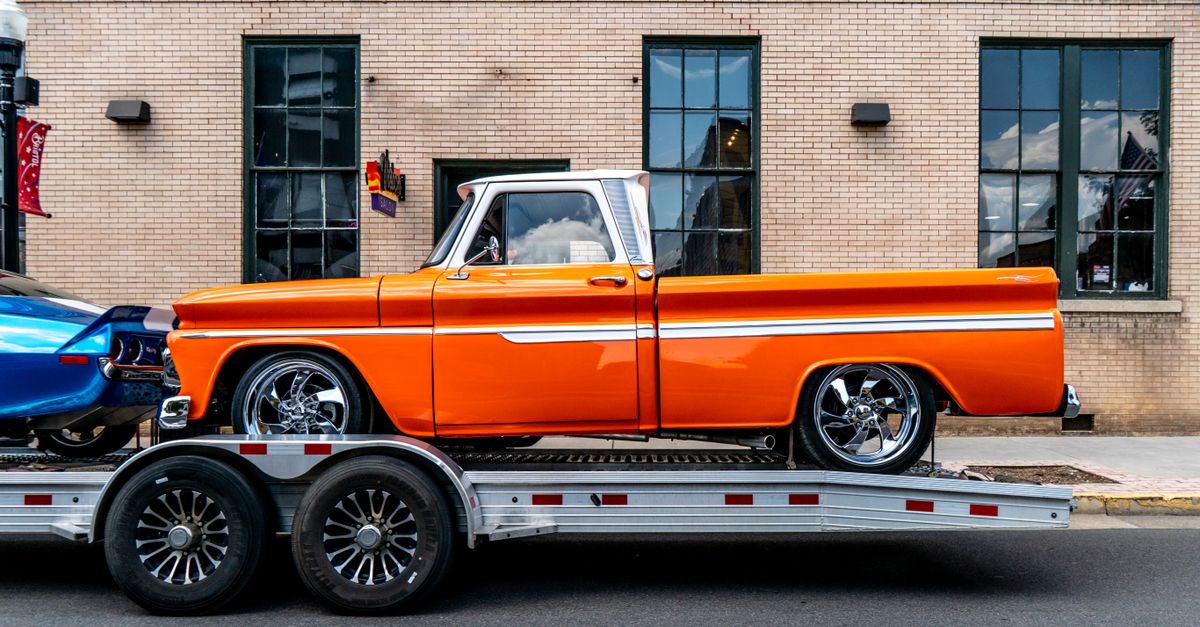
A car trailer is basically a platform on wheels. Your entire vehicle sits on this platform. All four wheels stay off the ground during transport.
Car trailers come in two styles: open trailers and enclosed trailers. Open trailers cost less but expose your car to weather and road debris. Enclosed trailers protect your vehicle completely but run higher prices.
These trailers typically weigh 2,000 to 3,500 pounds depending on size and construction. They require more towing power than tow dollies. Your tow vehicle needs a heavier-duty hitch setup.
Cost Comparison: Budget-Friendly Options
Let's talk money. Rental costs vary by location and season, but here's what you'll typically pay:
- Tow dolly rentals: $50–$100 per day. Longer rentals drop to $25–$40 per day.
- Open car trailers: $75–$125 per day. Weekly rates hit $200–$350.
- Enclosed car trailers: $100–$150 per day. Weekly rates jump to $400–$650.
For a weekend move across town? Tow dolly wins on price. For a cross-country journey with an expensive car? An enclosed trailer protects your investment.
Don't forget mileage fees. Some rental companies charge extra per mile. Always ask about insurance coverage too. Understanding towing insurance coverage protects you from unexpected costs.
Safety Considerations: Speed and Stability Matter
Here's a critical point: tow dollies have speed limits. Most manufacturers recommend staying under 55 miles per hour. Highways often run 65–75 mph. This creates a safety issue on busy interstates.
Car trailers handle highway speeds safely. You can cruise at normal freeway speeds without risk. Your vehicle sits stable on the platform.
Tow dollies can become unstable at high speeds. Wind gusts, sudden stops, and lane changes feel more dramatic. Your car's rear end hangs off the pavement, which increases sway risk.
Another safety factor: braking distance. Tow dollies add braking complexity. Your towed vehicle's brakes might not activate with your tow vehicle's brakes. Car trailers with electric brakes work more smoothly.
Vehicle Compatibility: Not All Cars Work with Dollies
Some vehicles shouldn't go on tow dollies. Here's why.
Front-wheel-drive cars work fine with dollies. Your engine pulls the weight forward naturally. But all-wheel-drive vehicles can suffer damage. Lifting the front wheels while the rear wheels spin causes transmission stress.
Low-clearance sports cars don't fit dollies well. Their front bumpers hang too close to the ground. You risk expensive damage.
Heavy vehicles like SUVs strain tow dolly systems. The weight distribution becomes unbalanced. Car trailers handle these vehicles better.
Luxury and classic cars? Trailers are safer. Why risk scratches or damage to a valuable vehicle? Enclosed trailers cost more but protect irreplaceable cars.
Legal Requirements: Know Your State's Rules
Towing laws vary dramatically by state. This is crucial.
Some states allow tow dollies on highways. Others restrict them to local roads only. Texas, California, and Florida have different regulations.
Most states require:
- Proper lighting on towed vehicles
- Safety chains connecting your vehicles
- A valid driver's license for the tow vehicle
- Adequate insurance coverage
Before you tow anything, check your state's specific rules. Review towing laws by state to stay compliant. Violating these rules brings fines and safety risks.
Some states require special endorsements on your driver's license if you're towing above certain weight thresholds. This applies to both dollies and trailers.
Long-Distance Towing: Which Method Works Best?
Planning a cross-country move? The answer is clear: use a car trailer.
Tow dollies weren't designed for 1,000+ mile journeys. Your vehicle's rear tires wear unevenly. Brake fluid heats up. Suspension takes constant punishment.
Car trailers distribute the load evenly. Your vehicle experiences zero wear. You can drive confidently for hours without worrying about damage.
Highway conditions matter too. Mountain passes, strong winds, and heavy traffic stress tow dolly systems. Trailers handle everything smoothly.
For long-distance towing considerations, trailers offer peace of mind. Your vehicle arrives in the same condition it left.
Practical Scenarios: When to Choose Each Option
Let's get specific. When should you actually use each method?
Use a tow dolly when:
- Moving a car less than 50 miles
- Staying on local roads and backroads
- Renting budget matters more than vehicle protection
- You have a front-wheel-drive sedan or compact car
- You need tight maneuverability in parking lots
Use a car trailer when:
- Traveling more than 100 miles
- Driving on interstate highways
- Towing an expensive, luxury, or classic vehicle
- You have an all-wheel-drive SUV or truck
- Weather conditions are unpredictable
- Your vehicle has low ground clearance
Most professional towing services use trailers for these exact reasons. They protect both the vehicle and the driver.
Rental Process: Steps to Get Started
Ready to rent? Here's how the process works.
- Call or visit rental companies near you. Home Depot, U-Haul, and local equipment rental shops all rent tow dollies and trailers.
- Check availability for your dates. Peak moving seasons (spring and summer) book up fast. Reserve early.
- Confirm your tow vehicle's hitch type. Rentals need a 2-inch or 1.25-inch receiver hitch. Know which you have.
- Ask about insurance options. Rental coverage might not cover all damage. Your auto insurance might, or you can purchase extra protection.
- Review weight limits. Your tow vehicle has a maximum towing capacity. Exceed it and you'll damage your truck.
- Inspect the equipment before leaving. Take photos of any existing damage. Report it immediately.
- Get written instructions. Understanding proper attachment and safety procedures prevents accidents.
- Return on time. Late fees add up quickly. Plan your route to avoid delays.
Most rentals include basic safety equipment like chains, lights, and straps. Confirm what's included before you pay.
Insurance and Liability: Protecting Yourself
Here's something many people overlook: liability coverage during towing.
Your personal auto insurance might not cover damage that happens while you're towing. You need commercial towing insurance or a special endorsement.
If you damage another vehicle while towing, liability gets complicated. Did your tow vehicle cause it? Did the towed vehicle? Who pays?
Rental companies offer damage waivers. These cost extra but provide peace of mind. For expensive vehicles, it's worth the investment.
Understanding towing insurance coverage before you rent prevents costly surprises. Call your insurance agent and ask specifically about towing scenarios.
Maintenance and Equipment Care Tips
Whether you rent or own, proper maintenance matters.
Before each use, check:
- Tire pressure and tread depth on the dolly or trailer
- Hitch connection security and ball condition
- Safety chains for fraying or damage
- Lights and electrical connections
- Brake fluid levels if the trailer has electric brakes
Tow dollies need regular inspections. Wheels wear out. Straps weaken. A broken strap during transport means disaster.
Car trailers require more maintenance. Bearings need greasing. Brake pads wear down. Rust develops if you don't winterize properly.
If you're renting, the rental company handles maintenance. But if you own equipment, create a maintenance schedule. Small problems become expensive repairs quickly.
Common Mistakes to Avoid
I've seen plenty of towing disasters. Most come from preventable mistakes.
Mistake #1: Overloading the dolly or trailer. Weight limits exist for safety. Ignore them and you'll lose control on the road.
Mistake #2: Forgetting safety chains. If your hitch fails (it happens), chains keep your vehicle connected. Without them, your car becomes a runaway projectile.
Mistake #3: Improper tire inflation. Underinflated tires overheat. Overinflated tires blow out. Check pressure before every trip.
Mistake #4: Ignoring weight distribution. Load your vehicle improperly and the whole rig becomes unstable. Front-heavy is safer than rear-heavy.
Mistake #5: Driving too fast for conditions. Even car trailers have limits in rain, wind, or snow. Adjust your speed accordingly.
Mistake #6: Forgetting about clearance. Low-hanging trailers scrape on driveways and ramps. Plan your route carefully.
Professional Towing Services: When to Hire Experts
Sometimes DIY towing isn't the answer. Professional services handle it better.
Professional tow companies have:
- Properly maintained equipment
- Trained, licensed operators
- Full insurance coverage
- Experience with valuable vehicles
- Faster, safer transport
For expensive cars, classic vehicles, or long distances, professionals are worth the cost. They know the regulations. They handle the liability. They guarantee your vehicle arrives safely.
Choosing a reliable tow truck company ensures your vehicle gets proper care. Check reviews, verify licensing, and confirm insurance coverage before hiring.
Find towing services near you if you need professional help. USA Tow Finder connects you with vetted providers in your area.
Frequently Asked Questions
Can I tow a car on a dolly on the highway? It depends on your state. Some states allow it; others don't. Check local regulations first. Most states restrict tow dollies to speeds under 55 mph, making highways unsafe.
Will towing damage my car's transmission? Tow dollies can damage all-wheel-drive vehicles. The spinning rear wheels while front wheels are lifted stress the transmission. Front-wheel-drive cars handle dollies better. Car trailers eliminate this risk entirely.
What's the weight limit for a tow dolly? Most tow dollies handle vehicles up to 3,500 pounds. Heavier SUVs and trucks exceed this limit. Always check your specific dolly's capacity before loading.
Do I need a special license to tow? Many states require endorsements if you're towing above certain weight thresholds. Check your state's DMV website. Some states require nothing; others need special training and licensing.
Is an enclosed trailer worth the extra cost? For valuable vehicles, yes. Enclosed trailers protect against weather, theft, and road debris. For beater cars, open trailers save money.
What if the towed car has a manual transmission? Put the car in neutral with the parking brake off. Don't leave it in gear. If you must tow a manual transmission car, use a car trailer instead. Tow dollies can cause transmission damage if the wheels lock up.
How do I connect the safety chains? Cross the chains under the hitch so they create an X. This prevents the trailer tongue from dropping if the hitch fails. Always use both chains, never just one.
Can I tow an automatic transmission car in neutral on a dolly? Yes, automatic transmissions are safer on tow dollies than manuals. Keep the car in neutral and set the parking brake lightly. The wheels will spin freely.
What should I check before every tow? Inspect tire pressure, hitch connection, safety chains, lights, and brake lines. Take photos of any existing damage on rental equipment. Verify weight distribution is balanced.
How much does professional towing cost compared to rental? Professional towing averages $100–$500 depending on distance. DIY rentals cost $50–$150 per day. For long distances, professionals sometimes cost less and offer peace of mind.
Making Your Final Decision
So which should you choose? Here's the honest truth.
If you're moving a car less than 50 miles on local roads, a tow dolly saves money. You'll be fine.
If you're traveling more than 100 miles, using highways, or towing an expensive vehicle, rent a car trailer. The extra cost protects your vehicle and keeps you safe.
When in doubt, hire professionals. They handle the complications. They carry insurance. They guarantee your vehicle arrives undamaged.
Prices from providers like AAA, GEICO, Progressive, and State Farm are current as of 2026. We're not affiliated with these companies. Always verify current rates with rental companies in your area.
Ready to move your vehicle? Find towing services near you on USA Tow Finder or search for rental locations. Either way, you now know exactly which method works best for your situation.
Frequently Asked Questions
Need Emergency Towing Services?
Don't wait when you're stranded. Get professional help now.
Find Towing Services Near You

Discussion (0)
Be the first to comment!
Share your experience or ask questions about towing services.