

Why Towing Without Keys Is a Real Challenge
Your car's in park. The keys are gone—lost, locked inside, or just missing. Now what?
A vehicle stuck in park creates serious problems. The steering wheel locks. The brakes engage. You can't roll it forward or backward easily. This isn't a simple jump-start situation.
Professional towing without keys requires different techniques than standard towing. We'll walk you through exactly what happens, how much it costs, and when you should call for help.
Can You Tow a Car Stuck in Park?
Yes, towing a car without keys is absolutely possible. Professional tow operators do this regularly.
The challenge isn't whether it can be done—it's how to do it safely. A locked steering wheel and engaged parking brake create mechanical resistance. Dragging a car in park risks serious damage to the transmission and steering system.
That's why flatbed towing becomes your best option. The entire vehicle sits on the truck bed, wheels off the ground. Nothing rolls. Nothing drags. Your car stays safe.
What Methods Do Tow Trucks Use Without Keys?
Professional towing services use several approaches for keyless situations. Each has pros and cons.
Flatbed Towing (Most Common)
This is the gold standard for keyless towing. Your entire car sits on a hydraulic bed. All four wheels lift off the ground.
Benefits: No steering wheel strain. No transmission damage. Safe for all vehicle types. Your car arrives in perfect condition. This method works equally well for sedans, SUVs, trucks, and luxury vehicles. The flatbed approach eliminates every mechanical risk associated with dragging a locked vehicle.
Cost: Usually $75–$200 base fee, plus mileage. Extra keyless handling might add $50–$150. Some operators charge a flat rate for short distances under five miles, while others use strictly mileage-based pricing.
Wheel Lift Towing
The tow truck lifts the front or rear wheels. Two wheels stay on the ground.
This works if the car isn't in park or if the operator can shift it to neutral. Without keys, this gets risky. The steering wheel locks, creating drag. The operator must be extremely careful to avoid transmission damage when using this method on a keyless vehicle.
Cost: Slightly cheaper than flatbed—usually $60–$150 base—but not recommended for keyless situations. The savings rarely justify the risk to your transmission.
Dolly Towing
The operator places a tow dolly under the front wheels. The rear wheels stay on the ground.
Again, this requires shifting to neutral or rolling the car. Without keys, it's problematic. The locked steering wheel creates friction and resistance that can damage steering components. This method is best avoided for keyless towing scenarios.
Cost: $50–$120 base, but you'll likely pay extra for the extra labor involved. The convenience of cheaper pricing often disappears once keyless surcharges are added.
Why Can't You Just Tow It in Park?
Dragging a car in park causes real damage. Here's what happens:
- The parking pawl (a small metal pin) locks the transmission. Dragging fights this lock.
- The steering wheel stays locked. Turning the wheels creates resistance and strain.
- Transmission fluid can overheat from the internal friction.
- You risk $2,000–$5,000+ in repairs for transmission damage alone.
- The steering column can suffer permanent damage from the locked wheel position.
- Brake components may experience unusual stress during the tow.
That's why professionals won't drag your car in park. They'll use flatbed equipment instead, even if it costs more upfront. The difference in cost between a standard tow and a flatbed tow is minimal compared to transmission repair expenses.
How Much Does Keyless Towing Actually Cost?
Pricing varies by location and distance. Here's what you'll typically pay in 2026:
| Service Type | Base Fee | Per-Mile Cost | Keyless Surcharge | Total (5 miles) |
|---|---|---|---|---|
| Flatbed (Recommended) | $95–$150 | $3–$5 | $50–$100 | $195–$275 |
| Wheel Lift | $75–$120 | $2.50–$4 | $25–$75 | $135–$215 |
| Dolly Tow | $60–$110 | $2–$3.50 | $25–$60 | $120–$190 |
Urban areas cost more. Rural areas cost less. After-hours (nights, weekends, holidays) adds 25–100% surcharge. Weekend towing on a Saturday afternoon might cost 50% more than the same tow on a Tuesday morning.
Check your insurance. Many policies cover towing through roadside assistance services. You might pay nothing out of pocket. AAA members, for example, often get $100–$200 in free towing annually.
What Should You Tell the Tow Company?
Be upfront about the keyless situation. This helps them bring the right equipment.
Say this: "My car is stuck in park. I don't have the keys. What equipment do you recommend?"
Good tow operators will:
- Ask if the car's in park or neutral (you might not know)
- Ask about the transmission type (automatic vs. manual)
- Ask about the vehicle's year, make, and model (older cars may have different lock mechanisms)
- Recommend flatbed to protect your vehicle
- Quote the total cost upfront, including any keyless surcharge
- Explain why they're using that method
- Ask about your destination and any special handling requirements
If they say "we'll just drag it," hang up. Find a different company. USA Tow Finder helps you locate trusted providers who know the right way to handle your situation.
Can You Get Your Car Out of Park Without Keys?
Sometimes, yes. But it requires specific knowledge.
If You Have a Spare Key
The fastest solution. Use the spare to shift into neutral. Then any towing method works. This typically takes just a few minutes and eliminates keyless surcharges entirely.
If You Have the Key Fob (But Not the Physical Key)
You might unlock the car. Some vehicles allow shifting to neutral with the fob. Check your owner's manual. Modern keyless entry systems sometimes include this feature, though it varies by manufacturer.
Using the Brake Override System
Most modern cars have this. Press the brake pedal hard while shifting. This overrides the park lock on some vehicles. This system was designed for emergency situations exactly like this.
Warning: This doesn't always work. Don't risk damaging your car trying methods you're unsure about. Professional tow operators have the training and tools. If you're uncertain, skip this step and call a professional.
The Locksmith Option
A locksmith can open your car in 15–30 minutes for $75–$200. If the keys are inside, this might be cheaper than a keyless tow. Many locksmiths can also help with key replacement if your keys are lost permanently.
But if the keys are truly lost or destroyed, skip this step and go straight to towing.
Step-by-Step: What Happens During Your Tow
Here's the actual process when a professional arrives:
- Inspect the vehicle. The operator checks the car's condition, looks for damage, and confirms the park lock situation. They'll photograph the vehicle's current state for their records.
- Position the flatbed. They back the truck into position, taking care not to hit anything nearby. This requires precision, especially in tight spaces like parking lots or driveways.
- Lower the ramps. The hydraulic ramps extend, creating a safe angle for driving or winching. Modern ramps are designed to accommodate low-clearance vehicles.
- Secure the car. They use chains or straps on all four wheels to lock your vehicle in place. Professional-grade straps distribute pressure evenly to prevent paint damage.
- Raise the bed. The hydraulic system lifts the entire truck bed, bringing your car up with it. This happens gradually to ensure stability.
- Double-check safety. The operator confirms everything's tight before moving. They'll visually inspect all connection points.
- Drive to destination. They transport your car at safe speeds, usually 35–55 mph. Professional drivers adjust speed based on road conditions and weather.
- Lower and release. At the destination (repair shop, home, dealer), they lower the bed and carefully release the straps. They'll position the car exactly where you need it.
The whole process takes 20–45 minutes depending on where your car is and traffic conditions. Complex situations like cars in garages or tight parking spaces may take longer.
Insurance and Towing Coverage Questions
Does your insurance pay for this? Maybe.
Check your policy for towing coverage. Many comprehensive plans include $50–$300 towing allowance per year. Some policies offer unlimited towing, while others cap it at a single incident per year.
Roadside assistance memberships (AAA, Progressive, State Farm) often cover keyless towing too. These services cost $50–$150 per year but save you hundreds on a single call. AAA Plus membership, for example, covers up to 100 miles of towing annually.
Call your insurance company before calling a tow truck. Ask: "Does my policy cover towing a car without keys?" They'll give you a list of approved providers. Some insurance companies have preferred vendor networks that offer discounted rates.
Learn more about what's covered: Towing Insurance Coverage Guide: What's Covered and What's Not.
Common Mistakes to Avoid During Keyless Towing
Learning what NOT to do can save you money and prevent damage:
- Don't agree to wheel-lift towing without asking about alternatives. Always ask if flatbed is available, even if it costs more.
- Don't let the operator shift your car without proper equipment. Manual shifting without keys can damage the transmission.
- Don't leave valuables visible in your car. During the tow, your vehicle will be vulnerable. Remove or hide personal items.
- Don't accept a verbal quote. Always get pricing in writing, including all surcharges.
- Don't tip extra for basic service. Keyless towing is standard work for professionals. Tip only for exceptional service.
- Don't forget to document the car's condition. Take photos before the tow truck arrives, showing no pre-existing damage.
- Don't assume your insurance covers everything. Some policies have deductibles or exclusions. Verify before the tow begins.
What If Your Car's at Home?
If your keyless car is in your driveway or garage, you still need professional towing.
Here's why DIY isn't safe:
- You might damage the transmission trying to shift gears
- You could damage the steering column fighting the lock
- Liability issues if something goes wrong
- You lack the equipment to safely lift and secure the vehicle
- Improper towing could damage your driveway or garage
- Injuries could occur if the vehicle shifts unexpectedly
Even at home, call a pro. The cost is worth protecting your vehicle. Home-based towing actually costs the same as roadside towing since the operator isn't spending extra time on travel.
Preventing This Problem in the Future
Once you've dealt with this situation, don't repeat it.
Keep a spare key: Hide one in a secure location away from your car. A friend's house works. A safe deposit box works. Some people keep a spare in their wallet or purse for emergencies.
Use a key tracker: Devices like AirTags or Tile attach to your keychain. Your phone finds them instantly. These trackers cost $25–$40 and have paid for themselves many times over for people who frequently misplace keys.
Consider a keyless entry system: Modern cars with push-button starts and digital keys reduce lost-key problems. Some newer vehicles allow smartphone unlocking and starting.
Get roadside assistance: Roadside assistance memberships cover towing and lockouts. Peace of mind costs less than one emergency tow. These memberships typically cost $60–$150 annually.
Program your garage door opener: If your keys are lost, you can still access your home and retrieve spares or contact family members.
Finding a Reliable Tow Company Near You
Quality matters when your car's stuck in park without keys.
Look for operators who:
- Have 5+ years experience handling keyless situations
- Carry proper licensing and insurance (check your state's requirements)
- Use modern flatbed equipment, not just wheel lifts
- Quote prices before arriving (no surprise charges)
- Have positive customer reviews specifically mentioning professionalism
- Offer 24/7 availability for emergencies
- Provide written estimates and receipts
- Have clean, well-maintained equipment
Find towing services near you on USA Tow Finder. Compare multiple companies. Read real reviews. Choose someone you trust with your vehicle. Check Google reviews, Yelp, and Better Business Bureau ratings before making your decision.
Prices from providers like AAA, GEICO, Progressive, and State Farm are current as of 2026. We're not affiliated with these companies.
Frequently Asked Questions
Need Emergency Towing Services?
Don't wait when you're stranded. Get professional help now.
Find a Trusted Tow Company Near You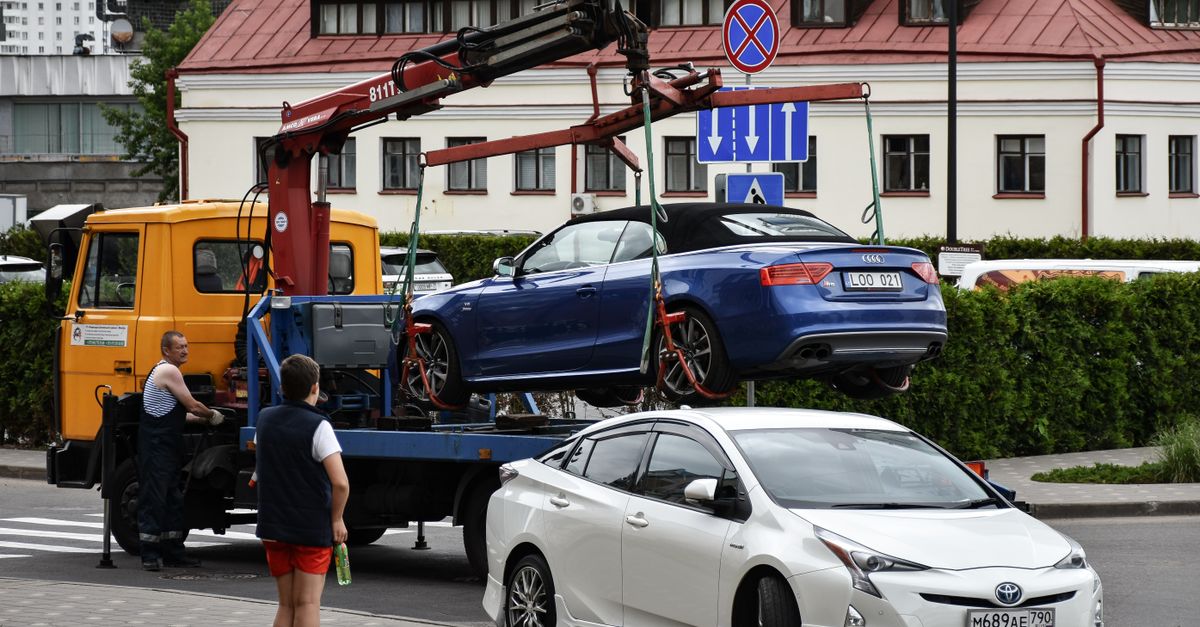

Discussion (0)
Be the first to comment!
Share your experience or ask questions about towing services.