
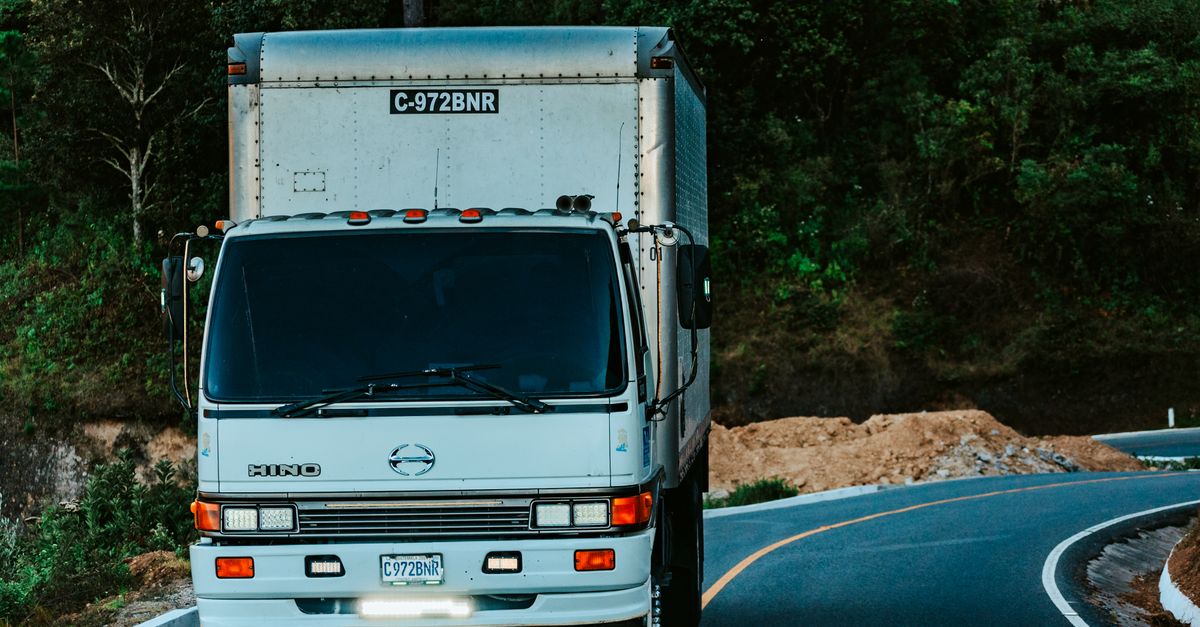
Moving a box truck isn't like towing a regular car. Commercial box trucks weigh 10,000 to 26,000 pounds when loaded, requiring specialized equipment and trained operators. Whether you're relocating a business, recovering from a breakdown, or need emergency roadside help, understanding box truck towing is essential for protecting your assets.
Box truck towing services handle everything from flatbed transport to heavy-duty recovery. The right provider keeps your cargo safe and gets you moving again quickly. Let's walk through what you need to know.
What Is Box Truck Towing and Why Do Businesses Need It?
Box truck towing refers to the professional transport of commercial box vehicles using specialized towing equipment. These trucks carry valuable inventory, equipment, or merchandise that demands careful handling.
Businesses rely on box truck towing for several situations. A breakdown on the highway can halt operations and cost thousands in lost revenue. A collision might require emergency recovery. Even planned relocations need professional movers with the right equipment.
Unlike standard vehicle towing, box truck towing demands heavier-duty gear and more expertise. The operators must understand weight distribution, cargo securing, and commercial vehicle regulations. That's why finding the right towing provider matters so much for your business.
How Much Does Box Truck Towing Cost?
Box truck towing prices vary based on several factors. Distance is the biggest cost driver—local tows within 10 miles typically run $150–$250, while longer hauls can reach $400–$800 or more.
The truck's weight and cargo load affect pricing too. A loaded box truck costs more to tow than an empty one. Time of day matters as well—nights and weekends usually cost extra. Emergency recovery or winching services add $100–$300 to your bill.
Most reputable providers offer flat rates for common distances or hourly rates for complex recoveries. Always ask for a quote before authorizing work. Check out our complete pricing guide for more details on towing costs across different vehicle types.
Which Types of Tow Trucks Handle Box Trucks?
Not every tow truck can handle a box truck. The vehicle must be rated for heavy loads and equipped with the right attachment points.
Flatbed trucks are the gold standard for box truck towing. They lower completely flat, allowing operators to drive or winch the box truck onto the bed. This method prevents damage to the truck's undercarriage and suspension. Flatbed trucks typically cost more but provide the safest transport.
Heavy-duty wreckers use rotating booms and multiple cables for recovery work. These shine when a box truck is stuck in a ditch, overturned, or wedged in tight spaces. They're essential for complex recoveries but aren't ideal for routine towing.
Integrated heavy-duty trucks combine towing and recovery capabilities in one vehicle. They're faster to deploy and work well for both emergency recovery and standard transport. Learn more about different tow truck types and how they compare.
What Are the Weight and Legal Requirements for Box Truck Towing?
Box trucks fall into several weight categories that affect towing regulations. A Class 5 box truck weighs 16,001–23,500 pounds, while Class 6 trucks range from 23,501–33,000 pounds. Class 7 and 8 trucks exceed 33,000 pounds.
Federal regulations require tow trucks to have a gross vehicle weight rating (GVWR) that exceeds the load being towed. A truck towing a 20,000-pound box truck must be rated for at least 25,000 pounds. Operators must also carry proper commercial licensing and insurance.
Warning: Never hire a towing company that can't verify their equipment ratings. Overloading a tow truck creates safety hazards for your cargo, the operator, and other drivers. State regulations vary, so check your local towing laws and regulations before hiring.
How Do You Prepare a Box Truck for Towing?
Proper preparation protects your cargo and speeds up the towing process. Start by documenting your truck's condition with photos before the tow company arrives. This helps if damage occurs during transport.
Next, secure all loose items inside the truck bed. Shifting cargo during towing can damage your inventory and throw off weight distribution. Remove or secure any exterior mirrors, antennas, or decorative items that might catch on equipment.
Disable the parking brake before the tow company arrives. Some operators prefer to tow with the transmission in neutral, while others may need it in park—ask your provider. Make sure the steering wheel isn't locked, as this can damage the truck's steering system.
If your box truck broke down, turn off the engine and activate hazard lights. Move the truck away from traffic if it's safe to do so. Document any damage or mechanical issues to share with the towing company. For more tips, see our vehicle preparation guide.
What Insurance Coverage Do You Need for Box Truck Towing?
Commercial auto insurance typically covers towing, but the details matter. Most policies include roadside assistance with towing limits between $50–$200 per incident. That's often not enough for box truck towing, which can exceed $400–$600.
Cargo insurance is critical if your truck carries valuable merchandise. Standard auto policies don't cover inventory damage during towing. You'll need a separate cargo or inland marine policy to protect goods worth thousands of dollars.
Liability coverage protects you if your truck damages other vehicles or property during towing. Most states require minimum liability coverage, but commercial operations often need higher limits. Check with your insurance agent about towing endorsements and cargo protection.
Companies like State Farm, GEICO, and Progressive offer commercial auto policies with towing add-ons. Prices from these providers are current as of 2026. We're not affiliated with these companies. Learn more about towing insurance coverage to understand what's protected.
How Do You Choose a Reliable Box Truck Towing Provider?
Finding a trustworthy towing company protects your business and cargo. Start by verifying credentials—the company should hold proper licensing, insurance, and DOT authority for interstate towing.
Check customer reviews on Google, Yelp, and industry sites. Look for feedback about response times, professionalism, and whether cargo arrived undamaged. Ask potential providers for references from other businesses they've served.
Call several companies and ask specific questions. How long until they arrive? Do they have flatbed trucks available? What's their damage liability? Can they provide written estimates? The best companies answer clearly and offer transparent pricing.
Verify insurance coverage before booking. Ask to see proof of commercial auto insurance and cargo liability coverage. Never hire a company that can't show current insurance documentation. You can find trusted providers near you on USA Tow Finder. For detailed selection tips, check our guide to choosing tow truck companies.
What Should You Do During a Box Truck Towing Emergency?
When your box truck breaks down or gets into an accident, stay calm and follow these steps.
- Ensure safety first. Turn on hazard lights and move the truck away from traffic if possible. If you're on a busy highway, stay inside with seatbelts fastened until help arrives.
- Call for help immediately. Contact your roadside assistance provider, insurance company, or a local towing service. Provide your location, truck description, and what happened.
- Document everything. Take photos of the truck, cargo, surrounding area, and any other vehicles involved. Write down witness names and contact information.
- Communicate with the tow operator. Explain your cargo type, any mechanical issues, and special handling needs. Ask about their ETA and confirm they have appropriate equipment.
- Protect your cargo. If the truck is on its side or severely damaged, ask if additional securing is needed. Don't let your inventory shift during transport.
- Follow the truck to its destination. If possible, follow the tow truck to ensure your cargo goes where intended. This prevents mix-ups and unauthorized stops.
For more detailed emergency guidance, read our complete breakdown safety guide.
How Does Box Truck Recovery Differ from Standard Towing?
Recovery operations are more complex than routine towing. When a box truck is overturned, stuck in mud, or wedged in an accident, standard towing won't work. Recovery requires specialized equipment and highly trained operators.
Heavy-duty wreckers use multiple cables, winches, and rotating booms to carefully extract disabled vehicles. Operators must calculate weight distribution, angle of extraction, and potential damage to surrounding property. A recovery operation might take hours and cost $500–$1,500 or more.
The operator's experience matters tremendously. Poor recovery technique can flip the truck again, damage cargo, or create safety hazards. Always hire operators certified in heavy recovery work, especially for complex situations like overturned trucks or highway accidents.
What Legal Rights Do You Have When Towing a Box Truck?
Your rights depend on whether the towing is voluntary or involuntary. Voluntary towing—you call for help—gives you the most control. You choose the provider and authorize the specific work.
Involuntary towing happens when police order a tow after an accident or violation. In these cases, you have fewer choices but still have rights. The towing company must follow state regulations on pricing, notification, and storage.
Warning: Never agree to towing without a written estimate. Get everything in writing—the rate, distance, and any additional charges. If damage occurs during towing, document it immediately with photos and written descriptions. You may be able to file a damage claim or dispute charges if the company violates regulations.
State laws vary significantly, so understand your local requirements. Check your state's towing laws and consumer protections before disputes arise.
How Can You File a Claim for Towing Damage?
Damage during towing is rare with professional operators, but it happens. If your box truck or cargo suffers damage, act quickly.
Step 1: Document immediately. Take detailed photos and videos of all damage. Note the date, time, and conditions when damage occurred. Get the tow operator's name and company contact information.
Step 2: Get a written estimate. Have a mechanic or cargo appraiser assess damage costs. This provides documentation for your claim. Keep all receipts and repair invoices.
Step 3: Contact the towing company. Send a written claim letter explaining the damage and your requested compensation. Include photos, estimates, and any witness statements. Use certified mail so you have proof of delivery.
Step 4: File an insurance claim. Report the damage to your commercial auto insurance. They may pursue recovery from the towing company's insurance on your behalf.
Step 5: Consider legal action if needed. If the company refuses to pay and damage is significant, you may need to file a lawsuit. Small claims court works for damages under your state's limit. For larger claims, consult a business attorney. Learn more about filing towing damage claims.
What Technology Helps Box Truck Towing Services?
Modern towing companies use technology to improve service and safety. GPS tracking shows operators where customers are located and provides real-time navigation. Customers can track their truck's location during transport.
Mobile apps let you request towing, pay invoices, and upload damage photos directly to the company. Digital documentation captures incident details and creates records for insurance claims. Some providers use dash cameras to record the towing process, protecting both the company and customer.
Weight sensors on tow trucks ensure operators don't exceed equipment ratings. Communication systems keep dispatchers, operators, and customers connected throughout the process. These tools reduce delays, prevent accidents, and improve transparency. Explore towing technology trends to understand what modern providers offer.
Common Questions About Box Truck Towing Services
How long does box truck towing typically take? Local towing within 15 miles usually takes 30–60 minutes from call to arrival. Long-distance hauls depend on distance but typically take 4–8 hours for 100–200 miles. Recovery operations might take 1–3 hours depending on complexity.
Can you tow a loaded box truck the same way as an empty one? No. Loaded trucks require more careful handling and specialized equipment. Weight distribution becomes critical, and flatbed trucks are essential to prevent suspension damage.
What if your box truck breaks down on the highway at night? Call your roadside assistance provider or insurance company immediately. Turn on hazard lights and stay inside the truck with doors locked. Professional operators work 24/7 and understand highway safety protocols.
Do you need special permits to tow a box truck across state lines? Yes. Interstate towing requires DOT authority and compliance with federal regulations. The towing company should handle this, but verify they're properly licensed before hiring.
How much does it cost to recover an overturned box truck? Recovery typically costs $800–$2,000 depending on location, truck weight, and extraction complexity. Emergency recovery services charge premium rates.
Can you tow a box truck with another box truck? Generally no. Box trucks aren't designed to tow other heavy vehicles. The towing truck would need proper licensing, equipment, and insurance. Always use a dedicated towing company.
What happens if cargo is damaged during towing? Document damage immediately with photos. Contact the towing company and file a written claim. Your cargo insurance and the towing company's liability coverage should cover losses. See our dispute guide for detailed steps.
Are box truck towing services available on weekends and holidays? Yes. Professional towing companies operate 24/7/365. Weekend and holiday service may cost extra, but help is always available.
How do you choose between local and national towing companies for box trucks? Local companies often have faster response times and better area knowledge. National chains offer consistent service across multiple locations. For box trucks, verify equipment and experience matter more than company size.
What's the difference between towing and recovery for box trucks? Towing moves a working or disabled truck from one location to another using standard equipment. Recovery extracts a truck from difficult situations like ditches, overturns, or accidents using specialized heavy-duty equipment.
Final Thoughts: Protecting Your Box Truck
Box truck towing is essential for businesses that depend on commercial vehicles. The right provider protects your cargo, minimizes downtime, and keeps your operation moving. Preparation, proper insurance, and careful provider selection make all the difference.
When you need box truck towing services, choose companies with proven experience, proper licensing, and transparent pricing. Document everything, verify insurance coverage, and maintain detailed records for claims. Your business depends on reliable transportation—make sure your towing partner meets that standard.
Ready to find a trusted towing provider? Discover reliable box truck towing services near you on USA Tow Finder. We connect businesses with certified operators who understand commercial vehicles and protect your assets.
Frequently Asked Questions
Need Emergency Towing Services?
Don't wait when you're stranded. Get professional help now.
Find Trusted Box Truck Towing Services

Discussion (0)
Be the first to comment!
Share your experience or ask questions about towing services.