
What Is Flatbed Towing and How Does It Work?
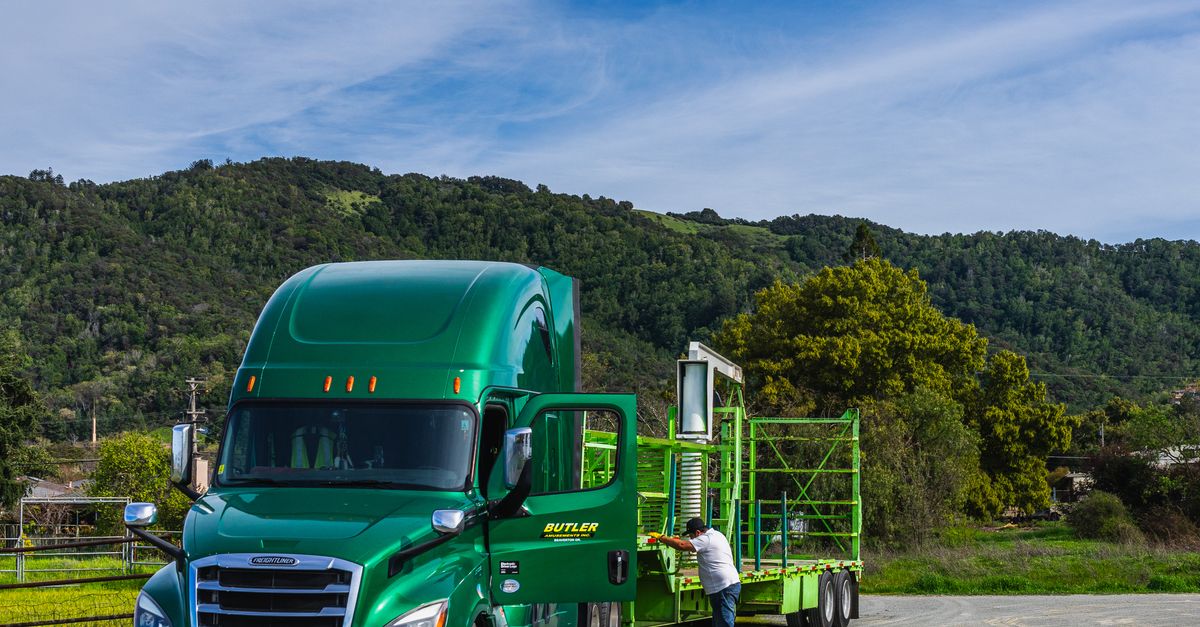
Flatbed towing uses a large flat platform mounted on a truck. Your vehicle sits completely on this platform instead of having wheels on the ground. The entire car gets secured with straps and chains. Nothing drags or rolls during transport.
This method differs from wheel-lift towing where the front or rear wheels stay on the ground. Flatbed is gentler on your vehicle. It prevents transmission damage and protects your suspension. That's why owners of expensive or damaged cars prefer it.
The flatbed truck has hydraulic ramps. The driver lowers these ramps and drives or winches your car onto the platform. Then everything gets locked down tight before hitting the road.
When Should You Use Flatbed Towing Services?
Flatbed towing works best in specific situations. Knowing when to request it saves money and protects your vehicle.
Best Scenarios for Flatbed Towing
- Luxury and high-end vehicles: Porsche, Mercedes, BMW, and other premium cars benefit from zero ground contact
- Lowered vehicles: Cars with modified suspensions can't use wheel-lifts safely
- All-wheel drive vehicles: AWD cars must stay completely off the ground or risk transmission damage
- Severely damaged cars: Bent frames and broken suspensions require flatbed transport
- Classic and vintage cars: Antique vehicles deserve gentle handling
- Exotic sports cars: Limited clearance means wheel-lifts won't fit
- New vehicles with low ground clearance: Modern sedans often sit too low for traditional towing
- Vehicles with transmission issues: Dragging a broken transmission causes expensive damage
If your car has any of these features, request flatbed towing specifically. It costs more upfront but prevents thousands in repair bills later.
How Much Does Flatbed Towing Cost?
Flatbed towing prices vary significantly based on distance, location, and time of day. Understanding the pricing helps you budget and spot overcharges.
Typical Flatbed Towing Rates
| Distance | Urban Areas | Suburban Areas | Rural Areas |
|---|---|---|---|
| 5-10 miles | $150-$250 | $120-$200 | $100-$180 |
| 10-25 miles | $200-$350 | $150-$300 | $120-$250 |
| 25-50 miles | $300-$500 | $250-$400 | $200-$350 |
| 50+ miles | $400-$750+ | $350-$600+ | $300-$500+ |
Emergency calls (nights, weekends, holidays): Add 25-50% to these base rates. Late-night towing always costs more.
Major insurance providers like State Farm, Progressive, GEICO, and AAA often cover flatbed towing through roadside assistance plans. Check your policy before paying out of pocket. Many plans include towing up to 50 miles at no extra charge.
Prices from providers like State Farm, Progressive, GEICO, and AAA are current as of 2026. We're not affiliated with these companies.
For accurate quotes in your area, find towing services near you and request flatbed pricing specifically.
What Are the Key Advantages of Flatbed Towing?
Flatbed towing offers real benefits that other methods can't match. Understanding these advantages helps you make smart choices.
Top Benefits You'll Experience
- Zero ground contact: Your wheels never touch the road, preventing transmission and suspension damage
- Perfect for all-wheel drive: AWD vehicles stay completely off the ground, protecting the drivetrain
- Works with any vehicle condition: Bent frames, broken axles, and transmission problems aren't barriers
- Protects expensive vehicles: Luxury cars get the gentle treatment they deserve
- Handles multiple vehicles: Some flatbeds can transport two cars at once
- Weather protection: Enclosed flatbeds shield vehicles from rain and debris
- Lower risk of additional damage: No dragging means no fresh scratches or dents
- Peace of mind: You know your car is completely secure and protected
These advantages add up, especially for vehicles worth more than $20,000. The extra cost of flatbed towing pays for itself through damage prevention.
How Does Flatbed Towing Compare to Other Towing Methods?
Different towing methods work better in different situations. Let's break down how flatbed stacks up against the competition.
Flatbed vs. Wheel-Lift Towing
Wheel-lift towing raises either the front or rear wheels off the ground. The other two wheels stay on the pavement. This works fine for basic vehicles but risks damage to luxury cars and all-wheel drive vehicles.
Flatbed costs about 30-50% more but eliminates this risk entirely. Choose flatbed for expensive cars or when you're unsure about your vehicle's drivetrain.
Flatbed vs. Integrated (Rollback) Towing
Integrated tow trucks have the bed built into the truck frame. They're lighter and more fuel-efficient than dedicated flatbeds. But they carry less weight and can't handle oversized vehicles.
Flatbed trucks handle heavier loads and wider vehicles. They're the best choice for trucks, SUVs, and specialty vehicles. Learn more by comparing types of tow trucks and their uses.
What Safety Precautions Should You Know About?
Flatbed towing requires specific safety procedures. Proper securing prevents accidents and damage. Here's what happens during a professional flatbed tow.
Standard Safety Procedures
- Vehicle inspection: The driver checks for leaks, loose parts, and tire conditions
- Ramp positioning: Hydraulic ramps lower to ground level at a safe angle
- Vehicle loading: Your car rolls or gets winched onto the platform
- Wheel chocks: Blocks prevent rolling during the loading process
- Strap securing: Heavy-duty straps anchor all four wheels or the frame
- Chain backup: Additional chains provide redundant security
- Final inspection: Driver verifies everything is tight before departure
- Smooth driving: Professional drivers avoid sudden acceleration or braking
Warning: Never ride in your vehicle during flatbed towing. It's unsafe and illegal in most states. Sit in the tow truck cab instead.
Professional flatbed operators secure vehicles with multiple attachment points. This prevents shifting and damage. Budget operators sometimes use fewer straps—that's a red flag.
How to Prepare Your Vehicle for Flatbed Towing
Getting your car ready for transport takes just a few minutes. These steps protect your vehicle and speed up the towing process.
Pre-Towing Checklist
- Remove or secure loose items from your vehicle's interior
- Close all windows and lock all doors
- Turn off the engine and remove the keys
- Note any existing damage with photos (for insurance purposes)
- Inform the driver about mechanical issues (broken steering, locked brakes)
- Clear the area around your vehicle of obstacles
- If your car won't start, let the driver know immediately
- Provide contact information for the destination location
For detailed guidance, read our complete guide on how to prepare your vehicle for towing.
If your vehicle has special modifications like lowered suspension, tell the driver before work starts. This prevents damage during loading.
What About Flatbed Towing for Specific Vehicle Types?
Different vehicles have unique towing needs. Understanding your car's requirements ensures proper handling.
All-Wheel Drive Vehicles
All-wheel drive cars absolutely require flatbed towing. Never use wheel-lift methods on AWD vehicles. The front wheels touching the ground while the rear drags causes severe transmission damage. We're talking $5,000-$10,000 in repairs.
Luxury and Sports Cars
High-end vehicles deserve flatbed treatment. Porsche, Ferrari, Lamborghini, and similar cars have expensive paint and delicate components. Flatbed ensures zero risk of cosmetic damage.
Lowered and Modified Vehicles
Lowered suspension sits too close to the ground for wheel-lifts. Flatbed clears the ground completely. Check our guide on lowered vehicle towing and clearance solutions.
Electric Vehicles
EVs have batteries mounted low on the chassis. Flatbed prevents ground contact that could damage the battery pack. Read more about electric vehicle towing considerations.
How Do You Choose a Reliable Flatbed Towing Provider?
Not all towing companies offer equal quality. Picking the right provider protects your vehicle and your wallet.
What to Look For in a Flatbed Operator
- Licensed and insured: Verify they have proper commercial towing insurance
- Experience with your vehicle type: Ask how many cars like yours they've towed
- Modern equipment: Well-maintained flatbeds with clean straps and chains
- Professional communication: Clear pricing and honest timelines
- Online reviews: Check Google, Yelp, and BBB ratings
- Response time: Quality companies arrive within the promised window
- Insurance requirements: They should have cargo insurance covering damage during transport
- Transparent pricing: No hidden fees or surprise charges
Use USA Tow Finder to locate trusted providers in your area. Read customer reviews and compare flatbed pricing before calling.
For comprehensive selection guidance, check out our article on how to choose a reliable tow truck company.
What Are Common Flatbed Towing Mistakes to Avoid?
Avoiding these mistakes saves money, prevents damage, and ensures smooth towing experiences.
Critical Mistakes People Make
- Choosing the cheapest quote: Budget operators often skimp on safety measures. Pay for quality.
- Not checking insurance coverage: Your policy might cover flatbed towing. Ask before paying out of pocket.
- Leaving valuables in the vehicle: Towing companies aren't responsible for theft or loss.
- Ignoring vehicle-specific needs: AWD cars must use flatbed. Wheel-lifts will destroy them.
- Not documenting the vehicle condition: Take photos before and after towing for insurance claims.
- Failing to disclose mechanical issues: Tell the driver about brake problems, steering issues, or transmission damage.
- Paying cash without a receipt: Always get written documentation of charges and mileage.
- Accepting verbal-only quotes: Get everything in writing before work begins.
These mistakes can lead to damage claims, disputes, and wasted money. Professional flatbed operators expect and welcome your questions.
How Do Insurance and Liability Work with Flatbed Towing?
Understanding coverage protects you if something goes wrong during transport. Most damage claims get settled quickly when you understand the rules.
Your auto insurance typically covers towing costs through roadside assistance or comprehensive coverage. However, damage that occurs during towing may fall under a different coverage type.
Pro tip: Document your vehicle's condition with photos before the tow. This proves any damage wasn't pre-existing.
Towing companies carry cargo liability insurance. This covers damage they cause during transport. But you need to file a claim quickly—usually within 30 days.
Learn the complete details in our guides on towing insurance coverage and how to file towing damage claims.
What Should You Know About Flatbed Towing Laws and Regulations?
Towing regulations vary by state. Knowing your rights prevents illegal charges and protects your vehicle.
Key Legal Points
- Towing rates: Many states cap how much companies can charge. Check your state's limits.
- Consent requirements: Companies generally need permission before towing (except from private property)
- Vehicle release: You have the right to retrieve your car after paying legitimate charges
- Itemized billing: Companies must provide detailed breakdowns of all charges
- Storage fees: Daily storage rates are regulated in most states
- Notification: Companies must contact you within specific timeframes
Read our comprehensive towing laws by state guide to know your specific rights. Each state has different rules about maximum rates and procedures.
If you believe you've been overcharged, learn how to dispute towing charges and recover money.
Frequently Asked Questions About Flatbed Towing
Here are answers to questions people commonly ask about flatbed towing services.
Can I ride in my vehicle during flatbed towing?
No. Riding in your vehicle during towing is unsafe and illegal in most states. You must ride in the tow truck cab with the driver instead. This ensures your safety and protects you from liability if an accident occurs.
How long does flatbed towing typically take?
A local flatbed tow usually takes 30-60 minutes from call to arrival, plus the actual towing time. Long-distance flatbed towing depends on the distance—expect typical highway speeds of 50-60 mph. A 100-mile tow takes about 2-3 hours.
Is flatbed towing more expensive than other methods?
Yes, flatbed costs 30-50% more than wheel-lift towing. But for luxury cars, all-wheel drive vehicles, and lowered cars, the protection is worth the extra cost. One incident of transmission damage costs far more than premium towing fees.
What if my vehicle won't start?
Flatbed towing works perfectly for non-running vehicles. The driver will use a winch to pull your car onto the platform. Tell them about the starting issue when you call so they come prepared.
Do towing companies offer enclosed flatbed service?
Yes, some companies offer enclosed flatbeds for premium protection. These cost 50-100% more than open flatbeds but shield your vehicle from weather, road debris, and prying eyes. Request enclosed service when you call if weather protection matters.
What happens if my car gets damaged during flatbed towing?
Document the damage immediately with photos and video. Report it to the towing company within 24 hours. File a claim with their insurance company. Most professional operators carry cargo liability coverage that covers transport damage.
Can flatbed towing handle oversized vehicles?
Yes. Flatbeds accommodate trucks, SUVs, and vehicles wider than standard cars. Some can even handle small trailers and equipment. Mention your vehicle's size when requesting a quote.
Is flatbed towing safe for classic cars?
Absolutely. Flatbed is the preferred method for classic and vintage vehicles. Zero ground contact means no risk to valuable paint, chrome, or mechanical components. Many classic car owners won't use any other towing method.
How do I know if my car needs flatbed towing?
If your vehicle is all-wheel drive, lowered, a luxury car, or has transmission problems, use flatbed. If you're unsure, ask the towing operator for their recommendation based on your vehicle type and the distance involved.
Can I get a quote for flatbed towing before booking?
Yes. Most professional towing companies provide free quotes over the phone. Tell them your vehicle type, location, and destination. They'll give you a flatbed-specific price. Always get quotes in writing before agreeing to service.
Key Takeaways About Flatbed Towing
Flatbed towing offers superior protection for your vehicle. It's the right choice for luxury cars, all-wheel drive vehicles, lowered cars, and damaged vehicles. While it costs more than traditional towing, the protection justifies the expense.
Costs range from $150-$500+ depending on distance and location. Insurance often covers these costs through roadside assistance. Professional operators secure vehicles with multiple straps and chains, preventing damage during transport.
When you need towing, always specify flatbed if your vehicle qualifies. Check USA Tow Finder for reliable flatbed providers in your area. Read reviews, verify insurance, and get written quotes before booking.
Understanding your rights protects you from overcharges. Know your state's towing laws and don't hesitate to dispute unfair charges. With the right provider, flatbed towing is smooth, safe, and worry-free.
Frequently Asked Questions
Need Emergency Towing Services?
Don't wait when you're stranded. Get professional help now.
Find Flatbed Towing Services Near You
Discussion (0)
Be the first to comment!
Share your experience or ask questions about towing services.