
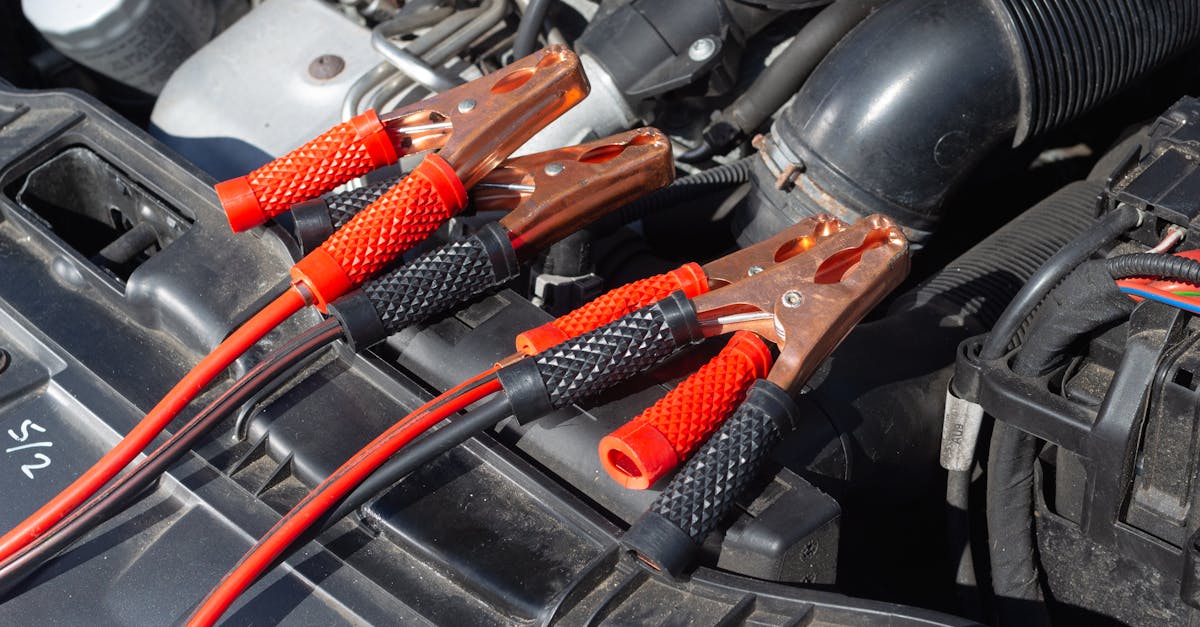
Can You Jump Start a Dead Battery? The Quick Answer
You can jump start a dead battery in most cases. It's one of the easiest roadside fixes you can do yourself. All you need is another car and a set of jumper cables.
But here's the thing — not all dead batteries can be jump started. If your battery is completely dead or damaged, you'll need professional help.
Let's walk through how to do it safely and know when to call for backup.
What Causes a Dead Car Battery?
Understanding why your battery died helps you avoid it happening again. Dead batteries usually come from a few common situations.
Left lights on overnight. This is the #1 culprit. Your interior lights or headlights drain the battery while you sleep.
Cold weather. Batteries lose power in freezing temps. A battery rated for warm climates might not start your car when it's below 32°F.
Faulty alternator. Your alternator charges the battery while you drive. If it fails, the battery slowly drains.
Old battery. Most car batteries last 3-5 years. After that, they lose the ability to hold a charge.
Parasitic drain. Some car systems draw power even when the engine is off. A faulty radio, alarm, or interior light can drain your battery in days.
Corroded battery terminals. White or blue crusty buildup on battery connections blocks power flow.
Do You Need Jumper Cables or a Jump Starter?
You have two main options for jump starting your car. Each has pros and cons.
Traditional Jumper Cables
Jumper cables connect your dead battery to another car's working battery. They're cheap, reliable, and work in almost any situation.
Cost: $15-$40 for quality cables.
Pros: Affordable, compact, no batteries to charge, works with any vehicle.
Cons: You need another car nearby, takes longer than a portable jump starter.
Portable Jump Starters
These battery packs jump start your car without needing another vehicle. They're becoming more popular because they're so convenient.
Cost: $50-$200 depending on power and features.
Pros: No other car needed, works anytime, modern models include USB charging ports.
Cons: Battery can run low if you don't charge it regularly, less powerful for large trucks.
Pro tip: Keep both in your car. A portable jump starter handles most situations. Jumper cables are your backup when the jump starter dies.
How to Jump Start a Dead Battery: Step-by-Step
Follow these steps to safely jump start your car. This takes about 5-10 minutes total.
Step 1: Park Both Cars Close Together
Position the working car about 18 inches from your dead battery car. Don't let the vehicles touch. Turn off both engines.
Step 2: Locate Both Battery Terminals
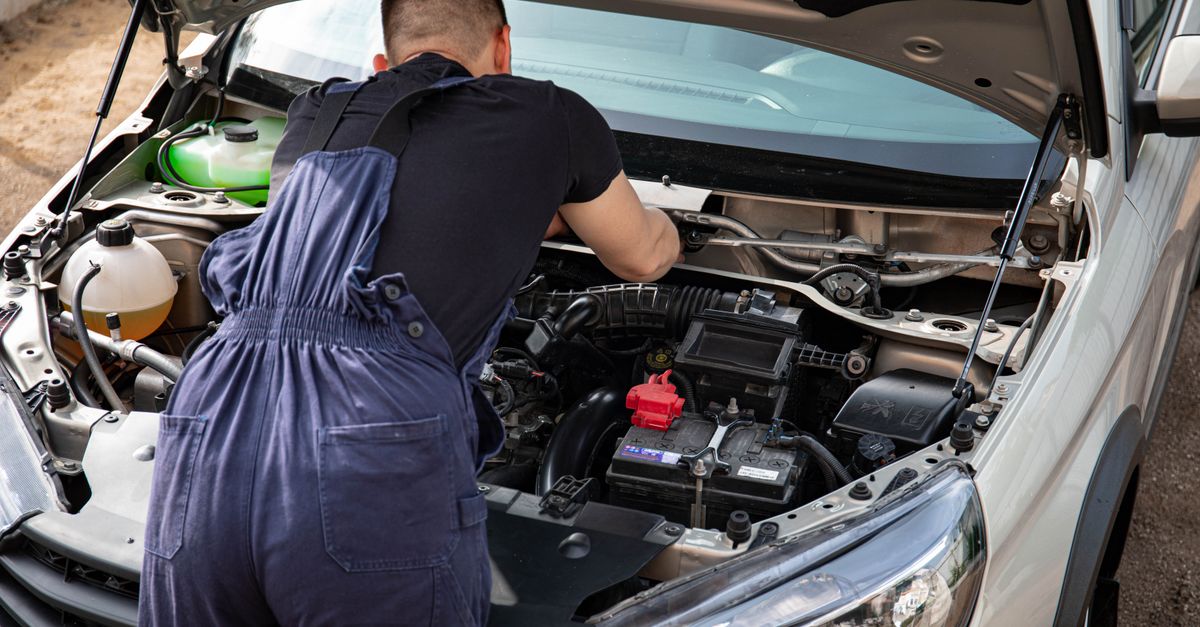
Pop both hoods and find the batteries. You'll see two metal posts — one red (positive) and one black (negative).
Warning: If your battery is cracked, leaking, or smells like rotten eggs, don't jump start it. Call for professional towing instead.
Step 3: Clean the Terminals (If Needed)
If you see white, blue, or green crusty buildup, use an old toothbrush or wire brush to clean it off. Corrosion blocks power flow.
Step 4: Connect the Red Positive Cable
Attach the red clamp to the positive terminal (red post) on your dead battery first. Then attach the other red clamp to the positive terminal on the working battery.
Always connect to the dead battery first. This prevents sparks.
Step 5: Connect the Black Negative Cable
Attach the black clamp to the negative terminal (black post) on the working battery. Then attach the other black clamp to an unpainted metal surface on your car's engine block — NOT the negative terminal on your dead battery.
This is important: Connecting negative to negative can cause sparks and explosions with old batteries.
Step 6: Start the Working Car
Let the working car run for 2-3 minutes. This charges your dead battery.
Step 7: Start Your Car
Turn the key or press the start button. Your car should start within a few seconds.
If it doesn't start after 30 seconds, stop trying. Wait 2 more minutes and try again. Repeated attempts can damage your starter motor.
Step 8: Remove the Cables (In Reverse Order)
Now remove the cables in the exact opposite order you connected them:
- Remove the black clamp from your car's engine block
- Remove the black clamp from the working car's negative terminal
- Remove the red clamp from the working car's positive terminal
- Remove the red clamp from your car's positive terminal
This order prevents sparks and electrical damage.
Step 9: Keep Your Car Running
Drive your car for at least 20-30 minutes. This recharges the battery. Don't turn it off right away.
If your car dies again when you stop, the battery probably can't hold a charge. You'll need a replacement.
When Should You Call a Professional Instead?
Some situations require professional help. Don't risk your safety trying to jump start in these cases.
Cracked or leaking battery. Batteries contain sulfuric acid. A damaged battery can leak and burn your skin or damage your car.
No other cars available. If you're alone with no nearby vehicles, use a portable jump starter. If you don't have one, find towing services near you to get professional help.
Battery won't hold a charge. If you jump start your car and it dies again within hours, the battery is bad. You need a replacement, not a jump start.
Repeated dead batteries. If your battery dies every few weeks, your alternator is probably failing. A jump start won't fix this. You need a mechanic.
Frozen battery. In extreme cold (below -20°F), batteries can freeze and crack internally. Jump starting a frozen battery can cause it to explode.
Battery corrosion is severe. Heavy white or blue buildup means the battery is dying. Jump starting might work temporarily, but you need a replacement soon.
You're unsure about the terminals. If you can't find the battery or terminals, don't guess. Call for professional help.
Safety Tips When Jump Starting a Battery
Jump starting is safe when you follow these precautions. Most accidents happen from rushing.
Wear safety glasses. Battery acid can splash if something goes wrong. Protect your eyes.
Remove metal jewelry. Rings, watches, and bracelets can create sparks if they touch battery terminals.
Never jump start a battery in the rain. Water conducts electricity. Wait for dry conditions or call for help.
Keep the cables organized. Tangled cables can touch the wrong terminals and cause sparks.
Don't smoke or use open flames. Batteries release hydrogen gas, which is flammable.
Never jump start a battery that's frozen. Frozen batteries can explode when charged.
Check your owner's manual first. Some modern cars have special jump starting procedures. Hybrid and electric vehicles especially have different rules.
Let the working car run long enough. Impatience is common, but 2-3 minutes of charging makes a big difference.
What If Your Battery Still Won't Start?
Sometimes jump starting doesn't work. That's usually a sign of a bigger problem.
The battery is completely dead. Some batteries are so damaged they can't accept a charge. You need a replacement.
Your alternator is failing. If the alternator isn't charging your battery while you drive, jump starting won't help. The battery will die again soon.
Your starter motor is broken. The starter motor turns the engine. If it's dead, the engine won't turn over even with a good battery.
You have a parasitic drain. Something in your car is drawing power constantly. Jump starting works temporarily, but the battery dies again.
When jump starting fails, you need professional diagnosis. What to Do When Your Car Breaks Down: Complete Safety Guide covers your next steps.
How to Prevent Dead Batteries in the Future
The best fix is prevention. These habits keep your battery healthy.
Turn off all lights before leaving your car. Check that headlights, interior lights, and trunk lights are off. Make it a habit.
Don't leave electronics running when the engine is off. Phone chargers, radios, and heated seats drain your battery fast.
Drive regularly. Short trips don't fully charge your battery. Long drives (30+ minutes) recharge it completely.
Clean battery terminals twice a year. Use a wire brush to remove corrosion. A clean connection keeps power flowing.
Test your battery annually. Most auto parts stores test batteries for free. Replace it before it dies.
Replace your battery every 3-5 years. Don't wait for it to fail. A proactive replacement prevents roadside breakdowns.
Keep your alternator working. If your battery isn't charging while you drive, your alternator needs repair.
Park in a garage when possible. Cold weather kills batteries faster. A garage keeps your battery warmer.
Invest in a portable jump starter. Keep one in your car as backup. You'll never be stranded without help nearby.
Jump Starting a Hybrid or Electric Vehicle
Modern hybrids and electric vehicles have different battery systems. Standard jump starting can damage them.
Check your owner's manual first. Hybrids often have 12-volt batteries plus high-voltage battery packs. Jump starting procedures differ.
Some EVs can't be jump started at all. Electric vehicles use regenerative charging. The system might not accept a standard jump start.
Portable jump starters work better for hybrids. They're safer than traditional cables for modern vehicles.
Call roadside assistance if you're unsure. Many insurance plans cover roadside help. It's worth using for hybrid or electric vehicles.
Most hybrid owners never need to jump start. The system is designed to prevent dead batteries. But if it happens, consult your manual before trying anything.
Insurance and Roadside Assistance Coverage
Your insurance might cover jump starting and towing. Check your policy.
AAA membership includes jump starting. AAA sends a technician to your location. They jump start or tow your car if needed. Membership costs about $50-$150 per year.
Most auto insurance includes roadside assistance. Check your policy documents. You might already have this coverage.
Credit card companies offer roadside assistance. Some premium credit cards include towing and jump starting as a cardholder benefit.
Your vehicle manufacturer might offer it. New cars often include roadside assistance for the first few years.
Before paying out of pocket for professional help, call your insurance company. You might not need to pay anything.
Learn more about what's covered: Towing Insurance Coverage Guide: What's Covered and What's Not.
How Much Does Professional Jump Starting Cost?
If you need professional help, costs vary by location and provider.
AAA members: Free with membership (usually included).
Roadside assistance through insurance: Free with your policy.
Independent towing companies: $50-$150 for jump starting alone.
Dealership service: $75-$200.
Battery replacement: $100-$300 for parts and labor.
Prices from providers like AAA, GEICO, Progressive, and State Farm are current as of 2026. We're not affiliated with these companies.
For detailed pricing in your area, check How Much Does Towing Cost in 2025? Complete Pricing Guide.
Frequently Asked Questions About Dead Batteries
Q: How long does a jump start last?
A: A successful jump start should keep your car running indefinitely if your battery and alternator are healthy. If your car dies again within hours, the battery or alternator is failing.
Q: Can you jump start a battery in the rain?
A: No. Water conducts electricity and increases the risk of sparks or electrocution. Wait for dry weather or call for professional help.
Q: What if the jumper cables spark?
A: Sparks usually mean you connected the cables wrong. Stop immediately, disconnect everything, and start over. Repeated sparks mean the battery might be damaged. Call for help.
Q: Can a completely dead battery be jump started?
A: Most completely dead batteries can be jump started. But if the battery is damaged, cracked, or leaking, jump starting won't work and could be dangerous.
Q: How do you know if a battery is dead vs. discharged?
A: A discharged battery loses power but can be recharged. A dead battery has failed internally and won't hold a charge. If jump starting doesn't work, it's probably dead.
Q: Can you jump start a car with a dead alternator?
A: Yes, you can jump start it once. But the alternator won't recharge the battery while you drive. The battery will die again soon. You need alternator repair.
Q: Is it safe to jump start an old battery?
A: Old batteries (5+ years) are riskier. They might crack or leak. If your battery is very old, consider replacing it instead of jump starting.
Q: Can you jump start a car with the engine running?
A: No. Always turn off both engines before connecting cables. Starting the engine with cables connected can damage the alternator and electrical system.
Q: What's the difference between a jump start and a battery replacement?
A: Jump starting charges a weak battery temporarily. A replacement puts in a new battery. Jump starting is a quick fix. Replacement is permanent.
Q: How often should you test your battery?
A: Test your battery once a year, especially before winter. Most auto parts stores test for free.
When to Call Professional Towing Instead
Sometimes jump starting isn't the right solution. Professional towing is safer in certain situations.
You're on a busy highway with no safe shoulder. Jump starting roadside is dangerous. Call a tow truck to move your car to a safe location first.
Your battery is leaking or smells like rotten eggs. These are signs of serious damage. Don't attempt a jump start. Get professional help.
You're stranded alone with no other vehicles nearby. A portable jump starter helps, but if you don't have one, towing is your safest option.
Your car won't start even after multiple jump start attempts. Something else is wrong — maybe the starter or alternator. You need a mechanic, not another jump start.
You're uncomfortable doing it yourself. There's no shame in calling professionals. How to Choose a Reliable Tow Truck Company: Expert Guide 2026 helps you find trustworthy help.
Find towing services quickly: Get a free towing quote in your area.
Your Battery Emergency Kit
Keep these items in your car to handle battery emergencies:
- Jumper cables (quality 6-8 gauge, 20+ feet long)
- Portable jump starter with USB charging ports
- Work gloves to protect your hands
- Safety glasses to protect your eyes
- Wire brush for cleaning corroded terminals
- Flashlight with extra batteries
- Emergency contact information for roadside assistance
- Owner's manual (for your car's specific procedures)
Learn what else to keep handy: Emergency Roadside Kit Essentials: Must-Have Items for 2026.
Final Thoughts: You've Got This
Jump starting a dead battery is one of the easiest roadside fixes. With jumper cables and another car, you can usually get going in minutes.
But remember — jump starting is temporary. If your battery dies repeatedly, you need professional diagnosis. The alternator, battery, or electrical system needs repair.
Keep a portable jump starter in your car. It's cheap insurance against being stranded. And always prioritize safety over speed. A few extra minutes doing things right beats taking dangerous shortcuts.
When you need professional help, you know where to find it. Find towing services near you today and save the number in your phone.
Frequently Asked Questions
Need Emergency Towing Services?
Don't wait when you're stranded. Get professional help now.
Find Professional Help Now
Discussion (0)
Be the first to comment!
Share your experience or ask questions about towing services.