
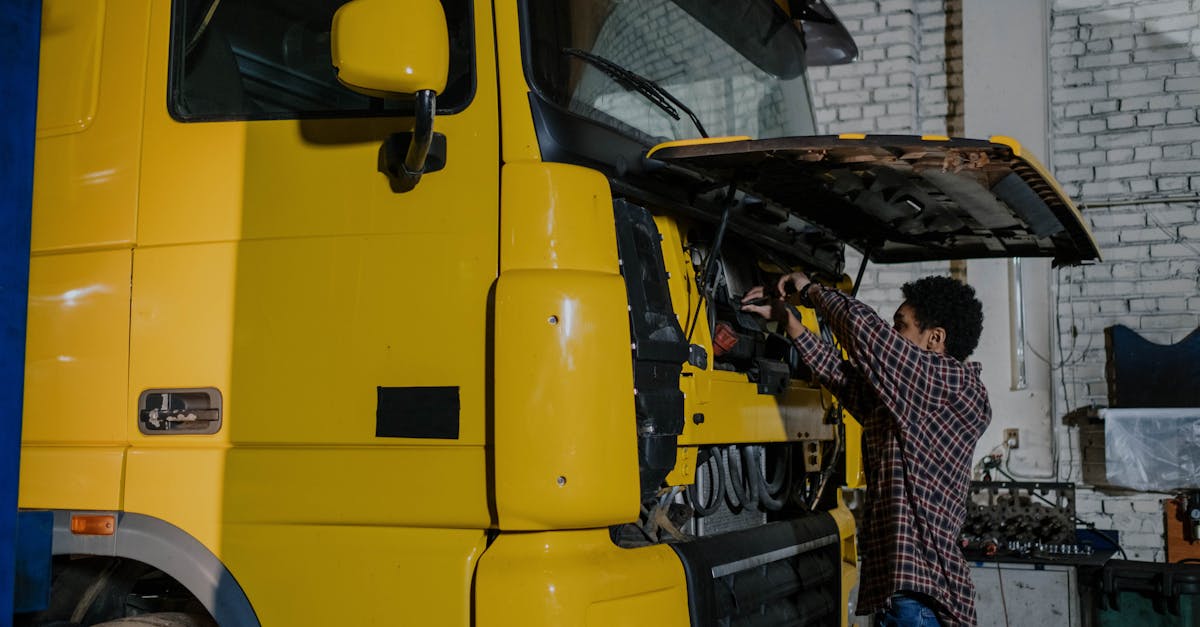
24 hour truck repair near me is something every truck owner needs to know about. Your truck can break down at 2 AM on a Tuesday. You need help fast, not in the morning.
This guide shows you exactly how to find emergency truck repair services. You'll learn where to look, what to expect, and how to avoid getting overcharged.
Let's get straight to it.
What Is 24 Hour Truck Repair Service?
24 hour truck repair means mechanics work around the clock. They're available nights, weekends, and holidays. Your truck gets fixed when you need it, not when it's convenient for the shop.
These services exist because trucks don't break down during business hours. Commercial drivers, delivery services, and regular folks need emergency repairs at odd times. According to industry data, approximately 30% of vehicle breakdowns occur outside standard business hours, making 24/7 repair services essential for many drivers.
Not all repairs are available 24/7. Major engine work might need to wait. But urgent fixes like towing, tire replacement, and electrical issues happen anytime. Most 24 hour shops focus on getting you back on the road safely, even if a complete fix requires follow-up work during regular business hours.
Where to Find 24 Hour Truck Repair Near You
Start by searching "24 hour truck repair near me" on Google Maps. This shows shops in your area with extended hours. Look at their reviews and ratings first.
Call ahead before driving there. Don't assume they're open. Ask if they handle your specific issue and what the wait time is.
Here are your main options:
- Independent repair shops — Often cheaper than dealerships. Many operate 24/7 in urban areas.
- Truck dealerships — More expensive but have brand-specific expertise. Some have emergency service lines.
- Fleet repair centers — Designed for commercial trucks. Usually 24/7 in major cities.
- Roadside assistance programs — AAA, GEICO, and Progressive offer emergency towing and basic repairs.
- Mobile repair services — Mechanics come to you. Great for breakdowns on the road.
- Truck stop repair facilities — Found along major highways. Often have 24/7 service for commercial drivers.
For roadside help, check if your insurance already covers emergency repair. Many policies include towing and basic roadside service. You might not need to pay extra. Some employers also offer roadside assistance as an employee benefit, so check with HR before purchasing additional coverage.
How Much Does 24 Hour Truck Repair Cost?
Emergency repairs cost more than scheduled maintenance. Expect to pay 20-50% extra for after-hours service. This covers the technician's time and inconvenience.
Here's what you'll typically pay:
| Service Type | Standard Rate | 24 Hour Rate |
|---|---|---|
| Basic diagnostics | $75-$150 | $100-$200 |
| Tire replacement | $100-$300 | $150-$400 |
| Engine repair (hourly) | $100-$150/hr | $150-$250/hr |
| Transmission work (hourly) | $120-$180/hr | $180-$300/hr |
| Towing service | $75-$150 | $100-$200 |
Read our complete pricing guide on towing costs for more detailed breakdowns. Prices vary by location and truck type. Diesel trucks may cost 15-25% more to repair than standard gasoline trucks due to specialized parts and expertise required.
Warning: Never pay full price upfront for emergency repairs. Get a quote first. Some shops take advantage of desperate drivers at midnight. Always ask for an itemized estimate that breaks down parts and labor separately.
What Types of Repairs Are Available 24/7?
Not every repair happens around the clock. Most shops prioritize urgent fixes that get you back on the road.
Available 24/7:
- Flat tire repair and replacement
- Battery replacement and jump starts
- Towing services
- Fuel delivery
- Lockout assistance
- Basic electrical diagnostics
- Brake pad replacement
- Radiator and coolant issues
- Alternator problems
- Hose and belt replacement
- Starter motor replacement
- Water pump repairs
Usually NOT available 24/7:
- Engine rebuilding
- Transmission overhaul
- Major body work
- Custom modifications
- Paint jobs
- Interior restoration
- Suspension system overhauls
- Welding and frame repairs
Ask the shop what they can do right now. If they can't fix it, ask about temporary solutions. Sometimes they'll repair it enough to get you to a full-service shop in the morning. A temporary fix might mean replacing a broken serpentine belt with a spare or patching a coolant leak so you can limp to a dealership.
How to Call for Emergency Truck Repair
Know what to say when you call. Have this information ready:
- Your truck's year, make, and model — Example: "2018 Ford F-150."
- What's wrong — Be specific. "The engine won't start" is better than "something's broken."
- Current location — Street address or highway mile marker.
- Whether it's drivable — Can you get there yourself or need towing?
- Your phone number — They'll call back with details.
Say: "I need emergency truck repair for my 2018 Ford F-150. The engine won't turn over. I'm at 123 Main Street. Can you help tonight? What will this cost?"
Listen carefully to their answers. Ask about wait times and whether they need you to stay with the truck. If they have a long wait, ask if you should call a tow truck to bring your vehicle to them or wait for a mobile mechanic to come to you.
Check out our complete safety guide for vehicle breakdowns to stay safe while waiting.
Red Flags: When to Avoid a Shop
Some shops prey on desperate drivers at night. Watch for these warning signs:
- No phone quote available — They want you there before discussing price.
- Pressure to pay upfront — Legitimate shops let you pay after work's done.
- No written estimate — Always get estimates in writing.
- Hidden fees appear later — "Emergency fee," "night surcharge," "diagnostic fee" added after work.
- Poor online reviews — Check Google, Yelp, and Better Business Bureau ratings.
- Won't explain the problem — Good mechanics explain what's broken and why it costs money.
- Pushy about extra repairs — "While we're in there, you need new spark plugs" (maybe true, maybe not).
- No physical address or legitimate business license — Verify they're a real, established business.
- Unwilling to provide references — Ask for contact info from recent customers.
Warning: If something feels off, ask for a second opinion. Don't let anyone pressure you into expensive repairs at 3 AM. Trust your instincts—if a shop seems sketchy, there are other options available.
Preparing Your Truck for Emergencies
The best emergency repair is the one you prevent. Regular maintenance stops most breakdowns cold.
Do this monthly:
- Check tire pressure and condition
- Test all lights (headlights, brake lights, turn signals)
- Look under the truck for leaks
- Listen for strange noises while driving
- Check fluid levels (oil, coolant, brake fluid, power steering)
Keep an emergency roadside kit in your truck. Include jumper cables, a spare tire, jack, lug wrench, flashlight, and basic tools. This saves you money and gets you moving faster. Also consider adding a tire plug kit, extra fuses, spare belts, and a basic socket set for quick roadside repairs.
Have your truck serviced every 5,000-7,500 miles. Follow the manufacturer's schedule. Preventive maintenance costs less than emergency repairs. A $200 oil change and filter replacement is far cheaper than a $5,000 engine rebuild caused by neglected maintenance.
Insurance and Emergency Truck Repair Coverage
Check your insurance policy before you need repairs. Many policies include roadside assistance.
Major insurers offer emergency coverage:
- AAA membership — Covers towing up to 100 miles, lockout service, fuel delivery, and battery service. Premium members get up to 200-mile towing.
- GEICO — Optional roadside assistance covers towing, lockouts, and fuel delivery for about $5-$8 per month.
- Progressive — Roadside assistance available for about $5-$10 per month with various coverage levels.
- State Farm — Roadside assistance included in some policies, optional in others for similar pricing.
Read our complete guide on towing insurance coverage to understand what's covered and what's not.
Call your insurance company before paying for emergency repairs. They might cover it. You could save hundreds. Some insurers offer preferred repair shop networks where you get discounts when using their approved mechanics.
DIY Quick Fixes vs. Professional Help
Some problems you can fix yourself. Others need a pro. Know the difference.
You can usually handle:
- Changing a tire (if you have a spare and jack)
- Jump-starting a dead battery
- Adding coolant or oil
- Replacing windshield wipers
- Tightening a loose battery cable
Call a professional for:
- Engine won't start (after jump-start fails)
- Brake warning light is on
- Transmission slipping or grinding
- Steering feels heavy or loose
- Smoke or burning smell
- Fluid leaking under the truck
- Check engine light is flashing
When in doubt, call a professional. A wrong DIY fix can make things worse and cost more money later. Even if you're mechanically inclined, some repairs require specialized diagnostic equipment that only shops have.
Learn when to call a tow truck in our guide on tow truck vs DIY decisions.
Finding 24 Hour Truck Repair on the Road
Breaking down far from home is stressful. Here's how to find help anywhere:
- Call roadside assistance first — AAA or your insurance company. They dispatch help to you.
- Search "24 hour mechanic near me" on your phone — Google Maps shows open shops nearby.
- Ask the tow truck driver for recommendations — They know good shops in the area.
- Call ahead before the tow truck arrives — Confirm the shop is open and can handle your truck.
- Get a written estimate before work starts — Even on the road, this protects you.
- Stay with your truck if possible — Watch what they're doing and ask questions.
Having a charged phone and knowing your truck details makes this process smooth. You'll get back on the road faster. Consider keeping your insurance card, roadside assistance number, and a list of preferred mechanics in your glove box for easy reference during stressful situations.
Local vs. Chain Repair Shops: Which Is Better?
Both have pros and cons for emergency repairs.
Independent local shops:
- Usually cheaper
- More flexible with scheduling
- Owner often does the work or supervises
- Build relationships with customers
- May not have all parts in stock
Chain shops (Firestone, Midas, etc.):
- Consistent service quality
- Warranty on work and parts
- Multiple locations if you need follow-up
- More expensive
- High-pressure sales tactics common
For emergency repairs, local shops often win. They're hungry for business and more willing to work with you on price. Check reviews before deciding. However, chain shops offer consistency if you're traveling and need service in multiple cities.
Your Rights During Emergency Truck Repair
You have legal protections even in emergency situations. Know your rights.
You have the right to:
- A written estimate before work begins
- An explanation of what's wrong and why
- Refuse additional work not agreed to upfront
- Get your old parts back if you ask
- A warranty on parts and labor
- Pay by credit card (most shops accept them)
- File a complaint with your state's attorney general if scammed
Never sign blank work orders. Never agree to "whatever it takes" repairs. Always know what you're paying for before the mechanic touches your truck. Many states have specific consumer protection laws for auto repair, so research your state's regulations.
Read our guide on your rights during towing and repairs for more details.
Frequently Asked Questions About 24 Hour Truck Repair
Q: Can I use my insurance to cover emergency truck repair?
A: Maybe. Check your policy for roadside assistance coverage. Many insurers like GEICO, Progressive, and State Farm offer it. Call before paying out of pocket.
Q: What if the shop overcharges me for emergency repairs?
A: Get everything in writing first. If you're overcharged, dispute it with your credit card company or file a complaint with your state's attorney general.
Q: Are 24 hour shops more expensive than regular shops?
A: Yes, usually 20-50% more. You're paying for after-hours service. That's normal and legal.
Q: Should I tow my truck or drive it to the repair shop?
A: If it's drivable and safe, drive it. If it won't start, stalls, or sounds bad, call a tow truck. Don't risk making it worse.
Q: How long does emergency truck repair take?
A: Depends on the problem. Tire replacement: 30 minutes. Battery: 15 minutes. Engine diagnostics: 1-2 hours. Ask the shop for an estimate.
Q: Can mobile mechanics fix my truck at night?
A: Some do. Search "mobile truck repair near me" on Google. Many operate 24/7 for roadside breakdowns.
Q: What should I do if my truck breaks down late at night?
A: Pull over safely, turn on hazard lights, call roadside assistance or search for 24 hour repair shops, and stay with your truck if it's safe. Don't attempt repairs you're not trained for.
Q: Are dealership emergency repairs more reliable than independent shops?
A: Dealerships are usually more expensive but have brand expertise. Independent shops are cheaper and often just as good. Check reviews either way.
Q: How do I find the cheapest 24 hour truck repair?
A: Call 3-4 shops for quotes. Compare prices and reviews. Ask about discounts. Don't pick the cheapest—pick the best value.
Q: What if I can't afford the emergency repair right now?
A: Ask the shop about payment plans. Some accept credit cards or offer financing. Check if your insurance covers any of it. Ask about temporary fixes to get you by.
Common Mistakes to Avoid During Emergency Truck Repair
Many drivers make costly mistakes when their truck breaks down. Avoid these pitfalls:
- Not getting a written quote — Always insist on written estimates before work begins.
- Leaving your truck unattended — Stay nearby to watch the work and answer questions.
- Accepting the first quote without comparison — Call multiple shops even in emergencies. A few extra minutes saves hundreds.
- Ignoring warning signs about the shop — Trust your gut if something feels wrong.
- Paying cash without a receipt — Always get itemized receipts for proof of payment.
- Authorizing extra work verbally — Get all additional repairs approved in writing.
- Driving an unsafe truck to save money — If a repair affects safety, don't skip it.
How to Find Trusted Towing and Repair Services
You need a reliable shop before an emergency happens. Start looking now.
Use USA Tow Finder to locate 24 hour truck repair services near you. Read reviews, compare prices, and save contact information. When you need help at 2 AM, you'll already know who to call.
Build a relationship with a good mechanic. Call them for regular maintenance. When emergencies hit, they'll take care of you faster and fairer. Many mechanics offer loyalty discounts to regular customers, so establishing a relationship now pays dividends later.
Prices from providers like AAA, GEICO, Progressive, and State Farm are current as of 2026. We're not affiliated with these companies.
Frequently Asked Questions
Need Emergency Towing Services?
Don't wait when you're stranded. Get professional help now.
Find 24 Hour Truck Repair Near You

Discussion (0)
Be the first to comment!
Share your experience or ask questions about towing services.