
You're stuck on the side of the road with car trouble. Your mind races between two options: call for help or try fixing it yourself.
This decision affects your safety, wallet, and time. Make the wrong choice and you'll face bigger problems.
Here's how to decide when to call a tow truck versus attempting a DIY fix. You'll learn the key warning signs that demand professional help and which problems you can safely handle yourself.
What Makes DIY Car Fixes Dangerous?
DIY repairs seem tempting when you're trying to save money. But some situations put you at serious risk.
Traffic exposure creates the biggest danger. Highway shoulders offer little protection from passing vehicles. Even simple tasks become hazardous when cars speed by at 70+ mph.
Weather conditions make everything worse. Rain creates slippery surfaces. Snow reduces visibility. Extreme heat causes burns from hot engine parts.
Limited tools and workspace compound the problem. You don't have a proper lift or professional equipment. Working on the ground increases injury risk.
Warning: Never attempt repairs on busy highways or in severe weather. Your life isn't worth the towing cost.
When Should You Always Call a Tow Truck?
Certain car problems require professional help immediately. Don't risk your safety or create bigger damage.
Engine and Transmission Emergencies
Engine overheating demands immediate attention. Steam from the hood means coolant is boiling. Continuing to drive causes permanent engine damage.
Transmission problems show up as slipping gears or grinding noises. You can't shift properly or the car won't move. These repairs cost thousands if you make them worse.
Oil pressure warnings require immediate shutdown. The red oil light means your engine isn't getting proper lubrication. Keep driving and you'll need a complete engine rebuild.
Electrical System Failures
Complete electrical failure leaves you stranded and unsafe. No lights, no signals, no hazard flashers. Other drivers can't see you properly.
Alternator problems cause similar issues. Your battery dies while driving. Modern cars shut down completely without electrical power.
Starter motor failure prevents the engine from turning over. You hear clicking sounds or nothing happens when you turn the key.
Safety-Critical Component Issues
Brake system problems never qualify for DIY fixes. Spongy pedals, grinding noises, or brake fluid leaks create deadly situations.
Steering problems make your car uncontrollable. You can't turn properly or the wheel feels loose. Don't attempt to drive anywhere.
Suspension damage from hitting potholes affects handling. The car pulls to one side or bounces excessively. Professional inspection prevents accidents.
For situations like these, find towing services near you immediately. Professional help costs less than major repairs or hospital bills.
Which Car Problems Can You Fix Yourself?
Some roadside issues are safe for DIY fixes. You need basic tools and mechanical knowledge.
Dead Battery Solutions
Jump-starting works when you have jumper cables and another vehicle. The process takes 10-15 minutes with proper technique.
First, position the working car close enough for cables to reach both batteries. Turn off both engines and engage parking brakes.
Connect positive cable to dead battery's positive terminal. Attach other positive end to working battery's positive terminal.
Connect negative cable to working battery's negative terminal. Attach final negative end to unpainted metal in dead car's engine bay.
Start the working car and let it run for 2-3 minutes. Then try starting the dead car.
Flat Tire Repairs
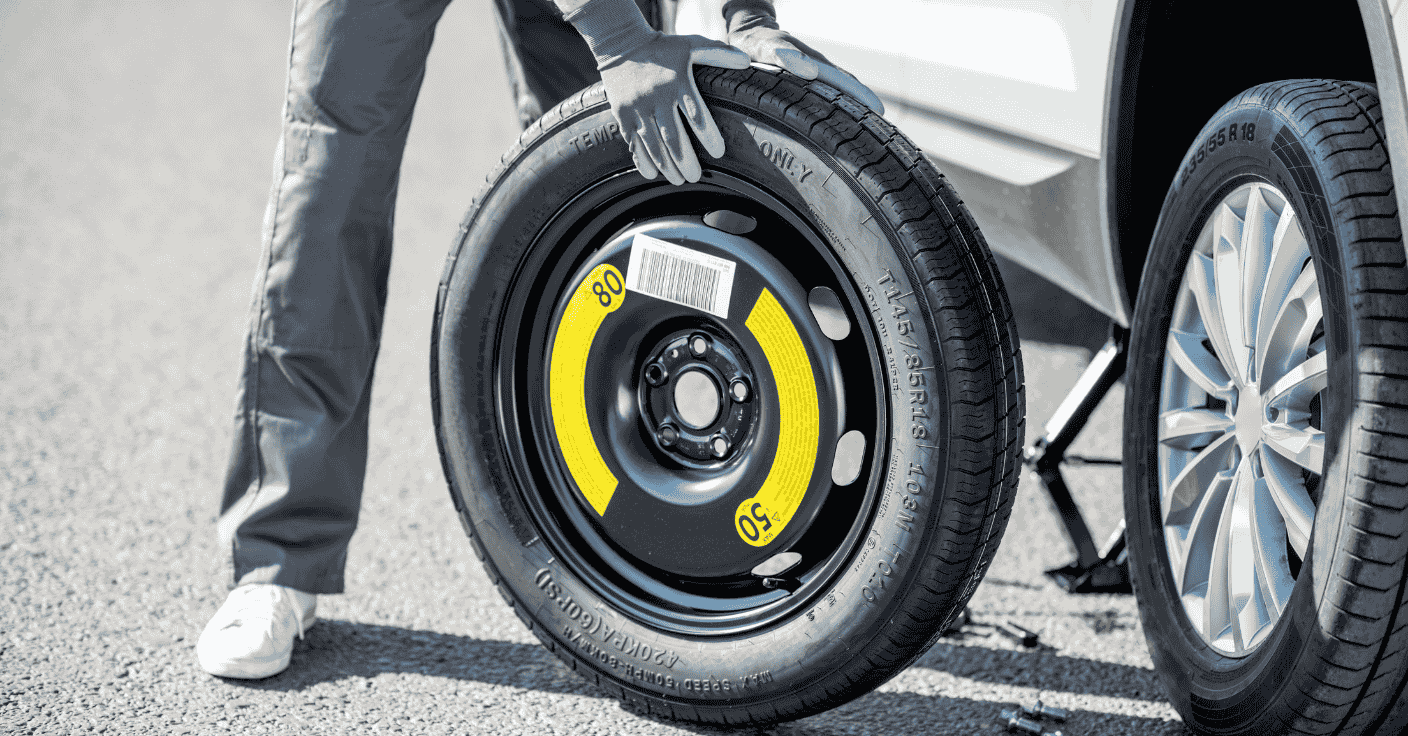
Changing a tire requires basic tools and safe conditions. You need a spare tire, jack, and lug wrench.
Pull completely off the road onto level, stable ground. Turn on hazard lights and apply the parking brake.
Loosen lug nuts before raising the car. Use the jack to lift the vehicle until the flat tire clears the ground.
Remove loosened lug nuts and pull off the flat tire. Mount the spare tire and replace lug nuts finger-tight.
Lower the car until the spare touches ground but still supports some weight. Tighten lug nuts in a star pattern.
Lower the car completely and give lug nuts a final tightening. Check spare tire pressure as soon as possible.
Running Out of Gas
Empty fuel tanks create simple fixes if you plan ahead. Keep a gas can in your emergency kit.
Walk to the nearest gas station or call someone to bring fuel. Most stations sell small gas cans if you don't have one.
Add at least two gallons to ensure the fuel pump can draw gas properly. Modern fuel injection systems need adequate pressure to restart.
How Do You Assess Your Situation Safely?
Smart decision-making starts with honest self-assessment. Consider your skills, tools, and current conditions.
Ask yourself these key questions: Do you have experience with this type of problem? Are you in a safe location away from traffic?
Check your available tools. Basic repairs need proper equipment. Missing tools turn simple fixes into dangerous struggles.
Evaluate the weather and lighting conditions. Darkness and rain make everything more difficult and dangerous.
Consider your physical condition. Are you tired, stressed, or dealing with other health issues? Poor judgment increases under stress.
Time pressure often leads to bad decisions. Don't rush repairs because you're late for something important.
What Safety Precautions Should You Take?
Safety comes first regardless of whether you call for help or attempt repairs. These steps protect you in any situation.
Move your car as far from traffic as possible. Use the shoulder, parking lot, or side street. Never stop in travel lanes.
Turn on hazard lights immediately. Other drivers need to see your disabled vehicle from a distance.
Exit the vehicle away from traffic. Use the door facing away from moving cars whenever possible.
Set up emergency triangles or flares 100-200 feet behind your car. This gives other drivers advance warning.
Wear bright or reflective clothing if you have it. Visibility saves lives during roadside emergencies.
Stay alert for approaching vehicles. Don't assume other drivers see you or will move over safely.
Our What to Do When Your Car Breaks Down: Complete Safety Guide covers additional safety measures for roadside emergencies.
How Much Does Professional Help Actually Cost?
Towing costs vary by location, distance, and time of day. Understanding typical prices helps you make informed decisions.
Basic local towing runs $75-$150 for distances under 10 miles. After-hours service adds $25-$50 to base rates.
Highway towing costs more due to safety risks and specialized equipment. Expect $100-$200 for highway calls.
Long-distance towing charges $3-$7 per mile after the first few miles. Cross-town moves can reach $300-$500.
Specialty situations like winching or recovery cost extra. Vehicles stuck in ditches or snow require special equipment and time.
Many insurance policies include roadside assistance. AAA membership provides towing, jump-starts, and flat tire changes.
Compare these costs against potential damage from failed DIY attempts. Engine repairs cost thousands. Towing saves money long-term.
For detailed pricing information, check our How Much Does Towing Cost in 2025? Complete Pricing Guide.
What Tools Should You Keep for Emergencies?
A well-stocked emergency kit enables safe DIY fixes for minor problems. Keep these items in your car always.
Essential Repair Tools
Jumper cables handle most dead battery situations. Buy heavy-duty cables at least 12 feet long.
Tire repair kit includes spare tire, jack, and lug wrench. Check spare tire pressure monthly.
Basic tool set with screwdrivers, pliers, and adjustable wrench covers many small repairs.
Duct tape and zip ties provide temporary fixes for loose parts or damaged hoses.
Safety and Communication Equipment
Emergency triangles or flares warn other drivers about your disabled vehicle.
Flashlight with extra batteries helps you see during nighttime repairs.
Cell phone car charger ensures you can call for help when needed.
Emergency blanket and water keep you comfortable while waiting for assistance.
Our comprehensive Emergency Roadside Kit Essentials: Must-Have Items for 2026 covers everything you need for roadside preparedness.
How Do Weather Conditions Affect Your Decision?
Weather dramatically impacts the safety and feasibility of roadside repairs. Different conditions require different approaches.
Rain and wet conditions make everything slippery and dangerous. Tools slip from wet hands. Metal surfaces become hazardous.
Electrical problems become more serious in wet weather. Water and electricity create deadly combinations.
Visibility drops significantly during storms. Other drivers can't see you as clearly.
Snow and ice create extreme hazards. Frozen lug nuts won't budge without proper tools. Jacks slip on icy surfaces.
Cold temperatures affect battery performance and make metal tools painful to handle.
Extreme heat causes burns from hot engine parts. Asphalt becomes soft and unstable for jacks.
Dehydration and heat exhaustion affect your judgment and physical capabilities.
When weather conditions are poor, calling for professional help becomes the smart choice. Tow truck operators have proper equipment and experience.
What Are the Legal Considerations?
Legal issues can complicate roadside repairs and towing decisions. Know your rights and responsibilities.
Some states prohibit stopping on certain highways except for emergencies. DIY repairs might violate these laws.
Abandoned vehicle laws vary by location. Your car can be impounded if left too long in one spot.
Insurance coverage affects your decisions too. Some policies require professional towing for coverage to apply.
Liability issues arise if your repair attempts cause accidents or injuries. Professional services carry proper insurance.
Right-to-repair laws protect your choice to fix your own vehicle. But they don't override safety regulations.
For complete information about your legal rights, read our Towing Laws by State: Your Rights & Protection Guide 2026.
How Do You Choose the Right Tow Company?
When you decide professional help is necessary, choosing the right company matters. Not all tow services offer equal quality.
Look for licensed and insured operators. Legitimate companies display proper credentials and insurance information.
Check response times and availability. Emergency situations need fast response, especially in unsafe locations.
Read customer reviews and ratings. Previous customers reveal service quality and pricing practices.
Verify pricing upfront. Reputable companies provide clear estimates before starting work.
Ask about equipment and capabilities. Different vehicles need different towing methods.
Confirm service area coverage. Some companies only work in limited geographic areas.
Our guide How to Choose a Reliable Tow Truck Company: Expert Guide 2026 provides detailed selection criteria.
What Insurance Coverage Options Exist?
Insurance can significantly reduce your out-of-pocket costs for towing and roadside assistance. Several coverage types provide help.
Auto insurance roadside assistance costs $15-$30 per year. Coverage includes towing, jump-starts, and lockout service.
AAA membership provides nationwide roadside service. Basic plans start around $60 annually.
Credit card companies often include roadside assistance benefits. Check your card terms for coverage details.
Manufacturer warranties sometimes include roadside help for newer vehicles. Coverage usually lasts 3-5 years.
Cell phone plans occasionally offer roadside assistance as add-on services.
Compare coverage limits and restrictions carefully. Some plans limit towing distance or number of service calls.
For complete coverage information, review our Towing Insurance Coverage Guide: What's Covered and What's Not.
What Should You Do While Waiting for Help?
Waiting for a tow truck requires patience and continued safety awareness. Use this time productively.
Stay with your vehicle if it's safely positioned. Leaving your car unattended can lead to theft or additional problems.
Keep hazard lights on continuously. Battery drain is less important than visibility to other drivers.
Monitor the tow truck's arrival time. Call for updates if the driver is significantly delayed.
Gather your personal belongings and important documents. Remove valuables from the car before towing.
Take photos of your vehicle's condition. Documentation helps with insurance claims and prevents disputes.
Stay warm and hydrated while waiting. Emergency supplies in your kit become valuable during long waits.
Communicate with family or work about your situation. Let people know you're safe but delayed.
How Can You Prevent Future Roadside Emergencies?
Prevention beats roadside repairs every time. Regular maintenance prevents most common breakdowns.
Check fluid levels monthly. Oil, coolant, brake fluid, and transmission fluid prevent major failures.
Test your battery regularly, especially before winter. Weak batteries fail without warning in cold weather.
Inspect tires for wear and proper pressure. Underinflated tires cause blowouts and poor fuel economy.
Replace worn belts and hoses before they fail. These items typically show warning signs before breaking.
Keep your gas tank above quarter-full. This prevents fuel pump problems and ensures you won't run out unexpectedly.
Schedule regular professional inspections. Mechanics spot problems before they cause roadside emergencies.
Update your emergency kit seasonally. Replace expired items and add weather-appropriate supplies.
When you do need professional assistance, get a free towing quote to compare prices and services in your area.
Frequently Asked Questions
Need Emergency Towing Services?
Don't wait when you're stranded. Get professional help now.
Find Trusted Towing Services


Discussion (0)
Be the first to comment!
Share your experience or ask questions about towing services.