
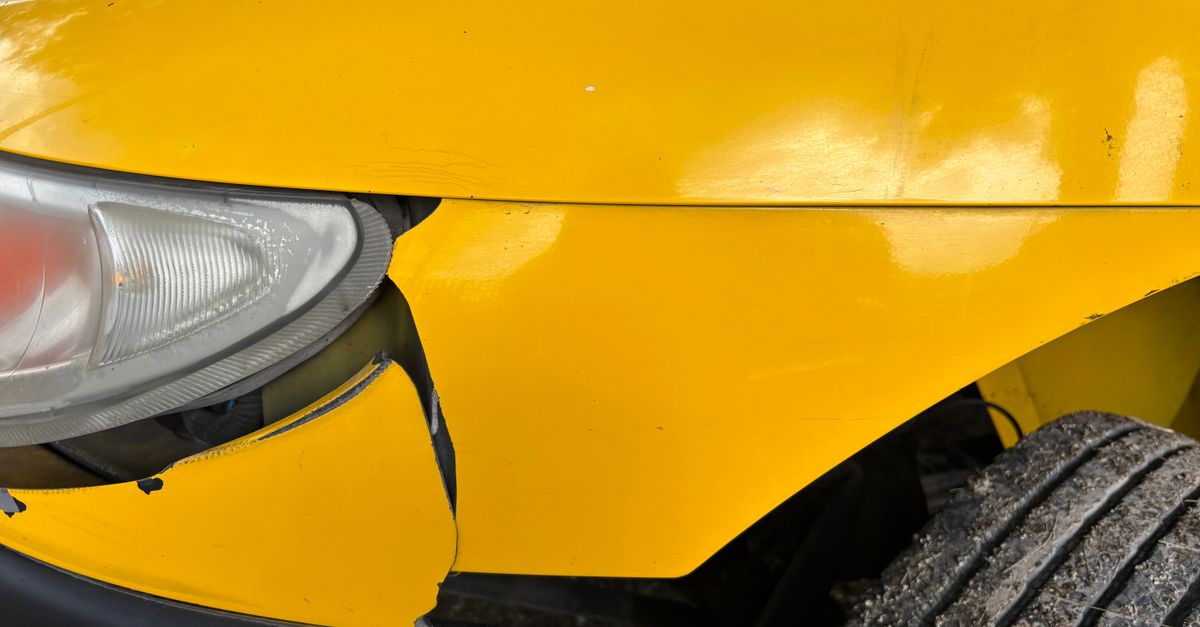
What Happens When a Tow Company Damages Your Car?
A towing company damaged your car. Your heart sinks. But here's the good news: you have legal rights.
Tow companies are responsible for damage they cause during pickup, transport, or delivery. This includes scratches, dents, broken lights, and mechanical damage from improper handling.
The tow company's liability insurance should cover these repairs. You don't have to pay out of pocket if you follow the right steps.
Understanding Towing Company Liability Laws
Every state requires licensed tow companies to carry liability insurance. This covers damage to your vehicle while it's in their care.
Liability means the tow company is legally responsible for harm they cause. If their driver hits your car with the tow truck, that's their liability. If they use the wrong equipment and damage your transmission, that's also their liability.
The key word is negligence. Your damage claim succeeds if you prove the tow company didn't use reasonable care.
Check Towing Laws by State: Your Rights & Protection Guide 2026 for specific requirements in your area. Rules vary by state, and some states set minimum insurance amounts.
How Much Insurance Coverage Do Tow Companies Carry?
Most tow companies carry $100,000 to $300,000 in liability coverage per incident. Some larger companies carry $1 million or more.
This coverage should be plenty for most vehicle damage claims. A typical repair bill runs $1,500 to $5,000 for towing-related damage.
If your damage exceeds their coverage limit, you might need to pursue additional claims. This is rare, but it happens with luxury vehicles or severe damage.
Ask the tow company directly: "What's your liability coverage limit?" Legitimate companies will tell you.
Document Everything: Your First Critical Step
Documentation is your strongest weapon in a damage claim. Without it, you're just saying something happened.
Here's what to collect immediately:
- Photos and video: Take clear pictures from multiple angles. Show the damage clearly. Shoot video while walking around the car. This is your proof.
- Witness names: Did anyone see the damage happen? Get their names and phone numbers right then.
- Tow company details: Write down the company name, driver name, truck number, and the tow truck operator's license plate.
- Time and location: Note exactly when and where the damage occurred. If it happened during pickup, say that. If it happened during transport, note that too.
- Written communication: Keep every text, email, and note from the tow company. Don't rely on phone calls alone.
The moment you notice damage, take photos before anything else happens. Don't let the tow company take your car if you see damage first.
Reporting the Damage: When and How
Time matters. Report damage within 24 to 48 hours of pickup. Most states give you 30 days, but don't wait.
Contact the tow company in writing. Send an email or certified letter describing the damage. Include your photos. Be specific: "Driver scraped the passenger door on the truck during pickup on March 15 at 2 PM."
Here's a simple template:
- Date of tow
- Location of pickup
- Description of damage
- Photos attached
- Request: "I'm filing a damage claim. Please provide your insurance company's contact information."
Don't be angry or accusatory in writing. Stick to facts. Companies are more likely to cooperate with calm, professional communication.
Keep copies of everything you send. Use certified mail or email with read receipts so you have proof of delivery.
Getting Repair Estimates: Building Your Case
Next, get professional repair estimates. You need at least two quotes from licensed repair shops.
Why two? Insurance companies compare estimates. Multiple quotes show the damage cost is reasonable and not inflated.
When you call repair shops, explain the situation: "My car was damaged during a tow. I need an estimate for an insurance claim." They understand this process and will help you.
A good estimate includes:
- Itemized list of repairs
- Parts costs
- Labor hours
- Shop name and license number
- Shop contact information
Get written estimates, not just verbal quotes. Insurance companies need documentation.
Don't repair your car yet. Wait for the claim to be approved first. If you repair it without approval, you might not get reimbursed.
Filing Your Damage Claim Against Their Insurance
Now you're ready to file. The tow company should give you their insurance company's name and claim number.
If they don't, ask directly: "I need your liability insurance information to file a damage claim." They're required to provide it.
Contact the insurance company directly. Don't rely on the tow company to report it for you.
When you call, have ready:
- Your vehicle's VIN and license plate
- Date and location of damage
- Description of what happened
- Your repair estimates
- Your contact information
The insurance company will assign an adjuster. They'll review your photos, estimates, and the tow company's account of what happened.
Be honest and detailed. Exaggerating or lying hurts your credibility and can get your claim denied.
Follow up with the insurance company every 5-7 days. Ask for updates. Get the adjuster's direct number and email.
What If the Tow Company Denies Responsibility?
Sometimes tow companies deny they caused the damage. They might say the damage was already there or claim you caused it.
This is where your documentation shines. Your photos, witness statements, and the damage timeline prove what happened.
If they deny responsibility:
- Request a detailed written explanation of why they deny it
- Respond in writing with your evidence
- Ask for the claim to be escalated to a manager or supervisor
- Consider hiring a lawyer if the damage is significant ($2,500+)
Many tow companies deny claims hoping you'll give up. Don't. Persistence often works.
Understanding Your State's Damage Liability Rules
Liability rules vary by state. Some states hold tow companies to a strict liability standard—they're responsible for almost any damage. Other states use a negligence standard—you must prove they didn't use reasonable care.
Learn your state's rules. Check Towing Laws by State: Your Rights & Protection Guide 2026 for details on your location.
In some states, you can recover not just repair costs but also rental car costs while your vehicle is being fixed. Some states allow you to claim depreciation if the repair reduces your car's value.
Understanding your state's rules helps you know what to ask for in your claim.
When Should You Hire a Lawyer?
Most damage claims settle without lawyers. But some situations require legal help.
Hire a lawyer if:
- Damage exceeds $2,500
- The insurance company denies your claim without good reason
- The tow company refuses to cooperate
- You have injuries in addition to vehicle damage
- The tow company blames you unfairly
Many personal injury and property damage lawyers work on contingency. That means they take a percentage of your settlement instead of charging upfront fees.
Get free consultations from 2-3 lawyers. Ask about their experience with tow company damage claims specifically.
How Insurance Coverage Protects You
Your own auto insurance might also cover towing damage. Check your policy for collision coverage or comprehensive coverage.
If your insurance covers it, you can file a claim with your own insurer. They'll pursue the tow company's insurance for reimbursement (called subrogation).
This approach sometimes works faster than dealing with the tow company directly. But you might pay your deductible first.
Learn more about coverage options in Towing Insurance Coverage Guide: What's Covered and What's Not.
Common Types of Towing Damage Claims
Different damage types require different approaches. Here's what we see most often:
Scratch and Dent Damage: Usually the easiest to prove. Photos clearly show the damage. Repair costs are typically $500-$2,000. Insurance companies approve these quickly.
Light and Mirror Damage: Broken headlights, taillights, or mirrors. Common during improper loading. Costs $300-$800. Straightforward claims.
Transmission or Engine Damage: Caused by improper towing technique or using the wrong equipment. These are expensive ($2,000-$8,000+) and harder to prove. You'll need an expert mechanic to document what happened.
Suspension or Alignment Damage: Results from rough towing or hitting curbs. Costs $500-$2,000. Requires a mechanic's report showing the damage wasn't pre-existing.
Frame Damage: The most serious. Happens when the tow truck hits the car or tows it at an unsafe angle. Can total the vehicle. Requires expert assessment.
The more expensive the damage, the more documentation you need. Don't skip the professional reports.
Preventing Towing Damage in the Future
Once you've dealt with damage, protect yourself next time:
- Choose carefully: Use towing services near you with good reviews and proper licensing. Avoid cheap, fly-by-night operators.
- Watch the process: Stay present during pickup if possible. Watch how they handle your car. Point out existing damage.
- Ask about equipment: Confirm they're using the right equipment for your vehicle type. Flatbed towing is safest for most cars.
- Get it in writing: Ask the tow company to document the vehicle's condition before towing. Take your own photos too.
- Know the limits: Ask about their insurance coverage upfront. Know what you're dealing with.
For specialty vehicles like RVs or motorcycles, check RV and Motorhome Towing Guide: Special Equipment Needs and Motorcycle Towing Best Practices and Safety Guide.
Settlement Expectations: What's Reasonable?
Most towing damage claims settle for the full repair cost. Insurance companies know they're liable and want to avoid lawsuits.
Expect settlement within 30 to 60 days if your claim is straightforward. Complex cases take longer.
The insurance company will send you a check payable to you and the repair shop (called a joint check). This protects everyone.
Don't accept a lowball settlement. If the offer is less than your repair estimate, ask for an explanation. Push back professionally. Many adjusters have authority to increase offers.
If you disagree with the settlement amount, you can request an independent appraisal. Both sides agree on a neutral appraiser who determines the fair value.
Frequently Asked Questions About Towing Damage Claims
Q: How long do I have to file a damage claim?
A: Most states give you 30 days. But don't wait. Report damage within 24-48 hours for the best chance of approval.
Q: Can I sue the tow company directly?
A: Yes, but most claims settle through their insurance. Only sue if insurance denies the claim or offers too little.
Q: What if my car was already damaged before the tow?
A: Pre-existing damage isn't the tow company's responsibility. But new damage is. Your photos prove what's new.
Q: Do I have to use their preferred repair shop?
A: No. You can choose any licensed repair shop. Get your own estimates.
Q: Will this affect my insurance rates?
A: No. A claim against the tow company's insurance doesn't affect your rates. It's their liability, not yours.
Q: What if the tow was court-ordered or police-ordered?
A: You still have damage claim rights. The rules are the same. Check Police-Ordered Tows: What You Need to Know for specific guidance.
Q: Can I claim rental car costs while my car is being repaired?
A: Depends on your state. Some states allow it. Ask the insurance adjuster specifically.
Q: What if the damage is minor—like a small scratch?
A: Still file a claim. Even small damage matters. Document it with photos and get an estimate. Small claims often settle quickly.
Q: How do I know if the tow company is insured?
A: Ask directly. Request their proof of insurance. Legitimate companies provide it immediately. If they refuse, that's a red flag.
Q: Can I claim loss of use—time without my car?
A: Varies by state. Some allow it, others don't. Ask your adjuster.
Moving Forward: Your Action Plan
Here's your step-by-step roadmap:
- Document damage with photos and video immediately
- Get witness information if anyone saw what happened
- Report damage to the tow company within 24-48 hours in writing
- Get 2-3 repair estimates from licensed shops
- Request the tow company's insurance information
- File a claim with their insurance company directly
- Follow up every 5-7 days until settlement
- Review the settlement offer carefully
- Negotiate if the offer seems low
- Get repairs completed and keep receipts
Most claims settle fairly when you follow these steps. Stay organized, professional, and persistent.
If you need help finding a reputable tow company for future needs, visit USA Tow Finder to find towing services near you. Our directory lists licensed, insured companies in your area.
Disclaimer: This guide provides general legal information. Insurance requirements and liability laws vary significantly by state. Consult your state's Department of Transportation or a local attorney for specific guidance on your situation. Prices and coverage amounts mentioned are current as of 2026 and may vary by provider and location.
Frequently Asked Questions
Need Emergency Towing Services?
Don't wait when you're stranded. Get professional help now.
Find Reliable Towing Services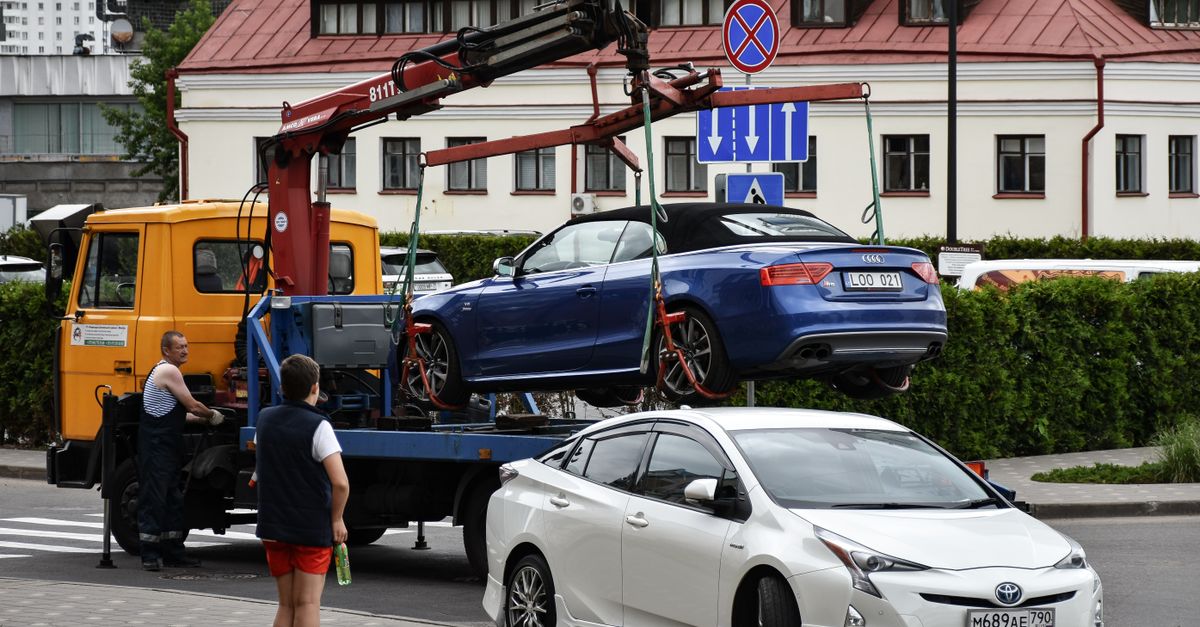


Discussion (0)
Be the first to comment!
Share your experience or ask questions about towing services.