
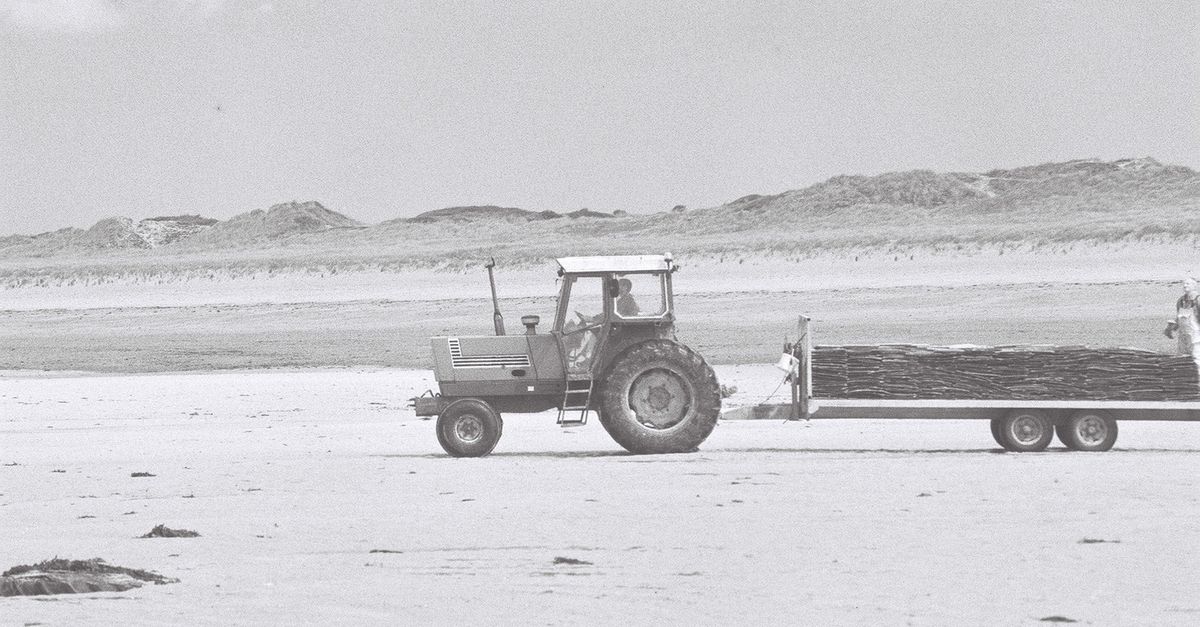
What's the Average Tractor Towing Cost in 2026?
Tractor towing costs aren't cheap. Most farmers pay between $150 and $500 for local towing jobs. Long-distance moves run $2 to $5 per mile depending on your location and equipment size.
Here's the thing: agricultural towing isn't the same as regular car towing. Tractors weigh more. They need special equipment. Your location matters too. A rural farm 30 miles from town costs more than a breakdown near the city.
Let me break down what affects your final bill so you can budget accurately.
How Does Equipment Size Impact Tractor Towing Costs?
Bigger tractors mean bigger bills. A compact tractor (under 50 HP) costs less to tow than a full-size model (100+ HP).
Tractor Size Breakdown
- Compact tractors (under 50 HP): $150-$300 local tow
- Mid-size tractors (50-100 HP): $250-$400 local tow
- Large tractors (100+ HP): $350-$500+ local tow
- Extra-large/specialized equipment: $500+ or custom quotes
Weight is the main factor. A small tractor might weigh 3,000 pounds. A large one? 15,000+ pounds. Heavier loads require stronger tow trucks and more fuel. That drives up your tractor towing cost.
Also consider attachments. Are you towing the tractor with a plow, baler, or combine attached? Attached equipment adds weight and complexity. Expect to pay extra—sometimes 15-25% more.
What Distance Charges Apply to Farm Equipment Towing?
Distance is where tractor towing costs really add up. Local jobs (under 10 miles) have flat rates. Anything beyond that? You're paying per mile.
Typical Distance-Based Pricing
- Local tow (under 10 miles): $150-$500 flat rate
- Regional tow (10-50 miles): $2-$4 per mile
- Long-distance tow (50+ miles): $3-$5 per mile
- Cross-state moves: Custom quotes ($1,500-$5,000+)
A 30-mile tow could cost $60 to $120 just for mileage. Add the base service charge, and you're looking at $250-$400. That's why getting quotes from multiple towing companies matters.
Rural areas typically charge more per mile. Tow trucks travel farther between jobs. Fuel costs are higher. Limited competition means less price pressure.
Which Towing Equipment Types Affect Your Final Price?
Not all tow trucks handle farm equipment the same way. The equipment your towing company uses directly impacts your tractor towing cost.
Common Farm Equipment Towing Methods
- Flatbed tow trucks: Best for tractors. $200-$450 local. Distributes weight safely.
- Heavy-haul rigs: For extra-large equipment. $300-$600+ local. Specialized operators required.
- Wheel-lift towing: Cheaper ($150-$300) but riskier for tractors. Not recommended.
- Rotator/rotary tow trucks: For difficult angles. $250-$500. More expensive but worth it.
Flatbed towing is your best bet for tractors. The equipment sits flat on the bed. No stress on the frame or axles. You'll pay more upfront, but you avoid damage that could cost thousands.
Heavy-haul operators charge premium rates because they need special licensing and insurance. If your tractor is oversized or needs to travel long distances, budget accordingly.
How Do Location and Terrain Affect Tractor Towing Rates?
Where you live shapes what you'll pay. Rural areas. Urban zones. Mountain terrain. All change the price.
Location-Based Cost Variations
- Rural farmland: $200-$400 local tow (limited providers)
- Suburban areas: $150-$300 local tow (more competition)
- Urban centers: $100-$250 local tow (many options)
- Mountainous regions: Add 20-40% to standard rates (difficult access)
- Muddy/unpaved roads: Add 15-30% (recovery equipment needed)
Rural farmers often pay the most. Fewer towing companies operate in farm country. Longer travel distances. Harder road conditions. These factors stack up fast.
Terrain matters too. Getting a tractor out of mud requires specialized equipment. Recovery winches. Air bags. All-terrain vehicles. That's extra cost on top of your base tractor towing cost.
What Time-of-Day and Emergency Charges Apply?
Call a tow truck at midnight? You'll pay for it. Emergency timing adds real money to your bill.
Emergency and After-Hours Surcharges
- Standard business hours (8 AM-6 PM): Base rate only
- After-hours (6 PM-8 AM): 25-50% surcharge
- Weekends: 20-40% surcharge
- Holidays: 50-100% surcharge
- Midnight emergency calls: 75-150% surcharge
A $300 daytime tow becomes $450-$600 at 2 AM. Plan ahead when possible. Schedule towing during business hours. You'll save money.
Some rural areas have only one or two towing companies on call 24/7. They know farmers need help anytime. They charge accordingly.
How Much Do Heavy-Haul and Specialized Towing Services Cost?
Standard tow trucks can't handle everything. Some farm equipment needs specialists.
Specialized Towing Service Pricing
- Heavy-haul (oversized equipment): $300-$800+ local
- Lowboy trailer transport: $400-$1,000+ per move
- Crane-assisted towing: $500-$2,000+ (includes crane rental)
- Permit and escort services: $200-$500 additional
- Route planning/surveying: $100-$300 consultation fee
Oversized farm equipment needs permits. Some roads can't handle the weight. Escorts guide traffic. Route planners find safe paths. These services add up.
A combine harvester might need heavy-haul transport. Budget $1,500-$3,000+ for local moves. Cross-state moves? $5,000-$15,000 easily. It's expensive, but it's the only safe option.
What Additional Fees Should You Expect Beyond the Base Cost?
Your tractor towing cost quote might leave out hidden charges. Know what extras could appear on your final invoice.
Common Hidden and Additional Fees
- Fuel surcharge: $25-$75 (added when gas prices spike)
- Waiting time: $50-$100 per hour (if you're not ready)
- Setup/equipment prep: $50-$150 (securing chains, straps)
- Recovery fee: $100-$500+ (if tractor is stuck or damaged)
- Insurance/liability: Included in rate or $25-$75 extra
- Toll roads: You pay actual tolls plus 15-20% handling fee
- Storage at destination: $25-$100 per day (if not picked up immediately)
Always ask about these upfront. A company quoting $300 might charge $450 after fuel surcharge, setup fees, and tolls. Get everything in writing before they hook up your tractor.
Recovery fees are the sneakiest. Your tractor stuck in a ditch? That's a recovery job. Standard tow rates don't apply. You might pay double or triple the normal rate.
How Do Insurance and Liability Coverage Factor Into Pricing?
Tractor towing involves valuable equipment. Insurance protects both you and the tow company.
Most professional towing companies carry general liability insurance. Some charge extra for additional coverage. Your tractor's value matters here. A $50,000 tractor needs more protection than a $5,000 one.
Here's a key point: check your own farm equipment insurance. Some policies cover towing. Others don't. Towing Insurance Coverage Guide: What's Covered and What's Not explains what's typically included. You might already be covered.
If your insurance covers towing, you might save hundreds. Always notify your insurance company about towing before it happens. Some insurers have preferred providers. Using them could reduce your out-of-pocket cost to $0 or a small deductible.
What Regional Price Differences Exist Across the United States?
Tractor towing costs vary dramatically by region. Midwest farms pay differently than Texas ranches or California operations.
Regional Tractor Towing Cost Comparison
- Midwest (Iowa, Illinois, Nebraska): $150-$350 local (lots of competition)
- Great Plains (Kansas, Oklahoma, Texas): $200-$400 local (longer distances between farms)
- Southeast (Georgia, North Carolina): $180-$380 local (hilly terrain)
- Mountain West (Colorado, Montana): $250-$500+ local (difficult terrain, fewer providers)
- California/Pacific Northwest: $200-$450 local (higher fuel costs)
- Northeast (New York, Pennsylvania): $150-$320 local (smaller farm operations)
The Midwest has the most towing competition. Farmers there typically pay less. Mountain states and isolated regions charge more.
Check Maximum Towing Rates by State 2026: Complete Price Guide for state-specific regulations. Some states cap towing rates. Others don't. This affects what you'll actually pay.
How Can You Get Accurate Tractor Towing Quotes?
Don't guess about tractor towing cost. Get real quotes from multiple companies. Here's how to do it right.
Steps to Get Accurate Towing Quotes
- Document your tractor details: Make, model, year, weight, and any attachments
- Identify your location: Get the exact address where pickup occurs
- Know your destination: Where's the tractor going? Distance matters
- Note the condition: Is it running? Stuck? Damaged? This affects the quote
- Contact 3-5 local towing companies: Call, don't email. Get specific prices
- Ask about all fees: Fuel surcharge, equipment fees, recovery charges
- Request it in writing: Email confirmations protect you
- Compare apples to apples: Same service, same equipment type
- Check reviews: Google, Yelp, BBB ratings matter
- Verify insurance: Ask for proof of liability coverage
Phone calls beat online forms. Towing companies can answer questions immediately. They understand your situation better. You'll get more accurate pricing.
Never accept the first quote. Competition drives prices down. Getting three quotes could save you $100-$300. That's worth 20 minutes of phone calls.
Find trusted towing providers on USA Tow Finder to connect with experienced companies near your farm.
What Budget Should You Set Aside for Farm Equipment Towing?
Smart farmers plan for towing costs. Here's a realistic budget framework.
Annual Towing Budget Recommendations
- Small operations (1-3 tractors): Budget $500-$1,500 annually
- Medium operations (4-10 tractors): Budget $1,500-$4,000 annually
- Large operations (10+ pieces): Budget $4,000-$10,000+ annually
- Emergency fund (unexpected recovery): Add 30-50% buffer
Most farmers don't need towing often. But when they do, costs hit hard. Setting aside emergency funds prevents financial stress.
Consider joining Best Roadside Assistance: Complete 2026 Guide programs. Some memberships include farm equipment towing. You might save money overall.
Preventive maintenance reduces towing needs. Regular inspections catch problems early. A $100 maintenance check beats a $400 emergency tow.
How Do You Choose Between Towing Companies for Farm Equipment?
Not all tow operators handle tractors well. Some lack experience. Others have poor equipment. Here's how to pick the right one.
Key Factors When Selecting a Farm Equipment Towing Company
- Agricultural experience: Ask how many tractors they've towed
- Equipment type: Do they have flatbeds? Heavy-haul rigs?
- Licensing: USDOT number for interstate moves
- Insurance coverage: General liability at minimum $1 million
- 24/7 availability: Breakdowns don't wait for business hours
- Local reputation: Ask other farmers and farm co-ops
- Response time: How quickly do they arrive?
- Transparent pricing: No hidden fees or surprise charges
Experience matters most. A company that's towed 1,000 tractors knows what they're doing. A company that's towed 10? You're their learning project.
Ask for references. Call other farmers they've towed. Real feedback beats marketing claims every time.
Check licensing. Interstate towing requires USDOT numbers. Local-only operators might be cheaper but can't legally move equipment across state lines.
What Are Common Mistakes That Increase Tractor Towing Costs?
Farmers sometimes make decisions that drive up their tractor towing cost unnecessarily. Here's what to avoid.
Costly Mistakes to Avoid
- Waiting until midnight to call: Emergency surcharges are brutal
- Not securing attachments: They shift and cause damage (recovery fees)
- Hiring the cheapest option: Low prices often mean low quality and damage
- Towing with wrong equipment: Wheel-lifts damage tractors—costs thousands in repairs
- Not checking insurance coverage: Missing out on claims you could've made
- Ignoring preventive maintenance: Breakdowns are more expensive than upkeep
- Accepting verbal quotes only: No written proof if prices change
- Overloading the tow truck: Illegal and dangerous—causes extra fees
Warning: Never use wheel-lift towing for tractors. It stresses the axles and frame. You'll pay $2,000-$10,000 in repairs. Flatbed towing costs more upfront but prevents damage.
Preventive maintenance is your best investment. Regular oil changes. Belt checks. Fluid inspections. These cost $100-$300 annually. Towing breakdowns cost $300-$500. The math is simple.
Frequently Asked Questions About Tractor Towing Costs
Farmers ask the same questions repeatedly. Here are answers to the most common ones.
Does my farm insurance cover tractor towing? Sometimes. Check your policy. Many farm policies include towing up to $250-$500. Some require you to use specific providers. Call your agent before you need towing.
Can I tow my own tractor with a pickup truck? Probably not safely. Most pickups max out at 10,000-14,000 pounds towing capacity. Tractors often weigh more. Even if your truck could handle the weight, you need proper hitch equipment and experience. Professional towing is safer and often cheaper than DIY attempts.
Why do rural areas charge more for tractor towing? Fewer tow companies operate there. They travel farther between jobs. Fuel costs are higher. Limited competition means less price pressure. Rural towing is a reality of farm life.
What's the difference between towing and recovery? Towing moves equipment from point A to point B. Recovery extracts stuck equipment. Recovery needs winches, air bags, and specialized skills. It costs significantly more—sometimes double or triple standard towing rates.
Can I negotiate tractor towing rates? Yes, especially for regular customers. If you need towing multiple times yearly, ask about discounts. Some companies offer 10-20% reductions for annual contracts or membership programs.
How much does it cost to tow a combine harvester? Combines are oversized. Budget $500-$1,500 for local moves. Long-distance? $3,000-$10,000+. Heavy-haul specialists are required. Permits and escorts add cost too.
What happens if my tractor gets damaged during towing? Professional companies carry insurance. Document everything with photos before towing starts. Get written damage reports immediately. Your farm insurance might cover it too. How to Choose a Reliable Tow Truck Company: Expert Guide 2026 explains what to expect from quality operators.
Are there seasonal price variations for farm equipment towing? Yes. Harvest season (fall) is busier. Tow trucks get more calls. Prices might increase 10-20%. Winter weather makes towing harder and more expensive. Spring and summer are usually cheaper.
Do I need special permits to move oversized farm equipment? Yes, for interstate moves and oversized loads. Permits cost $50-$300 depending on distance and weight. Escort vehicles might be required. Professional towing companies handle this. Budget for it.
What's the cheapest way to move a tractor across the country? Shipping companies sometimes offer lower per-mile rates than local tow trucks for long distances. Get quotes from both. For moves over 500 miles, shipping companies might be 30-50% cheaper. For under 200 miles, local tow trucks are usually better.
Key Takeaways for Budgeting Tractor Towing Costs
Tractor towing isn't a one-size-fits-all expense. Your final cost depends on equipment size, distance, location, and timing.
Expect $150-$500 for local moves. Long-distance jobs run $2-$5 per mile. Rural areas cost more. Emergency calls cost more. Specialized equipment costs more.
Always get quotes from multiple companies. Ask about all fees upfront. Choose experienced operators with proper equipment. Verify insurance coverage.
Plan ahead when possible. Schedule towing during business hours. Use flatbed trucks. Maintain your equipment regularly to prevent breakdowns.
Prices from providers like AAA, GEICO, Progressive, and State Farm are current as of 2026. We're not affiliated with these companies. They're mentioned for reference only.
Ready to find reliable towing for your farm equipment? Get a free towing quote and compare rates from experienced operators in your area. Smart farmers shop around. You should too.
Frequently Asked Questions
Need Emergency Towing Services?
Don't wait when you're stranded. Get professional help now.
Find Towing Services Near You


Discussion (0)
Be the first to comment!
Share your experience or ask questions about towing services.