
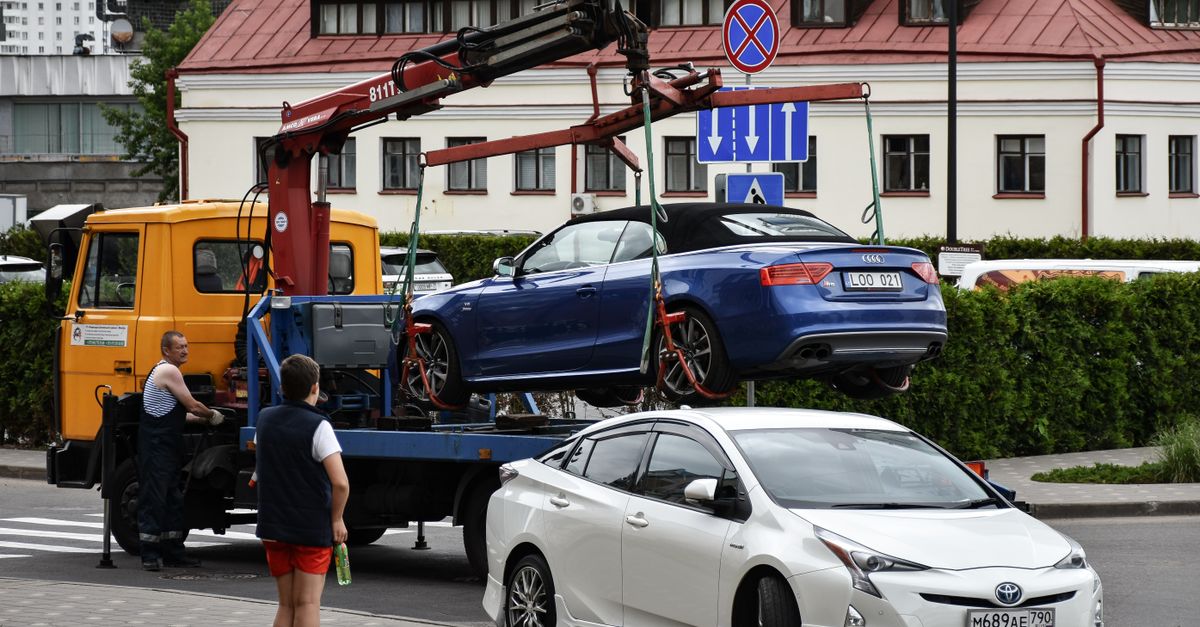
Philadelphia has strict towing laws that protect vehicle owners from predatory practices. If your car gets towed, you need to know your rights.
The city enforces regulations through the Philadelphia Police Department and the Department of Licenses and Inspections. These rules cover everything from parking violations to storage fees.
This guide explains what you need to know about Philadelphia towing laws, Historic District special rules, and how to protect yourself.
What Are Philadelphia Towing Laws?
Philadelphia towing laws set strict standards for how tow companies operate. They protect your vehicle and your wallet.
The city requires tow operators to be licensed and bonded. They must follow state regulations plus Philadelphia-specific rules. Without these protections, companies could charge whatever they want.
Key rules include written notices, itemized billing, and proof of authorization. Tow companies can't just grab your car without following the process.
Pennsylvania law, which covers Philadelphia, requires tow companies to post their rates publicly. You have the right to see charges before paying. This prevents surprise fees and hidden costs.
The Philadelphia Police Department oversees towing complaints. If a company violates the law, you can file a complaint. The city takes predatory towing seriously.
When Can a Tow Company Legally Tow Your Car?
Not every tow is legal. Tow companies need authorization to remove your vehicle from a property.
Police can order a tow if your car is parked illegally, abandoned, or involved in a crime. Private property owners can authorize tows if you're parked without permission. But they must post clear "No Parking" signs first.
Tow companies cannot take your car from a public street just because they want to. They need a valid reason and proper authorization.
If your car is booted or towed, the company must provide written notice. The notice must explain why your vehicle was removed and where to claim it.
Repo companies can tow vehicles if you've defaulted on a loan. But they must follow strict rules too. They can't breach the peace or trespass on private property without permission.
What Charges Are Legal in Philadelphia?
Pennsylvania law limits what tow companies can charge. Philadelphia enforces these limits strictly.
A basic tow in Philadelphia costs between $75 and $150, depending on the type of service. Flatbed tows cost more than wheel-lift tows. Learn more about how much towing costs in 2025.
Storage fees are capped at $15 to $25 per day in Pennsylvania. After 30 days, if you haven't claimed your car, the tow company can sell it. Check towing storage fees by state for the latest limits.
Administrative fees for paperwork are usually $25 to $50. But companies must itemize these. You have the right to see exactly what you're paying for.
Mileage charges vary. Some companies charge per mile. Others charge flat rates. The key is transparency — you must see the charges before you pay.
Warning: If a tow company charges more than the legal limit, you can dispute it. Keep all receipts and documentation.
Historic District Towing Rules and Restrictions
Philadelphia's Historic District has extra rules for towing. These protect the area's historic streets and buildings.
The Historic District covers about one square mile in Old City. It includes famous streets like Elfreth's Alley and areas around Independence Hall.
Tow companies operating in the Historic District must follow preservation guidelines. They can't damage historic streets or sidewalks. Heavy equipment must be approved before use.
Street access is limited in some Historic District areas. Narrow alleys and cobblestone streets restrict which vehicles can operate. Tow operators need special training to work there safely.
The Philadelphia Historical Commission reviews towing operations in protected areas. If a company damages historic property during a tow, they're liable for repairs.
Parking rules are stricter in the Historic District too. Violations result in faster towing. The city removes illegally parked cars more quickly to prevent congestion on narrow streets.
Your Rights When Your Car Gets Towed
You have legal rights when your vehicle is towed. Knowing them protects you from abuse.
First, you have the right to written notice. The tow company must explain why your car was removed and where to find it.
Second, you can inspect your vehicle before paying. The company must let you see your car and check for damage. Take photos or videos.
Third, you have the right to itemized charges. The bill must break down towing, storage, and any other fees. No hidden costs allowed.
Fourth, you can dispute charges within 30 days in Pennsylvania. File a complaint with the Philadelphia Police Department or the Attorney General's office.
Fifth, you have the right to reclaim your vehicle. Even if you disagree with charges, you can get your car back by paying the amount. Then dispute the bill later.
Learn more about your rights during a tow.
How to Dispute Illegal Towing Charges
If you believe a tow was illegal or charges are unfair, you can fight back.
Step 1: Gather Documentation — Collect your receipt, photos of your car, and any notices. Document everything about the tow.
Step 2: Check the Legal Limit — Compare your charges to Pennsylvania's legal limits. If the bill exceeds the cap, you have grounds to dispute.
Step 3: File a Complaint — Contact the Philadelphia Police Department's Non-Emergency Line at 311 or the Pennsylvania Attorney General's office. Explain why the tow was illegal or the charges are unfair.
Step 4: Request a Refund — Ask the tow company for a refund in writing. Keep a copy of your request.
Step 5: Escalate if Needed — If the company refuses, file a complaint with the Better Business Bureau or small claims court. You can recover overcharges plus interest.
For detailed steps, read our guide on how to dispute towing charges.
Predatory Towing and How to Avoid It
Predatory towing happens when companies operate outside the law. Philadelphia residents should know the warning signs.
Watch for tow companies that demand cash only. Legitimate companies accept credit cards and provide receipts. No receipt, no proof of payment.
Avoid companies that charge inflated storage fees or claim your car is "lost." If they can't locate your vehicle quickly, that's a red flag.
Be suspicious of tows from private lots with vague "No Parking" signs. The signs must be clearly visible and meet city standards. Bad signage can make a tow illegal.
Don't pay extra for "emergency" or "night" towing. Rates must stay within legal limits regardless of when the tow happens.
If you suspect predatory towing, report it immediately. Call the Philadelphia Police Department or visit our guide on spotting predatory towing.
Parking Violations and Towing in Philadelphia
Parking violations often lead to towing. Understanding the rules helps you avoid it.
Philadelphia bans parking in these areas without authorization:
- Fire hydrant zones (15 feet on either side)
- Bus stops and transit zones
- Handicap spaces without a valid permit
- Loading zones during restricted hours
- No Parking signs and street cleaning zones
- Double yellow lines
- Expired meter spaces
The city uses automatic license plate readers to find violations. Tow trucks can be dispatched within hours.
If your car is towed for a parking violation, you must pay the tow fee and the parking ticket. The average cost is $200 to $400 total.
You can contest a parking ticket through the Philadelphia Parking Authority. If you win, the tow charge may be waived.
Philadelphia Towing Company Licensing Requirements
Licensed tow companies must meet strict standards. This protects you from unqualified operators.
Every tow operator in Philadelphia needs a Department of Licenses and Inspections (L&I) license. The company must maintain insurance and bonding.
Licensed companies must display their rates publicly. They post charges at their facility and on their website. You can call ahead and ask about costs.
Operators must complete training on vehicle handling and safety. They learn how to tow different vehicle types without damage. Unlicensed tow companies skip this training.
Before hiring a tow service, verify their license. Ask for their L&I number. You can check the city's website to confirm they're legitimate.
Licensed companies carry liability insurance. If your car is damaged during towing, their insurance covers repairs. Unlicensed operators often have no insurance.
Storage Facilities and Your Vehicle's Safety
Once your car is towed, it goes to a storage facility. You need to know where it is and how it's protected.
The tow company must tell you the facility's location and hours. They must provide directions and a phone number.
Your vehicle must be stored securely. The facility should have fencing, lighting, and surveillance cameras. Your car is their responsibility while it's there.
Storage fees begin immediately. In Philadelphia, $15 to $25 per day is legal. After 30 days without payment, the facility can sell your car.
Before paying storage fees, inspect your vehicle. Check for new damage. Take photos. If the car was damaged in storage, the company is liable.
If you can't afford to retrieve your car right away, ask about payment plans. Some facilities offer extended payment terms.
Police-Ordered Tows and Your Options
When police order a tow, different rules apply. You still have rights, but the process is different.
Police order tows when a car is abandoned, parked illegally in a dangerous location, or involved in a crime. The police department arranges the tow, not you.
You'll receive a notice explaining why your car was towed. The notice includes the facility location and how to claim your vehicle.
Police-ordered tows still have legal rate limits. You can't be charged more than the standard rate, even though police authorized it.
If you believe the tow was illegal, you can challenge it. File a complaint with the Philadelphia Police Department's Internal Affairs division.
Learn more about police-ordered tows and what to do.
How to Find Your Towed Vehicle in Philadelphia
If your car is missing, it might be towed. Here's how to find it quickly.
Step 1: Call the Police — Contact the Philadelphia Police Non-Emergency Line at 311. Ask if your vehicle was towed. They'll tell you which facility has it.
Step 2: Contact the Facility — Call the tow lot immediately. Confirm your car is there and ask about charges and hours.
Step 3: Gather Your Documents — Bring your driver's license, vehicle registration, and insurance card. You'll need proof of ownership to claim your car.
Step 4: Inspect Before Paying — Go to the facility and look at your vehicle. Check for damage. Take photos or video of the condition.
Step 5: Pay and Retrieve — Pay the tow and storage fees. Get an itemized receipt. Then drive away.
If you can't find your car, contact the Philadelphia Police Department's Property Section. They maintain records of all towed vehicles.
Common Questions About Philadelphia Towing Laws
Here are questions we hear often about towing in Philadelphia.
Can a tow company charge for storage before I pick up my car? No. You only pay storage for days your car actually sits there. Once you pay the tow and storage fees, you get your car.
What if the tow company lost my car? This is rare but serious. If they can't locate your vehicle, they're liable for its value. Document everything and file a police report.
Can I get a refund if the tow was illegal? Yes. File a complaint with the Philadelphia Police Department or Pennsylvania Attorney General. You can recover overcharges in small claims court.
Are there tow companies that specialize in Historic District work? Yes. Some companies have training for narrow streets and historic preservation. Ask about their experience with the Historic District.
Can I dispute a tow after I've already paid? Yes. You have 30 days to file a dispute. You can recover your money if the tow was illegal or charges exceeded the legal limit.
Resources for Philadelphia Towing Complaints
If you need help, these resources can assist you.
Philadelphia Police Department (Non-Emergency): Call 311 to report illegal towing or file a complaint. They investigate violations and can order refunds.
Pennsylvania Attorney General's Office: File a complaint online at attorneygeneral.gov. They handle predatory towing cases statewide.
Philadelphia Department of Licenses & Inspections: Verify tow company licenses and report unlicensed operators. Call 311 for information.
Better Business Bureau: File a complaint with the BBB Philadelphia chapter. They mediate disputes between consumers and businesses.
Small Claims Court: Sue for overcharges or damages in Philadelphia Municipal Court. The filing fee is about $50. You can recover up to $10,000.
When you need a reliable tow service, find towing services near you on USA Tow Finder. We list licensed, reputable companies that follow Philadelphia towing laws.
Tips to Protect Yourself From Illegal Towing
Prevention is the best strategy. Follow these tips to avoid towing problems.
Tip 1: Park Legally — Always read parking signs carefully. If you're unsure, find a different spot. Legal parking prevents towing.
Tip 2: Keep Your Registration Current — Expired registration can trigger a tow. Renew online or at your local PennDOT office.
Tip 3: Know the Historic District Rules — If you work or live there, learn the parking zones. The rules are stricter than other neighborhoods.
Tip 4: Keep Your Insurance Card Handy — If your car breaks down and needs towing, you'll have proof of coverage. Learn about towing insurance coverage.
Tip 5: Document Everything — If your car is towed, take photos of the location, signs, and your car's condition. Keep all receipts and notices.
Tip 6: Know Your Rights — Read this guide before a problem happens. Knowing the law gives you confidence to challenge illegal tows.
For additional safety information, read our guide on what to do when your car breaks down.
Disclaimer: This is general information about Philadelphia towing laws, not legal advice. Laws change frequently. Check the Philadelphia Police Department website or contact the Pennsylvania Attorney General's office for the most current regulations. Prices from providers like AAA, GEICO, Progressive, and State Farm are current as of 2026. We're not affiliated with these companies.
Frequently Asked Questions
Need Emergency Towing Services?
Don't wait when you're stranded. Get professional help now.
Find Licensed Towing Services


Discussion (0)
Be the first to comment!
Share your experience or ask questions about towing services.