

Getting a flat tire at 2 AM on a deserted highway sounds like a nightmare. But 24/7 tire services exist to help exactly when you need them most. These round-the-clock tire providers handle emergencies whenever they happen.
Whether you need a quick patch or a full replacement, 24/7 tire services work around your schedule—not the other way around. Let's explore how they work, when you need them, and how much they cost.
What Are 24/7 Tire Services?
24/7 tire services are emergency tire assistance programs that operate around the clock. They respond to tire emergencies at any hour—midnight, early morning, holidays, weekends. You call, and a technician comes to you.
These services handle punctures, blowouts, sidewall damage, and tread wear issues. Some also offer tire replacements and rotations during off-hours. The goal is simple: get you safe and mobile again, fast.
Most 24/7 tire providers are independent shops, AAA members, or insurance-backed roadside assistance networks. They're staffed by trained technicians who carry equipment and spare tires in their vehicles. Many providers have expanded their services to include wheel balancing, valve stem replacement, and tire pressure monitoring system (TPMS) repairs—all available at any hour.
How Do 24/7 Tire Services Actually Work?
Here's the step-by-step process when you call for emergency tire help:
- Call your 24/7 tire provider or roadside assistance number (usually a dedicated hotline)
- Provide your location, vehicle details, and tire problem description
- Dispatcher confirms your location and estimates arrival time
- Technician arrives with tools and supplies for roadside repair
- Technician assesses the damage and performs the fix
- Pay the service fee and get a receipt
The entire process usually takes 15–45 minutes depending on damage severity and traffic. Most technicians carry plug kits, patches, air compressors, and spare tires for common vehicle sizes.
Some providers offer mobile tire shops—fully equipped vehicles that can handle repairs on-site. Others tow you to a nearby partner shop if damage is too severe. Advanced providers use GPS tracking to dispatch the closest technician, reducing wait times. Many also send real-time updates to your phone so you know exactly when help arrives.
When Should You Use 24/7 Tire Services?
Not every tire issue requires calling for emergency help. Here's when you should reach out:
- You're stranded on a highway or dangerous road
- You're traveling alone in an unfamiliar area
- The damage is too severe for a simple plug (sidewall puncture, multiple holes)
- You don't have a spare tire or jack
- It's dark, cold, or weather is unsafe for changing tires yourself
- You're driving a luxury or specialty vehicle (motorcycles, RVs, commercial trucks)
- You need a tire replacement but can't reach a shop
- You have a medical condition that prevents physical exertion
- You're driving a vehicle with run-flat tires that need professional assessment
If you're parked safely at home or work with daylight hours ahead? You can probably wait for a regular tire shop. But if you're unsafe or stranded? Call immediately.
What's the Cost of 24/7 Tire Services?
Emergency tire service costs vary based on location, time, and damage severity. Here's what you'll typically pay in 2026:
| Service Type | Average Cost | Notes |
|---|---|---|
| Emergency callout fee | $50–$100 | Charged just for dispatching a technician |
| Tire plug or patch | $15–$30 | Simple puncture repair on-site |
| Emergency tire replacement | $80–$200 | Varies by tire size and brand |
| Towing to shop | $75–$150 | If on-site repair isn't possible |
| After-hours surcharge | +25–50% | Applied for midnight to 6 AM calls |
| Valve stem replacement | $10–$20 | Often included with tire service |
| Wheel balancing | $20–$40 | Optional add-on after replacement |
Total emergency tire service typically costs $100–$300 depending on what's needed. If you need a full tire replacement, add $150–$400 per tire. Peak seasons (winter months and summer travel periods) may see 10–20% higher pricing due to increased demand.
Having roadside assistance coverage can reduce or eliminate these costs. Many insurance plans include tire service. Check your policy before paying out of pocket.
How to Find Reliable 24/7 Tire Providers Near You
Finding a trustworthy 24/7 tire service takes a bit of research. Here's how:
- Check your insurance or roadside assistance membership first (AAA, GEICO, Progressive, State Farm all offer tire coverage)
- Search Google Maps for "24 hour tire service near me" or "emergency tire repair"
- Read customer reviews on Google, Yelp, and Trustpilot (look for 4+ stars and recent feedback)
- Call ahead and ask about response times, pricing, and what's included
- Verify they're licensed and insured (ask for proof)
- Check if they offer mobile service or require towing
- Ask about their technician training and certifications
- Inquire about warranty on repairs or replacements
Save your chosen provider's number in your phone contacts before you need it. Write it down too—dead batteries happen at the worst times.
You can also use USA Tow Finder to locate trusted towing and tire service providers in your area. Many partner shops offer 24/7 tire assistance alongside their towing services.
What's Covered Under 24/7 Tire Insurance?
Your coverage depends on your insurance provider and plan. Here's what major companies typically cover:
AAA Membership: Covers tire service calls, towing, and lockout assistance. Basic membership includes one service call per year. Plus membership adds four service calls annually.
GEICO Roadside Assistance: Covers towing up to 100 miles, lockouts, fuel delivery, and tire changes. Optional add-on to your policy, typically $5–$8 monthly.
Progressive Roadside Assistance: Includes towing, lockouts, fuel delivery, and tire service. Usually $5–$10 monthly with flexible coverage limits.
State Farm Roadside Assistance: Covers towing, lockouts, and roadside repairs. Available as an optional endorsement, averaging $6–$12 annually.
Prices from providers like AAA, GEICO, Progressive, and State Farm are current as of 2026. We're not affiliated with these companies.
Read your policy details carefully. Some plans cover only towing, not tire service. Others limit the number of free calls per year. Know what you're paying for.
DIY Tire Repair vs. Professional 24/7 Service: When to Choose Each
You can patch a tire yourself in some situations. But professional help is safer and better in most cases.
DIY works if: You're home or at work, the puncture is small (under 1/4 inch), it's in the tread area only, and you have a plug kit and pump.
Call 24/7 service if: You're on the highway, damage is large or in the sidewall, you're uncomfortable changing tires, or it's dark or raining.
Professional technicians have better tools and expertise. They can assess whether a tire is truly repairable or needs replacement. That peace of mind is worth the cost.
Learn more about when to call a professional versus DIY fixing to understand your options better.
Emergency Tire Kit: What to Keep in Your Vehicle
Even with 24/7 service available, carrying a basic tire kit helps you handle minor issues yourself:
- Tire plug kit (rubber strips and adhesive for puncture repair)
- Portable air compressor or tire plug pump
- Tire pressure gauge (digital or analog)
- Flashlight with extra batteries
- Work gloves and a small towel
- Emergency contact numbers written down (not just in your phone)
- Jumper cables or portable jump starter
- Basic tool set (screwdrivers, pliers, adjustable wrench)
- Reflective warning triangles or flares
- First aid kit for minor cuts or scrapes
Keep this kit in your trunk year-round. It weighs only a few pounds and could save you hours of waiting for help. For more essentials, check out our emergency roadside kit guide.
Tire Damage Types: What Can Be Repaired vs. Replaced?
Not all tire damage can be fixed. Here's what technicians look for:
Repairable damage: Small punctures in the tread (under 1/4 inch), slow leaks from valve stems, and minor bead issues. These can usually be patched for $15–$40.
Not repairable: Sidewall punctures, cracks, or cuts. Bulges or blisters on the tire. Multiple punctures. Damage from hitting a pothole. These require replacement.
Age-related wear: Tires older than 6 years should be replaced regardless of tread depth. Rubber degrades over time.
Professional technicians use industry standards (TREAD Act guidelines) to decide what's fixable. They won't patch a tire that's unsafe—they'll recommend replacement instead.
How to Prevent Tire Emergencies Before They Happen
Prevention is your best defense against 24/7 tire emergencies. Here's what to do:
- Check tire pressure monthly (correct PSI is on your driver's door jamb)
- Rotate tires every 5,000–7,000 miles
- Inspect tread depth (use the penny test: stick a penny into tread with Lincoln's head down—if you see the top of his head, tread is too low)
- Avoid potholes and debris on roads when possible
- Drive at safe speeds in bad weather
- Avoid overloading your vehicle (excess weight stresses tires)
- Replace tires every 3–5 years (even with good tread)
- Get wheel alignments checked annually
- Monitor tire temperature during long drives (overheating causes blowouts)
- Keep spare tire properly inflated and accessible
Regular maintenance prevents 80% of tire emergencies. A $20 tire rotation today beats a $200 emergency repair at midnight.
If you're unsure about your vehicle's tire needs, find a reliable service provider who can help. Many shops offer free tire inspections.
Regional Differences: 24/7 Tire Service Varies by Location
Tire service availability and pricing differ across the United States. Urban areas have more options. Rural areas might have longer response times.
Urban areas: Multiple 24/7 providers, faster response (15–30 minutes), competitive pricing, more brand options.
Suburban areas: Fewer providers, moderate response times (30–45 minutes), moderate pricing, limited tire brand selection.
Rural areas: Very few dedicated 24/7 services, longer response times (1–2 hours), higher pricing, may require towing to distant shops.
Check state-specific towing and service regulations too. Some states cap emergency service fees. See our guide to towing laws by state for details on your area.
Frequently Asked Questions About 24/7 Tire Services
Can 24/7 tire services replace specialty tires? Most can replace standard passenger car tires. Specialty tires (run-flat, off-road, performance) might require towing to a dealer. Ask when you call.
What if I'm stranded in a remote area? Call your provider immediately. They may tow you to the nearest shop rather than repair on-site. This takes longer but gets you safe.
Do 24/7 tire services accept credit cards? Most do, but cash is safer if your phone is dead. Carry $200–$300 cash for emergencies.
Can I use 24/7 tire service for RVs or trucks? Some can. Ask about vehicle compatibility when choosing a provider. Specialty vehicles may need specialized shops.
Is tire patching permanent? Plugged tires are temporary fixes. They're safe for 25–50 mph driving but should be replaced within a few days. Don't drive highway speeds on plugged tires.
What if damage happens during a holiday? 24/7 services operate on holidays. You'll pay standard rates. Some add holiday surcharges (10–25% extra).
Can I claim 24/7 tire service on insurance? Depends on your coverage. Roadside assistance plans usually cover it. Standard auto insurance doesn't. Check your policy.
How long does emergency tire replacement take? On-site replacement takes 20–40 minutes. If towing is needed, add travel time (varies by distance).
Do I need to stay with my car during service? Yes, for your safety and to answer questions about the vehicle. Stay in your car or nearby safe location if on a highway.
What should I do while waiting for help? Turn on hazard lights, move away from traffic if safe, and stay in your vehicle if on a highway. Don't attempt roadside repairs on busy roads.
Comparing 24/7 Tire Services to Other Roadside Assistance Options
24/7 tire service is one part of broader roadside assistance. Here's how it compares:
24/7 Tire Service: Specialized tire repairs and replacements. Focused. Best for tire-specific problems. Average cost: $100–$300 per call.
Full Roadside Assistance: Covers towing, lockouts, fuel delivery, and tire service. Broader coverage. Best for overall protection. Average cost: $5–$15 monthly.
Towing Services: Primarily towing to shops. Good for major mechanical issues. Not specialized for tires. Cost: $75–$200 per tow.
Most drivers benefit from full roadside assistance that includes tire service. It's cheaper long-term and covers more emergencies. See our complete pricing guide for towing costs to compare options.
You can find comprehensive roadside assistance through USA Tow Finder's network of trusted providers. Many offer bundled services at better rates than buying separately.
Key Takeaways: When and How to Use 24/7 Tire Services
24/7 tire services exist for genuine emergencies. They're expensive but invaluable when you're stranded or unsafe.
Use them if: You're on a highway, it's dark or dangerous, damage is severe, or you're uncomfortable changing tires yourself.
Skip them if: You're home safely, damage is minor, and you have time to visit a regular shop during business hours.
Cost reality: Expect $100–$300 for emergency service, plus tire costs. Insurance or roadside assistance can reduce this significantly.
Prevention wins: Monthly tire checks, regular rotations, and replacing old tires prevent most emergencies. Spend $50 on maintenance now to avoid $300 emergencies later.
Save provider numbers in your phone today. Don't wait for a flat tire at 2 AM to start searching. Being prepared means you'll stay calm and safe when emergencies happen.
Frequently Asked Questions
Need Emergency Towing Services?
Don't wait when you're stranded. Get professional help now.
Find 24/7 Tire Services Near You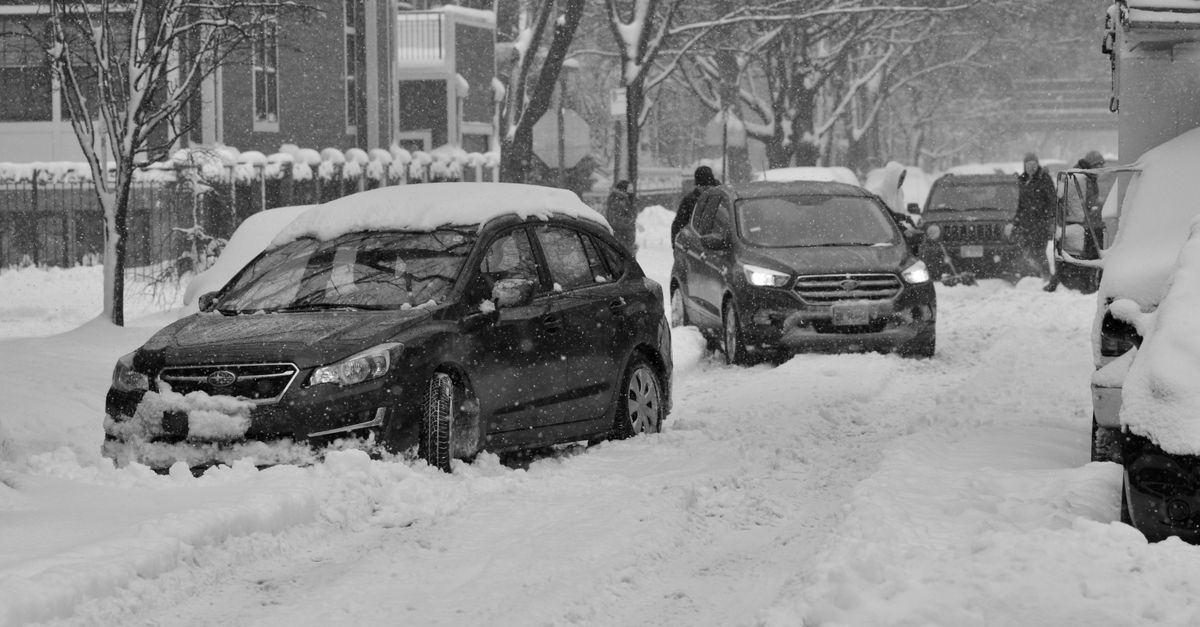

Discussion (0)
Be the first to comment!
Share your experience or ask questions about towing services.