
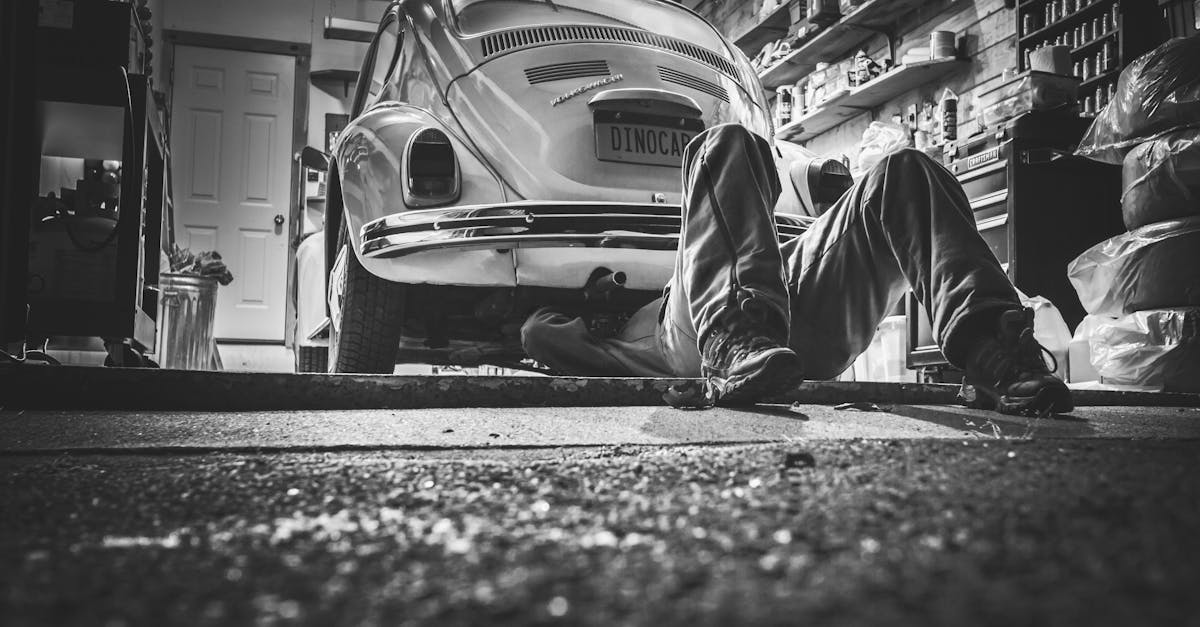
Your car breaks down at 2 AM on a Sunday. You need help now, not tomorrow morning. Car repair 24 hours exists, but finding it requires knowing where to look and what to expect. This guide shows you exactly how to access emergency repair services, compare your options, and avoid overpaying for urgent fixes.
What Is 24-Hour Car Repair and How Does It Work?
Car repair 24 hours means mechanics are standing by to fix your vehicle any time—day, night, weekends, holidays. These shops stay open round-the-clock to handle emergencies. Think of them as emergency rooms for cars.
Most 24-hour repair shops fall into three categories. First, dedicated emergency repair facilities in major cities. Second, mobile mechanics who come to you. Third, dealerships with after-hours service teams. Each operates differently and charges differently.
The catch? You'll pay more. After-hours work costs extra. Staffing overnight crews isn't cheap. Expect to pay 50-100% premium rates for midnight repairs versus daytime service. A $200 repair might cost $300-400 at 3 AM.
Where Can You Find 24-Hour Car Repair Services?
Finding open mechanics at midnight sounds hard. It's not—if you know where to search. Here are your real options.
Emergency Repair Shops
Major cities have dedicated 24-hour repair facilities. These shops stay open every single day. They handle routine fixes and basic diagnostics. Look for shops advertising "24-hour emergency repair" or "open 24/7." Call ahead to confirm they handle your vehicle type.
Roadside Assistance Programs
AAA, GEICO, Progressive, and State Farm all offer 24-hour roadside help. These programs send a technician to your location. They can jump-start your battery, patch tires, unlock doors, and arrange towing. You don't go to a shop—they come to you. Prices from providers like AAA, GEICO, Progressive, and State Farm are current as of 2026. We're not affiliated with these companies.
Mobile Mechanics
Mobile mechanics travel to your home or office. They work flexible hours, including nights and weekends. Apps like YourMechanic and Fiix connect you with certified technicians instantly. They handle basic repairs, diagnostics, and maintenance. Not all fixes work on-site, but many do.
Car Dealerships
Many dealerships offer after-hours service. Call your dealer's emergency line. They might fit you in or recommend an affiliated shop. Dealership after-hours rates are typically higher than regular service.
Tow and Repair Combinations
Some towing companies partner with repair shops. They tow you to a facility, then repair your car. This works well if you can't drive safely. You'll pay towing plus repair costs. Check USA Tow Finder to locate towing services near you that offer repair partnerships.
How Much Does 24-Hour Car Repair Actually Cost?
Pricing for car repair 24 hours depends on several factors. Time of day, repair complexity, and your location all matter. Understanding the cost structure helps you budget and avoid surprise bills.
Base Service Rates
Most shops charge an hourly rate. Daytime rates run $80-150 per hour in most US markets. Nighttime rates jump to $120-250 per hour. Some shops charge flat emergency fees instead—typically $50-150 on top of repair costs.
Parts and Diagnostics
Parts cost the same 24/7. A replacement alternator costs $200 whether you need it at noon or midnight. But diagnostic fees might be higher after hours. Some shops charge $100-200 just to diagnose the problem at night.
Towing Fees
If your car won't run, you'll need towing. How Much Does Towing Cost in 2025? Complete Pricing Guide breaks down typical charges. Expect $75-150 for local towing. Nighttime towing costs more—sometimes 20-50% premium.
Sample 24-Hour Repair Costs
- Dead battery jump-start: $50-100
- Tire patch or replacement: $100-300
- Oil change: $50-100
- Alternator replacement: $300-600
- Engine diagnostics: $150-250
- Transmission fluid flush: $150-300
Add 50-100% to these prices for after-hours service. A $100 oil change becomes $150-200 at 2 AM.
What Types of Repairs Can You Get 24/7?
Not every repair is possible at 3 AM. Some fixes require specialty shops. Understanding what's available helps you set realistic expectations.
Repairs Available Around the Clock
- Battery replacement and jump-starts
- Tire repairs, patches, and replacements
- Fluid top-ups and changes
- Basic diagnostics and scanning
- Alternator replacement
- Starter motor work
- Brake pad replacement
- Hose and belt repairs
- Electrical troubleshooting
- Lockout services
Repairs Requiring Daytime Service
Some jobs need specialty equipment or expertise. Transmission rebuilds, engine work, and body repairs usually wait until morning. Complex diagnostics might too. If you need transmission service, most shops recommend waiting unless it's a complete breakdown.
Certain parts aren't stocked after hours either. If your car needs a rare component, the shop might order it and schedule work for the next day anyway.
How to Choose Between 24-Hour Repair and Towing Services
Should you get repairs on-site or tow your car? This decision affects cost, safety, and convenience. Here's how to decide.
Get Repairs on-Site If
- Your car can be safely driven to a shop
- The repair is simple (battery, tire, fluid)
- You're close to a 24-hour facility
- Repair costs are less than towing plus after-hours rates
- Your insurance covers roadside repair
Call a Tow Truck If
- Your car won't start or move safely
- You're stranded on a busy highway
- The breakdown happened in bad weather
- You're unsure what's wrong with the car
- You need What to Do When Your Car Breaks Down: Complete Safety Guide (read this first)
- The nearest open shop is far away
Safety comes first. Never drive on a flat tire for miles to save money. Never operate a car with brake failure. If you're unsafe, tow. The extra cost beats the risk.
How Do Mobile Mechanics Compare to Traditional 24-Hour Shops?
Mobile mechanics are growing fast. They offer convenience but have limits. Here's how they stack up.
Mobile Mechanic Advantages
- Come to your location (home, work, roadside)
- Flexible scheduling—nights and weekends
- No waiting in a lobby
- Often cheaper than shop rates
- Good for basic repairs and diagnostics
Mobile Mechanic Limitations
- Can't handle major engine or transmission work
- Limited lift equipment and tools
- Weather-dependent (won't work in heavy rain)
- Availability varies by location
- No warranty on parts (sometimes)
- Not ideal for complex diagnostics
Mobile mechanics work best for simple 24-hour repairs. Battery issues, tire changes, and basic diagnostics are perfect jobs. Major work? Stick with a traditional shop.
What Does Roadside Assistance Actually Cover?
Roadside assistance programs handle many breakdowns without repair shop visits. Understanding coverage prevents surprises.
Standard Roadside Coverage
- Towing (usually 5-10 miles, sometimes unlimited)
- Jump-starts and battery service
- Fuel delivery
- Lockout assistance
- Tire changes
- Winch-outs (stuck vehicles)
What's Usually NOT Covered
- Mechanical repairs beyond basic fixes
- Parts replacement (except simple items)
- Labor at repair shops
- Multiple tows in one year (limits apply)
- Towing for non-emergency reasons
Check your policy details. AAA, GEICO, Progressive, and State Farm all have different coverage limits. Most plans cost $50-150 yearly. That's cheap insurance against a $150+ towing bill.
If you have roadside coverage, use it. That's what you're paying for. Call before trying DIY fixes that might void coverage.
Step-by-Step: How to Get 24-Hour Car Repair When You Break Down
Panic doesn't help. Follow these steps to get professional help quickly and safely.
Step 1: Move to Safety
If you're on a busy road, turn on hazard lights and move to the shoulder. Get out of traffic. If you can't move safely, stay in the car with seatbelt on. Call for help from inside.
Step 2: Assess the Situation
What's wrong? Engine smoking? Won't start? Flat tire? Brake failure? Listen to sounds. Smell for burning. This info helps dispatchers and mechanics. Note the time, location, and symptoms.
Step 3: Call for Help
Your options in order: (1) Roadside assistance program if you have one. (2) Your car's manufacturer roadside service. (3) Local towing company. (4) Police non-emergency line if you're in danger. Never leave a disabled car unattended on a highway.
Step 4: Provide Clear Information
Tell the dispatcher: your exact location (GPS coordinates help), vehicle year/make/model, the problem, and whether it's safe to stay in the car. Ask estimated arrival time. Ask for confirmation of service provider name and ETA.
Step 5: Document Everything
Take photos of your car's location, the problem (if visible), and any damage. Note the time you called and arrival time of help. Get the service provider's name, company, and phone number. This matters if you need to dispute charges later.
Step 6: Decide: Repair On-Site or Tow?
When help arrives, ask if they can fix it roadside. Simple fixes (battery, tire, fluids) often work on-site. Complex issues require towing. Ask for a cost estimate before agreeing. If the price seems high, you can decline and call another shop.
Step 7: Get Everything in Writing
Request an invoice showing work performed, parts used, labor time, and total cost. Ask for warranty on parts and labor. Keep receipts. If you dispute the charge later, documentation is everything.
What Should You Know About Insurance and 24-Hour Repairs?
Insurance affects what you pay for emergency repairs. Understanding coverage saves money.
Roadside Assistance Coverage
Most auto insurance policies offer roadside assistance as an add-on. It costs $5-15 monthly. Coverage includes towing, jump-starts, lockouts, and fuel delivery. Towing Insurance Coverage Guide: What's Covered and What's Not explains all the details.
Comprehensive and Collision Coverage
These policies sometimes cover towing to a repair facility. Check your policy. Some plans include $100-500 in annual towing coverage. Others don't cover towing at all.
Warranty Coverage
New cars usually have manufacturer warranties. If your car fails within warranty, repairs might be free at a dealership. Check your warranty booklet. It might cover 24-hour roadside service too.
Pro tip: Before paying for emergency repair, call your insurance company. Ask if they cover the cost or can recommend an approved shop. Some insurers have networks of preferred providers with better rates.
Red Flags: When to Avoid Certain 24-Hour Repair Services
Not all 24-hour repair shops are reputable. Knowing the warning signs protects you from overcharging and bad work.
Red Flags to Watch For
- No written estimate. Always get prices in writing before work starts.
- Pressure to pay immediately. Legitimate shops give invoices. Pay after service, not before.
- No warranty on work. Reputable shops guarantee labor for 30-90 days.
- Vague about what's being fixed. A good mechanic explains exactly what's wrong and why.
- Recommending work you didn't ask for. Beware of shops pushing unnecessary repairs.
- No verifiable business license. Ask for their license number and verify it.
- Prices significantly higher than quotes. If the final bill is 50%+ more than estimated, something's wrong.
Warning: Some towing companies partner with sketchy repair shops that overcharge stranded drivers. Check Predatory Towing: How to Spot and Fight It to protect yourself. If a shop seems dishonest, decline service and call another provider.
How to Prepare Your Car to Avoid Midnight Breakdowns
Prevention beats emergency repair every time. Simple maintenance stops most breakdowns cold.
Maintenance That Prevents 24-Hour Emergencies
- Battery checks: Test battery health yearly. Replace every 3-5 years.
- Tire maintenance: Rotate every 5,000 miles. Check pressure monthly. Replace at 4/32" tread depth.
- Fluid levels: Check oil, coolant, and brake fluid monthly. Top off as needed.
- Belts and hoses: Inspect yearly. Replace if cracked or leaking.
- Brakes: Listen for squeaking. Have pads checked annually.
- Electrical system: Test alternator and starter yearly.
Read Emergency Roadside Kit Essentials: Must-Have Items for 2026 for supplies that help during breakdowns. A jump-start pack, tire plugs, and basic tools handle many small emergencies yourself.
Regular Service Intervals
Follow your manufacturer's service schedule. Oil changes every 5,000-10,000 miles. Transmission fluid every 30,000-60,000 miles. These boring tasks prevent expensive breakdowns. A $50 oil change beats a $3,000 engine repair.
FAQ: Common Questions About 24-Hour Car Repair
Is 24-hour car repair always more expensive?
Usually yes. After-hours work costs 50-100% more. But sometimes it saves money. If you're stranded far from home, a local midnight repair is cheaper than towing 50 miles. Compare costs before deciding.
Can I use my regular mechanic for 24-hour repairs?
Probably not. Most independent shops close at night. Ask your mechanic if they offer after-hours service or can recommend a partner shop. Dealerships more often have overnight staff.
What if I can't afford the repair right now?
Ask the shop about payment plans. Some offer financing for repairs over $500. Credit cards work too. If your car is safe to drive, you might wait until morning for better rates. But never skip safety-critical repairs like brakes.
Does roadside assistance cover all towing?
No. Most plans cover 5-10 mile tows. Long-distance towing costs extra. Check your policy limits. Some plans offer unlimited towing but require membership renewal.
Can mobile mechanics fix my transmission at night?
Rarely. Transmission work requires a shop with a lift and specialty tools. Mobile mechanics handle basic repairs only. For major work, you need a traditional shop.
What if the 24-hour shop overcharges me?
Document everything and dispute the charge with your credit card company. Contact your state's attorney general office. Read How to Dispute Towing Charges: Step-by-Step Guide for detailed steps. Many states regulate repair shop pricing.
Is it safe to drive after a nighttime repair?
Ask the mechanic. For simple fixes (battery, tire, fluid), yes. For major work, ask for a test drive with the mechanic first. If you're unsure, stay put until morning and have another shop inspect the work.
Do I need an appointment for 24-hour repair?
No. That's the point—they're always open. Call ahead to confirm they can handle your issue and get an estimate. Some shops take walk-ins; others require phone calls.
What's the difference between roadside assistance and towing?
Roadside assistance handles minor problems on-site (jump-start, tire change). Towing moves your car to a shop. You might need both: roadside help first, then towing if the problem is serious.
Can I negotiate 24-hour repair prices?
Sometimes. Ask for a discount if you're a regular customer or pay cash. But expect less negotiating room after hours. Shops know you're desperate. Get quotes from multiple providers before committing.
Key Takeaways on 24-Hour Car Repair
Car repair 24 hours is available through emergency shops, mobile mechanics, roadside assistance, and dealerships. Expect to pay 50-100% more for nighttime service. Simple repairs work on-site; complex jobs require towing. Roadside assistance programs save money—use them if you have coverage. Prevent breakdowns with regular maintenance. When you do break down, stay safe first, then call for help. Document everything and dispute overcharges. Find trusted towing providers on USA Tow Finder that offer repair partnerships in your area.
Your car won't break down at a convenient time. But knowing your 24-hour options means you'll handle it calmly and affordably.
Frequently Asked Questions
Need Emergency Towing Services?
Don't wait when you're stranded. Get professional help now.
Find 24-Hour Towing Services Near You


Discussion (0)
Be the first to comment!
Share your experience or ask questions about towing services.