
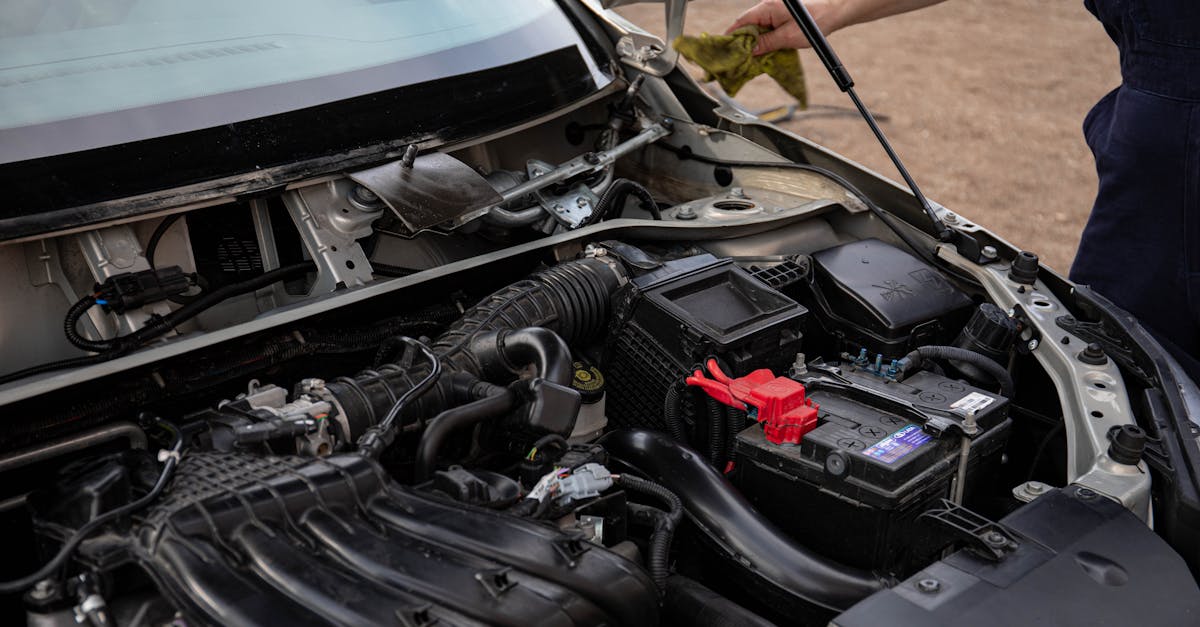
What Causes a Dead Car Battery?
Your car battery dies for several reasons. The most common culprit is leaving your lights, radio, or air conditioner running while the engine's off.
Cold weather makes it worse. Batteries lose power faster in freezing temps. An old battery—usually past five years—won't hold a charge as well either.
Bad alternators also kill batteries. Your alternator charges the battery while you drive. If it fails, your battery drains completely.
How Do You Know Your Battery Is Dead?
A dead car battery shows clear warning signs. Your engine won't crank when you turn the key. You'll hear a rapid clicking sound instead of the engine turning over.
Other signs include dim dashboard lights, a burning smell near the battery, or corrosion (white, blue, or green powder) on the battery terminals.
Sometimes your lights work fine, but your engine still won't start. That's often a battery problem too.
Additional warning signs to watch for include a swollen or bloated battery case, which indicates internal damage or overcharging. You might also notice that electrical components like power windows or seat adjusters operate more slowly than normal. In some cases, you'll smell rotten eggs coming from under the hood—this sulfur smell indicates battery acid leaking or internal chemical breakdown. If your car starts inconsistently, requiring multiple attempts to turn over, your battery is likely weakening and needs replacement soon.
Can You Jump-Start a Dead Car Battery Yourself?
Yes, you can jump-start a dead battery if you have jumper cables and another vehicle nearby. Here's how to do it safely.
Step-by-Step Jump-Start Instructions
- Park the helper vehicle close to yours—about 18 inches away.
- Turn off both engines completely.
- Locate both battery terminals on both cars.
- Attach the red clamp to your dead battery's positive terminal (+).
- Attach the other red clamp to the helper car's positive terminal.
- Attach the black clamp to the helper car's negative terminal (-).
- Attach the final black clamp to an unpainted metal surface on your engine—not the negative terminal.
- Start the helper vehicle's engine and let it run for 2-3 minutes.
- Start your engine. It should turn over now.
- Remove the clamps in reverse order: your black, helper black, helper red, your red.
- Drive for at least 20 minutes to recharge your battery.
Warning: Never jump-start a battery that's cracked, leaking fluid, or extremely hot. Call for professional help instead.
When jump-starting, make sure both vehicles are parked on level ground away from traffic. Wear safety glasses if available, as battery acid can splash during the process. If the jumper cables spark excessively when connecting, disconnect them immediately and reposition them—sparking indicates improper connection. Never smoke or use open flames near a battery, as hydrogen gas released during charging is highly flammable. After successfully jump-starting, avoid turning off your engine for at least 20-30 minutes to ensure the battery receives adequate charge from the alternator.
What If Jump-Starting Doesn't Work?
Sometimes a jump-start won't revive your dead battery. This usually means your battery is completely dead or damaged beyond recovery.
You might have a deeper electrical problem too. Bad alternators, damaged wiring, or faulty starters can prevent a jump-start from working.
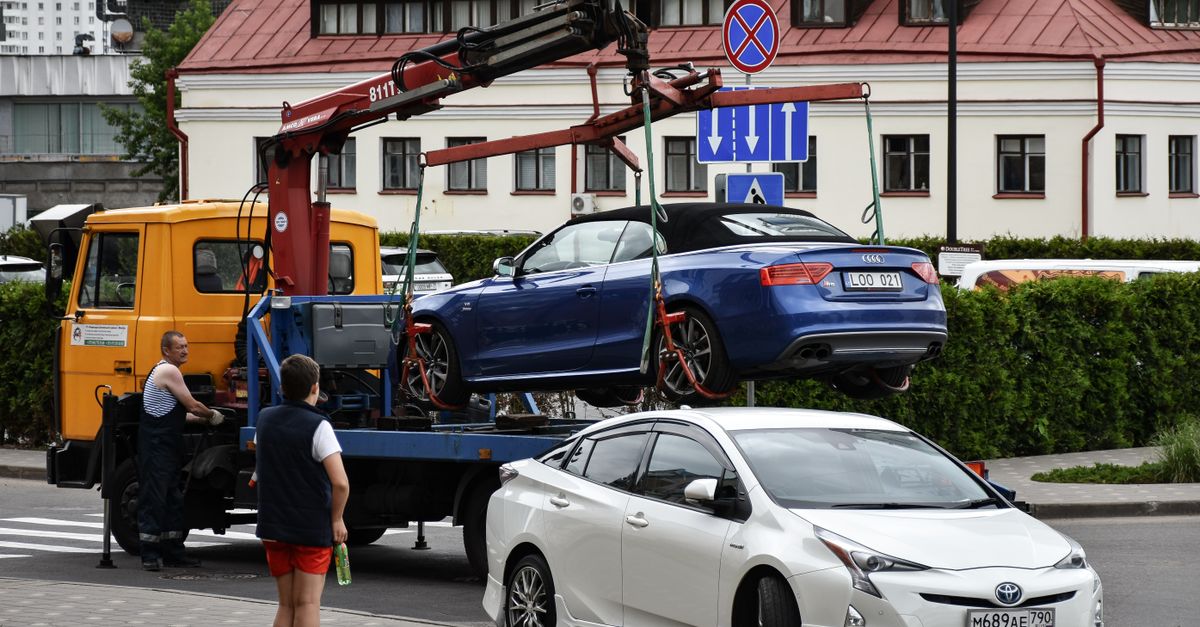
When jump-starting fails, it's time to call a tow truck. Professional services can tow you to a mechanic or auto parts store for a battery replacement. Find trusted towing providers on USA Tow Finder to get help fast.
How Much Does a New Car Battery Cost?
A standard car battery costs between $100 and $200 for most vehicles. Premium batteries run $200 to $400.
Installation usually adds $50 to $100 in labor if you visit a shop. Many auto parts stores install batteries free if you buy from them.
Luxury vehicles and hybrid cars cost more. Some batteries for luxury cars exceed $500 before installation.
You can learn more about How Much Does Towing Cost in 2025? Complete Pricing Guide if you need a tow to the repair shop.
Battery prices vary by brand, capacity, and cold cranking amps (CCA) rating. Interstate, Optima, and DieHard are popular premium brands that cost more but last longer. Budget brands from Walmart or auto parts stores are cheaper but may have shorter lifespans. Some retailers offer core charges—discounts of $10-20 when you trade in your old battery. This incentivizes proper battery recycling. Compare prices online before visiting stores, as prices fluctuate seasonally. Winter months often see higher prices due to increased demand.
Can You Replace a Dead Car Battery Yourself?
Yes, replacing a battery is straightforward if you're comfortable working on cars. Most people can do it in 15-30 minutes.
DIY Battery Replacement Steps
- Turn off your engine and wait 5 minutes.
- Locate the battery under the hood.
- Disconnect the negative terminal first (black cable).
- Disconnect the positive terminal (red cable).
- Remove the battery hold-down bracket or clamp.
- Lift the old battery out carefully—batteries are heavy.
- Place the new battery in the same position.
- Reconnect the positive terminal first (red).
- Reconnect the negative terminal (black).
- Secure the hold-down bracket.
- Close the hood and test your engine.
Buy your battery from an auto parts store. Staff there can test your old battery and help you pick the right replacement.
Tip: Keep the receipt. Most batteries come with 3-5 year warranties.
How Long Does a Car Battery Last?
Most car batteries last between 3 and 5 years. Cold climates shorten battery life because freezing temps drain power faster.
Hot climates also wear batteries quicker. Heat speeds up chemical reactions inside the battery, causing faster degradation.
Your driving habits matter too. Frequent short trips don't give your alternator enough time to fully recharge the battery.
After three years, have your battery tested annually. This catches weak batteries before they leave you stranded.
Battery Maintenance: Prevent Future Dead Battery Problems
Simple maintenance keeps your battery healthy and extends its life significantly.
Essential Battery Care Tips
- Check battery terminals monthly for corrosion or loose connections.
- Clean white, blue, or green corrosion with a wire brush and baking soda solution.
- Keep battery terminals tight—loose connections prevent charging.
- Avoid leaving lights, radios, or AC running when the engine's off.
- Drive regularly. Short trips don't charge batteries fully.
- Test your battery annually after three years of use.
- Replace old batteries before they fail completely.
- Avoid extreme heat and cold when possible.
- Use a battery tender or trickle charger if storing your vehicle long-term.
- Keep your alternator in good working condition with regular maintenance checks.
Many auto shops offer free battery tests. Take advantage of this service annually.
What Drains Your Car Battery When Parked?
Several things drain your battery while your car sits unused. Interior lights left on overnight are common culprits.
Aftermarket accessories like phone chargers, GPS units, or dash cams draw power even when your car's off. Faulty door switches that don't fully close also drain batteries.
Bad alternators cause batteries to drain while driving. Parasitic electrical draws—like malfunctioning modules—slowly kill batteries over days or weeks.
If your battery dies regularly after short parking periods, have a mechanic check your charging system and electrical components.
Common Mistakes to Avoid With Car Batteries
Many people make preventable mistakes that damage batteries or create dangerous situations. Understanding these errors helps you protect your battery and stay safe.
Never ignore warning signs. A slow-starting engine or dimming lights mean your battery is weakening. Address these issues immediately rather than waiting for complete failure.
Don't attempt to jump-start a visibly damaged battery. Cracked cases, leaking acid, or extreme heat indicate serious problems that could cause explosions or acid burns.
Avoid jump-starting in the wrong order. Connecting cables incorrectly can damage your vehicle's electrical system or cause sparks. Always connect positive first, then negative on the helper car, then negative on your car—never the positive terminal on your car last.
Don't leave your battery disconnected for extended periods without maintenance. Even disconnected batteries lose charge slowly and may not start your car after months of storage.
Never use a regular battery charger without understanding its settings. Fast charging can damage modern batteries. Use a smart charger that adjusts amperage automatically.
When Should You Call Professional Roadside Assistance?
Call for help immediately if you don't have jumper cables or another vehicle nearby. Don't wait and risk getting stranded in dangerous conditions.
Call professionals if your battery is cracked, leaking, extremely hot, or shows other damage. Attempting to jump-start a damaged battery is unsafe.
If jump-starting fails after two attempts, stop trying. Your battery needs replacement or your car has a deeper electrical problem.
AAA, GEICO roadside assistance, Progressive, and State Farm all offer battery jump-start services. Many plans include free towing if you need a battery replacement.
Roadside Assistance: Complete Guide for 2026 explains coverage options in detail.
How Towing Services Help With Dead Batteries
Professional tow trucks arrive quickly when your battery dies. They jump-start your vehicle on the spot in most cases.
If jump-starting fails, they tow you to a repair shop, auto parts store, or your home. This saves you time and prevents further damage.
Many towing services partner with battery retailers. They can tow you directly to a store for replacement and installation.
Towing costs vary by location and distance. Check When to Call a Tow Truck vs DIY Fix: Complete Decision Guide to understand when professional help makes sense financially.
Battery Dead Battery Prevention Checklist
Use this checklist to prevent dead battery problems and extend battery life.
- ☐ Test your battery annually after three years of use.
- ☐ Clean battery terminals every six months.
- ☐ Check terminal connections are tight and corrosion-free.
- ☐ Never leave lights or accessories running with engine off.
- ☐ Replace batteries older than five years preventatively.
- ☐ Drive regularly—aim for at least 20-minute trips weekly.
- ☐ Have your alternator tested if battery drains frequently.
- ☐ Keep jumper cables and an emergency kit in your vehicle.
- ☐ Know your battery warranty details and keep the receipt.
- ☐ Locate your nearest auto parts store for quick replacements.
Understanding Car Battery Warranties
Most car batteries come with 3-5 year warranties covering manufacturing defects. Some premium batteries offer longer coverage.
Warranties typically replace the battery free if it fails during the coverage period. Labor costs may not be included.
Keep your receipt and register your battery if the manufacturer offers registration benefits. This extends coverage in some cases.
Abuse—like jump-starting too many times or physical damage—voids warranties. Normal wear and tear from age doesn't count as a defect.
Frequently Asked Questions About Dead Car Batteries
Here are answers to common questions people ask about dead batteries and battery problems.
Can a dead battery recharge itself? No. Once fully dead, a battery needs either a jump-start or replacement. It won't regain charge on its own.
Is it safe to jump-start a battery multiple times? Jump-starting once or twice is fine. Repeated jump-starts suggest a deeper problem. Have your charging system checked.
What's the difference between a dead and weak battery? A weak battery starts your car slowly but still works. A dead battery won't start your car at all. Both need replacement soon.
How do you know if it's the battery or the alternator? Jump-start your car. If it starts easily but dies again after driving, your alternator is bad. If it won't start even with a jump, the battery is dead.
Can extreme cold kill a car battery permanently? Cold doesn't permanently damage healthy batteries, but it reduces their power. Once warmed up, they work again. However, cold speeds up battery aging.
Should you disconnect your battery if you're not driving for months? Yes. Disconnect the negative terminal to prevent parasitic electrical drains. This keeps your battery charged longer.
What's the best way to store a car with a dead battery? Disconnect the negative terminal. Store the battery in a cool, dry place indoors if possible. Check it monthly and recharge if needed.
Can you use a phone charger to charge a car battery? No. Phone chargers provide too little power. You need a proper car battery charger rated for your battery type.
How do you prevent battery drain when your car is parked? Turn off all lights, close all doors fully, remove aftermarket accessories, and disconnect the negative terminal if storing long-term.
What should you do if your battery dies while driving? Safely pull over, turn off all accessories, and call roadside assistance or a tow truck immediately. Don't attempt to restart repeatedly.
Final Tips: Stay Prepared for Battery Problems
A dead car battery is inconvenient but manageable with the right knowledge. Keep jumper cables in your vehicle at all times.
Know the location of your nearest auto parts store and mechanic. This speeds up help when you need it most.
Consider roadside assistance membership with AAA or your insurance company. It covers battery jump-starts and towing for about $50-150 yearly.
If you ever need professional help, Find towing services near you on USA Tow Finder. Our directory connects you with reliable, vetted towing companies in your area.
Regular battery maintenance prevents most dead battery problems. Check your battery annually, keep terminals clean, and replace old batteries before they fail. You'll save money and avoid being stranded.
Prices from providers like AAA, GEICO, Progressive, and State Farm are current as of 2026. We're not affiliated with these companies.
Frequently Asked Questions
Need Emergency Towing Services?
Don't wait when you're stranded. Get professional help now.
Find Towing Help Now

Discussion (0)
Be the first to comment!
Share your experience or ask questions about towing services.