
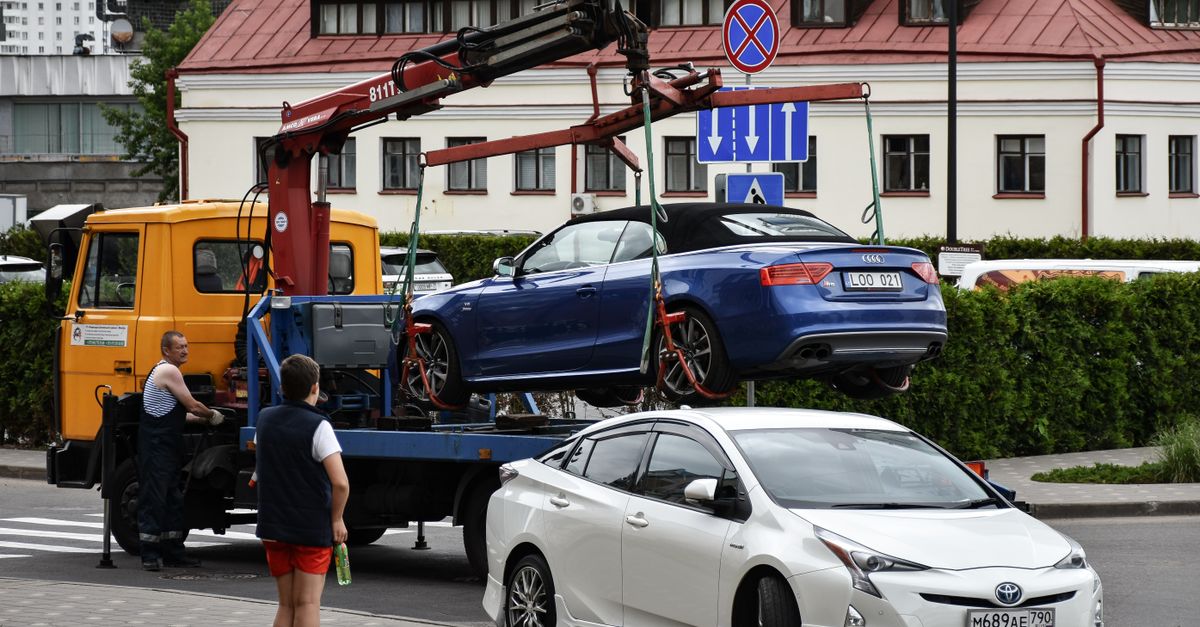
Does Full Coverage Actually Cover Towing Services?
Here's the truth: full coverage car insurance doesn't automatically cover towing. Most people think "full coverage" means everything's protected. It doesn't.
Full coverage includes collision and comprehensive protection. But roadside assistance and towing are separate. You need to add them yourself.
The good news? Adding towing coverage is cheap. Most policies cost $10-$30 per year. That's way less than a single tow bill.
What Does "Full Coverage" Car Insurance Actually Include?
Full coverage has two main parts: collision and comprehensive.
Collision coverage pays for damage from accidents. Your car hits another car, a pole, or rolls over. Collision covers repairs.
Comprehensive coverage handles everything else. Theft, weather, vandalism, hitting an animal. It's the catch-all protection.
But neither one covers towing. They pay for damage repair. They don't pay to move your broken car.
Why Towing Isn't Included in Full Coverage Policies
Insurance companies separate towing from damage coverage. Here's why it matters.
Towing is a service cost, not a damage claim. Your car breaks down. You need transportation to a mechanic. That's not damage. That's a service.
Insurance covers losses. Towing is a transportation fee. Different category entirely.
Plus, towing costs vary wildly. A 5-mile tow costs $75. A 50-mile tow costs $300. Insurance companies can't predict service costs like they predict damage.
What Towing Coverage Actually Costs You
Adding towing to your policy is one of the cheapest upgrades available.
Most insurers charge $10-$30 per year for basic towing coverage. Some charge monthly, which works out to about $1-$3 per month.
Premium companies like GEICO, State Farm, and Progressive offer towing add-ons. They're all in the same price range.
Compare that to a single tow. A local tow costs $150-$300. A long-distance tow costs $500-$1,500+. One emergency tow pays for years of coverage.
The math is simple. Add towing coverage. It's the cheapest insurance you can buy.
What Does Roadside Assistance Actually Cover?
Roadside assistance is the add-on you really need. It's different from towing coverage alone.
Good roadside assistance includes:
- Towing (usually 7-100 miles depending on your plan)
- Jump starts for dead batteries
- Lockout service if you lock keys in your car
- Fuel delivery if you run out of gas
- Tire changes and repairs
- Winch-outs if you're stuck in mud or snow
- Fluid delivery for low coolant or other essential fluids
- Emergency labor for minor roadside repairs
This is the comprehensive protection you want. Towing alone doesn't cover all emergencies.
AAA memberships include similar benefits. Many people use AAA instead of insurance roadside coverage. Both work well and offer comparable protection levels.
How Much Distance Does Towing Coverage Actually Cover?
This varies by plan. It's the big catch most people miss.
Basic towing coverage from insurers covers $50-$100 in towing costs. That's usually 5-10 miles max.
Premium roadside assistance covers $100-$300 in costs. That's often 50-100 miles.
Here's what matters: check your policy limits. If you live 30 miles from the nearest mechanic and your coverage only goes 10 miles, you're paying out of pocket.
For a complete breakdown of options, read our guide on roadside assistance for 2026.
What About Your Deductible With Towing Claims?
Here's another important detail most people don't understand.
When you file a towing claim, your deductible usually doesn't apply. Towing is a service, not damage repair.
You don't have a $500 deductible on a jump start. You pay the service fee. That's it.
But if your car needs repairs after the tow, then your collision or comprehensive deductible kicks in. The towing itself? Usually deductible-free.
This is actually good news. It means towing claims don't hurt your insurance rates. They're separate from damage claims.
When Do You Actually Need Towing Coverage?
Not everyone needs it. But most people should get it.
You definitely need towing if:
- You drive an older car prone to breakdowns
- You commute long distances on highways
- You live far from repair shops
- You drive in winter weather or remote areas
- You have a financed or leased vehicle (lenders often require it)
- You frequently travel to unfamiliar areas
- You have a teenage driver in the household
You might skip it if:
- You have AAA membership or roadside assistance elsewhere
- You drive a brand-new reliable car under warranty
- You never drive far from home
- You have family nearby who can help
- You have comprehensive roadside coverage through another source
Honestly? The $10-$30 per year is so cheap, most people should just add it. The peace of mind and financial protection far outweigh the minimal cost.
How to Add Towing Coverage to Your Policy
Adding towing is simple. Here's how to do it.
- Call your insurance agent or log into your online account
- Ask for "roadside assistance" or "towing coverage" — use the exact name
- Ask about coverage limits — how many miles? What's the dollar limit?
- Confirm the cost — annual or monthly premium
- Check what's included — towing only, or jump starts and lockouts too?
- Add it to your policy — it takes 5 minutes
- Get your confirmation number — save it for emergencies
Most policies activate immediately. You're protected as soon as you pay.
What Happens If You Don't Have Towing Coverage?
This is why people panic when their car breaks down.
Without towing coverage, you pay the full bill yourself. A typical local tow costs $150-$300. Highway tows cost more. Specialty tows (flatbed, long-distance) can exceed $1,000.
You also have to figure out logistics. Call a random towing company. Hope they're honest. Worry about the bill. Stress about your car.
With coverage, you call your insurance. They handle everything. You pay nothing or a small fee. Your car goes to the mechanic. Done.
The peace of mind alone is worth $20 a year.
For more on what happens during a breakdown, check out what to do when your car breaks down.
How Does Towing Coverage Work When You Actually Need It?
Let's walk through a real scenario.
Your car breaks down on the highway. You're 40 miles from home.
Here's the process:
- Call your insurance company — they have a 24/7 roadside assistance line
- Tell them where you are — they dispatch a tow truck
- Wait for the truck — usually 30-60 minutes depending on location
- Driver arrives and tows your car — to your mechanic or a shop nearby
- You pay nothing or a small fee — insurance covers the rest
- You get a ride or rental car — some policies include this
The whole thing is handled for you. No stress. No haggling over prices. The dispatcher will typically ask where you'd like your vehicle towed and confirm it's within your coverage limits before sending the tow truck.
Without coverage? You call random tow companies, get quotes, negotiate prices, pay in cash, and worry if you're being overcharged.
Does Your Car's Warranty Include Towing?
Some manufacturers include roadside assistance. Check your warranty.
Many new car warranties have roadside assistance for 3-5 years. This covers towing, jump starts, and lockouts.
But it expires. Once your warranty ends, you're on your own.
Also, manufacturer roadside assistance usually covers less distance than insurance coverage. Check the limits.
If you have warranty coverage, you might not need insurance towing. But read the fine print. Many people think they're covered and find out they're not.
AAA vs Insurance Towing Coverage — Which Is Better?
Many people choose AAA instead of insurance towing. Both work.
AAA membership costs $50-$150 per year. You get towing plus other travel benefits like hotel discounts, travel planning services, and emergency cash.
Insurance towing costs $10-$30 per year. You only get towing and roadside assistance.
AAA covers more distance (usually 100 miles). Insurance coverage varies by plan.
Pick whichever fits your needs. If you drive a lot and want peace of mind, AAA might be worth it. If you just want cheap backup coverage, add it to your insurance.
Many people have both. That's fine too.
Common Mistakes People Make With Towing Coverage
Don't make these errors. They cost money.
Mistake #1: Assuming full coverage includes towing. It doesn't. Check your policy.
Mistake #2: Not checking coverage limits. If your coverage only goes 10 miles and you're 30 miles away, you pay the difference.
Mistake #3: Calling a random tow truck first. Always call your insurance first. They might have preferred vendors with better rates.
Mistake #4: Not saving your insurance company's roadside number. Put it in your phone now. You'll need it when you're stressed.
Mistake #5: Forgetting to add towing when you buy a car. Do it immediately. Don't wait.
Mistake #6: Not reading the fine print on coverage limits. Some plans have dollar limits, not mile limits. Know the difference.
Mistake #7: Assuming towing coverage works everywhere. Some policies have geographic limitations. Check if your coverage applies nationwide or only in certain states.
How to Find the Best Towing Coverage for Your Needs
Not all towing coverage is the same. Here's how to compare.
Check these factors:
- Distance covered: 10 miles? 50 miles? 100 miles?
- Dollar limit: $50? $150? Unlimited?
- Services included: Towing only, or jump starts and lockouts too?
- Cost: Annual or monthly? What's the total?
- Deductible: Do you pay a deductible on towing claims?
- Choice of shops: Can you pick any mechanic, or only preferred vendors?
- Response time: How long until a truck arrives?
- Geographic coverage: Does it work nationwide or only in your state?
Call your current insurer first. Ask about their options. Then compare prices with competitors like GEICO, Progressive, and State Farm.
Prices from providers like GEICO, Progressive, State Farm, and others are current as of 2026. We're not affiliated with these companies.
What About Motorcycle and RV Towing Coverage?
Motorcycles and RVs need special towing coverage.
Regular car towing coverage doesn't cover motorcycles. You need motorcycle-specific policies.
RVs are trickier. Some RV insurance includes towing. Some doesn't. You might need separate RV roadside assistance.
If you own either vehicle, ask your agent specifically about towing. Don't assume it's covered.
FAQ: Your Towing Coverage Questions Answered
Let's answer the questions people ask most.
Does comprehensive coverage include towing?
No. Comprehensive covers damage from weather, theft, and animals. It doesn't cover towing or roadside assistance. You need a separate add-on.
Will my insurance rates go up if I file a towing claim?
Usually no. Towing claims don't affect your rates like accident claims do. They're considered service claims, not damage claims. Ask your agent to confirm.
Can I use any tow truck or must I use my insurance company's preferred vendor?
This depends on your policy. Some policies let you use any licensed tow truck. Others have preferred vendors with negotiated rates. Check your policy or call your agent.
What if my towing bill exceeds my coverage limit?
You pay the difference out of pocket. This is why checking coverage limits matters. If you live far from mechanics, get higher coverage limits.
Does towing coverage work if my car is financed?
Yes. Towing coverage works regardless of whether you own or finance your car. In fact, lenders often require comprehensive coverage (which includes optional towing add-ons).
Can I add towing coverage anytime or only when I buy a policy?
You can add it anytime. Call your agent and ask. It usually takes effect immediately or within a few days. No waiting period.
Does rental car reimbursement get included with towing coverage?
Sometimes. Basic towing coverage doesn't include rental cars. But premium roadside assistance plans often do. Ask your agent what's included.
What if I'm towed to a shop far away? Will insurance cover it?
Yes, as long as it's within your coverage limits. If your coverage is 50 miles and the nearest shop is 40 miles away, you're fine. If it's 60 miles away, you pay the difference.
Can I transfer my towing coverage if I switch insurance companies?
No, you'll need to add it to your new policy. But it's quick and cheap. Just call your new insurer and ask to add roadside assistance.
Is towing coverage worth it for a brand-new reliable car?
Even reliable cars break down. Batteries die. Tires blow. At $20 per year, it's worth the peace of mind. Plus, if your car is financed, your lender might require it.
What's the difference between towing coverage and roadside assistance?
Towing coverage specifically covers the cost of towing your vehicle. Roadside assistance is broader and includes towing plus jump starts, lockouts, fuel delivery, and tire service. Roadside assistance is the more comprehensive option.
Key Takeaways on Full Coverage and Towing
Full coverage car insurance does not include towing. You must add it separately.
Towing coverage is cheap—usually $10-$30 per year. A single tow bill costs $150-$300 or more. The math is simple: add coverage.
Check your coverage limits. Some plans only cover 5-10 miles. If you live far from repair shops, get higher limits.
Call your insurance agent today and add roadside assistance to your policy. It takes 5 minutes and could save you hundreds.
If you don't have preferred coverage yet, find trusted towing services near you on USA Tow Finder. We help connect you with reliable providers in your area.
For more information on what's actually covered, read our complete towing insurance coverage guide.
Frequently Asked Questions
Need Emergency Towing Services?
Don't wait when you're stranded. Get professional help now.
Find Trusted Towing Services Near You

Discussion (0)
Be the first to comment!
Share your experience or ask questions about towing services.