

What Is Special Event Towing?
Special event towing handles vehicle management at large gatherings. Think concerts, football games, festivals, and conferences.
These services remove illegally parked cars and manage traffic flow. They keep parking areas clear and safe for attendees.
Event venues hire towing companies weeks before gates open. The tow trucks stay on-site throughout the event. When someone parks where they shouldn't, removal happens fast.
Why Do Venues Need Special Event Towing?
Large events create parking chaos. Thousands of cars arrive in a few hours. Without towing services, parking lots fill up. People park illegally. Traffic backs up for miles.
Towing companies solve this problem. They remove vehicles from no-parking zones, fire lanes, and reserved spots. This keeps emergency access clear and keeps traffic moving.
Venues also protect themselves legally. If a car blocks an exit, the venue could face liability issues. Professional towing prevents these problems.
Safety matters most. Fire departments need clear access. Ambulances need open lanes. Towing companies make that possible.
How Much Does Special Event Towing Cost?
Event towing costs vary by location and venue size. Here's what you'll typically pay:
- Tow fee: $75–$150 per vehicle
- Storage: $15–$30 per day
- Release fee: $25–$75 (admin costs)
- Mileage: $2–$4 per mile (if towed far)
- Gate/lot access fee: $10–$20 (some impound lots charge entry fees)
- After-hours retrieval: $50–$100 extra (if you pick up outside normal hours)
Some venues include one free hour of parking. After that, storage charges kick in. Check our complete pricing guide for more cost details by region.
Major cities like Los Angeles, New York, and Chicago charge at the higher end. Smaller cities run $50–$100 per tow. Regional variations matter significantly. For example, towing in San Francisco averages $120–$180, while rural areas might charge $40–$80.
Total costs for a single tow can reach $200–$300 when you combine the tow fee, storage, and release fee. If you leave your car overnight, add another $15–$30 in storage charges.
Where Do Tow Trucks Take Your Vehicle?
Your car doesn't go far. Most event towing companies use nearby impound lots. These are usually within 5–15 miles of the venue.
The tow company must post the location at the event. Look for signs near parking areas. You should know exactly where your car went.
Lots stay open late on event nights. You can retrieve your vehicle the same day. Some lots stay open 24 hours during major events.
Pro tip: Take a photo of the tow lot's location and phone number when you park. If your car vanishes, you'll know where to call.
Impound lots are typically fenced, gated facilities with security cameras. They're designed to safely store multiple vehicles. Most lots have climate control or covered areas to protect your vehicle from weather damage. The lot manager maintains records of every towed vehicle, including the time of arrival, reason for towing, and current charges.
How to Retrieve Your Vehicle After Event Towing
Getting your car back is straightforward. Follow these steps:
- Call the tow company or impound lot immediately
- Provide your vehicle's license plate and make/model
- Ask for the total cost (tow + storage + release fees)
- Bring a valid ID and proof of vehicle ownership
- Pay the full amount before they release your car
- Do a walk-around inspection before leaving
- Get a receipt for all charges
Most lots accept cash and credit cards. Some require exact payment before entering the lot.
Don't delay. Storage fees add up fast. Retrieve your car within 24 hours if possible.
When you arrive at the lot, the staff will locate your vehicle and bring it to the release area. Inspect your car carefully for any new damage. Check the exterior, interior, tires, and undercarriage. Take photos if you notice anything wrong. The tow operator should give you a detailed receipt listing all charges and the condition of your vehicle. Keep this receipt for your records and insurance purposes.
How to Avoid Getting Towed at Events
The best strategy is prevention. Here's how to park smart:
- Arrive early. The first hour offers the most legal spots
- Read all signs. No parking zones change for events
- Use official lots. Stick to designated event parking
- Avoid fire lanes. These always trigger immediate towing
- Don't park on grass. Even if others do, you'll get towed
- Never block driveways. This is an instant removal
- Check permit requirements. Some lots need event parking passes
- Avoid parking near loading docks. These are restricted zones
- Don't park in handicapped spots without a valid permit. This guarantees immediate towing
- Keep your phone charged. You'll need to call the lot if towed
Ask venue staff where to park when you arrive. They know which spots are safe and which will get you towed.
What Rights Do You Have if Towed at an Event?
You have legal protections even at private events. State towing laws set maximum fees and require proper notice.
The tow company must:
- Post visible "No Parking" signs before towing
- Charge only approved fees (no surprise costs)
- Provide a receipt with the tow lot location
- Allow 24-hour access to retrieve your vehicle
- Accept major payment methods
- Maintain liability insurance for vehicle damage
- Keep accurate records of all towed vehicles
Warning: Never pay a tow company on-site. Always go to the impound lot. Shady operators sometimes demand cash at the scene.
If charges seem unfair, you can dispute them. Document everything. Keep your receipt and photos of the parking signs.
Special Considerations for Large Sporting Events
Sports venues face unique towing challenges. Game days bring massive crowds. Parking fills up in minutes.
NFL, NBA, and MLB stadiums use dedicated towing contractors. They station 5–15 tow trucks around the venue. Response time is under 10 minutes.
Parking lots have strict zones. Handicapped spots are protected. Reserved areas for team personnel are off-limits. Player parking gets immediate attention.
Game day parking costs extra. Expect $20–$50 for standard parking, plus towing fees if you're illegally parked. Some stadiums offer valet services for $30–$75.
Arrive 2+ hours early for major games. Parking fills fast. You'll have better spot options and less towing risk.
Professional sports venues typically have multiple parking tiers. Premium lots near the stadium entrance cost more but offer better access. Economy lots are further away but cheaper. Tailgating areas have specific rules—parking outside designated zones results in immediate towing. During playoff games and championship events, towing becomes even more aggressive due to increased attendance and security concerns.
Concert and Festival Towing: What's Different
Concerts and multi-day festivals create different towing patterns. Attendees arrive at different times. Parking behavior is less organized than at stadiums.
Festival venues often use temporary parking areas. These might not have clear signage. Towing companies work harder to enforce rules fairly.
Multi-day events are trickier. Your car stays parked overnight. Towing can happen any time. Some people leave cars unattended for 2–3 days.
Pro tip: At multi-day festivals, move your car daily. This shows it's actively in use. Abandoned vehicles get towed first.
Festivals usually charge for parking per day. A 3-day festival might cost $15–$30 total for parking. But towing on top of that? That's $75–$150 extra.
Concert venues often have stricter towing policies than festivals. Single-day concerts have faster turnover, so parking enforcement is intense during peak hours. Multi-day music festivals like Coachella and Burning Man have designated camping and parking areas. Vehicles parked outside these zones face immediate towing. Festival organizers use GPS tracking and digital parking systems to manage thousands of vehicles efficiently.
How Event Towing Companies Operate
Professional event towing requires serious coordination. Here's how it works behind the scenes:
Pre-event planning: Tow companies meet with venue managers 4–6 weeks before. They map out no-parking zones, emergency lanes, and impound locations. They assign staff and equipment.
On-site setup: Trucks arrive 2–4 hours before gates open. They position themselves for quick response. Drivers monitor parking areas constantly.
Real-time communication: Modern towing uses GPS and mobile apps to track vehicles and dispatch trucks instantly. Managers see everything in real-time.
Post-event cleanup: After the event ends, tow trucks remove any remaining illegally parked vehicles. The impound lot processes releases late into the night.
Event towing companies employ specialized coordinators who communicate between venue security, law enforcement, and tow operators. They use radio systems and mobile apps to coordinate rapid response. Large events might have a command center where supervisors monitor parking areas via security cameras and GPS-tracked tow trucks. This technology enables response times under 10 minutes for most violations.
Insurance and Liability Questions
If your car gets towed, your insurance usually doesn't cover the towing cost. Check your policy, but most don't include event towing.
Your car is insured while being towed. If the tow truck damages your vehicle, you can file a claim. Take photos of your car before and after towing.
Document everything:
- Photos of parking signs
- Photos of your car's condition before towing
- Tow company receipt and lot information
- Any damage you notice when retrieving your car
- Contact information of any witnesses
- Date, time, and location of the towing
If damage occurred, you can file a damage claim against the towing company. Most carry liability insurance.
Towing companies are required by law to carry liability insurance in most states. This covers damage to your vehicle during the towing process. Common damage includes scratched bumpers, broken lights, or transmission damage from improper towing. Document all damage with photos and video. Get written estimates from repair shops. Most towing companies settle legitimate damage claims within 30–60 days.
Preparing Your Vehicle for Event Days
Getting towed is stressful. Prepare your vehicle beforehand to minimize risk and hassle:
- Keep your registration and insurance card in your car
- Leave emergency contact info visible on your dashboard
- Make sure your spare tire and jack are in the trunk
- Fill your fuel tank before heading to the event
- Check your tire pressure and condition
- Ensure your battery is in good shape
- Bring jumper cables just in case
- Keep your phone fully charged
- Have cash and a credit card for potential towing fees
Learn more about preparing your vehicle for towing situations.
If you're worried about your car, consider using a rideshare service instead. Uber and Lyft eliminate parking risk entirely. For major events, this often costs less than parking plus potential towing fees.
Finding Reliable Event Towing Providers
If you're a venue manager, choose your event towing company carefully. Here's what matters:
- Experience: Do they handle your event size regularly?
- Equipment: Do they have enough trucks on standby?
- Licensing: Are they fully licensed and insured?
- Response time: Can they tow within 15 minutes?
- Impound location: Is the lot nearby and accessible?
- Customer service: Do they handle complaints professionally?
- Pricing: Are their rates transparent and competitive?
- Technology: Do they use GPS tracking and real-time dispatch?
- Staff training: Are operators trained in customer service?
Get references from other venues. Ask about their peak-event experience. Find trusted towing providers on USA Tow Finder that specialize in event management.
Major providers like AAA and regional companies often handle event towing. Prices from providers like AAA, GEICO, and Progressive are current as of 2026. We're not affiliated with these companies.
Common Mistakes to Avoid
Event attendees often make preventable mistakes that result in towing. Here are the most common errors:
- Ignoring signage: Parking signs at events change frequently. Read them carefully before parking.
- Following other illegally parked cars: Just because others parked somewhere doesn't make it legal. Enforcement happens in waves.
- Parking in unmarked no-parking zones: Just because there's no sign in one spot doesn't mean it's legal. Ask staff when in doubt.
- Leaving your car unattended for extended periods: At multi-day events, abandoned vehicles get towed. Move your car daily or use a parking service.
- Not noting the impound lot location: You need this information if your car gets towed. Write it down or take a photo.
- Arriving too late: Legal parking fills fast. Arriving 30 minutes before an event guarantees towing risk.
- Not keeping your phone charged: You need to call the tow lot immediately if your car disappears.
- Forgetting your vehicle registration: You can't retrieve your car without proof of ownership.
FAQs About Special Event Towing
Can you get your car back the same day? Yes. Most impound lots stay open late on event nights. You can retrieve your car within hours if you pay immediately.
What if you can't pay the towing fee right away? The lot will hold your car. But storage fees keep adding up. The longer you wait, the more you owe. Retrieve your car within 24 hours to minimize costs.
Is special event towing legal? Yes, if the venue posted clear "No Parking" signs. Private property owners can authorize towing. But the tow company must follow state laws on fees and procedures.
Can you sue the tow company for towing you illegally? Yes, if they violated state laws. If there were no signs, or if they charged illegal fees, you have a case. Document everything and consult a lawyer.
Do you need a lawyer to dispute towing charges? Not always. Small claims court handles towing disputes under $5,000. Many people win without lawyers.
What if your car gets damaged during towing? File a damage claim immediately. Take photos. Most towing companies carry liability insurance and will settle legitimate claims.
Can the venue be held responsible for towing? Yes. Venues must post clear signage. They must use licensed towing companies. If they don't, you might have a claim against the venue itself.
Do rideshare services cost more than parking? Not always. For major events, Uber/Lyft might cost $15–$40 round trip. That's less than $20–$50 parking plus potential $75+ towing fees.
What happens if you dispute a towing charge and lose? You're responsible for paying the full amount. The impound lot won't release your vehicle until payment clears.
How long do impound lots hold vehicles? Most hold vehicles indefinitely, but storage fees accumulate daily. After 30–90 days of non-payment, some lots may sell the vehicle at auction.
Key Takeaways for Event Attendees
Special event towing is common at concerts, sports games, and festivals. It's not personal—it's about safety and parking management.
Avoid getting towed by parking legally. Arrive early. Read all signs. Use official lots. If you do get towed, retrieve your car quickly to avoid extra storage fees.
Know your rights. Towing companies must follow state laws. You can dispute unfair charges. Document everything with photos and receipts.
For future events, consider alternatives. Rideshare, public transit, or valet services might save you money and stress.
Get a free towing quote today if you need towing services, or learn more about your consumer rights during a tow.
Frequently Asked Questions
Need Emergency Towing Services?
Don't wait when you're stranded. Get professional help now.
Find Reliable Event Towing Services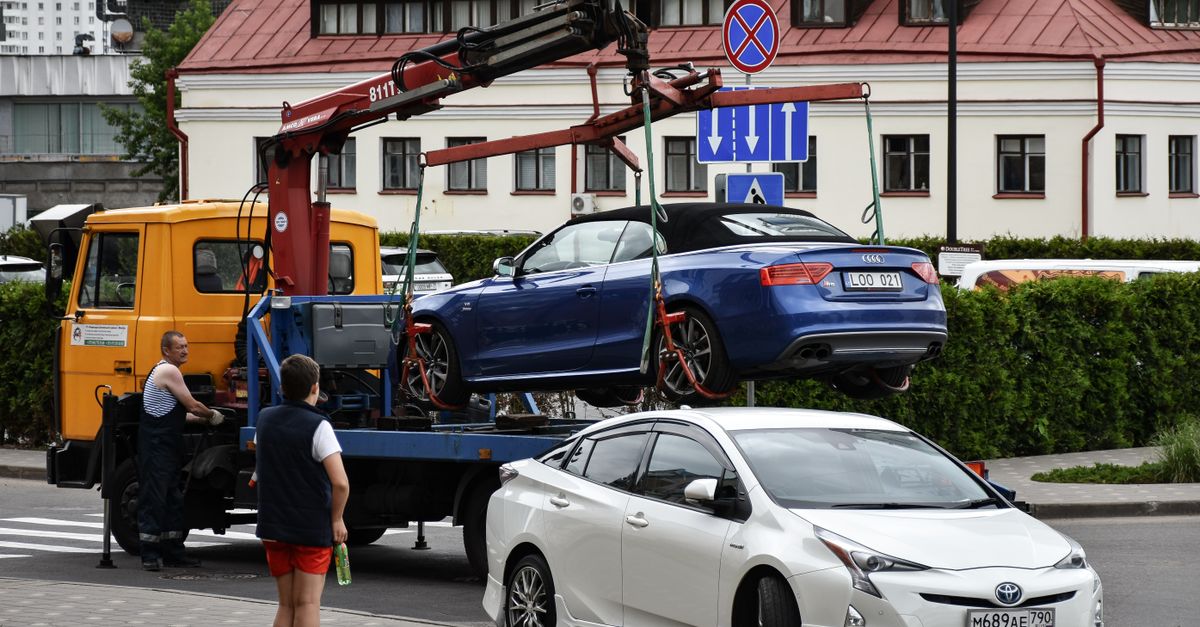

Discussion (0)
Be the first to comment!
Share your experience or ask questions about towing services.