
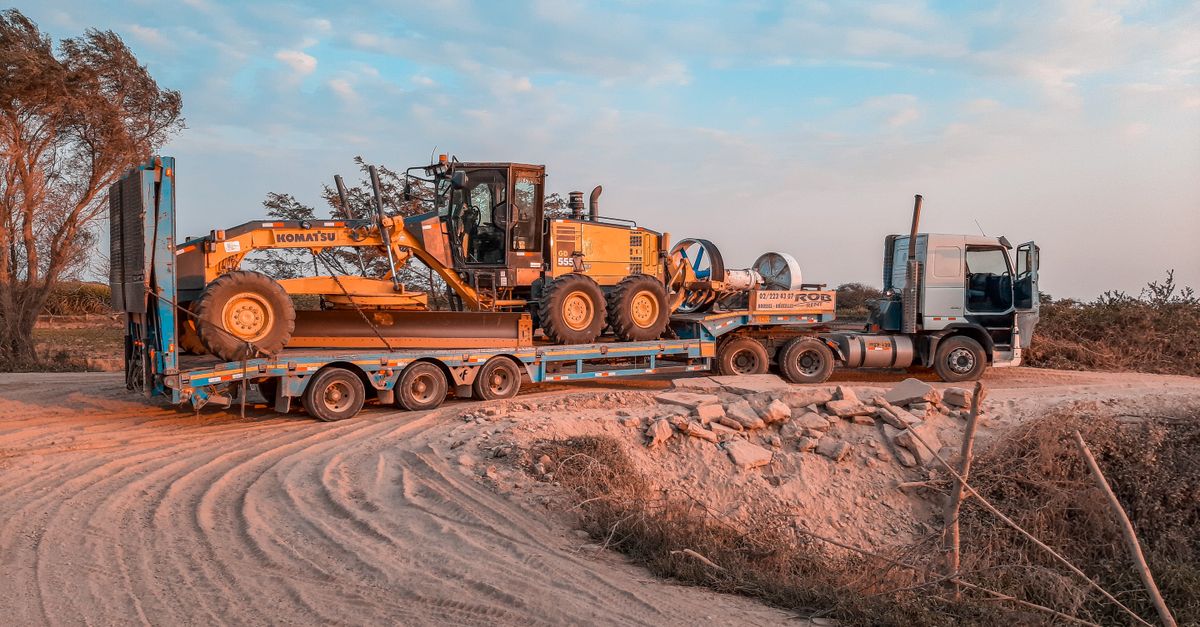
Heavy duty towing isn't like regular car towing. It's a specialized service that demands expertise, powerful equipment, and strict safety standards. If you own a large truck, operate commercial vehicles, or manage construction equipment, understanding heavy duty towing can save you money and prevent damage.
This guide covers everything you need to know about heavy duty towing. You'll learn what qualifies as heavy duty, how much it costs, what equipment gets used, and how to find trustworthy providers in your area.
What Exactly Is Heavy Duty Towing?
Heavy duty towing moves vehicles weighing more than 10,000 pounds. This includes semi-trucks, large pickup trucks, commercial delivery vehicles, and construction equipment. Regular tow trucks can't handle this work safely.
The difference comes down to power and capability. Heavy duty tow trucks have stronger engines, reinforced frames, and specialized winches. They're built to handle extreme weight and complex recovery situations.
Common heavy duty towing jobs involve tractor-trailers, dump trucks, concrete mixers, and multi-axle vehicles. Some services also tow boats, RVs, and industrial machinery. The stakes are higher when you're moving something this heavy.
What Types of Equipment Handle Heavy Duty Towing?
Not all tow trucks are created equal. Heavy duty towing requires specialized rigs that most standard towing companies don't have. Here's what you'll encounter:
Rotator Tow Trucks
Rotators are the workhorses of heavy duty recovery. They feature a rotating boom that can lift and swing heavy loads. A single rotator can handle 50+ tons in some cases. These trucks work great for highway accidents and complex recoveries where precision matters.
Heavy Wreckers
Heavy wreckers are purpose-built for extreme towing. They have dual rear axles, massive winches, and can pull vehicles from ditches or off cliffs. Capacity typically ranges from 25 to 75 tons. These are the trucks you call when situations get serious.
Integrated Recovery Systems
Modern integrated systems combine multiple tools in one vehicle. They include boom lifts, winches, and specialized attachments. This versatility makes them ideal for construction sites and commercial operations.
Flatbed Tow Trucks
Heavy duty flatbeds transport large vehicles without dragging them. They're perfect for tractor-trailers, dump trucks, and equipment that can't be towed behind another vehicle. Capacity usually reaches 20 to 35 tons.
Each equipment type serves different purposes. The right choice depends on your situation, vehicle type, and recovery complexity.
How Much Does Heavy Duty Towing Actually Cost?
Heavy duty towing costs way more than standard towing. You're paying for specialized equipment, trained operators, and significant fuel consumption. Prices vary dramatically based on distance, location, and complexity.
Basic heavy duty tows start around $150 to $250 for the first 5-10 miles. Each additional mile adds $3 to $5. Long-distance heavy duty towing can easily exceed $1,000 to $3,000 for 50+ miles.
Emergency calls cost more. Nighttime or weekend heavy duty towing adds 50% to 100% to your bill. Difficult recoveries—vehicles in ditches, on hillsides, or badly damaged—can add $500 to $2,000 in recovery fees.
For detailed pricing information, check our guide on how much towing costs in 2025. That resource breaks down regional variations and hidden fees you should expect.
Insurance and roadside assistance programs sometimes cover heavy duty towing. Check your policy. Companies like GEICO, Progressive, and State Farm offer towing coverage, though limits vary.
Why Would You Need Heavy Duty Towing Services?
Heavy duty towing isn't just for emergencies. Businesses and fleet operators use it regularly. Here are the most common reasons:
- Mechanical breakdown: Your semi-truck won't start on the highway. You need it moved to a repair facility.
- Accident recovery: A commercial vehicle flipped or crashed. Getting it off the road safely is critical.
- Equipment transport: Moving construction machinery, industrial equipment, or farm vehicles.
- Stuck vehicles: A truck stuck in mud, snow, or a ditch. Regular towing won't work.
- Routine maintenance: Moving vehicles between locations, dealerships, or service centers.
- Repo and repossession: Recovering vehicles for lenders or financial institutions.
Each situation has unique challenges. That's why experience matters when choosing a heavy duty towing provider.
What Safety Standards Apply to Heavy Duty Towing?
Heavy duty towing is heavily regulated. Federal and state laws exist to protect drivers, operators, and the public. Understanding these standards helps you identify legitimate, safe operators.
Licensing and Certifications
Heavy duty tow operators need commercial driver licenses (CDL) with proper endorsements. Many states require additional heavy recovery certifications. Legitimate operators carry proof of licensing and insurance.
Weight Limits and Load Distribution
DOT regulations cap how much weight can be towed. Axle weight limits and gross vehicle weight ratings (GVWR) must be respected. Overloading can result in citations, fines, and vehicle impound.
Equipment Inspections
Heavy duty tow trucks need regular safety inspections. Brakes, lights, coupling devices, and winches must meet DOT standards. Reputable companies maintain detailed inspection records.
Warning: Never hire a towing company that can't produce current insurance certificates and safety inspection documentation. This is a red flag for unsafe operations.
How to Prepare Your Heavy Vehicle for Towing?
If you know you'll need heavy duty towing soon, preparation matters. Here's what to do:
- Document your vehicle's specs: Know your vehicle's weight, dimensions, and towing point locations. Keep this information accessible.
- Maintain towing equipment: If your vehicle has built-in towing hooks or rings, keep them clean and functional.
- Check your insurance: Confirm your coverage includes heavy duty towing and understand the limits.
- Identify trusted providers: Don't wait for an emergency to find a tow company. Research local heavy duty towing services now.
- Know your legal rights: Read our guide on towing laws by state to understand your rights and fee limits.
- Keep emergency contacts: Save your insurance company's towing hotline and a few local heavy duty towing numbers in your phone.
Preparation takes just minutes but saves hours of stress when you actually need help.
What's the Difference Between Heavy Duty and Standard Towing?
These aren't the same service, and confusing them leads to problems. Here's the breakdown:
| Factor | Heavy Duty Towing | Standard Towing |
|---|---|---|
| Vehicle Weight | Over 10,000 lbs | Under 10,000 lbs |
| Equipment Type | Rotators, heavy wreckers, integrated systems | Wheel-lifts, flatbeds, dollies |
| Operator Training | Heavy recovery certifications required | Basic CDL sufficient |
| Cost (5 miles) | $150-$250+ | $75-$150 |
| Recovery Capability | Complex rescues, difficult extractions | Basic breakdowns, simple moves |
Trying to use standard towing for heavy duty work puts everyone at risk. Trucks can be damaged, operators hurt, and you might face liability. Always hire the right service for the job.
For more details on equipment differences, see our article on types of tow trucks explained.
How to Find Reliable Heavy Duty Towing Providers?
Choosing a heavy duty towing company isn't like picking a regular tow service. You need expertise, equipment, and reliability. Here's how to find the right provider:
Research Local Options
Start by searching for heavy duty towing companies in your area. Check Google Maps, Better Business Bureau (BBB) ratings, and industry directories. Look for companies that specifically advertise heavy duty recovery services.
Verify Licensing and Insurance
Call potential providers and ask for proof of licensing, certifications, and current insurance. Legitimate companies have no problem sharing this information. If they hesitate, move on.
Check Equipment and Capabilities
Ask what equipment they own. Do they have rotators, heavy wreckers, or integrated systems? Can they handle your specific vehicle type? A company with outdated or limited equipment isn't worth hiring.
Read Customer Reviews
Check Google, Yelp, and industry review sites. Read recent reviews carefully. Pay attention to comments about professionalism, fairness, and equipment condition. One or two negative reviews happen. Dozens of complaints are a warning sign.
Get Price Quotes
Call at least three providers and get written quotes. Prices vary, but huge differences might indicate inexperience or hidden fees. Compare what's included in each quote.
Need help finding trustworthy providers? Find towing services near you on USA Tow Finder. We've vetted local operators so you don't have to guess.
What Should You Know About Heavy Duty Towing Contracts?
Before signing anything, understand what you're agreeing to. Heavy duty towing contracts often contain terms that protect the company but might surprise you.
Watch for These Contract Terms
Read the fine print. Look for clauses about liability limits, payment terms, and cancellation policies. Some contracts require payment upfront. Others charge extra for after-hours service.
Check whether the contract covers only towing or includes recovery fees. Recovery—pulling a vehicle from a ditch or off the road—often costs extra. Make sure you know the total potential cost before problems arise.
Dispute Resolution Clauses
Good contracts include clear dispute resolution procedures. If something goes wrong, you want a path to resolution that doesn't require court battles. Ask about this before hiring.
For more guidance on contracts, read our detailed article about towing contract fine print.
What Are Common Heavy Duty Towing Mistakes to Avoid?
People make preventable mistakes when arranging heavy duty towing. Learning from others' errors saves you time, money, and headaches.
- Hiring the wrong type of towing service: Don't call a standard tow truck for heavy duty work. You'll pay more, take longer, and risk damage.
- Not verifying credentials: Always confirm licensing and insurance before hiring. Uninsured operators leave you liable for accidents.
- Accepting verbal quotes: Get everything in writing. Verbal agreements lead to disputes when bills arrive.
- Ignoring insurance coverage: Check your policy first. Some coverage doesn't apply to heavy duty towing or has low limits.
- Waiting until you need help: Research providers now. Calling around during an emergency leads to poor decisions.
- Paying before service completion: Never pay the full amount until the job is done and your vehicle is safely at its destination.
- Choosing based on price alone: The cheapest option often cuts corners on safety and professionalism. Value experience and reputation over low rates.
These mistakes compound stress during already stressful situations. Avoid them through preparation and careful provider selection.
How Does Heavy Duty Towing Work for Commercial Fleets?
Fleet operators face unique heavy duty towing challenges. You manage multiple vehicles, deal with downtime costs, and need reliable providers you can trust.
Fleet Towing Agreements
Many heavy duty towing companies offer fleet agreements. These contracts guarantee priority service, negotiated rates, and dedicated operators. For companies with 5+ vehicles on the road, fleet agreements make sense economically.
Preventive Maintenance Impact
Reducing heavy duty towing needs starts with maintenance. Regular inspections, fluid changes, and brake service prevent breakdowns. Even small maintenance investments save thousands in towing costs annually.
Documentation and Compliance
Fleet operators must maintain detailed records of towing incidents, maintenance, and repairs. This documentation protects you legally and helps identify patterns that lead to recurring problems.
For fleet owners, establishing relationships with multiple heavy duty towing providers ensures you're never stranded. Have backup providers ready so one company's unavailability doesn't halt your operations.
Frequently Asked Questions About Heavy Duty Towing
Can insurance cover heavy duty towing costs?
Many insurance policies include towing coverage, but limits vary. Standard coverage often maxes out at $100 to $150. Heavy duty towing frequently costs more. Check your policy and consider adding higher towing limits if you operate large vehicles.
How long does a heavy duty tow typically take?
Simple heavy duty tows take 30 to 60 minutes. Complex recoveries—vehicles in ditches, multi-vehicle accidents, or equipment extraction—can take 2 to 4 hours or longer. Distance adds time too.
What's the heaviest vehicle a rotator can tow?
Large rotators handle 50 to 80 tons. Most common heavy duty situations involve vehicles in the 20 to 40-ton range. Your specific vehicle's weight determines which equipment you need.
Do I need special permits for heavy duty towing on public roads?
Yes. Moving overweight vehicles requires permits from your state's DOT. Professional towing companies handle this. Never attempt heavy duty towing without proper permits—you'll face fines and vehicle impound.
What happens if a heavy duty tow damages my vehicle?
Legitimate towing companies carry liability insurance that covers damage. Document everything with photos before and after towing. If damage occurs, file a claim with the company's insurance. See our guide on towing damage claims for the step-by-step process.
How much notice do I need to give for heavy duty towing?
Emergency heavy duty towing happens immediately. Non-emergency service might have wait times of 1 to 4 hours depending on demand. Call ahead if you can. Advance notice helps companies dispatch the right equipment and operator.
Can standard drivers license holders operate heavy duty tow trucks?
No. Operating heavy duty tow trucks requires a commercial driver license (CDL) with specific endorsements. Most states also require heavy recovery certifications. This protects public safety and ensures operator competence.
What's the difference between light duty and heavy duty wrecker trucks?
Light duty wreckers handle vehicles up to 10,000 pounds. Heavy duty wreckers start at 10,000 pounds and go much higher—some handle 75+ tons. The difference is engine power, frame strength, and winch capacity.
Are heavy duty towing rates regulated by the state?
Many states cap maximum towing rates. However, regulations vary. Check maximum towing rates by state for your location's specific limits and protections.
Can I dispute a heavy duty towing bill if I think it's too high?
Yes. Document everything and file a complaint with your state's consumer protection agency. If the charge exceeds legal limits, you have strong grounds for dispute. Learn the process in our guide on how to dispute towing charges.
Taking Action: Next Steps for Heavy Duty Towing Needs
Understanding heavy duty towing puts you in control. You know what to expect, what to pay, and how to find reliable providers. Now it's time to act.
If you operate heavy vehicles, start preparing today. Research local heavy duty towing companies. Get their contact information. Understand your insurance coverage. These simple steps prevent panic when you actually need help.
For vehicle owners facing an immediate heavy duty towing need, don't delay. The right provider makes all the difference in safety and cost. Find towing services near you on USA Tow Finder to connect with vetted heavy duty operators in your area.
Prices from providers like GEICO, Progressive, and State Farm are current as of 2026. We're not affiliated with these companies. Heavy duty towing costs and regulations vary by location. Always verify current rates and requirements with your state's DOT and local authorities.
Frequently Asked Questions
Need Emergency Towing Services?
Don't wait when you're stranded. Get professional help now.
Find Heavy Duty Towing Services Near You


Discussion (0)
Be the first to comment!
Share your experience or ask questions about towing services.