
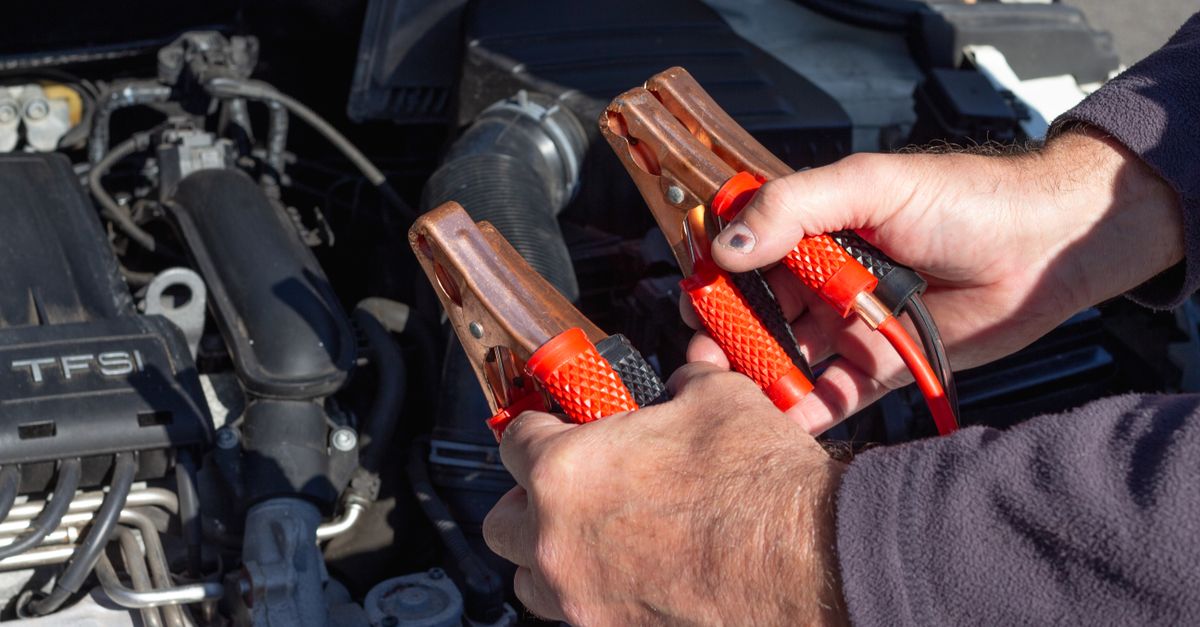
What Are Jumper Cables and Why You Need Them?
Jumper cables are thick wires with metal clamps on each end. They transfer electrical power from one car battery to another. A dead battery happens to almost everyone at some point. You're turning the key, but nothing happens. That's when jumper cables become your best friend.
Having jumper cables in your vehicle saves money and time. You won't need to call a tow truck for a simple battery issue. Plus, you can help other drivers stranded with dead batteries.
What Type and Length of Jumper Cables Should You Buy?
Jumper cable gauge matters more than you might think. The gauge refers to the wire thickness. Thicker wires (lower gauge numbers) transfer power better. Look for 2-gauge or 4-gauge cables for reliable performance. Thinner cables like 6-gauge or 8-gauge work but deliver power more slowly.
Cable length should be at least 12 feet. Longer cables give you flexibility when positioning vehicles. Many people prefer 16 to 20-foot cables for easier maneuvering. Shorter cables force cars to park very close together, which isn't always practical.
Choose cables with insulated clamps and handles. Copper wires conduct electricity better than aluminum. Budget $15 to $50 for quality jumper cables that last years.
How Do You Prepare Your Vehicle for Jump-Starting?
Preparation prevents accidents and damage to your electrical system. First, turn off both vehicles completely. This protects sensitive electronics from power surges. Remove the keys from both ignitions.
Check battery terminals for corrosion. You'll see white, blue, or green crusty buildup. If corrosion is heavy, clean it with a wire brush or baking soda solution before jumping. Make sure both cars are parked close enough for the cables to reach comfortably.
Open both hoods and locate the batteries. The positive terminal is usually red and marked with a plus sign. The negative terminal is black and marked with a minus sign. Some batteries have plastic covers—remove these first.
What's the Correct Order for Connecting Jumper Cables?
Connection order is critical. Mistakes here can damage batteries or hurt you. Follow this exact sequence every single time:
- Connect red clamp to the dead battery's positive terminal. This is your starting point. Make sure the clamp grips firmly.
- Connect black clamp to the dead battery's negative terminal. You're now completing the circuit on the dead car.
- Connect the other red clamp to the good battery's positive terminal. You're now drawing power from the working battery.
- Connect the last black clamp to unpainted metal on the dead car's engine. Don't connect to the negative terminal again. Instead, find a bolt, bracket, or other metal surface away from the battery. This prevents sparks near the battery.
This order matters because it grounds the final connection safely. Many experienced drivers use this method to reduce fire risk.
How Long Should You Wait Before Starting the Dead Car?
Patience pays off here. Wait 2 to 3 minutes after connecting the cables. This gives the dead battery time to charge slightly. Jumping too quickly can strain both batteries and the alternator.
While waiting, check that all clamps are secure. Wiggle each clamp slightly to confirm good contact. Poor connections cause slow starting and frustration.
Some people rev the working car's engine during this time. Revving increases alternator output and charges the dead battery faster. Keep revs moderate—around 1,500 to 2,000 RPM. Don't race the engine.
What's the Right Technique for Starting the Dead Car?
Start the working vehicle first. Let it run for another 30 seconds to build up charge. Then try starting the dead car. Turn the key slowly and steadily. Don't crank the engine for more than 5 to 10 seconds at a time.
If the dead car doesn't start after 10 seconds, stop and wait. Try again after 30 seconds. Repeated cranking drains both batteries and can damage the starter motor. If it still won't start after three attempts, the battery might be too damaged. Call for professional help instead.
Once the dead car starts, let both engines run for a minute. This stabilizes the electrical system and charges the battery further.
How Should You Disconnect Jumper Cables Safely?
Disconnection order is the reverse of connection. Get it wrong and you might damage electronics or get shocked. Here's the safe sequence:
- Remove the black clamp from the previously dead car's engine. Start with the ground connection on the dead car.
- Remove the red clamp from the good battery's positive terminal. Move to the working car's positive connection next.
- Remove the black clamp from the good battery's negative terminal. Continue with the working car's negative terminal.
- Remove the red clamp from the previously dead car's positive terminal. Finish by removing the final clamp from the dead car.
This reverse order prevents sparks and electrical damage. Take your time and remove clamps slowly. Don't yank them off quickly.
What Safety Precautions Should You Take When Jump-Starting?
Warning: Never jump-start a battery that's cracked, leaking, or swollen. These batteries can explode. If you see damage, call a professional towing service instead.
Wear safety glasses if you have them. Battery acid can splash during the process. Keep the cables away from moving engine parts like belts and fans. Don't wear loose clothing that might get caught.
Never jump-start in extreme weather. Avoid jump-starting during thunderstorms or heavy rain. Wet conditions increase electrical risk. Wait for safer conditions if possible.
Keep children and pets away from the engine bay during jump-starting. They might touch hot components or get hurt by moving parts.
When Should You Call a Professional Tow Truck Instead?
Some situations require professional help. Don't attempt jump-starting if the battery is damaged, leaking, or swollen. If your car won't start even after successful jump-starting, something else is wrong. The alternator, starter, or wiring might be failing.
If you don't have jumper cables and no other driver is nearby, find towing services near you through USA Tow Finder. Professional towers carry jumper cables and can jump-start your car safely.
If you've tried jump-starting three times without success, stop. Your battery might be completely dead or your starter might be broken. Repeated attempts waste time and damage your vehicle. Call for help instead.
If you're uncomfortable working around car batteries, that's okay. When your car breaks down, professional help is always available. Many roadside assistance plans cover jump-starting at no extra cost.
How Can You Prevent Future Dead Battery Problems?
Prevention is easier than dealing with dead batteries. Keep your battery terminals clean and free of corrosion. Check them every few months. Clean any buildup with baking soda and water.
Replace your battery every three to five years. Old batteries lose power capacity over time. Most car batteries die between years three and five. Replace them before they fail completely.
Turn off lights before leaving your car. Leaving headlights or interior lights on drains the battery overnight. Modern cars usually turn lights off automatically, but older vehicles don't.
Avoid short drives if possible. Short trips don't give the alternator enough time to recharge the battery fully. Long drives keep batteries healthy.
Consider a battery maintainer if you park your car for weeks. These devices trickle-charge your battery slowly. They cost $20 to $100 and prevent battery death during storage.
What Should Your Emergency Roadside Kit Include?
Jumper cables are just one piece of roadside preparedness. Build a complete emergency kit for car troubles. Emergency roadside kit essentials should include flashlights, flares, a first aid kit, and tire repair supplies.
Add jumper cables to your kit immediately. Include a jump starter pack too—these portable devices jump-start cars without a second vehicle. They cost $30 to $150 and are incredibly useful.
Keep the kit easily accessible in your trunk. Label it clearly so you can find it during emergencies. Check the kit twice yearly to ensure everything works.
Many roadside assistance programs like AAA provide jump-starting as part of their service. If you subscribe to roadside assistance, you might not need jumper cables. But having them anyway gives you independence and helps others.
Common Mistakes to Avoid When Using Jumper Cables
Connecting cables in the wrong order is the most common mistake. People often connect both black clamps to negative terminals. This creates a different electrical path that can damage electronics. Always connect the final black clamp to unpainted metal on the engine.
Leaving the dead car's engine running while disconnecting cables is another mistake. Stop the engine before removing any clamps. This protects the alternator from voltage spikes.
Forcing clamps onto corroded terminals damages both the clamps and terminals. Clean corrosion first, then connect gently. A firm connection shouldn't require force.
Trying to jump-start a completely dead or damaged battery wastes time. If the car won't start after two or three attempts, the battery is likely too damaged. Accept that professional help is needed.
Frequently Asked Questions About Using Jumper Cables
People ask many questions about jump-starting. Here are answers to the most common concerns:
Can you jump-start a car with a dead battery while it's raining? It's risky. Water conducts electricity and increases shock risk. Wait for dry conditions if possible. If you must jump-start in rain, work quickly and avoid puddles near the batteries.
How long do you need to drive after jump-starting? Drive for at least 20 to 30 minutes. This gives the alternator time to recharge the battery. Short drives might not charge it enough.
Can you jump-start a car with a dead alternator? No. The alternator charges the battery while driving. If it's broken, the battery drains while you drive. Jump-starting temporarily gets the car running, but the battery will die again soon. You'll need alternator repair.
Is it safe to jump-start a hybrid or electric car? Check your owner's manual first. Some hybrids have special jump-starting procedures. Electric cars rarely need jump-starting because their batteries are huge. Never jump-start from an electric car's main battery.
What if your jumper cables are damaged or corroded? Don't use them. Damaged cables transfer power poorly and can spark. Replace them with new ones. Quality cables cost $20 to $50.
Understanding Battery Health and When Replacement Is Needed
A car battery's lifespan depends on climate and usage. Hot climates shorten battery life. Frequent short drives reduce battery health. Most batteries last three to five years before needing replacement.
Signs your battery is dying include slow cranking, dim headlights, and clicking sounds. If you notice these signs, replace the battery soon. A dying battery might fail completely without warning.
Battery replacement costs $100 to $300 depending on your vehicle. Premium batteries with longer warranties cost more. Basic batteries are cheaper but fail sooner. Prices from providers like GEICO, Progressive, and State Farm vary based on your insurance coverage and roadside assistance plan. We're not affiliated with these companies.
Some auto parts stores test batteries for free. If your car won't start and you're unsure about the battery, get a free test. Many stores like AutoZone and O'Reilly Auto offer this service.
What to Do If Jump-Starting Doesn't Work
If the car still won't start after successful jump-starting, the problem isn't the battery. It might be the starter motor, alternator, or wiring. These components require professional diagnosis and repair.
If the dead car won't start at all—not even a click—the battery is completely dead. Jump-starting might not help. A professional reliable tow truck company can tow your car to a repair shop safely.
If you hear rapid clicking when trying to start, the battery is very weak. Jump-starting might work, but charge longer—wait 5 to 10 minutes instead of 2 to 3. Rapid clicking means the battery needs more time.
Document what happens when the car won't start. Tell the mechanic about sounds, lights, and the sequence of events. This information helps them diagnose the real problem quickly.
Building Confidence With Practice and Knowledge
Jump-starting is simpler than it sounds once you understand the process. The key is remembering the connection order and being patient. Most people succeed on their first try.
If you're nervous, practice the connection order at home with the engines off. Visualize each step. Watch videos of the process. Confidence comes from understanding what you're doing.
Keep your jumper cables in the car at all times. Many people buy cables, use them once, then forget they have them. Store them in a bag or case in your trunk where they stay organized and protected.
Help other drivers when you can. Jump-starting someone else's car reinforces your knowledge. You'll become more comfortable with the process each time you do it.
Remember that asking for professional help is always okay. If you feel unsafe or unsure, get a free towing quote from USA Tow Finder. Professional towers have experience with every battery situation and can help quickly.
Frequently Asked Questions
Need Emergency Towing Services?
Don't wait when you're stranded. Get professional help now.
Find Roadside Help Near You

Discussion (0)
Be the first to comment!
Share your experience or ask questions about towing services.