
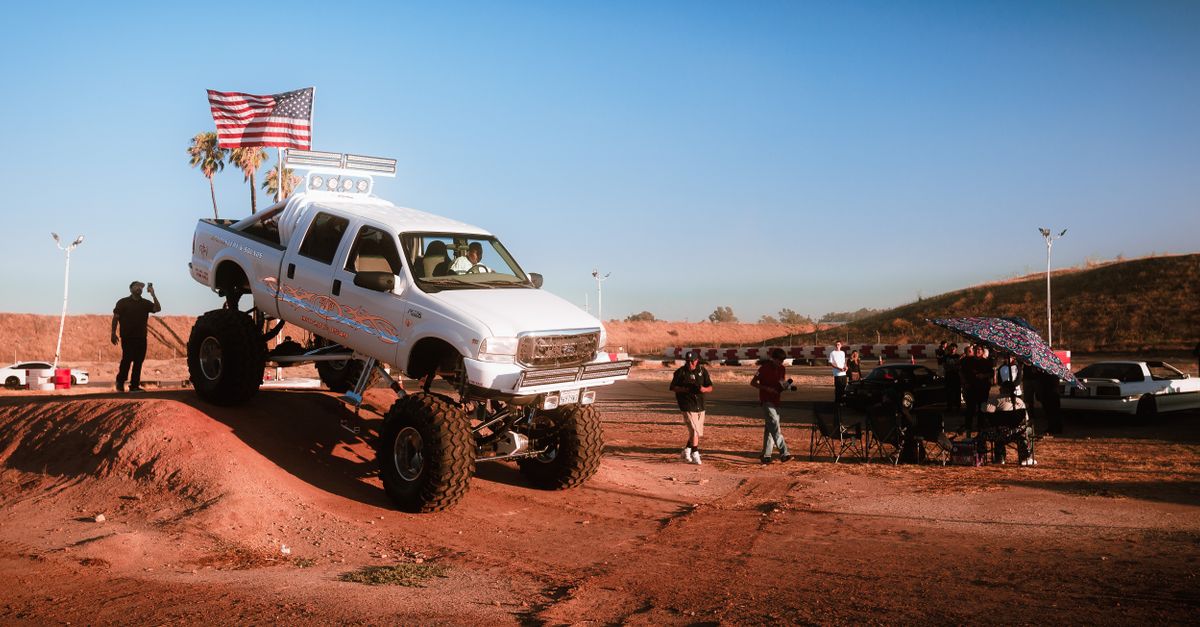
Towing a lifted truck isn't like towing a sedan. Your lifted truck weighs more. It sits higher. The suspension geometry is different. One mistake during lifted truck towing can damage your vehicle or create a safety hazard.
This guide covers everything you need to know. We'll walk through the equipment needed, the risks involved, and how to find the right tow operator.
Why Lifted Truck Towing Requires Special Equipment
Most standard tow trucks can't handle lifted vehicles. Here's why: lifted trucks have raised suspensions that change their center of gravity. The frame sits higher off the ground. This creates unique rigging challenges.
A standard wrecker or light-duty tow truck uses chains or straps around the frame. With a lifted truck, those attachment points are harder to reach. The truck's weight distribution shifts when lifted. Improper towing can crack the frame or damage suspension components.
That's why you need flatbed towing for lifted vehicles. Flatbeds distribute weight evenly across the entire deck. They eliminate the risk of frame stress.
What Makes Flatbed Towing Better for Lifted Trucks?
Flatbed tow trucks have a flat, level platform. Your lifted truck drives or gets winched onto the deck. The entire vehicle rests on the platform — not just the frame.
This approach works because:
- Weight spreads across the entire flatbed surface
- No stress on frame attachment points
- Suspension hangs freely without load
- Vehicle stays level during transport
- Lower risk of cosmetic or structural damage
Flatbeds come in different sizes. Standard flatbeds handle trucks up to 15,000 lbs. Heavy-duty flatbeds support 20,000+ lbs. Some lifted trucks with custom suspensions and accessories exceed these weights.
Always confirm your truck's actual weight before booking. Check your truck's door placard or have it weighed at a truck stop.
Understanding Dually Truck Towing Challenges
Dual-wheel trucks — often called duallys — present their own towing complications. They're wider than standard pickups. The dual rear wheels sit close together, creating a narrow footprint.
Duallys commonly weigh 10,000-16,000 lbs when empty. Add a lifted suspension, custom bumpers, or truck bed accessories, and weight climbs to 18,000+ lbs.
The challenge? Many tow operators lack experience securing duallys. The dual wheels make it harder to position straps correctly. Improper strap placement can:
- Damage expensive alloy wheels
- Crush fender flares during transport
- Bend frame rails if chains catch incorrectly
- Cause the truck to shift during braking
This is why finding experienced dually tow operators matters. They know how to secure dual wheels without damage. They understand weight distribution on longer wheelbase vehicles.
How Much Does Lifted Truck Towing Cost?
Lifted truck towing costs more than standard vehicle towing. Here's what you'll typically pay in 2026:
| Towing Type | Distance | Estimated Cost |
|---|---|---|
| Flatbed (Lifted Truck) | 5-15 miles | $150-$250 |
| Flatbed (Lifted Truck) | 15-50 miles | $250-$400 |
| Heavy-Duty Flatbed (Dually) | 5-15 miles | $200-$300 |
| Heavy-Duty Flatbed (Dually) | 15-50 miles | $300-$450 |
| Long-Distance Flatbed | 50+ miles | $400-$800+ |
These prices vary by location and truck condition. A truck stuck in mud or on a steep hill costs more. Custom lifts, oversized tires, and heavy accessories add to the bill.
Check how much towing costs for baseline pricing in your area. Lifted truck towing typically adds 20-40% to standard rates.
Key Equipment Needed for Safe Lifted Truck Towing
Professional tow operators use specialized gear when handling lifted vehicles. Here's what they should have:
Flatbed Truck Specifications
- Deck length: 20-24 feet minimum for full-size trucks
- Weight capacity: At least 15,000 lbs for lifted trucks
- Hydraulic winch: 10,000+ lbs pulling power
- Wheel lifts: For dual-wheel vehicles
- Air brakes: Required for heavy loads over 10,000 lbs
Rigging and Securing Equipment
- Heavy-duty straps rated for truck weight
- Chain binders with proper working load limits
- Protective padding to prevent wheel damage
- Frame contact points identified before rigging
- Backup cameras for safe loading
Legitimate tow companies maintain equipment certifications. They train operators on proper rigging techniques. Ask about their equipment maintenance records before booking.
Steps to Prepare Your Lifted Truck for Towing
Before the tow truck arrives, take these steps to protect your vehicle:
- Document the condition. Take photos from multiple angles. Note existing damage, fluid leaks, or mechanical issues. This protects you if damage occurs during towing.
- Remove loose items. Take out anything in the truck bed, cab, or interior. Items can shift during transport and cause damage.
- Disable the alarm system. If your truck has an aftermarket alarm, turn it off. Sudden jolts during loading can trigger false alarms.
- Ensure the fuel tank is less than half full. This reduces weight during towing and lowers the center of gravity slightly.
- Verify tire pressure. Properly inflated tires are safer for transport. Check all tires, including spares.
- Confirm frame attachment points. Show the operator where the frame is accessible. Lifted suspensions sometimes cover standard tow points.
- Discuss custom modifications. Tell the operator about any aftermarket parts. Custom bumpers, running boards, or fender flares need protection during loading.
- Get a signed estimate. The estimate should include the truck type, distance, and any special handling fees.
Finding Qualified Lifted Truck Towing Operators
Not all tow companies have experience with lifted trucks. Here's how to find ones that do:
Ask specific questions:
- "How many lifted trucks have you towed this year?"
- "Do you have flatbed trucks available right now?"
- "What's your experience with duallys and custom suspensions?"
- "How do you protect expensive wheels during transport?"
- "Do your operators have specialized training?"
Experienced operators will answer confidently. They'll explain their process. They'll ask about your truck's modifications and weight.
Check online reviews specifically mentioning lifted trucks or duallys. Generic reviews don't tell you much. Look for comments about care, professionalism, and on-time service.
Find towing services near you through USA Tow Finder. Filter for companies offering heavy-duty and flatbed towing.
Common Mistakes to Avoid When Towing Lifted Trucks
These mistakes happen too often. Don't let them happen to your truck:
Using standard tow trucks. A regular wrecker might save you $30-50, but risks thousands in damage. Lifted truck towing demands flatbeds.
Accepting wheel lifts for duallys. Dual wheels can't be lifted safely with standard wheel lift equipment. The narrow spacing between wheels makes this dangerous. Insist on flatbed towing.
Skipping the documentation step. If damage occurs during transport, you need photo evidence from before towing. One photo saves disputes later.
Not confirming the truck's weight. Overweight loads violate regulations. They void insurance coverage. Know your truck's actual weight before calling.
Hiring the cheapest option. Budget tow companies cut corners. They use worn straps. They skip padding. They rush loading. Spend extra for experienced operators.
Trusting verbal estimates. Always get written quotes. Verbal agreements disappear when bills arrive. Written estimates protect both you and the operator.
Insurance and Liability Considerations for Lifted Truck Towing
Before towing, understand your insurance coverage. Standard auto policies sometimes exclude lifted trucks or custom modifications.
Check with your insurer about:
- Coverage for custom suspension systems
- Coverage for aftermarket parts and accessories
- Towing coverage limits and deductibles
- Damage coverage during professional towing
Your tow company's insurance should cover their negligence. Verify they carry commercial general liability insurance. Ask for proof before they touch your truck.
Read our complete towing insurance guide to understand what's covered and what's not.
Warning: Never pay a tow company before services are complete. Verify your truck arrived undamaged before settling the bill.
Lifted Truck Towing vs. Dually Towing: Key Differences
While both need flatbeds, lifted trucks and duallys present different challenges:
| Factor | Lifted Trucks | Duallys |
|---|---|---|
| Weight Range | 8,000-14,000 lbs | 12,000-18,000 lbs |
| Main Challenge | Height and suspension geometry | Width and dual wheel spacing |
| Rigging Method | Standard frame attachment points | Dual wheel protection required |
| Equipment Needed | Standard flatbed (15,000+ lbs) | Heavy-duty flatbed (20,000+ lbs) |
| Typical Cost Premium | 20-30% over standard | 30-40% over standard |
Duallys often cost more because they're heavier and wider. Flatbeds handling duallys need more capacity. Operators need extra training securing dual wheels without damage.
If you own both lifted trucks and duallys, build a relationship with one experienced tow company. They'll know your vehicles and handle them carefully.
What to Expect During the Lifted Truck Towing Process
Professional lifted truck towing follows a specific process. Knowing what to expect helps you ensure quality work:
Initial Assessment (5-10 minutes)
The operator arrives and inspects your truck. They check the lift height, tire size, and any aftermarket parts. They identify frame attachment points and plan the loading sequence.
Positioning the Flatbed (2-3 minutes)
The flatbed positions carefully near your truck. The operator checks ground clearance and surface stability. Uneven ground can cause problems during loading.
Winching and Loading (5-10 minutes)
The operator winches your truck slowly onto the flatbed. Experienced operators use steady, even pressure. They watch for any binding or resistance. Sudden jerking indicates a problem.
Securing the Load (10-15 minutes)
Once fully loaded, the operator secures your truck with straps and chains. They use protective padding on wheels and body panels. They double-check all attachment points.
Final Inspection (2-3 minutes)
Before leaving, the operator walks around the truck. They verify all straps are tight. They confirm the truck sits level on the flatbed. They take photos for their records.
The entire process typically takes 30-45 minutes. Longer times indicate extra care, which is good. Rushed jobs in under 15 minutes suggest corners are being cut.
Frequently Asked Questions About Lifted Truck Towing
Can I tow a lifted truck with a standard wrecker?
Not safely. Standard wreckers risk frame damage and suspension stress. Always use flatbed towing for lifted vehicles.
How much does my lifted truck weigh if I don't know?
Check your door placard for the Gross Vehicle Weight Rating (GVWR). Subtract the standard truck weight from GVWR to estimate current weight. Better yet, drive to a truck stop and use their scales.
What if my truck has custom frame modifications?
Tell the tow operator before they arrive. Custom frames need different attachment points. Some custom work requires specialized rigging equipment.
Can tow companies refuse to tow my lifted truck?
Yes. If they lack flatbed equipment or experience, they should refuse. Don't pressure them into unsafe towing. Find another company with proper equipment.
Is roadside assistance coverage enough for lifted trucks?
Check your specific plan. Basic roadside assistance might not cover heavy-duty towing. Lifted truck owners should upgrade to premium plans or get separate heavy-duty towing coverage.
How do I protect my truck's paint during towing?
The operator should use protective padding on all contact points. Straps should go over the padding. Ask to see their padding materials before loading begins.
What happens if the tow company damages my truck?
Document everything with photos. Get a written damage report. File a claim with their insurance company. Your photos from before towing prove the damage wasn't pre-existing.
Are dually trucks more expensive to tow than lifted trucks?
Usually yes. Duallys weigh more and need heavier-duty equipment. Dual wheel protection adds labor time. Expect to pay 10-20% more for dually towing.
Can I get towing insurance for my custom lifted truck?
Yes. Many insurers offer specialty coverage for custom vehicles. Tell your agent about all modifications. Custom parts should be covered under your policy.
What should I do if my lifted truck breaks down far from home?
Call a local tow company and clearly describe your truck's specifications. Mention the lift height and any custom work. Ask if they have flatbed equipment available. If not, ask for a referral to someone who does.
Getting the Best Lifted Truck Towing Service
You've invested in your lifted truck. Protect that investment by choosing the right tow operator. Here's your action plan:
Step 1: Know your truck. Document its weight, lift height, and any modifications. This information is essential when calling for service.
Step 2: Call multiple companies. Ask the specific questions listed earlier. Compare their experience and equipment. Don't just compare prices.
Step 3: Verify insurance and licensing. Ask for proof of commercial insurance. Check their towing license with your state's regulatory agency.
Step 4: Get written estimates. Never accept verbal quotes. Written estimates protect you legally if disputes arise.
Step 5: Document everything. Take photos before towing begins. Get the operator's name and contact information. Keep all paperwork for your records.
Need help finding qualified operators? Find towing services near you through USA Tow Finder. Filter for heavy-duty and flatbed towing specialists in your area.
Prices from providers like AAA, GEICO, Progressive, and State Farm are current as of 2026. We're not affiliated with these companies. Your actual costs may vary based on location and truck specifications.
Frequently Asked Questions
Need Emergency Towing Services?
Don't wait when you're stranded. Get professional help now.
Find Lifted Truck Towing Near You

Discussion (0)
Be the first to comment!
Share your experience or ask questions about towing services.