

Cape Coral sits on Florida's Southwest Coast with over 400 miles of canals and waterfront property. This unique geography creates towing challenges you won't find inland. Vehicles break down near water, get stuck in sand, or need recovery from canal banks.
This guide covers everything you need to know about Cape Coral FL towing. You'll learn about local challenges, costs, regulations, and how to find trustworthy providers.
Why Cape Coral Towing Is Different from Inland Services
Cape Coral isn't like typical Florida cities. The waterfront location changes how towing works here. Salt water, sandy terrain, and canal proximity create unique recovery situations.
Your vehicle faces extra risks in this environment. Saltwater spray corrodes metal parts faster. Sand gets into engines and transmissions. Canal banks collapse under tow truck weight if operators aren't careful.
Local tow operators understand these challenges. They know which roads flood during high tide. They understand which areas have soft ground. They've handled boat trailer recoveries and waterfront emergencies.
Understanding Cape Coral's Waterfront Towing Challenges
Water and vehicles don't mix well. Cape Coral's canal system creates constant towing situations. Drivers misjudge distances and end up in water. High tides flood low-lying roads. Heavy rains overwhelm drainage systems.
Common waterfront towing scenarios include:
- Vehicles stuck in canal banks or retention ponds
- Cars stranded on flooded roads during high tide
- Boat trailers needing recovery after launch failures
- Vehicles damaged by saltwater exposure
- Cars stuck in sandy beach parking areas
Each situation demands different equipment and expertise. Standard tow trucks work fine for highway breakdowns. But waterfront recoveries need specialized rigs, winches, and trained operators.
Water-related tows cost more because they're riskier. Operators need extra insurance. Recovery takes longer. Equipment gets exposed to saltwater damage.
How Saltwater Corrosion Affects Towing Costs in Cape Coral
Saltwater is your vehicle's enemy in Cape Coral. It corrodes metal faster than fresh water. It damages electrical systems. It rusts brake lines and fuel tanks.
When you need towing in Cape Coral, consider the corrosion factor. Your vehicle may need more than just a tow. It might need:
- Undercarriage washing after recovery
- Electrical system inspection
- Brake line flushing
- Battery replacement or cleaning
- Rust treatment on exposed metal
These extra services add $100-$300 to your total recovery cost. Many Cape Coral tow companies offer post-recovery cleaning packages. It's worth the investment to protect your vehicle.
Talk to your tow operator about saltwater exposure before they hook up your car. Ask if they recommend immediate cleaning. Some operators can arrange on-site rinses with fresh water.
Cape Coral FL Towing Costs: What You'll Actually Pay
Towing costs in Cape Coral vary based on distance and complexity. Basic local tows run $75-$150. But waterfront recoveries cost significantly more.
| Service Type | Typical Cost Range | Notes |
|---|---|---|
| Local tow (0-10 miles) | $75-$150 | Roadside breakdown or minor accident |
| Medium distance (10-30 miles) | $150-$250 | To repair shop or dealer |
| Long distance tow (30+ miles) | $250-$400 | Out of service area |
| Water recovery (basic) | $300-$500 | Vehicle in canal or pond |
| Complex water recovery | $500-$1,200+ | Multiple vehicles, deep water, environmental concerns |
| Saltwater cleanup service | $100-$300 | Post-recovery undercarriage rinse |
Your insurance may cover some costs. Check your policy for roadside assistance limits. Many policies include towing up to $100-$200. Learn what's covered in your towing insurance before an emergency happens.
AAA membership includes towing services. Members get free tows up to 100 miles. If you live in Cape Coral, AAA membership pays for itself in one emergency.
Always get a price quote before authorizing a tow. Ask about extra fees for water recovery, winching, or cleanup. Legitimate companies give upfront pricing.
Seasonal Towing Patterns in Cape Coral: When Demand Peaks
Cape Coral's towing demand changes with the seasons. Summer brings heavy rain and flooding. Winter brings snowbirds and increased traffic. Hurricane season creates emergency situations.
Peak towing times in Cape Coral:
- June-October (Hurricane Season): Storm surge, flooding, wind damage
- July-September (Rainy Season): Heavy afternoon thunderstorms, canal overflow
- December-February (Winter Tourist Season): Increased traffic, more accidents
- High tide periods: Flooding in low-lying areas, road closures
During peak times, tow companies get busy. Wait times increase. Prices may be higher. Book services early if you know you need help.
Plan ahead for hurricane season. Service your vehicle before June. Check tire tread, fluid levels, and battery health. A well-maintained car is less likely to break down during emergencies.
Finding Licensed and Insured Tow Operators in Cape Coral
Not all tow companies are equal. Some are legitimate professionals. Others cut corners and damage vehicles. You need to verify credentials before calling.
Here's how to find trustworthy Cape Coral FL towing services:
- Check for Florida Department of Highway Safety licensing
- Verify current insurance coverage (liability and cargo)
- Read online reviews on Google, Yelp, and BBB
- Ask for references from local repair shops
- Confirm they have experience with waterfront recoveries
- Request written price quotes before service
- Verify they operate 24/7 for emergencies
Find towing services near you on USA Tow Finder to connect with vetted local providers. Our directory lists licensed companies with customer ratings.
Warning: Avoid unmarked tow trucks that approach you at accident scenes. These predatory operators often charge excessive fees and damage vehicles. Call a company you trust or ask police for recommendations.
Ask your roadside assistance provider for their approved network. Insurance companies and AAA partner with vetted towing companies. Using approved providers ensures quality service and proper billing.
Florida Towing Laws and Your Rights in Cape Coral
Florida has specific towing regulations that protect consumers. You need to know your rights. Understanding the law prevents overpaying and getting scammed.
Key Florida towing regulations:
- Companies must display rates before towing
- Maximum storage fees are regulated by state law
- You have the right to choose your own repair shop
- Tow trucks must have visible company identification
- Payment must be accepted by multiple methods
- You can dispute charges within 30 days
Cape Coral operates under Lee County ordinances plus Florida state law. Private property towing requires proper signage and written contracts. Police-ordered tows follow strict procedures.
Read the complete Florida towing laws guide to understand your protections. Know the maximum legal fees before an emergency.
If you're towed from private property, verify the property had proper signage. Towing zones must be clearly marked with 8-inch letters. If signage is missing or illegible, you may have grounds to dispute charges.
Specialized Equipment for Cape Coral's Water and Sand Towing
Standard tow trucks don't work for waterfront recovery. Cape Coral's unique environment demands specialized equipment.
Equipment you'll see at waterfront towing sites:
- Heavy-duty rotators: Rotate vehicles out of water safely
- Power winches: Pull vehicles from deep water or mud
- Flatbed trucks: Prevent fluid leaks during water recovery
- Air-cushioned dollies: Protect tires on sandy terrain
- Underwater cameras: Locate submerged vehicles
- Marine salvage equipment: Specialized gear for boat trailer recovery
Learn about different tow truck types and their uses. Understanding equipment helps you choose the right service for your situation.
Ask your tow operator what equipment they'll use. For water recovery, insist on flatbed service. Flatbeds protect your vehicle from fluid contamination and additional damage.
Step-by-Step Guide: What to Do When You Need Towing in Cape Coral
Knowing what to do during a breakdown prevents panic and poor decisions. Follow these steps to get safe, affordable towing.
- Move to safety immediately. Turn on hazard lights. Get out of traffic. If you're near water, move away from the edge.
- Call for help. Contact your roadside assistance provider, insurance company, or a trusted tow company. Don't wait for unmarked trucks.
- Get the operator's information. Ask for name, company, license number, and estimated arrival time.
- Request a price quote. Ask about the base fee, mileage charges, and any extra fees. Get a number before they hook your car.
- Document everything. Take photos of your vehicle's condition. Note the time and location. Keep the receipt and invoice.
- Specify your destination. Tell the operator where your car is going. Don't let them decide without your input.
- Ask about saltwater exposure. If your vehicle was near water, ask about cleaning services. Get quotes for undercarriage rinses.
- Review the invoice carefully. Check all charges match the quote. Question anything unexpected.
- Keep records for insurance. Save invoices, photos, and company information for claims.
- File a complaint if needed. Report predatory practices to Florida's Department of Highway Safety.
Read the complete car breakdown safety guide for additional emergency tips. Preparation saves time and money during stressful situations.
Preventing Breakdowns in Cape Coral's Harsh Environment
The best tow is the one you never need. Cape Coral's saltwater climate demands extra vehicle maintenance. Prevention saves thousands in repair costs.
Monthly maintenance checklist for Cape Coral vehicles:
- Wash undercarriage with fresh water weekly
- Check fluid levels and top off as needed
- Inspect battery terminals for corrosion
- Look for rust on brake lines and fuel tank
- Test windshield wipers and defrosters
- Check tire tread and pressure
- Verify lights and turn signals work
Every 6 months, get a professional saltwater corrosion inspection. Mechanics familiar with Cape Coral know what to check. They'll catch problems before they cause breakdowns.
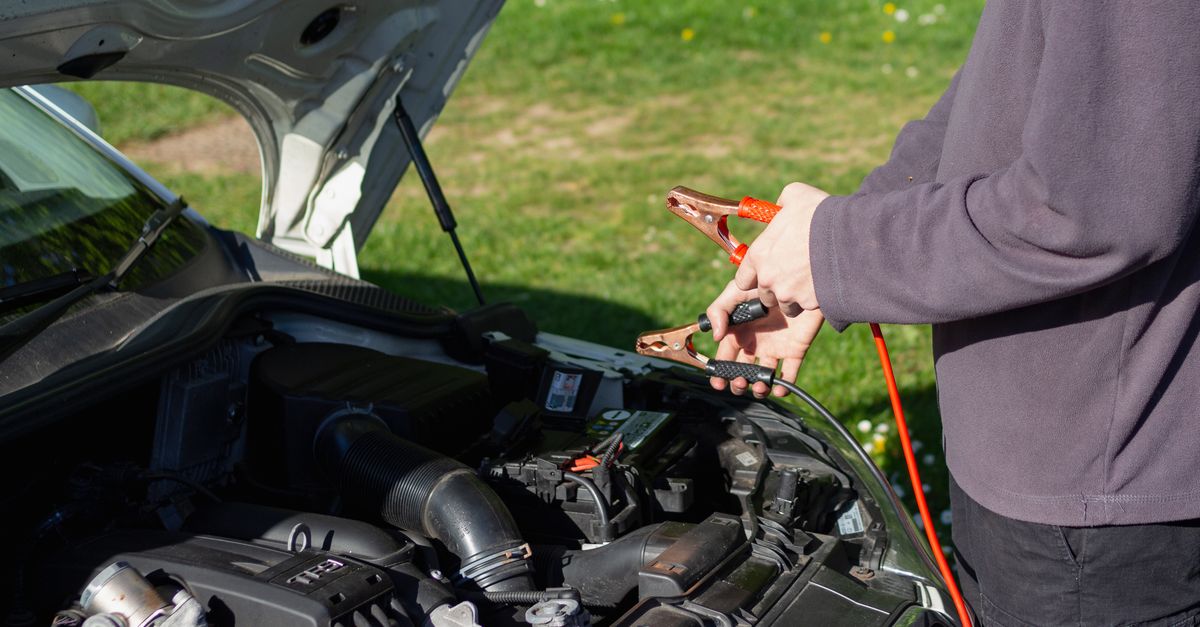
Keep an emergency roadside kit in your vehicle. Include jumper cables, flashlight, first aid supplies, and a phone charger. These items help you handle minor issues without towing.
Park in covered areas when possible. Shade reduces saltwater spray exposure. Garages protect your vehicle from sun damage and corrosion. If you park outside, use a car cover designed for saltwater environments.
Insurance and Towing Coverage for Cape Coral Residents
Your insurance policy affects your towing options and costs. Understanding coverage prevents surprise bills after an emergency.
Most comprehensive auto insurance policies include roadside assistance. Coverage typically includes:
- Towing to nearest repair facility (usually $50-$200 limit)
- Jump starts and lockout service
- Fuel delivery if you run out
- Tire changes and minor repairs
Check your complete towing insurance coverage before an emergency. Call your agent and ask specific questions about waterfront recovery coverage. Some policies exclude water damage claims.
Progressive, GEICO, State Farm, and AAA all offer roadside assistance. Prices from these providers are current as of 2026. We're not affiliated with these companies. Compare their coverage limits and cost to find the best value for Cape Coral drivers.
Consider adding extra towing coverage if you live near water. The extra $10-$20 per month protects you from expensive water recovery costs. It's cheap insurance for Cape Coral's unique risks.
How to Dispute Towing Charges and Protect Your Rights
Sometimes tow companies overcharge. You have legal rights to dispute unfair fees. Don't pay without questioning suspicious charges.
Here's how to dispute excessive towing charges:
- Get a detailed invoice showing all charges
- Compare charges to Florida's legal maximums
- Document the vehicle's condition before and after towing
- Check for charges not in your original quote
- Contact the company in writing within 30 days
- Request an itemized breakdown of charges
- File a complaint with Florida's Department of Highway Safety if they don't respond
- Report predatory practices to the Better Business Bureau
Learn the complete process for disputing towing charges. Know your rights before you need them. Many drivers overpay because they don't understand what charges are legal.
Keep copies of everything. Save emails, photos, and receipts. These documents prove your case if you need to file a complaint. Many disputes get resolved quickly when you show evidence of unfair charges.
Finding Emergency Towing Services Available 24/7 in Cape Coral
Breakdowns don't wait for business hours. You need towing services available at 2 AM on Sunday. Cape Coral has reliable 24/7 options.
When calling for emergency towing:
- Have your location ready (address or mile marker)
- Know your vehicle's make, model, and year
- Describe the problem clearly and concisely
- Ask for estimated arrival time
- Confirm the operator will call when arriving
- Stay in your vehicle with doors locked if safe
Many Cape Coral tow companies use GPS dispatch. They can reach you faster than you'd expect. Modern technology has improved response times significantly.
Read about towing technology trends to understand how modern dispatch works. Apps and GPS tracking make finding help easier than ever. Some companies let you track your tow truck in real time.
Save trusted towing numbers in your phone now. Don't wait until you're stranded. Having numbers ready eliminates stress during emergencies. Program your roadside assistance number, insurance company, and a local tow company.
Frequently Asked Questions About Cape Coral FL Towing
Q: What should I do if my car goes into a canal?
A: Exit the vehicle immediately if safe. Call 911 for emergency response. They'll coordinate with specialized water recovery services. Never try to drive out of water—you'll make the situation worse.
Q: Will my insurance cover towing from water?
A: Comprehensive coverage usually includes water damage. Collision coverage may not. Check your policy details. Water recovery often costs more than standard towing, so verify coverage limits.
Q: How long does water recovery take?
A: Simple water recoveries take 1-2 hours. Complex situations with environmental concerns can take 4-8 hours. Factors include water depth, vehicle position, and equipment availability.
Q: Can I choose my own repair shop after towing?
A: Yes. Florida law protects your right to choose where your vehicle goes. The tow operator can't force you to use their preferred shop. Tell them your destination before they hook up.
Q: What's the average cost of Cape Coral FL towing?
A: Basic local tows cost $75-$150. Water recovery runs $300-$500 or more. Long-distance tows cost $250-$400. Prices vary by company and situation complexity.
Q: How do I know if a tow company is legitimate?
A: Check for Florida Department of Highway Safety licensing. Verify current insurance. Read online reviews. Ask for references. Legitimate companies provide all this information easily.
Q: Are there any towing companies to avoid in Cape Coral?
A: Avoid unmarked trucks that approach you at accident scenes. Skip companies without visible licensing. Don't use operators who demand cash only. These are red flags for predatory practices.
Q: What should I do about saltwater damage to my vehicle?
A: Rinse the undercarriage with fresh water immediately after recovery. Have a mechanic inspect electrical and fluid systems. Apply rust treatment to exposed metal. The sooner you address saltwater exposure, the less damage occurs.
Q: Can I dispute storage fees if my car is held too long?
A: Yes. Florida law limits daily storage fees. You can dispute charges that exceed legal maximums. Keep all paperwork and file complaints with the state if needed.
Q: How can I prepare for emergency towing in Cape Coral?
A: Maintain your vehicle regularly. Keep emergency numbers programmed in your phone. Maintain roadside assistance coverage. Keep documents in your car. Plan your route to avoid flooded areas during high tide.
Your Next Steps for Cape Coral Towing Safety
You now understand Cape Coral's unique towing challenges. The waterfront environment demands special knowledge and equipment. You know the costs, regulations, and how to protect yourself.
Take action today. Don't wait for an emergency:
- Review your insurance towing coverage
- Save trusted towing company numbers in your phone
- Schedule a saltwater corrosion inspection
- Create an emergency kit for your vehicle
- Read about your rights during a tow
Find trusted towing providers in Cape Coral on USA Tow Finder. Our directory lists licensed, insured companies with customer reviews. Get connected with professionals who understand waterfront recovery.
Cape Coral's unique environment requires experienced towing professionals. You deserve service from operators who understand your specific challenges. Use this guide to make informed decisions and protect yourself during emergencies.
Frequently Asked Questions
Need Emergency Towing Services?
Don't wait when you're stranded. Get professional help now.
Find Trusted Towing Services in Cape Coral
Discussion (0)
Be the first to comment!
Share your experience or ask questions about towing services.