
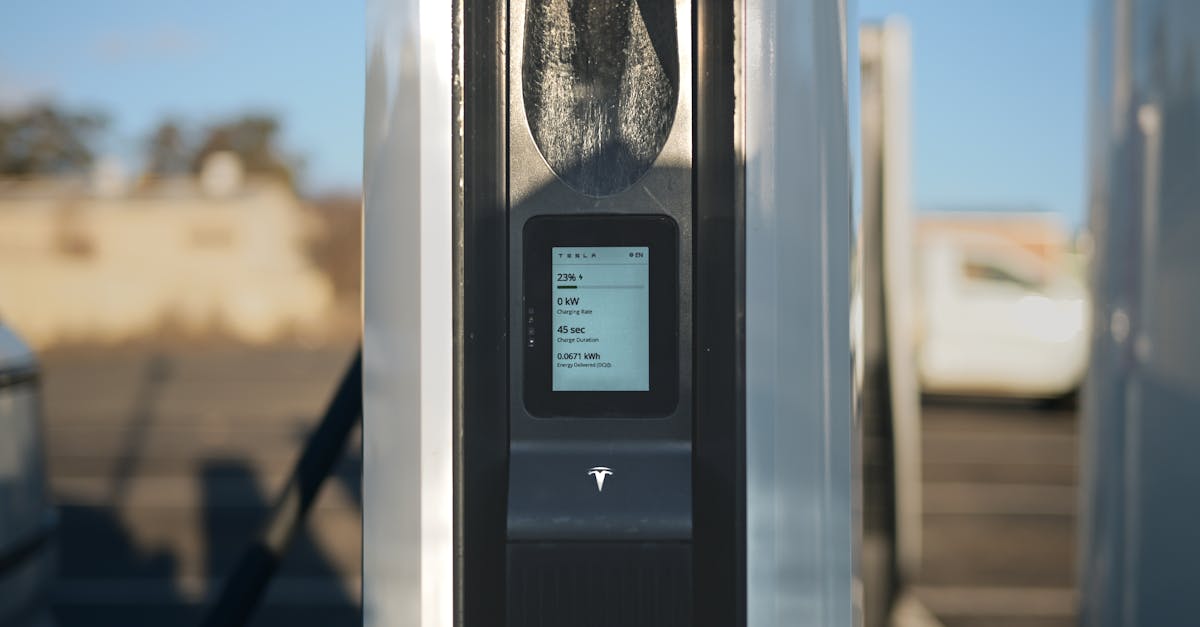
What Actually Happens When Your Tesla Runs Out of Charge?
Your Tesla doesn't just stop dead on the highway. Here's the real sequence of events.
First, you'll get warnings starting at 20% battery. The car shows a red lightning bolt and tells you to charge soon. You've got time to find a charger.
At 10%, warnings get louder. The car limits acceleration and suggests charging stations nearby. This is your last real chance.
At 1%, the car slows down automatically. It'll eventually reach a "limp home" mode—very slow speeds only. The car prioritizes getting you to safety over performance.
When battery hits 0%, the car stops. It won't restart until you charge it. This is where tesla out of charge towing becomes your only option.
Understanding Tesla's Battery Warning System
Tesla's warning system is more sophisticated than most drivers realize. The car doesn't just warn you randomly—it uses real-time data to predict when you'll run out of charge.
The system accounts for driving conditions, weather, elevation changes, and traffic patterns. On a highway with light traffic, you might have 50 miles of range at 5% battery. In heavy city traffic with climate control running, that same 5% might only get you 15 miles.
The car recalculates your remaining range every few seconds. This is why the estimated range number constantly changes. It's not a bug—it's the system being accurate based on current conditions.
Temperature has a massive impact. In cold weather (below 32°F), your range drops 20-30% immediately. The battery loses efficiency and the car uses energy for cabin heating. In extreme cold (below 0°F), you might lose 40% of your range. This is why winter road trips require extra planning.
The warning system also considers your driving style. Aggressive acceleration drains battery faster. Smooth, gradual acceleration extends range by 10-15%. The car's efficiency meter shows this in real-time if you enable it on your center display.
Should You Call Tesla or a Regular Tow Truck?
This choice matters more than you'd think.
Tesla Roadside Assistance is your best first call. They send technicians trained on electric vehicles. They know your car's needs. They won't damage anything.
Here's the catch: Tesla assistance is free for 50 miles in the first year. After that, you pay per incident. Costs typically run $75–$150 depending on distance.
A regular tow truck works too—but you need one that knows EVs. Not all drivers understand electric cars. Some will tow incorrectly and damage your battery system.
Warning: Never let a tow truck tow your Tesla in neutral for long distances. The battery can't power the cooling system while being towed. Overheating damages the pack.
Your best move: Call Tesla first. If they're swamped, ask for an EV-certified tow truck. Most major cities have them now.
How Much Does Tesla Out of Charge Towing Actually Cost?
Costs vary wildly based on your situation and location.
Tesla Roadside Assistance: Free for first 50 miles yearly (included with vehicle purchase). Then $75–$150 per tow after that.
AAA Premium membership: Covers up to 100 miles free. Costs about $120–$200 yearly. Worth it if you're nervous about range.
Regular tow companies: $75–$250 for local towing. Long-distance can hit $300–$500. Check our complete towing cost guide for regional pricing.
Roadside assistance apps: Services like Better World Club or Good Sam run $50–$200 yearly. They send EV-certified towers.
For detailed breakdown by state, see maximum towing rates by state.
Step-by-Step: What to Do When Your Tesla Battery Dies
Stay calm. Your car's designed for this situation. Follow these steps:
- Turn off climate control. This saves battery and cooling power. Open windows instead.
- Enable Range Mode if available. This limits power to essential systems only.
- Pull to the shoulder safely. Don't stop in traffic. Use hazard lights.
- Call Tesla Roadside Assistance first. Use your Tesla app or call 1-877-798-3752 (US).
- Provide your location and VIN. They'll dispatch a technician or approved tower.
- Wait in your car with doors locked. It's safer than standing outside.
- Don't attempt to push-start or tow yourself. This damages the drivetrain.
- Ask the tower about EV experience. Make sure they've towed electric cars before.
- Request flatbed towing if possible. Flatbeds prevent drivetrain damage.
- Get a receipt and document everything. You'll need this for insurance claims.
Why You Can't Tow a Dead Tesla Like a Regular Car
Electric vehicles aren't like gas cars. The towing rules are completely different.
When a Tesla's battery is dead, the power steering stops working. The brakes become manual only. The car can't cool its battery. These issues create serious safety problems.
If towed improperly, the car's regenerative braking system can overheat. The battery management system fails. You're looking at $5,000–$15,000 in repairs.
The safe way: Flatbed towing keeps all wheels off the ground. Nothing stresses the drivetrain. The car stays safe.
Never acceptable: Towing with two wheels on the ground. Towing in neutral for long distances. Using a dolly on the rear wheels. These damage your battery and motor.
This is why tesla out of charge towing requires specialists. Regular towers don't know these rules.
Best Roadside Assistance Options for Tesla Owners
You have several solid choices. Pick one that covers EVs specifically.
Tesla Premium Connectivity: Includes roadside assistance. Costs $12.99 monthly or $199 yearly. Free 50-mile towing first year.
AAA Premium: Covers electric vehicles. Up to 100 miles free towing. Works nationwide. About $180 yearly.
Better World Club: EV-focused. Partners with green service providers. $60 yearly for basic, $120 for premium. Good for eco-minded owners.
GEICO Roadside Assistance: Works with insurers. Usually $5–$15 monthly add-on. Covers up to 50 miles.
Progressive: Offers roadside assistance with policies. Similar coverage to GEICO.
Check our complete roadside assistance guide for full comparisons.
How to Avoid Running Out of Charge: Prevention Tips
The best tow is the one you never need. Here's how to prevent this situation.
Understand your real range. Tesla shows optimistic numbers. Subtract 20% for highway driving. Cold weather cuts range by 30–40%. Plan accordingly.
Use trip planning in your Tesla. The car calculates needed charging stops. It's usually accurate. Trust it.
Charge to 80% for daily driving. This extends battery life and charging speed. You'll have enough range for most trips.
Charge overnight if you drive daily. Start each day with full battery. You'll rarely worry about range.
Plan long trips with charging breaks. Use apps like A Better Route Planner (ABRP). They show real charger availability.
Know your charger locations. Tesla Superchargers are everywhere. But know where backup chargers are too.
Keep your battery above 5% when parked. Cold weather drains batteries. Parking with low charge causes damage.
Monitor your battery health in the Tesla app. Degradation over time is normal. Plan for it.
Enable range anxiety mode on long trips. This conservative setting prevents you from getting too close to zero. It's worth the slight inconvenience.
Join Tesla owner communities. Learn from experienced owners about real-world range in your area. Local knowledge saves trips.
What Happens During the Actual Towing Process?
Understanding the process reduces stress. Here's what actually happens.
The tow truck arrives. The driver checks your Tesla's condition and location. They position the flatbed carefully.
For a dead Tesla, they'll use a flatbed 99% of the time. The car gets driven or winched onto the bed. All four wheels stay off the ground.
The truck operator will secure the car with straps. They won't use chains—chains damage the frame. Soft straps protect paint and body.
The tow takes 30 minutes to two hours depending on distance. You can ride in the truck or follow in another vehicle.
Once at the charging location, the car comes off the flatbed. It gets plugged in immediately. Charging begins within minutes.
Most Teslas regain enough charge to drive within 30 minutes at a Supercharger. You can then drive to a permanent charger or home.
For insurance and coverage questions, see our towing insurance coverage guide.
Who Should You Call First: Tesla vs. AAA vs. Local Towers?
The right first call saves money and time. Here's the decision tree.
If you have Tesla Premium Connectivity: Call Tesla first. It's free up to 50 miles. They understand your car perfectly.
If you have AAA Premium: Call AAA. They have EV-certified towers in most areas. Up to 100 miles is free.
If you have roadside assistance through insurance: Call your insurer. GEICO, Progressive, and State Farm all cover EVs now. Check your policy first.
If you have none of the above: Call a local EV-certified towing company. Find towing services near you on USA Tow Finder. Search for "electric vehicle" or "Tesla" in the description.
Never call a random tow truck without asking about EV experience. One wrong move costs thousands.
Prices from providers like AAA, GEICO, and Progressive are current as of 2026. We're not affiliated with these companies.
What If You're Stranded in a Remote Area?
This is scarier but manageable. Here's your strategy.
Cell service is your first problem. If you have signal, call Tesla or AAA immediately. They'll dispatch help even to remote areas.
If no signal, move to higher ground and try again. Most highways have cell coverage now. Wait 10 minutes and retry.
Tell the dispatcher you're remote. They'll send the nearest available tower. It might take 1–3 hours instead of 30 minutes.
Stay in your car with hazard lights on. It's warmer and safer than waiting outside. Your Tesla has excellent heating even with low battery.
If stranded overnight, use cabin mode to keep heat on. The battery will drain slowly but you'll stay warm.
Pack a portable phone charger. This is your lifeline in remote areas. Most dead Teslas still have enough power for your phone.
For more on roadside emergencies, check our complete roadside assistance guide.
Insurance and Coverage Questions Answered
Most insurance covers EV towing the same as gas cars. But some details differ.
Does insurance cover running out of charge? Usually yes. It's considered a mechanical failure, not an accident. Your comprehensive coverage typically includes it.
Will my insurance rates go up? No. Roadside assistance claims don't affect your rates. Insurance companies don't penalize you for needing a tow.
Do I need special EV insurance? Not necessarily. Standard auto insurance covers Teslas fine. Some insurers offer EV-specific discounts instead.
What if I'm out of state? Your coverage travels with you. Roadside assistance works nationwide for most policies.
Does AAA cover Teslas? Yes. All tiers of AAA cover electric vehicles now. Premium tier gives you 100 miles free.
For detailed coverage information, see our towing insurance coverage guide.
Frequently Asked Questions About Tesla Out of Charge Towing
These are the questions we hear most from Tesla owners.
Can I charge my Tesla while it's being towed? Not safely. Wait until you reach the charging location. The battery management system needs to be fully functional.
Will towing damage my Tesla's battery? No, if done correctly with a flatbed. Improper towing can damage it. This is why EV experience matters.
How long until my Tesla can drive after being towed? With Supercharger: 30–45 minutes for enough range. At home charger: 8–12 hours for full charge.
Should I call Tesla or my insurance company first? Call Tesla first. They coordinate with insurance. It's faster than going through your insurer.
Do I have to pay for towing if it's Tesla's fault? If your car malfunctions, Tesla covers towing. If you misjudged range, you pay. It's usually not Tesla's fault.
What if I'm still under warranty? Roadside assistance is included with new Teslas for one year. Use it. You paid for it.
Can I get towed to any charger or must it be a Supercharger? Any charger works. Superchargers are fastest. Home charging is cheapest. Choose based on your situation.
Is it bad to let my Tesla battery die completely? Yes. Repeated complete discharges degrade the battery faster. Avoid it when possible.
Do all tow trucks accept Teslas? No. Many don't have proper equipment. Always ask about EV experience before dispatch.
What's the average cost of a Tesla tow in 2026? $75–$200 locally. Long-distance ($100+ miles) runs $200–$500. Membership discounts help significantly.
Common Mistakes to Avoid When Your Tesla Runs Out of Charge
Learning from others' mistakes can save you money and stress. Here are the most common errors Tesla owners make:
Mistake 1: Calling a random tow truck without asking about EV experience. This single decision has cost owners thousands in battery damage. Always verify EV knowledge before dispatch.
Mistake 2: Letting the car sit with 0% battery in cold weather for days. This can permanently damage the battery. Get it charging within hours if possible.
Mistake 3: Not having any roadside assistance plan. Waiting for a random tower can take 4+ hours and cost $300+. A $120 yearly AAA membership prevents this.
Mistake 4: Trusting the estimated range completely. Real-world range varies by 20-40% depending on conditions. Always add a safety buffer.
Mistake 5: Ignoring the warning system. Once you hit 5%, you're in danger territory. Don't push it thinking you'll "make it" to the next charger.
Mistake 6: Not knowing your car's actual range in cold weather. Do a winter test drive. See how far you actually get. Don't guess.
Mistake 7: Attempting to tow yourself or push the car. This can damage the motor and drivetrain. Always use professional towers.
Your Action Plan: Be Ready Before You Need Help
Don't wait until you're stranded. Prepare now.
Step 1: Choose roadside assistance. Pick AAA Premium, Tesla Premium Connectivity, or an app-based service. Sign up today.
Step 2: Know your coverage limits. Read your policy. Know your free towing distance. Understand what's covered.
Step 3: Save emergency numbers. Put Tesla Roadside (1-877-798-3752) and AAA in your phone. Add local EV tow companies as backup.
Step 4: Learn your car's range. Drive a full charge and see real-world numbers. Subtract 20% for safety margin. Plan trips accordingly.
Step 5: Download range planning apps. A Better Route Planner, Plugshare, and Tesla's built-in planner are all free. Use them for trips over 200 miles.
Step 6: Share your plan with family. If others drive your Tesla, make sure they know the range limits. Prevent situations before they happen.
For more on choosing the right service provider, see our guide to choosing a reliable tow truck company.
The goal is simple: Never need a tow. But if you do, you're prepared. That peace of mind is worth the small investment in roadside assistance.
Frequently Asked Questions
Need Emergency Towing Services?
Don't wait when you're stranded. Get professional help now.
Find EV-Certified Towing Near You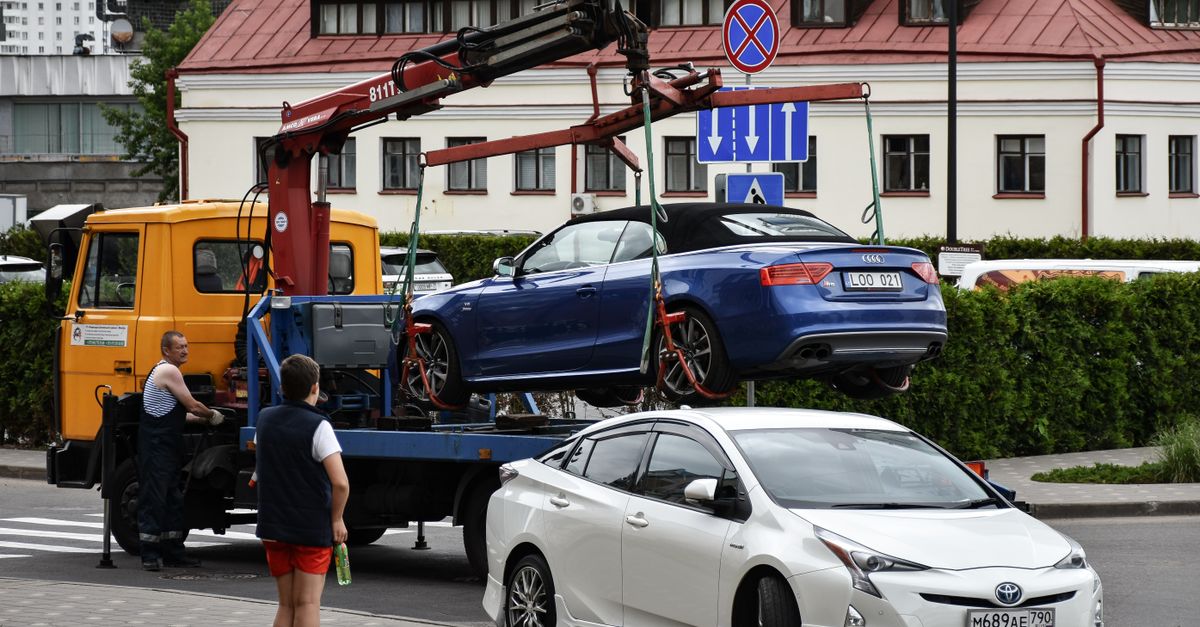
Discussion (0)
Be the first to comment!
Share your experience or ask questions about towing services.